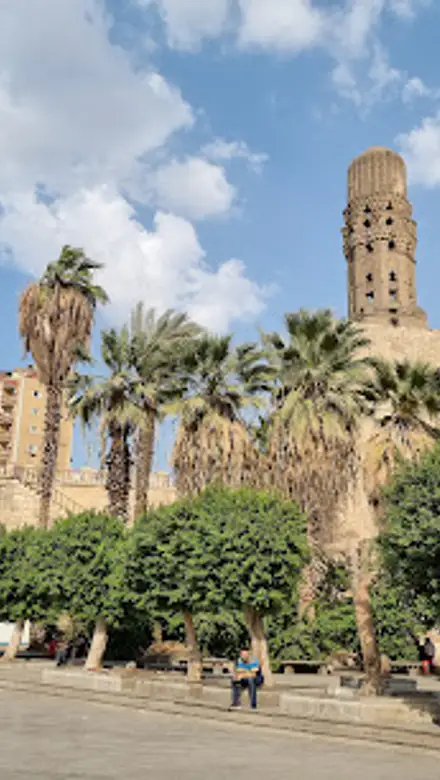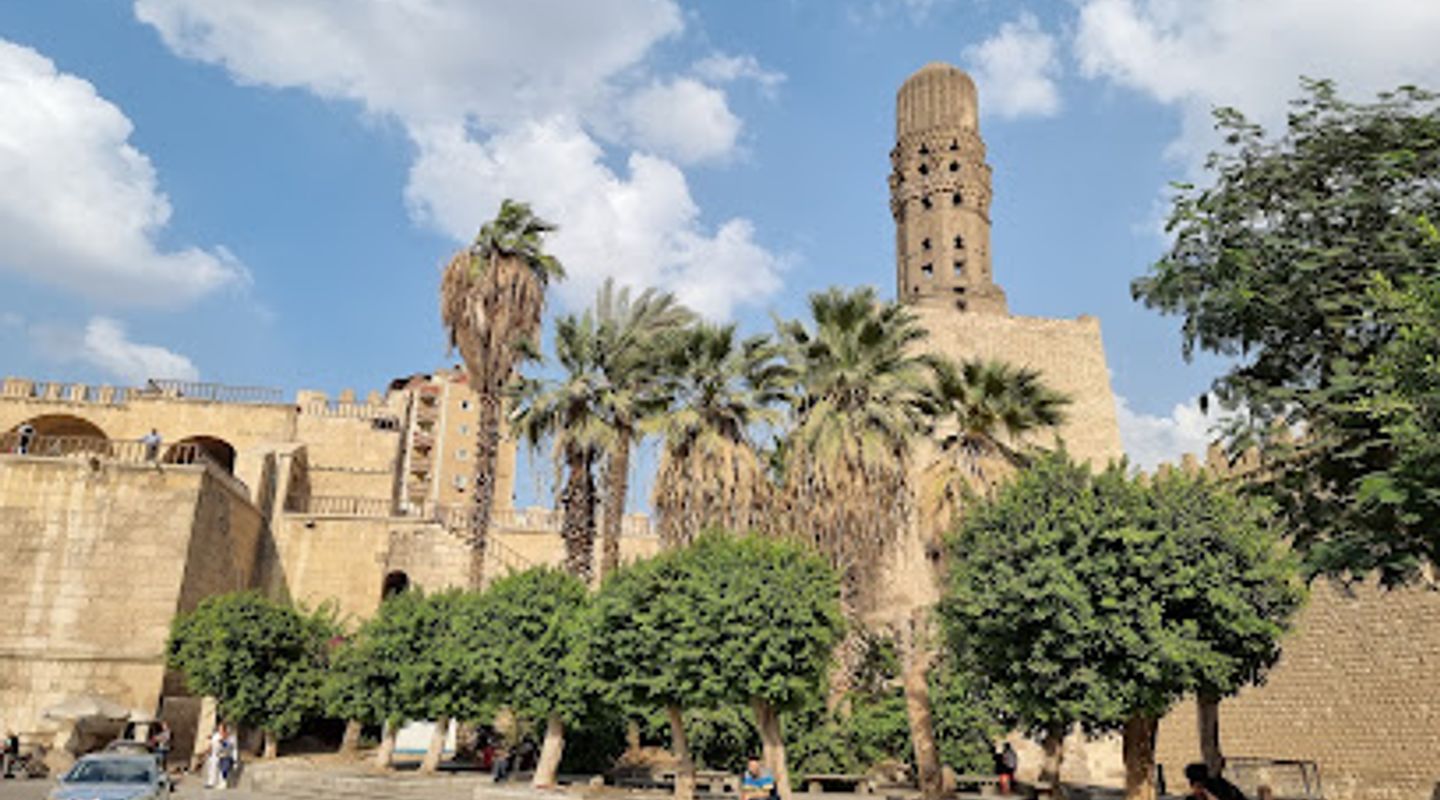
Bab El Nasr, Cairo Travel Guide
Explore Bab El Nasr, a historic gate in Cairo's old city, showcasing Fatimid architecture and centuries of Egyptian history.
Bab El Nasr, or the Gate of Victory, is one of the three remaining gates of the historic city wall of Cairo. Constructed in 1087 by Fatimid vizier Badr al-Jamali, it stands as a testament to the city's rich Islamic history and military architecture.
A brief summary to Bab El Nasr
- Bab El-Nasr, El Gamaliya, El-Gamaleya, Cairo Governorate, 11681, EG
- Click to display
- Click to display

Know before you go
Hi, I'm Eve. Here are a few practical things to know before exploring Bab El Nasr.
- Explore the nearby Al-Gamaliya Street to experience the vibrant atmosphere of Islamic Cairo.
- Combine your visit with a trip to the neighboring Bab El-Futuh for a comprehensive tour of Cairo's historic gates.
- Wear comfortable shoes, as you'll likely be doing a lot of walking in the surrounding area.
Do you manage this location?
Take control to get all the benefits, like improved information, better appearance, and stronger visibility across AI-powered discovery. Learn more about listing your business on Evendo
Activate your presenceOther nearby places you may find interesting
The closest places of the same kind, if this one is not quite what you had in mind.
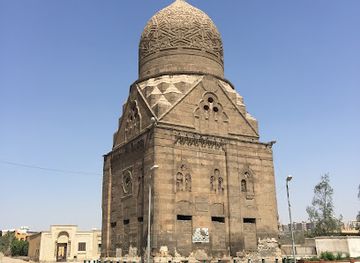
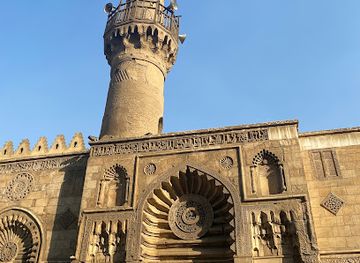
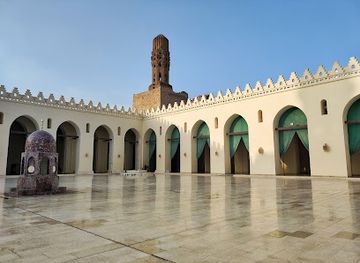
Explore Bab El Nasr on the Map
A handpicked selection of must-see spots near Bab El Nasr, mapped for you.
Unlock the Best of Bab El Nasr
Buy tickets
-
No tickets available
Book tours with entry


Book tours without entry


Getting There
-
Walking
From the Khan el-Khalili market, Bab El Nasr is approximately a 10-15 minute walk. Head north along Al-Gamaliya Street; the gate will be clearly visible ahead.
-
Public Transport
The nearest metro station is Bab el Shaaria. From there, it's about a 12-minute walk to Bab El Nasr. Alternatively, you can take a local bus or taxi from the metro station to the gate. A short taxi ride will typically cost around 15-25 EGP.
Discover more about Bab El Nasr













Your all‑in‑one travel companion app
Explore expert travel guides, compare and book tours, experiences, hotels, and more—all from the palm of your hand. Download now for seamless trip planning wherever your wanderlust takes you.


Explore More of Cairo
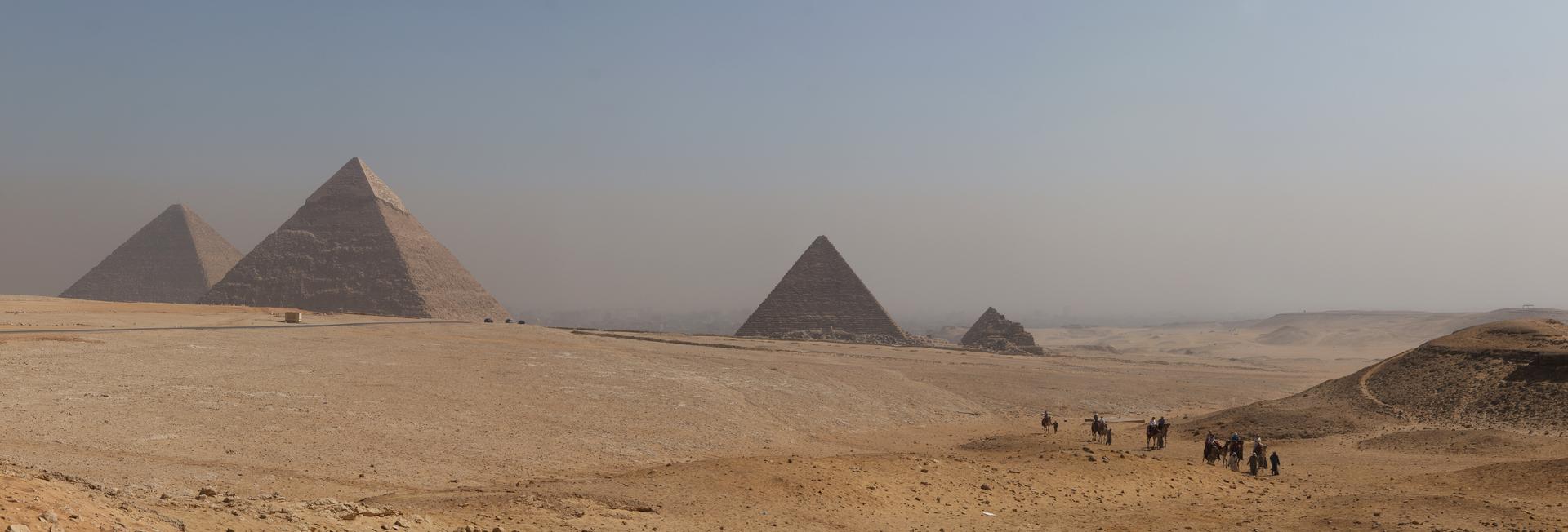
Looking beyond Bab El Nasr? Discover Cairo for broader travel guides, local hot-spots, and regional highlights.
Explore Cairo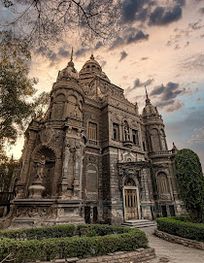
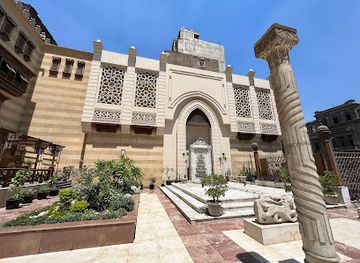
Discover Cairo's hidden gem: The Sakakini Palace, a stunning example of Rococo architecture with a rich history and intricate design.
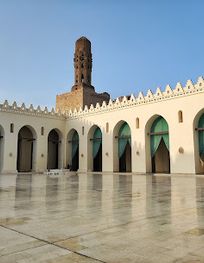
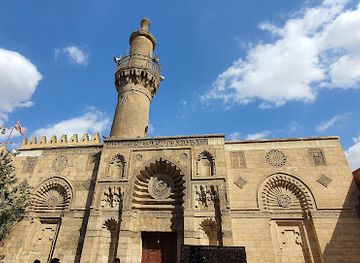
Explore the historic Al-Hakim Mosque in Cairo, a stunning example of Fatimid architecture and Islamic heritage on Al-Muizz Street.