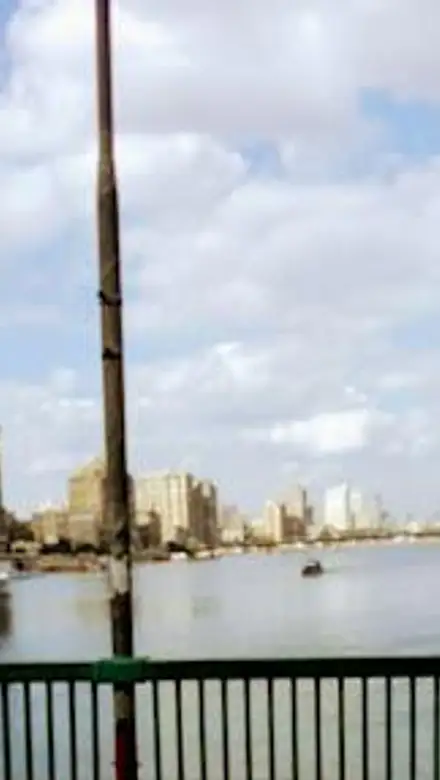
Giza Bridge, Cairo Travel Guide
Free Guide: Cross the Nile on the historic Giza Bridge, connecting past and present in the heart of Cairo's bustling metropolis.


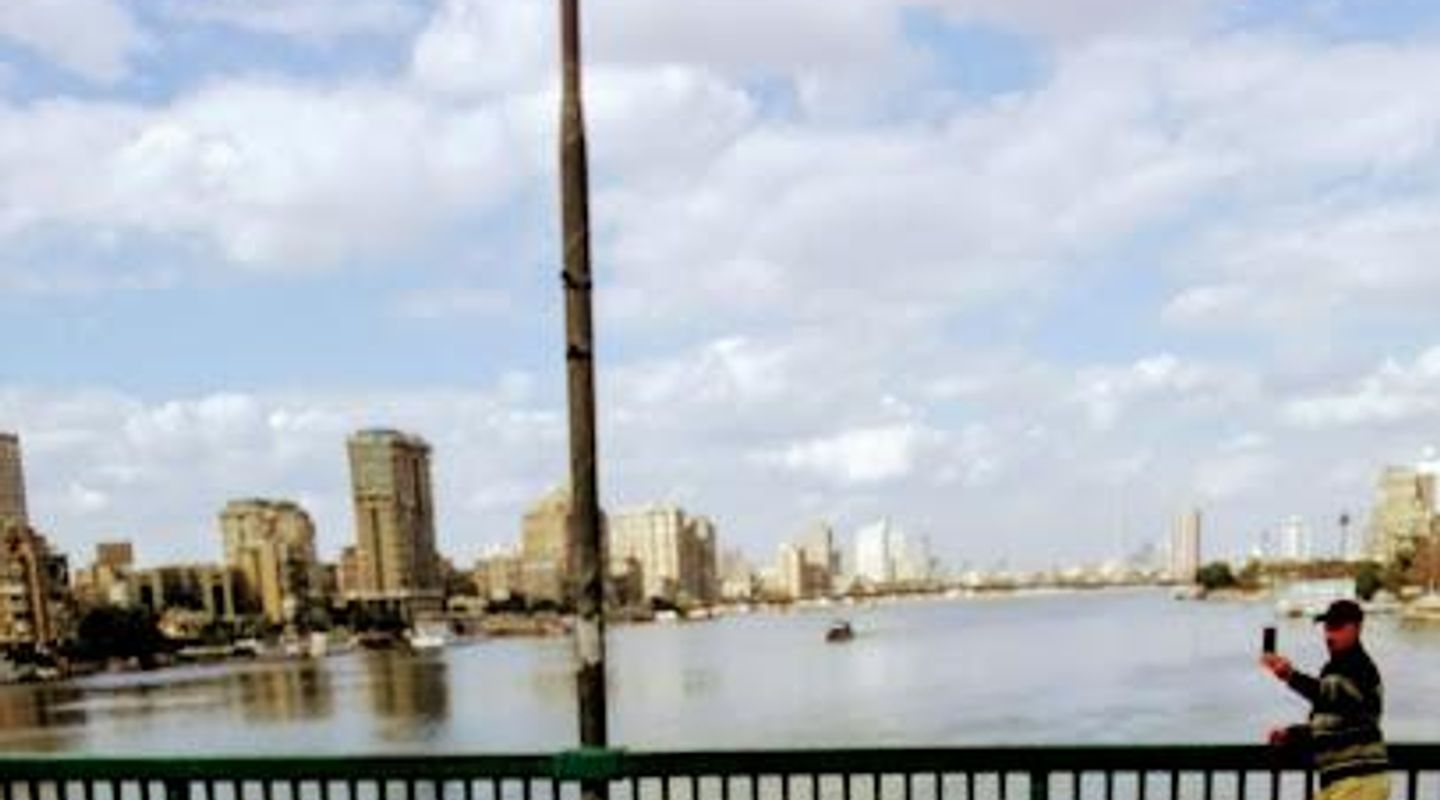
A brief summary of Giza Bridge
Cross the Nile on the historic Giza Bridge, connecting past and present in the heart of Cairo's bustling metropolis.
Giza Bridge, originally named Abbas Bridge, is a historic structure connecting Giza to Cairo. Built in the early 20th century, it has witnessed significant events in Egypt's history and offers a vital transportation route across the Nile.
- Address
- Giza Governorate
Getting there
Taxi
Public Transport
Discover more about Giza Bridge
Overview
Giza Bridge, initially known as Abbas Bridge after Khedive Abbas II, stands as a testament to Egypt's evolving history and infrastructure. Inaugurated in 1908, it was later renamed Giza Bridge following the 1952 revolution, though its original name persists as a familiar moniker. The bridge has been a silent observer of pivotal moments, including a massive student protest in 1946 advocating for the evacuation of British forces.Designed with a movable section to allow the passage of sailboats, this feature was eventually replaced with a bow. Over the decades, the bridge has undergone numerous restoration and reconstruction projects to maintain its structural integrity and accommodate the growing traffic. Today, it serves as a crucial link between Giza and Cairo, facilitating the daily commute of countless residents and visitors.While not as iconic as the Qasr El Nil Bridge with its lion statues, Giza Bridge holds its own significance as a vital piece of Cairo's infrastructure and a reminder of the city's layered past.
Evendo Review Centre
 Google
Guest reviews
Explore Giza Bridge on the map
A handpicked selection of must-see spots near Giza Bridge, mapped for you.
Get your free copy of our complete guide to Giza Bridge, delivered straight to you.
Everything on this page, from opening hours and how to get there to Eve’s tips and the best time to go, in one PDF you can read offline, print or share.
Already have an account? Sign in
Your Giza Bridge guide is ready.
We'll send it to · Not you? Sign out

Getting your guide ready…
We are putting together a fresh copy of the Giza Bridge guide. This can take up to a minute.
This can take a few moments. If your browser asks, choose Allow so the download can start. You'll find the guide in your Downloads folder.
Nothing happened? Download it again
Sorry, the guide is taking longer than usual. Please try again in a minute, or get it by email instead.
Other nearby places you may find interesting
The closest places of the same kind, if this one is not quite what you had in mind.
-

-
-
-
-


Swipe for more places
More to explore near Giza Bridge

 Best experiences near Giza Bridge
 Best hotels near Giza Bridge
 Best landmarks near Giza Bridge
 Best attractions near Giza Bridge
 Best shops near Giza Bridge
 Best restaurants near Giza Bridge
 Best bars near Giza Bridge
Do you manage this location?
Take control to get all the benefits, like improved information, better appearance, and stronger visibility across AI-powered discovery.
Explore more

Explore more of Cairo
Discover Cairo: The timeless city where ancient wonders meet vibrant modern life, offering a rich cultural experience and unforgettable memories.
Explore Cairo
Explore more of Egypt
Discover Egypt: From the timeless pyramids to the vibrant Red Sea, experience a land where ancient wonders meet modern adventures.
Explore Egypt