

Rawda Island Nilometer, Cairo Travel Guide
Free Guide: Explore the historic Nilometer on Rawda Island, a unique landmark showcasing ancient Egyptian ingenuity and the Nile's vital role.


A brief summary of Rawda Island Nilometer
Explore the historic Nilometer on Rawda Island, a unique landmark showcasing ancient Egyptian ingenuity and the Nile's vital role.
The Rawda Island Nilometer, built in 861 AD, is one of Egypt's oldest Islamic-era structures. This ancient device measured the Nile River's water levels, crucial for agriculture and taxation. Located on the southern tip of Rawda Island in Cairo, it offers a glimpse into ancient Egyptian engineering and the importance of the Nile to the region's prosperity.
Opening hours
- Every day9 am–3:45 pm
Opening hours as listed on the venue’s Google Business Profile. Hours can change for services and special events, so check with the venue before you go.
- Address
- 264G+Q2J, Al-Miqyas Street, Southern Tip of Al-Roda Island, Cairo Governorate شارع المقياس, الطرف الجنوبي, لجزيرة الروضة, Cairo Governorate
- Website
Getting there
Public Transport
Taxi/Ride-Share
Walking
Discover more about Rawda Island Nilometer
Overview
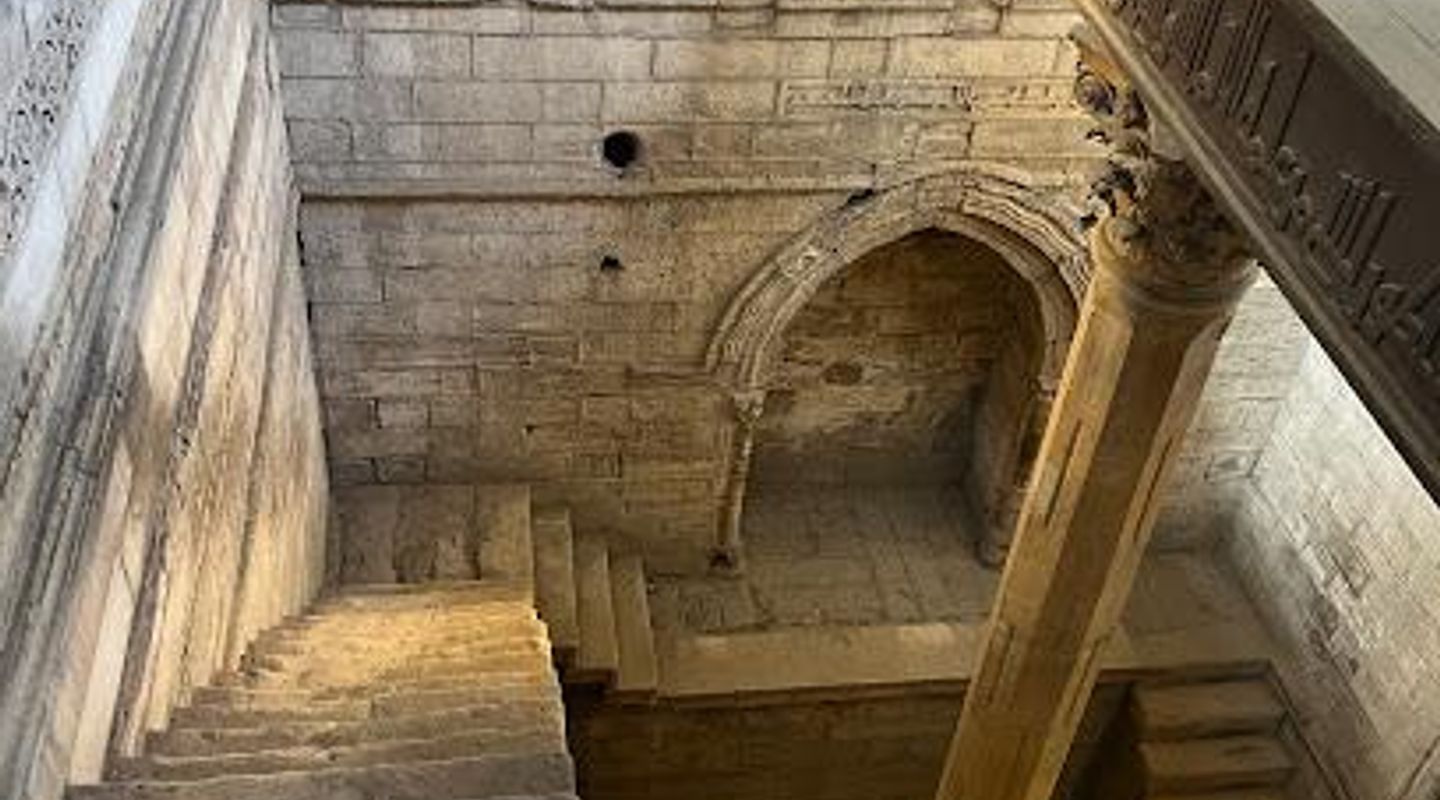
The Nilometer on Rawda Island stands as a testament to ancient Egypt's ingenuity and reliance on the Nile River. Constructed in 861 AD by order of the Abbasid Caliph al-Mutawakkil, it is one of the oldest structures in Egypt built after the Arab conquest that still survives in its original form. The Nilometer was used to measure the Nile's water levels, which was essential for predicting the success of the agricultural season and determining taxation levels.The structure consists of a stone-lined well with a marble octagonal column at its center. This column, divided into 19 cubits (approximately 10.5 meters), was marked with measurements to gauge the river's height. The well is connected to the Nile through tunnels, allowing the water level inside to reflect the river's level. Inscriptions of Quranic texts related to water, vegetation, and prosperity adorn the walls, showcasing early examples of architectural epigraphy in Egypt.An ideal flood level reached the 16th mark on the Nilometer. Measurements above or below this level would indicate either a devastating flood or potential drought and famine. While the Nilometer is no longer functional due to the Aswan High Dam, it remains a significant historical site, offering visitors a unique insight into ancient Egyptian life and the enduring importance of the Nile. Visitors can also enjoy the peaceful atmosphere of Rawda Island and views of the Nile.
Evendo Review Centre
 Google
Guest reviews
Explore Rawda Island Nilometer on the map
A handpicked selection of must-see spots near Rawda Island Nilometer, mapped for you.
Get your free copy of our complete guide to Rawda Island Nilometer, delivered straight to you.
Everything on this page, from opening hours and how to get there to Eve’s tips and the best time to go, in one PDF you can read offline, print or share.
Already have an account? Sign in
Your Rawda Island Nilometer guide is ready.
We'll send it to · Not you? Sign out

Getting your guide ready…
We are putting together a fresh copy of the Rawda Island Nilometer guide. This can take up to a minute.
This can take a few moments. If your browser asks, choose Allow so the download can start. You'll find the guide in your Downloads folder.
Nothing happened? Download it again
Sorry, the guide is taking longer than usual. Please try again in a minute, or get it by email instead.
Unlock the best of Rawda Island Nilometer
Skip-the-line tickets, guided tours with entry, and walking tours of the area, booked in a few clicks.
 Tour with entry
Sultan Hassan Mosque, Nilometer and Mohamed Ali Palace
from $38.00 Tour with entry
Tour To The Nilometer And Manial Palace With Felucca Ride
from $183.35 Tour with entry
Private Tour to the Nilometer, Manial palace, City of The Dead With felucca Ride
from $200.45 Tour with entry
Nilometer, Manial Palace And City Of The Dead\ Felucca Ride
from $200.45


Other nearby places you may find interesting
The closest places of the same kind, if this one is not quite what you had in mind.
-

-
-
-
-


Swipe for more places
More to explore near Rawda Island Nilometer

 Best experiences near Rawda Island Nilometer
 Best hotels near Rawda Island Nilometer
 Best landmarks near Rawda Island Nilometer
 Best attractions near Rawda Island Nilometer
 Best shops near Rawda Island Nilometer
 Best restaurants near Rawda Island Nilometer
 Best bars near Rawda Island Nilometer
Do you manage this location?
Take control to get all the benefits, like improved information, better appearance, and stronger visibility across AI-powered discovery.
Explore more

Explore more of Cairo
Discover Cairo: The timeless city where ancient wonders meet vibrant modern life, offering a rich cultural experience and unforgettable memories.
Explore Cairo
Explore more of Egypt
Discover Egypt: From the timeless pyramids to the vibrant Red Sea, experience a land where ancient wonders meet modern adventures.
Explore Egypt
