

Deir el-Medina, Lower Egypt Travel Guide
Explore the remarkably preserved village of Deir el-Medina, home to the artisans who built the tombs in the Valley of the Kings and Queens.
Deir el-Medina, also known as Set-Maat or "The Place of Truth", is an ancient Egyptian village near Luxor that once housed the artisans and craftsmen who constructed and decorated the royal tombs in the Valley of the Kings and the Valley of the Queens. This remarkably well-preserved village offers a unique glimpse into the daily lives, beliefs, and working conditions of these skilled laborers.
A brief summary to Deir el-Medina
- PJH2+37, Al Qarna, Luxor Governorate, 1340412, EG
- Monday 6 am-5 pm
- Tuesday 6 am-5 pm
- Wednesday 6 am-5 pm
- Thursday 6 am-5 pm
- Friday 6 am-5 pm
- Saturday 6 am-5 pm
- Sunday 6 am-5 pm

Know before you go
Hi, I'm Eve. Here are a few practical things to know before exploring Deir el-Medina.
- Visit early in the morning to avoid crowds and the intense heat, especially during summer.
- Hire a local guide to gain deeper insights into the history and significance of the village and its inhabitants.
- Wear comfortable shoes as you'll be doing a lot of walking on uneven terrain.
- Bring sunscreen, a hat, and plenty of water to protect yourself from the sun.
- Allocate at least 2-3 hours to fully explore the site and appreciate the artistry of the tombs.
Do you manage this location?
Take control to get all the benefits, like improved information, better appearance, and stronger visibility across AI-powered discovery. Learn more about listing your business on Evendo
Activate your presenceOther nearby places you may find interesting
The closest places of the same kind, if this one is not quite what you had in mind.
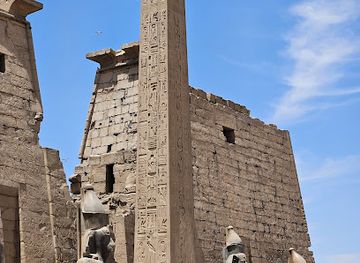
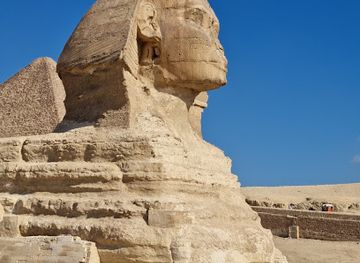
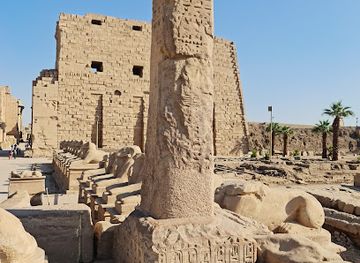
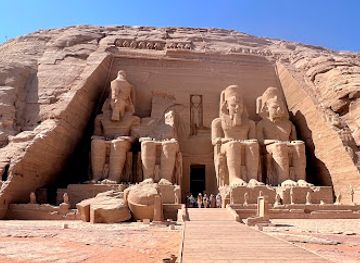
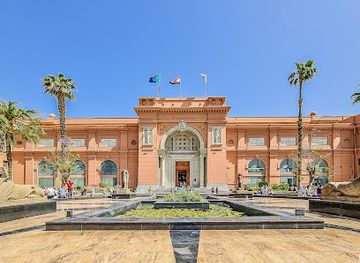
Explore Deir el-Medina on the Map
A handpicked selection of must-see spots near Deir el-Medina, mapped for you.
Unlock the Best of Deir el-Medina
Buy tickets
-
No tickets available
Book tours with entry


Getting There
-
Taxi
From Luxor city center or the East Bank, the most convenient way to reach Deir el-Medina is by taxi. A taxi ride to Deir el-Medina typically takes around 15-20 minutes, depending on traffic. Negotiate the fare with the driver before starting your journey. A typical fare should be between 140-180 EGP.
-
Ferry and Taxi
Another option is to take a local ferry from the East Bank to the West Bank of Luxor. Ferries depart regularly from near the Luxor Temple. Once you arrive on the West Bank, you can hire a taxi to take you to Deir el-Medina. The ferry costs approximately 20 EGP. The taxi ride from the West Bank ferry landing to Deir el-Medina is about 15-20 minutes and should cost around 120-150 EGP.
Discover more about Deir el-Medina













Your all‑in‑one travel companion app
Explore expert travel guides, compare and book tours, experiences, hotels, and more—all from the palm of your hand. Download now for seamless trip planning wherever your wanderlust takes you.


Explore More of Lower Egypt
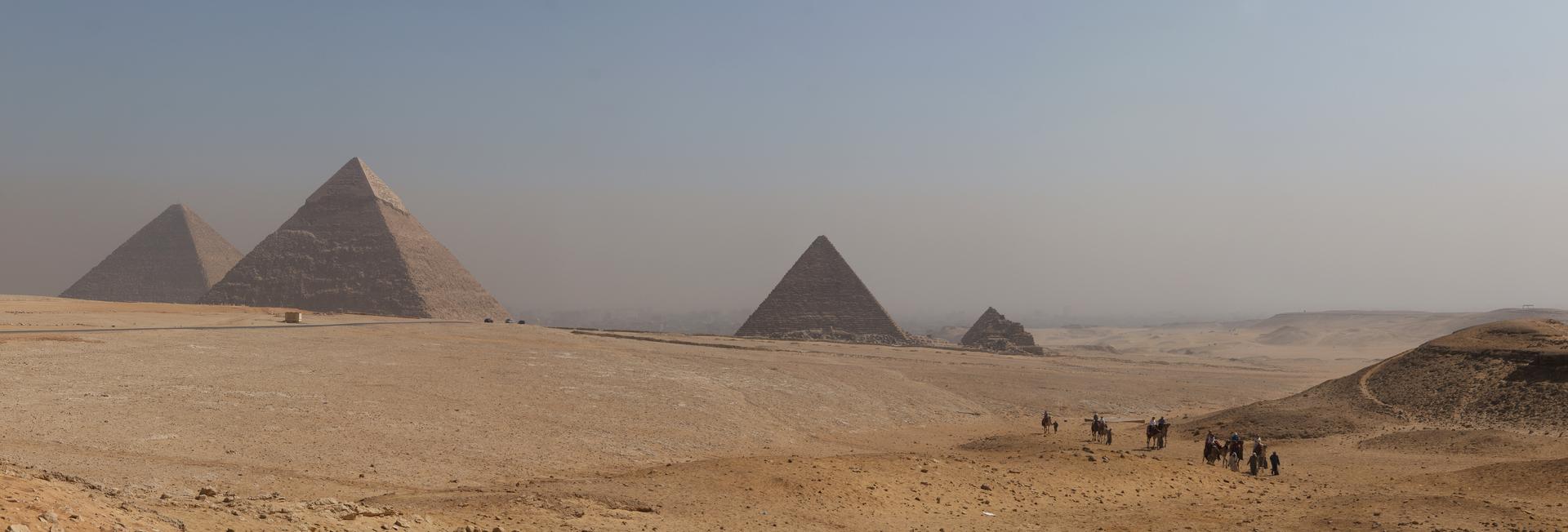
Looking beyond Deir el-Medina? Discover Lower Egypt for broader travel guides, local hot-spots, and regional highlights.
Explore Lower Egypt
Your 24/7 gateway to cash in the heart of Luxor, located at the historic Sofitel Winter Palace Hotel, steps from Luxor Temple.

Explore the Temple of Deir el-Medina, a Ptolemaic sanctuary offering a glimpse into the lives of the artisans who built ancient Egypt's royal tombs.
