

Free Central Eritrea Travel Guide & Mobile App
Explore Central Eritrea with free travel guides. Discover regional history, expert tips, proposed trips, and audio guides on web or mobile app.


Explore Central Eritrea through Asmara’s Modernist architecture, highland landscapes, historic churches, cafés and carefully planned cultural excursions.
Read more about Central Eritrea
When is the best time to visit Central Eritrea?
Best: December–February · 24–25°C| Month | High (°C) | Rainfall (mm) |
|---|---|---|
| January (best) | 24 | 1 |
| February (best) | 25 | 2 |
| March | 27 | 3 |
| April | 28 | 5 |
| May | 29 | 5 |
| June | 30 | 5 |
| July | 29 | 3 |
| August | 29 | 3 |
| September | 28 | 3 |
| October | 27 | 4 |
| November | 26 | 2 |
| December (best) | 24 | 1 |
Getting to and around Central Eritrea
How to get there
Transportation
Top city travel guides in Central Eritrea
The cities of Central Eritrea, and the easiest places to base yourself.
-

-


Swipe for more cities
Best attractions in Central Eritrea
Central Eritrea’s attractions are concentrated in and around Asmara, where the historic centre offers an exceptional urban walk through Italian Modernist architecture, older religious buildings, cafés, cinemas and civic spaces. Rather than a single enclosed monument, the city itself is the principal cultural landscape, with architectural details appearing alongside working shops, residences and markets. The National Museum of Eritrea provides useful archaeological and historical context, although visitors should confirm current access arrangements. Churches and mosques are important parts of the city’s cultural geography, and should be visited with appropriate permission and dress. Outside Asmara, the central highlands offer quieter experiences: cultivated slopes, rocky ridges, eucalyptus and juniper, traditional stone houses, village churches and viewpoints along the plateau roads. Rural excursions require advance permission and should not be improvised. Keren, a major highland town outside Central Eritrea in the Anseba region, is a possible authorised extension from Asmara but belongs to a different administrative region. The area is better suited to architectural observation, cultural history, walking and scenic road journeys than to a conventional programme of large ticketed attractions.
-
Tourist attraction
Daero ዳዕሮ ገሽናሽም
Discover the tranquil beauty and cultural richness of Daero ዓለ (Daero Ale), a captivating tourist attraction in Gashi Nashim, Eritrea.
-
 Tourist attraction
Keshi Ftsum building
Explore the Keshi Ftsum Building, a stunning modernist architectural marvel in the heart of Asmara, Eritrea, rich in history and cultural significance.
-
Park
ቴክኖ ጋርደን መዘናግዒ Techno Garden Recreation
Discover the beauty of Techno Garden Recreation in Asmara, a perfect blend of nature and culture for a serene escape.
-
Tourist attraction
Adi-Sheka Dam
Explore Adi-Sheka Dam in Eritrea, a serene oasis of stunning landscapes, perfect for relaxation, photography, and nature walks.

Best landmarks in Central Eritrea
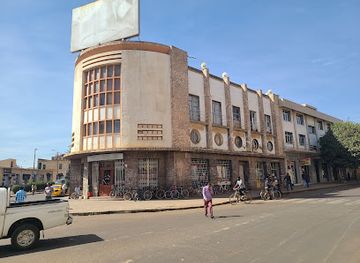
Asmara’s historic urban area is the defining landmark of Central Eritrea. Its celebrated buildings include the Fiat Tagliero service station, the Cinema Impero, the former Casa del Fascio, the Opera Theatre and distinctive villas, churches and commercial façades spread through the city rather than gathered in one monument complex. Their importance lies in the concentration of early twentieth-century Modernist and Art Deco design within a functioning African capital, a character recognised by UNESCO in 2017. The Cathedral of St Joseph, with its prominent bell tower, is one of the city’s most recognisable religious landmarks, while the Great Mosque of Asmara reflects the capital’s Islamic heritage and diverse urban history. The Al Khulafa al Rashiudin Mosque is also notable for its architectural presence. Away from central Asmara, the highland setting itself becomes the principal geographical landmark: broad ridges, cultivated plateaux and steep valleys shape the approaches to the city. These landscapes are best appreciated from authorised road journeys and viewpoints, since access, photography and travel beyond the capital can be regulated.
-
Historical landmark
Fiat Tagliero ፡ፍያት ታሌሮ
Explore the historic Fiat Tagliero in Asmara, Eritrea - a breathtaking Art Deco landmark showcasing the city’s rich architectural heritage.
-
Catholic cathedral
ኣስመራ ካቴድራል | Cathedral Our Lady of the Rosary
Discover the beauty and spirituality of Asmara's Cathedral of Our Lady of the Rosary, a neo-Romanesque architectural gem and a key cultural landmark in Eritrea.
-
Mosque
Khulafa al-Rashidun Mosque - ጃምዕ ኹለፋእ ኣልራሺዲን
Discover the architectural beauty and spiritual serenity of Khulafa al-Rashidun Mosque, a cultural gem in Asmara, Eritrea.
-
National park
Dahlak Marine National Park
Explore the breathtaking beauty of Dahlak Marine National Park, a serene national park in Eritrea known for its vibrant marine life and stunning landscapes.


Explore Central Eritrea on the map
Plan your trip on one map. See where the top cities, national parks and sights are, and book hotels and experiences in a few clicks.
Best hotels in Central Eritrea
Best restaurants in Central Eritrea
Dining in Central Eritrea is centred on Asmara and combines highland Eritrean traditions with influences from the wider Horn of Africa and the city’s Italian colonial history. Injera, the fermented flatbread made from teff and other grains, is commonly served with stews such as zigni, lentils, vegetables and meat, while vegetarian dishes are especially important during Orthodox fasting periods. Eritrean coffee is prepared ceremonially in many homes and traditional settings, and coffee houses remain part of Asmara’s daily social life. Italian-style pasta, pizza and espresso are established elements of the capital’s food culture, though they should not obscure the region’s local cuisines. Restaurants, modest cafés, bakeries and hotel dining rooms provide most organised meals; beyond Asmara, choices become more limited and should be arranged as part of an authorised journey. Markets can offer bread, grains, pulses, fruit and seasonal produce, but visitors should use reputable establishments and take sensible care with water and food hygiene.
-
Restaurant
Ghibabo Restaurant And Pizzeria
Experience authentic Eritrean flavors and delicious pizzas at Ghibabo Restaurant And Pizzeria in Asmara.
-
Restaurant
Spaghetti And Pizza House
Discover the exquisite blend of Eritrean and Italian cuisine at Spaghetti And Pizza House in Asmara.
-
Italian
Al Sicomoro Restaurant
Experience authentic Italian cuisine at Al Sicomoro Restaurant in Asmara - a culinary gem offering exquisite dishes and a warm atmosphere.
-
Eritrean
Golden Fork Fast Food
Experience authentic Eritrean fast food at Golden Fork in Asmara - where tradition meets convenience.


Best bars in Central Eritrea
Asmara’s evening life is relatively restrained and is focused more on cafés, restaurants, traditional coffee settings and hotel or neighbourhood bars than on a large nightclub circuit. Italian-influenced cafés and modest gathering places contribute to the capital’s distinctive streetscape, while evenings may also centre on family visits and community life. A small number of venues may offer music or dancing, but opening arrangements and availability can change, so current local information is more reliable than assuming a fixed nightlife district. Outside Asmara, evening options are considerably quieter and usually consist of locally used cafés, restaurants or hotel facilities. Respect local customs, dress appropriately and avoid treating alcohol as the defining feature of the region’s social life.
-
Cafe
Bar Pasticceria Vittoria
Discover the sweet flavors of Asmara at Bar Pasticceria Vittoria, a must-visit café for pastries and authentic Eritrean coffee.
-
Cafeteria
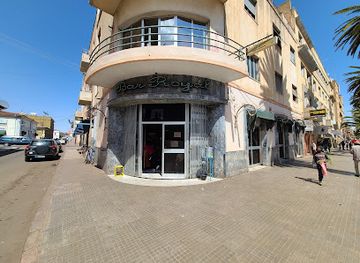
Bar Royal
Discover the vibrant flavors of Eritrea at Bar Royal, Asmara's charming cafeteria offering delightful local dishes and traditional coffee experiences.
-
Restaurant
Admas Restaurant & Bar
Experience the vibrant flavors of Eritrea at Admas Restaurant & Bar, where culinary tradition meets modern dining in Asmara.
-
Bar
Bar selam ባር ሰላም ( እንዳ ሳባ)
Discover the lively atmosphere of Bar Selam in Adi Kontsi, Eritrea, where local culture meets a welcoming social scene.


Best nightclubs in Central Eritrea
Asmara’s evening life is relatively restrained and is focused more on cafés, restaurants, traditional coffee settings and hotel or neighbourhood bars than on a large nightclub circuit. Italian-influenced cafés and modest gathering places contribute to the capital’s distinctive streetscape, while evenings may also centre on family visits and community life. A small number of venues may offer music or dancing, but opening arrangements and availability can change, so current local information is more reliable than assuming a fixed nightlife district. Outside Asmara, evening options are considerably quieter and usually consist of locally used cafés, restaurants or hotel facilities. Respect local customs, dress appropriately and avoid treating alcohol as the defining feature of the region’s social life.
-
Cafeteria
Bar Royal
Discover the cozy charm of Bar Royal, a delightful cafeteria in Asmara offering a taste of local Eritrean flavors and a welcoming atmosphere.
-
Bar
Bar Jima
Discover the vibrant atmosphere of Bar Jima in Asmara, where local culture meets refreshing drinks in a lively social setting.
-
Grill
Bar Zilli
Experience the best of Eritrean and Italian cuisine at Bar Zilli in Asmara, where every meal tells a story.
-
Night club
Disco Club
Discover the vibrant nightlife of Mitsiwa at the Disco Club, where electrifying music and a lively atmosphere await every night.

Best shops in Central Eritrea
Shopping in Central Eritrea is concentrated in Asmara’s established commercial streets, markets and small independent shops rather than large modern retail complexes. Visitors can look for woven fabrics, modest jewellery, leather goods, household crafts, books, coffee and packaged local foods, although quality and availability vary and bargaining should remain courteous. Markets are useful for observing everyday commerce and buying fruit, bread, grains and spices, but official restrictions may apply to the export of antiques, archaeological objects or culturally significant materials. Asmara’s cafés and bakeries provide edible reminders of the city’s highland and Italian-influenced food culture, while locally roasted coffee is a practical and recognisable purchase when properly packaged. Outside the capital, villages and smaller settlements have limited retail choice, so buy essentials in Asmara before an authorised rural excursion. Avoid purchasing antiquities or objects presented as archaeological finds, and retain receipts for substantial purchases where available.
-
Coffee shop
Dolce Vita
Discover the charm of Dolce Vita, Asmara's premier coffee and pastry shop, offering a delightful taste of Eritrean flavors.
-
Grocery store
Family Supermarket
Explore authentic Eritrean flavors at Family Supermarket in Asmara, where local goods and a welcoming atmosphere await.
-
Store
Kahawta
Explore Kahawta in Asmara for unique crafts and authentic Eritrean culture, perfect for memorable souvenirs.
-
Supermarket
Wikianos Supermarket
Discover the flavors of Eritrea at Wikianos Supermarket, where local ingredients and international products meet in a vibrant shopping experience.


Get your free copy of our complete guide to Central Eritrea, delivered straight to you.
Everything on this page, from attractions and restaurants to essentials and local phrases, in one PDF you can read offline, print or share.
Already have an account? Sign in
Your Central Eritrea guide is ready.
We'll send it to · Not you? Sign out

Getting your guide ready…
We are putting together a fresh copy of the Central Eritrea guide. This can take up to a minute.
This can take a few moments. If your browser asks, choose Allow so the download can start. You'll find the guide in your Downloads folder.
Nothing happened? Download it again
Sorry, the guide is taking longer than usual. Please try again in a minute, or get it by email instead.
Central Eritrea essentials
Currency and Payment
Safety
Emergency Situations
Do's and Don'ts
Local Tips
From Eve
Local phrases worth knowing
You don't need to get them perfect. A few words go a long way, and locals appreciate the effort.
Basics
| English | Local | Say it |
|---|---|---|
| Hello | Selam | [Se-lam] |
| Goodbye | Dehan | [De-han] |
| Yes | Iye | [I-ye] |
| No | Aydelem | [Ay-de-lem] |
| Please/You're welcome | Beka | [Be-ka] |
| Thank you | Yekenyeley | [Ye-ke-ne-ley] |
| Excuse me/Sorry | Ayned | [Ay-ned] |
| How are you? | Kemey alekhi? | [Ke-me-ye a-le-khi] |
| Fine. And you? | Tigab, kemey alekhi? | [Ti-ga-b, ke-me-ye a-le-khi] |
| Do you speak English? | Englizi tselam? | [En-gli-zi te-se-lam] |
| I don't understand | Ayned alen | [Ay-ned a-len] |
Eating & Drinking
| English | Local | Say it |
|---|---|---|
| I'd like to see the menu, please | Menyu yibel, beka | [Me-nu yi-bel, be-ka] |
| I don't eat meat | Ana bastey alen | [A-na bas-tey a-len] |
| Cheers! | Leben! | [Le-ben] |
| I would like to pay, please | Ayna b'ay, beka | [Ay-na b'ay, be-ka] |
Emergencies
| English | Local | Say it |
|---|---|---|
| Help! | Yemay! | [Ye-may] |
| Go away! | Yemen alen! | [Ye-men a-len] |
| Call the Police! | Polis zemen! | [Po-lis ze-men] |
| Call a doctor! | Daktari zemen! | [Dak-ta-ri ze-men] |
| I'm lost | Ana t'ekel | [A-na te-kel] |
| I'm ill | Ana marz | [A-na marz] |
Shopping
| English | Local | Say it |
|---|---|---|
| I'd like to buy... | Ayna hager... | [Ay-na ha-ger] |
| I'm just looking | Ana semay alen | [A-na se-may a-len] |
| How much is it? | Kemey yebla? | [Ke-me-ye ye-bla] |
| That's too expensive | Yekeb alay | [Ye-ke-b a-lay] |
| Can you lower the price? | Aye kemey hager? | [A-ye ke-me-ye ha-ger] |
Time & Numbers
| English | Local | Say it |
|---|---|---|
| What time is it? | Kemey zemen? | [Ke-me-ye ze-men] |
| It's one o'clock | K'ulu zemen | [Ku-lu ze-men] |
| Half past (10) | Haf zemen (10) | [Haf ze-men (10)] |
| Morning | B'ehra | [Be-hra] |
| Afternoon | B'eyta | [Be-yi-ta] |
| Evening | B'ila | [Bi-la] |
| Yesterday | K'ulu zemen | [Ku-lu ze-men] |
| Today | Zemeni | [Ze-me-ni] |
| Tomorrow | K'ulu zemen | [Ku-lu ze-men] |
| 1 | K'ulu | [Ku-lu] |
| 2 | K'ulu zey | [Ku-lu ze-y] |
| 3 | K'ulu selah | [Ku-lu se-lah] |
| 4 | K'ulu arbat | [Ku-lu ar-bat] |
| 5 | K'ulu hamus | [Ku-lu ha-mus] |
| 6 | K'ulu s'ey | [Ku-lu s-ey] |
| 7 | K'ulu sebat | [Ku-lu se-bat] |
| 8 | K'ulu semen | [Ku-lu se-men] |
| 9 | K'ulu t'sah | [Ku-lu t-sa-h] |
| 10 | K'ulu asir | [Ku-lu a-sir] |
Transport & Directions
| English | Local | Say it |
|---|---|---|
| Where's a/the...? | Ayk'ele b'...? | [Ay-ke-le b'...] |
| What's the address? | Kemey b'zi zemen? | [Ke-me-ye b'zi ze-men] |
| Can you show me (on the map)? | Aye t'eyhu (b'zi)? | [A-ye te-y-hu (b'zi)] |
| When's the next (bus)? | K'emey t'eyhu (bus)? | [Ke-me-ye te-y-hu (bus)] |
| A ticket (to ....) | B'ilet (b'....) | [Bi-let (b'....)] |
History of Central Eritrea
Highland Kingdoms and Early Christianity
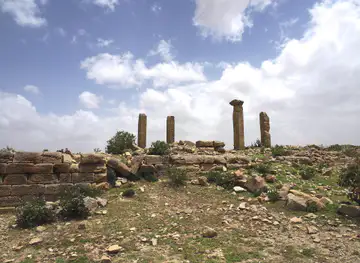
The central Eritrean plateau formed part of the wider northern Horn of Africa highland world connected with ancient Aksumite civilisation. Archaeological and religious traditions point to long-established farming communities, stone construction and trade routes linking the interior with the Red Sea. Christianity became deeply rooted in the highlands from late antiquity, particularly through the Ethiopian Orthodox tradition, while Islamic communities and influences also developed along regional trade networks. Many later settlements and church landscapes cannot be understood without this long interaction between highland agriculture, religious institutions and routes running towards the coast.
Medieval and Early Modern Highland Politics
After the Aksumite period, authority in the northern highlands was exercised through changing local and regional powers rather than a single uninterrupted state. The plateau was connected to the Christian kingdoms of the Ethiopian highlands, while Muslim sultanates and Red Sea trading networks influenced the surrounding lowlands and routes. Communities organised around farming, pastoralism, religious institutions and local authorities, with control of passes and water sources carrying strategic importance. This political geography helped shape the settlements and cultural distinctions encountered around modern Asmara and the central plateau.
Red Sea Rivalries and the Formation of Colonial Eritrea
During the nineteenth century, Ottoman-Egyptian influence, local rulers and European imperial ambitions competed around the Red Sea. Italy established a colony in Eritrea in the 1880s and gradually consolidated control over the highlands. Asmara grew from a highland settlement into the colonial capital, its streets, public buildings and infrastructure reflecting Italian administrative and architectural ambitions. Colonial rule also involved land policies, labour systems, racial segregation and military mobilisation, leaving a complicated legacy that remains visible in the city’s built environment and in historical memories.
Asmara and Italian Modernist Urbanism
From the 1930s, Asmara underwent rapid expansion as Italy developed Eritrea as a base for its East African ambitions. Architects created rationalist and Futurist-influenced buildings, cinemas, churches, villas, workshops and commercial premises, while roads and services reshaped the capital. The resulting urban ensemble is significant not simply for individual façades but for the concentration and coherence of its Modernist planning. The city’s architecture later survived war and political change, and in 2017 Asmara’s historic urban landscape was inscribed on the UNESCO World Heritage List.
British Administration and Federal Association
After Italy’s defeat in the Second World War, British military administration governed Eritrea while the territory’s future was debated internationally. In 1952, Eritrea entered a federation with Ethiopia under a United Nations arrangement, retaining institutions that were gradually weakened. The central highlands, and Asmara in particular, became important administrative and political centres during this period. The federation was ended by Ethiopia’s annexation of Eritrea in 1962, a decision that intensified opposition and set the constitutional context for the armed struggle that followed.
The Independence Struggle and Liberation of Asmara
The Eritrean War of Independence lasted from 1961 until 1991, when the Eritrean People’s Liberation Front took control of Asmara after Ethiopia’s military government collapsed. The conflict caused extensive displacement, loss of life and economic damage across Eritrea, including the central highlands. Asmara’s capture was a decisive moment because it transferred the political centre without the prolonged urban destruction seen in some other conflicts. Eritrea formally achieved independence in 1993 after a referendum, and Asmara became the capital of the new state.
Contemporary Asmara and the Preservation of a Historic City
Since independence, Asmara has served as Eritrea’s principal governmental, educational and cultural centre. Its colonial-era buildings have continued to function alongside later construction, Orthodox and Catholic religious landmarks, markets, cafés and residential districts. International recognition of the historic city has encouraged attention to conservation, although maintenance, development pressures and limited resources present continuing challenges. The result is a living urban heritage rather than a museum quarter: visitors encounter a city shaped by Italian planning, Eritrean social life, post-independence statehood and the wider history of the Horn of Africa.
Central Eritrea in Photos
Browse through our photo collection highlighting the charm and character of the destination.
Neighbouring regions of Central Eritrea
The closest regions to Central Eritrea, if you have time for more than one.
-

-

-

-
-


Swipe for more regions
Explore more

Explore more of Eritrea
Discover Eritrea: A land of ancient history, stunning coastlines, and vibrant cultures nestled in the heart of the Horn of Africa.
Explore Eritrea