

Free Zoba Debub Travel Guide & Mobile App
Explore Zoba Debub with free travel guides. Discover regional history, expert tips, proposed trips, and audio guides on web or mobile app.


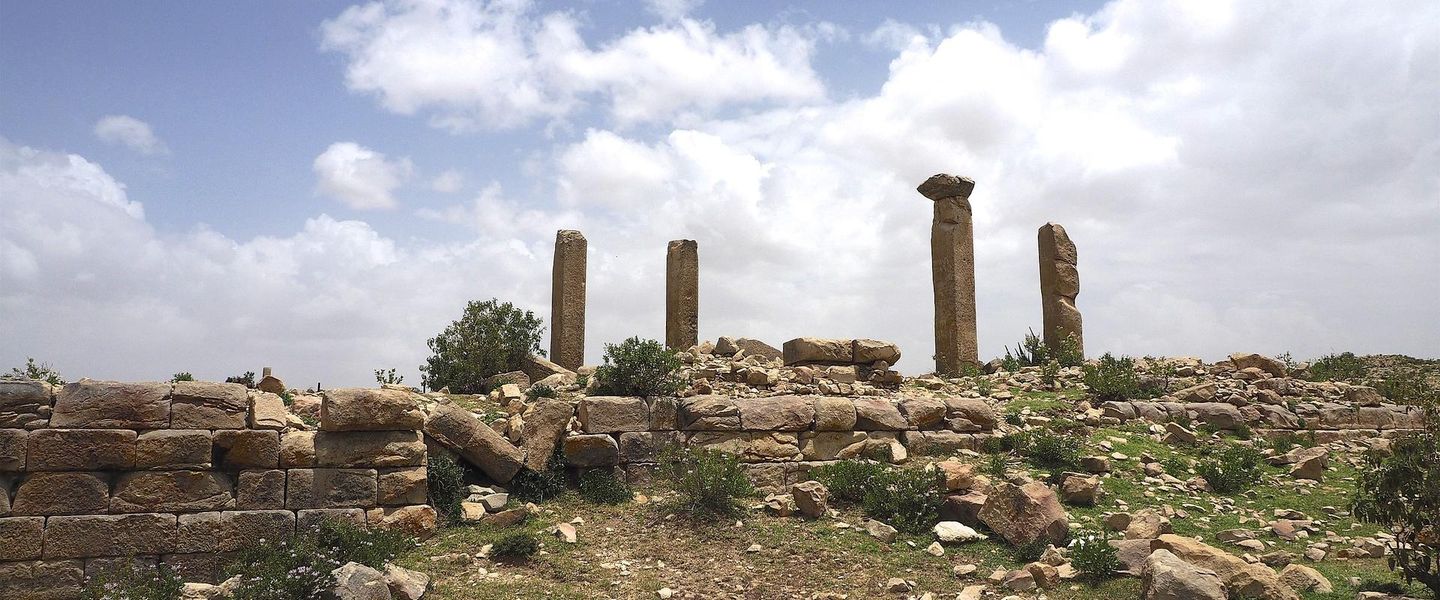


Explore Zoba Debub’s Eritrean highlands, ancient Qohaito and Metera, market towns, mountain landscapes and distinctive Tigrinya food traditions.
Read more about Zoba Debub
When is the best time to visit Zoba Debub?
Best: March–April, November · 24–26°C| Month | High (°C) | Rainfall (mm) |
|---|---|---|
| January | 20 | 5 |
| February | 21 | 5 |
| March (best) | 24 | 10 |
| April (best) | 26 | 15 |
| May | 28 | 20 |
| June | 30 | 25 |
| July | 31 | 30 |
| August | 31 | 30 |
| September | 29 | 25 |
| October | 27 | 20 |
| November (best) | 25 | 15 |
| December | 22 | 10 |
Getting to and around Zoba Debub
How to get there
Transportation
Top city travel guides in Zoba Debub
The cities of Zoba Debub, and the easiest places to base yourself.
-

-

-

-

-


Swipe for more cities
Destinations in Zoba Debub
Resorts, valleys and scenic spots worth a trip of their own.

Swipe for more destinations
Best attractions in Zoba Debub
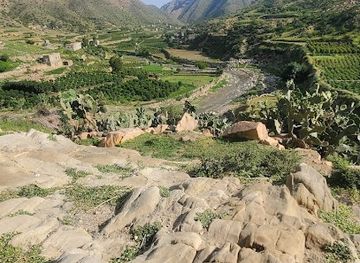
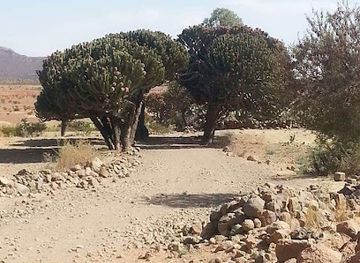
Zoba Debub’s attractions are spread across a highland landscape rather than concentrated in a single tourism centre. The principal draw is the archaeological area around Qohaito, near Adi Keyh, where ancient settlement remains, stone structures and agricultural terraces occupy an elevated plateau with extensive views. Metera, near Senafe, offers another important window onto ancient highland society and the region’s connections with wider Aksumite-era networks. These sites are best approached with an authorised guide and realistic expectations about limited interpretation and facilities. The region also rewards travellers interested in scenery: roads pass through cultivated uplands, rocky valleys, escarpment country and settlements shaped by seasonal farming. Senafe is a useful base for exploring the southern highlands, while Mendefera provides a more everyday experience of markets, cafés and urban life. Churches, village landscapes and small local museums or cultural collections may be accessible depending on permissions and current arrangements. Outdoor exploration is possible around the plateaux and mountain country, but it should be planned as a supported excursion rather than spontaneous wilderness travel because of restricted areas, scarce services and uneven road access.
-
Tourist attraction
ዲጋ ሰሞሞ(Semomo Dam)
Experience the serene beauty of Semomo Dam, a tranquil tourist attraction in Adi Kuala, perfect for relaxation and exploring nature.
-
 Tourist attraction
Ksademba
Discover the enchanting beauty and rich history of Ksademba, a must-visit tourist attraction in Senafe, Eritrea.
-
Tourist attraction
Moutain Soira
Discover the breathtaking views and serene nature of Mountain Soira, a must-visit tourist attraction in Eritrea for outdoor enthusiasts and culture seekers.
-
Garden
Ruba bur
Discover the serene beauty of Ruba Bur in Adi Keyh, Eritrea - a tranquil garden perfect for relaxation and exploration amidst nature.

Best landmarks in Zoba Debub
-
Hotel
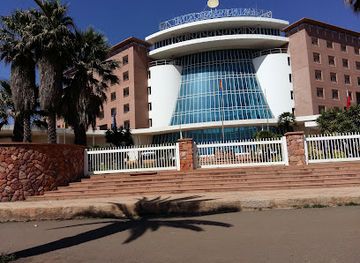
Asmara Palace Hotel
Discover the elegance of Asmara Palace Hotel, where luxury meets tradition in the heart of Eritrea's capital.
-
Historical landmark
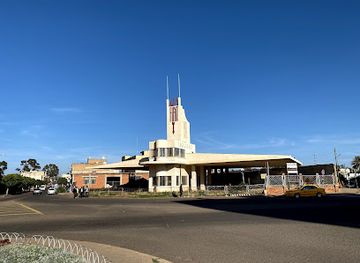
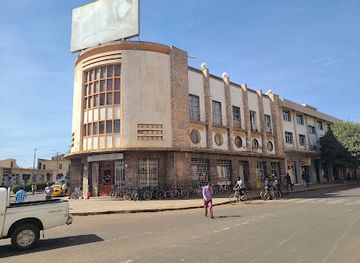
Fiat Tagliero ፡ፍያት ታሌሮ
Explore the Fiat Tagliero, an architectural masterpiece in Asmara, Eritrea, blending history and modernist design in a vibrant urban setting.
-
Catholic cathedral
ኣስመራ ካቴድራል | Cathedral Our Lady of the Rosary
Discover the breathtaking Cathedral Our Lady of the Rosary in Asmara, a stunning architectural masterpiece and a center of faith and culture in Eritrea.
-
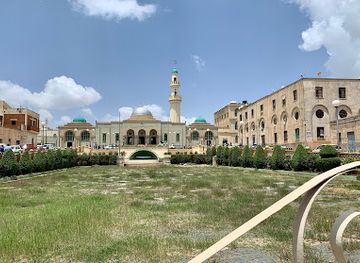
Mosque
Khulafa al-Rashidun Mosque - ጃምዕ ኹለፋእ ኣልራሺዲን
Explore the serene beauty and architectural splendor of Khulafa al-Rashidun Mosque in Asmara, a symbol of Eritrea's rich Islamic heritage.

Explore Zoba Debub on the map
Plan your trip on one map. See where the top cities, national parks and sights are, and book hotels and experiences in a few clicks.
Best hotels in Zoba Debub
Best restaurants in Zoba Debub
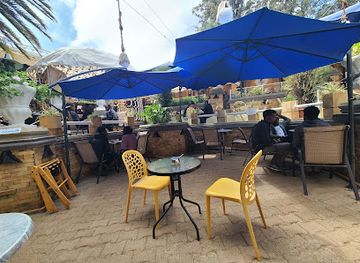
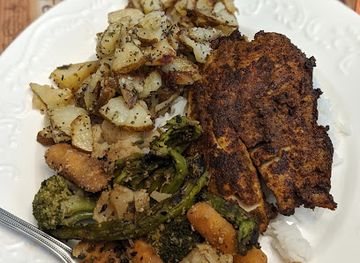
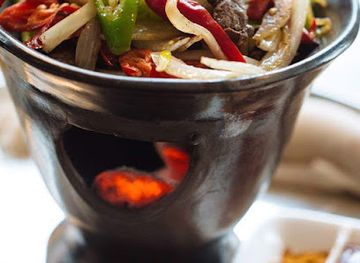
Dining in Zoba Debub is rooted in Eritrea’s highland food culture rather than a specialised restaurant scene. In Mendefera, Adi Keyh and Senafe, visitors are likely to encounter injera served with tsebhi stews, lentils, beans, vegetables and meat, with the sour flatbread providing the base for communal eating. Shiro, a finely ground pulse stew, is a common and useful vegetarian choice, while coffee ceremonies may form part of social hospitality when arranged through local hosts. Cafés and modest restaurants tend to be more practical than formal dining rooms, and menus may be limited outside larger towns. Produce reflects the agricultural highlands, including grains, pulses and seasonal vegetables, while tea and coffee are widely available. Visitors should carry snacks for archaeological excursions because Qohaito and Metera have limited food provision nearby. Dietary requirements are best explained clearly in advance, and travellers should expect mealtimes, availability and service style to follow local rhythms rather than international tourism schedules.
-
Restaurant
Ghibabo Restaurant And Pizzeria
Experience the perfect blend of Eritrean hospitality and Italian cuisine at Ghibabo Restaurant And Pizzeria in Asmara.
-
Italian
Casa degli Italiani Restaurant
Experience authentic Italian flavors at Casa degli Italiani Restaurant in Asmara - where every meal tells a story.
-
Eritrean
Adi fnin ዓደ ፍኒን
Savor authentic Eritrean flavors at Adi Fnin - where every meal is a cultural journey.
-
Eritrean
Eritrean Asmeea Senbel
Experience the rich flavors of Eritrea at Asmeea Senbel, where tradition meets taste in every delicious dish.
Best bars in Zoba Debub
Nightlife in Zoba Debub is modest and concentrated in the larger towns, particularly Mendefera, rather than organised around a major club district. Evening social life generally centres on cafés, restaurants, traditional bars and informal gatherings, with conversation and coffee often more prominent than late-night entertainment. Adi Keyh and Senafe may offer simple places to eat or have a drink, but visitors should not assume consistent opening hours, extensive menus or a large choice of venues. In rural areas, evenings become quiet soon after dark, especially for travellers staying near archaeological sites or travelling between towns. Alcohol is available in some establishments, but it is not necessary to participate in local social life, and visitors should follow local expectations around public behaviour and dress. Ask accommodation staff or an authorised local contact about currently operating venues rather than relying on outdated listings.
-
Bar
Bar Jima
Experience the essence of Asmara at Bar Jima, where vibrant culture meets exceptional drinks in a lively atmosphere.
-
Grill
Bar Zilli
Experience the vibrant flavors of Eritrea at Bar Zilli, where delicious grilled dishes meet an inviting atmosphere in the heart of Asmara.
-
Bar
Goitom's Bar and Restaurant
Experience authentic Eritrean cuisine and vibrant culture at Goitom's Bar and Restaurant in Asmara.
-
Eritrean
Adi fnin ዓደ ፍኒን
Discover the rich flavors of Eritrean cuisine at Adi Fnin, a must-visit restaurant in Debub Zone for an authentic dining experience.

Best nightclubs in Zoba Debub
Nightlife in Zoba Debub is modest and concentrated in the larger towns, particularly Mendefera, rather than organised around a major club district. Evening social life generally centres on cafés, restaurants, traditional bars and informal gatherings, with conversation and coffee often more prominent than late-night entertainment. Adi Keyh and Senafe may offer simple places to eat or have a drink, but visitors should not assume consistent opening hours, extensive menus or a large choice of venues. In rural areas, evenings become quiet soon after dark, especially for travellers staying near archaeological sites or travelling between towns. Alcohol is available in some establishments, but it is not necessary to participate in local social life, and visitors should follow local expectations around public behaviour and dress. Ask accommodation staff or an authorised local contact about currently operating venues rather than relying on outdated listings.
-
Disco club
West End
Unleash your spirit at West End, Asmara's leading disco club, where vibrant beats and lively dancing create an unforgettable nightlife experience.
Best shops in Zoba Debub
Shopping in Zoba Debub is centred on market-town commerce rather than large retail complexes. Mendefera offers the broadest choice of everyday goods, clothing, household items and locally traded produce, while Adi Keyh and Senafe serve their surrounding agricultural communities with smaller markets and shops. Visitors may find grains, pulses, coffee, spices and other food products associated with Eritrea’s highland economy, although packaging and availability vary. Craft purchases are likely to be modest and locally made rather than organised through a developed souvenir industry; ask about provenance and buy respectfully, especially where religious or archaeological imagery is involved. Markets are useful places to observe ordinary trade, but photography should be requested first. There is little reason to expect international brands, extensive bookshops or formal designer shopping outside Asmara. Carry enough cash in nakfa, inspect goods carefully and allow for changing market days and opening arrangements when planning purchases.
-
Grocery store
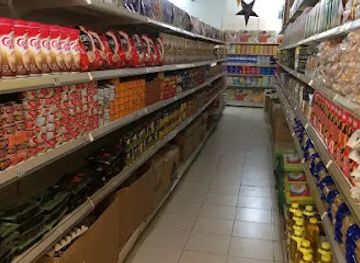
Family Supermarket
Explore a local treasure in Asmara, Family Supermarket offers a delightful range of Eritrean and international products for every traveler.
-
Clothing store
Yemane Express
Explore the vibrant clothing styles of Eritrea at Yemane Express in Senafe, where local craftsmanship meets modern fashion.
-
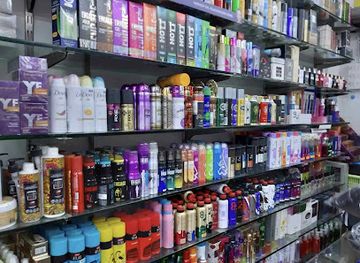
Cosmetics store
KOKOB SHOP ኮኾብ ሾፕ
Explore the vibrant beauty of Eritrea at KOKOB SHOP ኮኾብ ሾፕ, your go-to destination for quality cosmetics and skincare in Asmara.
-
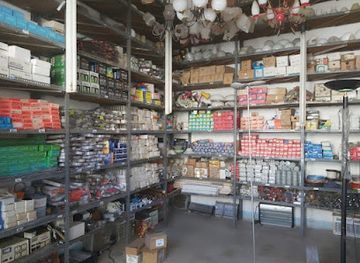
Electrical supply store
Kassa Asfaha Electric Shop (ካሳ ኣስፋሃ ናይ ኢሊክትሪክ ኣቑሑት መሸጣ)
Discover quality electrical supplies at Kassa Asfaha Electric Shop in Asmara, Eritrea, where expert advice and a wide selection await.

Get your free copy of our complete guide to Zoba Debub, delivered straight to you.
Everything on this page, from attractions and restaurants to essentials and local phrases, in one PDF you can read offline, print or share.
Already have an account? Sign in
Your Zoba Debub guide is ready.
We'll send it to · Not you? Sign out

Getting your guide ready…
We are putting together a fresh copy of the Zoba Debub guide. This can take up to a minute.
This can take a few moments. If your browser asks, choose Allow so the download can start. You'll find the guide in your Downloads folder.
Nothing happened? Download it again
Sorry, the guide is taking longer than usual. Please try again in a minute, or get it by email instead.
Zoba Debub essentials
Currency and Payment
Safety
Emergency Situations
Do's and Don'ts
Local Tips
From Eve
Local phrases worth knowing
You don't need to get them perfect. A few words go a long way, and locals appreciate the effort.
Basics
| English | Local | Say it |
|---|---|---|
| Hello | ሰላም | [Selam] |
| Goodbye | ደህና ምልከታ | [Dehna miliketa] |
| Yes | አዎን | [Awen] |
| No | አይ | [Ay] |
| Please/You're welcome | እቅፍ/የተቀበሉ | [Iqif/Yetekebelu] |
| Thank you | አመሰግናለሁ | [Amesegenallo] |
| Excuse me/Sorry | እቅፍ እባክህ/ይቅርታ | [Iqif ibakih/Yiqirta] |
| How are you? | እንዴት ነህ? | [Endet neh?] |
| Fine. And you? | ደህና ነኝ። እናንተ? | [Dehna nen. Enante?] |
| Do you speak English? | እንግሊዝኛ ትናገራለህ? | [Engilizgna tinageraleh?] |
| I don't understand | አልተረዳኩም | [Alteradakum] |
Eating & Drinking
| English | Local | Say it |
|---|---|---|
| I'd like to see the menu, please | መነዝር እባክህ እንዲወደይ | [Menazer ibakih endiwedei] |
| I don't eat meat | በግሥት አልበላም | [Begist albelam] |
| Cheers! | እንቁጥብ! | [Enqutub!] |
| I would like to pay, please | እባክህ ክፍል እፈልጋለሁ | [Ibakih kifel ifelgallo] |
Emergencies
| English | Local | Say it |
|---|---|---|
| Help! | እርዳታ! | [Erdata!] |
| Go away! | ሂይ! | [Hiy!] |
| Call the Police! | ፖሊስ ጥርዓን እባክህ! | [Polis t'ra'an ibakih!] |
| Call a doctor! | ዶክተር ጥርዓን እባክህ! | [Dokter t'ra'an ibakih!] |
| I'm lost | እኔ ተገኝቻለሁ | [Ene tegengichalehu] |
| I'm ill | እኔ በሽታ እንደኛ | [Ene beshita endegna] |
Shopping
| English | Local | Say it |
|---|---|---|
| I'd like to buy... | እንደዚህ እገዛ እፈልጋለሁ... | [Endezi ifezza ifelgallo...] |
| I'm just looking | በቀላሉ እቀመጣለሁ | [Bekelalu eqemetalhu] |
| How much is it? | ዋጋው ምን ነው? | [Wagaw min new?] |
| That's too expensive | ይህ በጣም ውድ ነው | [Yih betam wed new] |
| Can you lower the price? | ዋጋውን ማነስ ይችላሉ? | [Wagawin manes yichilalu?] |
Time & Numbers
| English | Local | Say it |
|---|---|---|
| What time is it? | ምን ሰዓት ነው? | [Min se'at new?] |
| It's one o'clock | አንድ ሰዓት ነው | [And se'at new] |
| Half past (10) | ከ(10) ግማሽ ላይ | [Ke(10) gimash lay] |
| Morning | ጠዋት | [Tewhat] |
| Afternoon | ከሰዓት በኋላ | [Kes'at behwala] |
| Evening | ምሽት | [Mishit] |
| Yesterday | ወይዘር | [Weyzer] |
| Today | ዛሬ | [Zare] |
| Tomorrow | ነገ | [Nage] |
| 1 | 1 | [1] |
| 2 | 2 | [2] |
| 3 | 3 | [3] |
| 4 | 4 | [4] |
| 5 | 5 | [5] |
| 6 | 6 | [6] |
| 7 | 7 | [7] |
| 8 | 8 | [8] |
| 9 | 9 | [9] |
| 10 | 10 | [10] |
Transport & Directions
| English | Local | Say it |
|---|---|---|
| Where's a/the...? | የ... እየት ነው? | [Ye... eyet new?] |
| What's the address? | አድራሻ ምን ነው? | [Adirasha min new?] |
| Can you show me (on the map)? | በካርታ እንደምን ይታይኝ? | [Be karta endemin yitayen?] |
| When's the next (bus)? | ቀጣይ በስ ምን ነው? | [Ketai bes min new?] |
| A ticket (to ....) | ታክስ አንድ ወይዘር | [Taks and weyzer] |
History of Zoba Debub
Prehistoric and Pre-Aksumite Highland Settlements
The southern Eritrean highlands have long formed part of the northern Horn of Africa’s settlement and farming zone. Archaeological evidence around Qohaito and other plateaux points to organised communities, agricultural production and connections with Red Sea and inland trading networks before the rise of the medieval Christian kingdom of Aksum. The region’s elevated terrain offered defensible locations and cultivable land, while routes through the escarpment linked the interior with lower-lying areas. Surviving stone structures and terraces are important reminders that the highlands were not isolated from wider political and commercial developments.
Qohaito and the Aksumite World
Qohaito, near modern Adi Keyh, was one of the most important ancient archaeological landscapes in southern Eritrea. Its remains include settlement traces, monumental stone features, agricultural terraces and inscriptions associated with the wider cultural world of the northern Horn. The site is commonly discussed in relation to pre-Aksumite and Aksumite development, although individual structures and their dates require careful archaeological interpretation. Qohaito’s elevated position and links with routes towards the Red Sea help explain its significance as a centre of production, authority and exchange.
Metera and Ancient Highland Trade
Metera, close to Senafe, preserves the remains of another ancient highland settlement. Excavated material from the site demonstrates connections with the political and commercial networks that shaped the region in antiquity, including the period of Aksumite influence. Its location illustrates the importance of the southern plateau and escarpment corridors for movement between inland communities and the Red Sea world. Today, the open archaeological setting makes the site valuable not only for individual ruins and artefacts but also for understanding how ancient settlements were integrated into their surrounding agricultural landscape.
Christian Highland Kingdoms and Local Communities
Over the medieval and early modern periods, the southern highlands formed part of the wider Christian cultural sphere of the northern Horn, while local communities retained substantial control over agriculture, settlement and movement. Churches, oral traditions and place names reflect long-established Tigrinya-speaking Christian societies, alongside Muslim communities and other identities. Political authority shifted over time between local leaders and larger highland powers. Rather than producing a single uniform historical narrative, these centuries created the layered religious, linguistic and social landscape still visible across Zoba Debub.
Italian Colonial Rule and the Highland Economy
Italy incorporated Eritrea into its colonial system from the late nineteenth century and later made it part of Italian East Africa. Although the most prominent colonial urban architecture is concentrated in Asmara, Italian rule also affected the southern highlands through administrative boundaries, roads, agricultural policy and military activity. Mendefera, Adi Keyh and Senafe became part of a wider network linking the plateau to the colonial capital and the frontier. Colonial development was imposed through unequal political and economic structures, and its legacy must be understood alongside the disruption experienced by local communities.
War, Liberation and Independence
The southern highlands were deeply affected by Eritrea’s long struggle for independence from Ethiopia, which began after the federation with Ethiopia was dismantled and continued through armed conflict until 1991. Villages, roads and communities experienced displacement, military occupation and economic disruption. The 1998–2000 Eritrea–Ethiopia war again brought fighting and displacement to parts of the border region, particularly around contested areas near the southern frontier. Eritrea formally became independent in 1993, and the conflict’s political and security legacy continues to influence travel permissions and access in Zoba Debub.
Zoba Debub in Photos
Browse through our photo collection highlighting the charm and character of the destination.
Neighbouring regions of Zoba Debub
The closest regions to Zoba Debub, if you have time for more than one.
-

-

-

-

-


Swipe for more regions
Explore more

Explore more of Eritrea
Discover Eritrea: A land of ancient history, stunning coastlines, and vibrant cultures nestled in the heart of the Horn of Africa.
Explore Eritrea