

Free Highlands Travel Guide & Mobile App
Explore Highlands with free travel guides. Discover regional history, expert tips, proposed trips, and audio guides on web or mobile app.


Explore Eritrea’s Highlands through Asmara’s modernist architecture, mountain landscapes, historic communities, monastic traditions and Tigrinya cuisine.
Read more about Highlands
When is the best time to visit Highlands?
Best: April–May, October · 24–28°C| Month | High (°C) | Rainfall (mm) |
|---|---|---|
| January | 18 | 15 |
| February | 19 | 14 |
| March | 21 | 12 |
| April (best) | 24 | 10 |
| May (best) | 28 | 8 |
| June | 32 | 5 |
| July | 34 | 5 |
| August | 33 | 5 |
| September | 30 | 7 |
| October (best) | 26 | 9 |
| November | 20 | 12 |
| December | 17 | 14 |
Getting to and around Highlands
How to get there
Transportation
Top city travel guides in Highlands
The cities of Highlands, and the easiest places to base yourself.
-

-

-

-

-

-


Swipe for more cities
Destinations in Highlands
Resorts, valleys and scenic spots worth a trip of their own.
-

-


Swipe for more destinations
Best attractions in Highlands
The Eritrean Highlands offer a varied but relatively low-key collection of attractions. Asmara’s principal draw is its modernist urban fabric, best explored through its avenues, former cinemas, churches, cafés and civic buildings rather than through a single enclosed museum. The city’s markets and coffee houses add a contemporary dimension to its architectural heritage. Beyond the capital, the plateau provides agricultural scenery, stone-built villages and routes through cultivated valleys, while Dekemhare and Mendefera offer perspectives on highland town life and rural trade. Nefasit, on the eastern escarpment, is a starting point for locally arranged visits towards Debre Bizen, although religious access is controlled and should never be assumed. Keren lies on the warmer highland fringe and combines a busy market tradition with surrounding hills and important Second World War history. Walking, landscape photography and cultural observation are more realistic activities than developed adventure tourism, and facilities can be basic. Travellers should arrange permits, guides and transport in advance for destinations outside Asmara.
-
Tourist attraction
Fiat Tagliero ፡ፍያት ታሌሮ
Discover the architectural beauty of Fiat Tagliero in Asmara, a modernist landmark steeped in history and cultural significance.
-
Tourist attraction
Tank Graveyard
Discover the Tank Graveyard in Asmara, a unique tourist attraction showcasing the remnants of Eritrea's historical military past among breathtaking landscapes.
-
 Nature preserve
Manzanar Project
Experience the breathtaking beauty and tranquility of the Manzanar Project, a captivating nature preserve in Mitsiwa, Eritrea, perfect for nature lovers.
-
Semenawi Bahri National Park
Explore the breathtaking landscapes and rich biodiversity of Semenawi Bahri National Park, a true natural wonder in Eritrea.


Best landmarks in Highlands
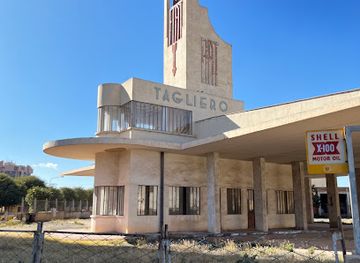
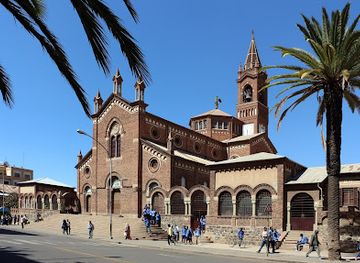
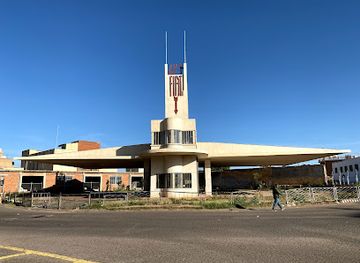
Asmara’s modernist cityscape is the region’s most recognisable landmark landscape. The Fiat Tagliero service station, shaped like an aeroplane with dramatic projecting wings, is an especially memorable example of the city’s Italian-era futurist architecture, while Cinema Impero, the Roman Catholic Cathedral and other central buildings show how commercial, religious and civic design developed together during the colonial period. Their significance lies not only in visual style but also in the urban history of a city built through colonial power and Eritrean labour. Beyond Asmara, the eastern escarpment creates a powerful geographical landmark, with Nefasit marking the transition from elevated plateau towards the lower country. Debre Bizen occupies a mountain site above this route and is an important Orthodox monastic centre, although access is subject to religious and practical restrictions. The highland ridges around Keren and the cultivated slopes near Mendefera provide a contrasting natural setting, where settlement, agriculture and exposed rock define the landscape more strongly than monumental architecture.
-
Hotel
Asmara Palace Hotel
Discover the luxurious Asmara Palace Hotel in Eritrea, where elegance meets comfort in the heart of the capital.
-
Historical landmark
Fiat Tagliero ፡ፍያት ታሌሮ
Explore the architectural marvel of Fiat Tagliero, a historical landmark in Asmara, showcasing Eritrea's modernist heritage and rich cultural narrative.
-
Catholic cathedral
ኣስመራ ካቴድራል | Cathedral Our Lady of the Rosary
Discover the architectural beauty and cultural significance of the Cathedral Our Lady of the Rosary in Asmara, Eritrea's iconic Catholic cathedral.
-
Mosque
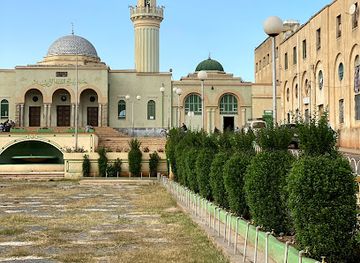
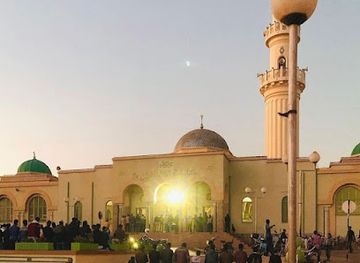
Khulafa al-Rashidun Mosque - ጃምዕ ኹለፋእ ኣልራሺዲን
Discover the Khulafa al-Rashidun Mosque in Asmara, a breathtaking architectural gem offering insight into Eritrea's rich Islamic heritage.

Explore Highlands on the map
Plan your trip on one map. See where the top cities, national parks and sights are, and book hotels and experiences in a few clicks.
Best hotels in Highlands
Best restaurants in Highlands
Highland dining is centred on injera, the fermented flatbread traditionally served with shared portions of stews, pulses, vegetables and meat. Zigni, a spiced meat stew, is widely associated with Eritrean cooking, while shiro, lentil and bean dishes, sautéed vegetables and salads provide substantial meat-free choices. Meals are commonly accompanied by local bread, tea or coffee, and a traditional coffee ceremony may involve roasting, grinding and serving beans in several rounds. Asmara has the broadest selection of cafés, bakeries and restaurants, including places influenced by the city’s Italian colonial history and more contemporary Eritrean tastes. In smaller highland towns, dining is more likely to centre on modest restaurants, tea rooms and family-run establishments, with menus shaped by seasonal availability. Travellers should expect slower service, shared tables in some settings and limited card payment. Food-producing districts around the plateau contribute grains, pulses, vegetables and livestock to the regional diet.
-
Restaurant
Ghibabo Restaurant And Pizzeria
Discover exquisite Eritrean-Italian cuisine at Ghibabo Restaurant And Pizzeria in Asmara – where every meal is a celebration of flavor.
-
Eritrean
Golden Fork Fast Food
Discover authentic Eritrean flavors at Golden Fork Fast Food in Asmara – where every bite tells a story.
-
Italian
Al Sicomoro Restaurant
Experience authentic Italian cuisine at Al Sicomoro Restaurant in Asmara - where every meal is a delightful journey through Italy's rich culinary heritage.
-
Restaurant
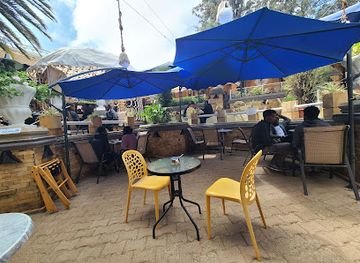
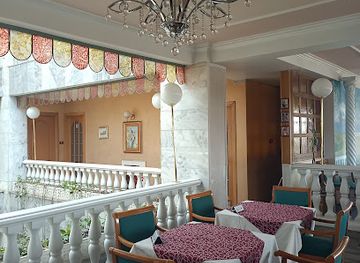
The Roof Garden
Discover exquisite dining at The Roof Garden in Asmara—where delicious cuisine meets stunning city views.


Best bars in Highlands
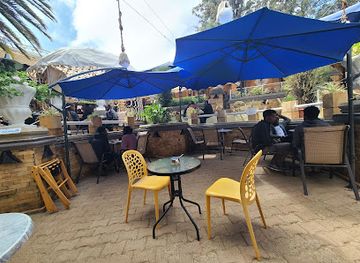
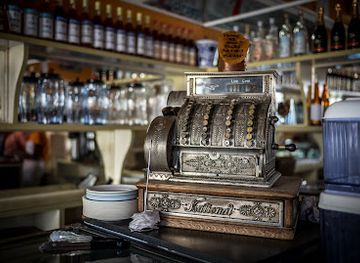
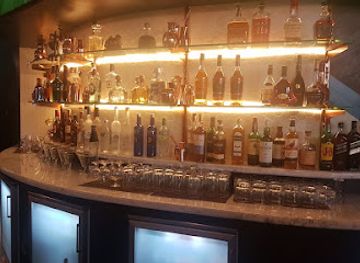
Evening life in the Eritrean Highlands is concentrated in Asmara, where cafés, traditional bars, restaurants and a small number of music-oriented venues provide the main social settings. The city’s Italian-era cafés contribute to its distinctive evening atmosphere, but nightlife is generally restrained rather than built around large clubs or late-night entertainment districts. Local beer and soft drinks are available in established venues, while coffee remains just as important a part of social life as alcohol. In Keren, Dekemhare, Mendefera and smaller towns, evenings usually revolve around cafés, restaurants, family visits and occasional music rather than a formal club scene. Opening arrangements can change and may be affected by local regulations, so visitors should ask accommodation staff or trusted local contacts about current options. Public behaviour should remain discreet, especially near religious sites and residential areas.
-
Restaurant
Ghibabo Restaurant And Pizzeria
Experience the flavors of Eritrea and Italy at Ghibabo Restaurant And Pizzeria in Asmara, where every meal is a celebration of culinary art.
-
Eritrean
Golden Fork Fast Food
Discover the delicious flavors of Eritrea at Golden Fork Fast Food, where traditional dishes meet a casual dining experience.
-
Cafe
Bar Pasticceria Vittoria
Experience the delightful flavors of Asmara at Bar Pasticceria Vittoria, a café renowned for its exquisite pastries and inviting atmosphere.
-
Cafeteria
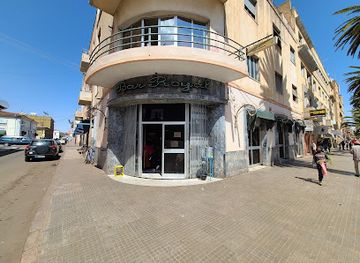
Bar Royal
Discover the flavors of Eritrea at Bar Royal, a charming cafeteria in Asmara offering delightful local and international cuisine.

Best nightclubs in Highlands
Evening life in the Eritrean Highlands is concentrated in Asmara, where cafés, traditional bars, restaurants and a small number of music-oriented venues provide the main social settings. The city’s Italian-era cafés contribute to its distinctive evening atmosphere, but nightlife is generally restrained rather than built around large clubs or late-night entertainment districts. Local beer and soft drinks are available in established venues, while coffee remains just as important a part of social life as alcohol. In Keren, Dekemhare, Mendefera and smaller towns, evenings usually revolve around cafés, restaurants, family visits and occasional music rather than a formal club scene. Opening arrangements can change and may be affected by local regulations, so visitors should ask accommodation staff or trusted local contacts about current options. Public behaviour should remain discreet, especially near religious sites and residential areas.
-
Hotel
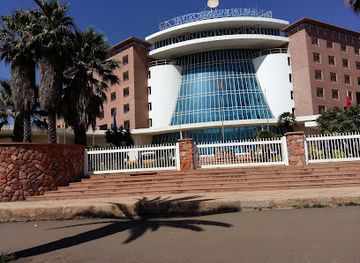
Asmara Palace Hotel
Discover Comfort and Elegance at Asmara Palace Hotel - A Luxurious Retreat in the Heart of Eritrea's Capital.
-
Restaurant
Admas Restaurant & Bar
Experience the best of Eritrean and international cuisine at Admas Restaurant & Bar in Asmara, where vibrant nightlife meets delicious dining.
-
Bar
Bar Jima
Experience the vibrant nightlife of Asmara at Bar Jima, a local bar offering a taste of Eritrean culture and delightful beverages.
-
Night club
Disco Club
Experience the electrifying nightlife at Disco Club in Mitsiwa, where vibrant music and dancing create unforgettable memories.

Best shops in Highlands
Shopping in the Eritrean Highlands is primarily local and practical, with Asmara offering the widest range of markets, food shops, bookshops, small boutiques and independent traders. Visitors can look for woven textiles, locally made clothing, leather goods, baskets, jewellery and small craft items, although quality and provenance vary and bargaining should remain courteous. Produce markets provide a more direct connection with highland agriculture through grains, pulses, vegetables, spices and coffee. Keren has a significant market tradition and offers a different atmosphere from the capital, with regional trade linking the highlands to the western escarpment and lowlands. In smaller towns, shopping is focused on daily necessities rather than souvenirs. Eritrean coffee, spices and packaged foods can be useful purchases, subject to customs rules and availability. Ask before photographing stalls or people, and do not buy antiquities, manuscripts, religious objects or archaeological material without clear legal provenance and permission.
-
Historical landmark
Fiat Tagliero ፡ፍያት ታሌሮ
Explore the architectural wonder of Fiat Tagliero, a striking symbol of Eritrea's modernist heritage and cultural history.
-
Mosque
Khulafa al-Rashidun Mosque - ጃምዕ ኹለፋእ ኣልራሺዲን
Discover the spiritual and architectural beauty of Khulafa al-Rashidun Mosque, a must-visit gem in Asmara, Eritrea, reflecting rich Islamic heritage.
-
International airport
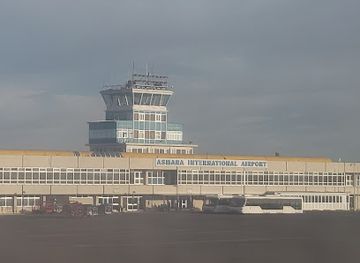
Asmara International Airport
Asmara International Airport: Your gateway to the captivating landscapes and rich culture of Eritrea awaits.
-
Tour operator
Eritrea Visit
Explore the wonders of Eritrea with Eritrea Visit, your trusted travel agency for tailored adventures and cultural experiences.

Get your free copy of our complete guide to Highlands, delivered straight to you.
Everything on this page, from attractions and restaurants to essentials and local phrases, in one PDF you can read offline, print or share.
Already have an account? Sign in
Your Highlands guide is ready.
We'll send it to · Not you? Sign out

Getting your guide ready…
We are putting together a fresh copy of the Highlands guide. This can take up to a minute.
This can take a few moments. If your browser asks, choose Allow so the download can start. You'll find the guide in your Downloads folder.
Nothing happened? Download it again
Sorry, the guide is taking longer than usual. Please try again in a minute, or get it by email instead.
Highlands essentials
Currency and Payment
Safety
Emergency Situations
Do's and Don'ts
Local Tips
From Eve
Local phrases worth knowing
You don't need to get them perfect. A few words go a long way, and locals appreciate the effort.
Basics
| English | Local | Say it |
|---|---|---|
| Hello | Selam | [seh-lahm] |
| Goodbye | Dehan ner | [deh-hahn nehr] |
| Yes | Iwo | [ee-woh] |
| No | Ayu | [ah-yoo] |
| Please/You're welcome | Bzih | [bzee] |
| Thank you | Yekenyeley | [yeh-ken-yeh-lee] |
| Excuse me/Sorry | Ishkha | [eesh-khah] |
| How are you? | Kemey alek? | [keh-mey ah-lek] |
| Fine. And you? | Bzih. Kemey alek? | [bzee. keh-mey ah-lek] |
| Do you speak English? | Engelizi tikhon? | [en-ge-liz-ee tee-khon] |
| I don't understand | Ayu fiyel | [ah-yoo fee-yel] |
Eating & Drinking
| English | Local | Say it |
|---|---|---|
| I'd like to see the menu, please | Menyu zeyfeli, bzih | [men-yoo zay-feh-lee, bzee] |
| I don't eat meat | Ayu tsegur zeyfeli | [ah-yoo tseh-goor zay-feh-lee] |
| Cheers! | Gibro! | [gee-broh] |
| I would like to pay, please | Zeyfeli teru, bzih | [zay-feh-lee teh-roo, bzee] |
Emergencies
| English | Local | Say it |
|---|---|---|
| Help! | Yemay! | [yeh-my] |
| Go away! | Gibra! | [gee-brah] |
| Call the Police! | Polis zeyfeli! | [po-lees zay-feh-lee] |
| Call a doctor! | Doktor zeyfeli! | [dok-tor zay-feh-lee] |
| I'm lost | Ayu t'k'ele | [ah-yoo t'keh-leh] |
| I'm ill | Ayu q'lah | [ah-yoo q-lah] |
Shopping
| English | Local | Say it |
|---|---|---|
| I'd like to buy... | Zeyfeli k’bri... | [zay-feh-lee kuh-bree] |
| I'm just looking | Ayu k’bri zeyfeli | [ah-yoo kuh-bree zay-feh-lee] |
| How much is it? | Kemey m'k'ele? | [keh-mey m'keh-leh] |
| That's too expensive | Neh zeyt'k'li | [neh zay-t'klee] |
| Can you lower the price? | Yemey m'k'ele zeyt'kel? | [yeh-meh m'keh-leh zay-t'kel] |
Time & Numbers
| English | Local | Say it |
|---|---|---|
| What time is it? | Kemey zeyk'ele? | [keh-mey zay-keh-leh] |
| It's one o'clock | Zeyk'ele n'kol | [zay-keh-leh n'kol] |
| Half past (10) | K’half (10) | [k'hal-f (10)] |
| Morning | Beka | [beh-kah] |
| Afternoon | N'k'k'ek | [n'keh-keh] |
| Evening | Germ'ed | [ger-mehd] |
| Yesterday | Hagere | [ha-ge-reh] |
| Today | Zeyt'k'ele | [zay-t'keh-le] |
| Tomorrow | B'k'ele | [b'keh-leh] |
| 1 | Hidri | [hid-ree] |
| 2 | K’bri | [k'bee-ree] |
| 3 | Selasi | [seh-lah-see] |
| 4 | Arba | [ahr-bah] |
| 5 | Hamsh | [ham-sh] |
| 6 | Seyfu | [seh-y-foo] |
| 7 | Seb’ta | [seh-b'tah] |
| 8 | Semanya | [seh-mahn-yah] |
| 9 | T'sh'a | [t'sh-ah] |
| 10 | Asir | [ah-seer] |
Transport & Directions
| English | Local | Say it |
|---|---|---|
| Where's a/the...? | K'eyfey...? | [k'ey-feh] |
| What's the address? | Kemey address? | [keh-mey a-dres] |
| Can you show me (on the map)? | Map'ka k'eyfey zeyfeli? | [map-kah k'ey-feh zay-feh-lee] |
| When's the next (bus)? | K'eyfey zeyt'k'ele (bus)? | [k'ey-feh zay-t'keh-leh (bus)] |
| A ticket (to ....) | Tiket (to ....) | [tee-ket (to ....)] |
History of Highlands
Early Highland Settlement and Pre-Aksumite Contacts
The Eritrean plateau has been occupied and farmed for many centuries, supported by seasonal rainfall, fertile pockets and access to routes crossing the northern Horn of Africa. Archaeological evidence from the wider highland zone records complex communities before the rise of Aksum, while inscriptions and material remains point to contacts across the Red Sea and with southern Arabia. These early connections should not be reduced to a simple colonial-style influence: local societies developed their own political and agricultural traditions while participating in wider networks of exchange.
Aksumite and Christian Legacies
From late antiquity, the highlands became part of the cultural world associated with the Aksumite kingdom, whose centre lay across the modern Eritrea-Ethiopia border. Christianity gained a lasting foothold in the region from the fourth century, and the Eritrean Orthodox Tewahedo tradition remains central to many highland communities. Monasteries, churches, manuscript traditions and sacred landscapes preserve elements of this long history, although access to religious sites can be restricted and should always be arranged respectfully.
Medieval Highland Polities and Religious Institutions
After the decline of Aksum, authority in the northern Horn of Africa was divided among regional rulers, local communities and later Christian kingdoms. Highland monasteries and churches served not only as places of worship but also as centres of learning, manuscript preservation and landholding. The rugged terrain encouraged political fragmentation and helped preserve distinctive local identities. Debre Bizen, associated with the eastern escarpment above Nefasit, is among the best-known religious foundations connected with the highland landscape.
Ottoman and Egyptian Red Sea Expansion
Although the Ottoman and Egyptian authorities focused primarily on the Red Sea coast and lowlands, their expansion affected the political environment around the Eritrean plateau. Coastal ports and routes towards the interior linked highland communities to wider struggles involving regional rulers, Ottoman power and Egypt. Control was uneven, and much of the highlands continued to be governed through local authorities and established social institutions rather than direct administration from the coast.
Italian Colonial Rule and the Making of Asmara
Italy established colonial control over Eritrea in the late nineteenth century and developed Asmara as the administrative capital. Roads, railways, agricultural schemes and military infrastructure reshaped the highlands, often through coercive labour systems and unequal colonial policies. Asmara’s famous modernist buildings, including cinemas, offices, churches and commercial structures, date largely from the 1930s and early 1940s. Their architectural importance is inseparable from the colonial history and the Eritrean communities who built, staffed and inhabited the city.
British Administration and Federation with Ethiopia
British forces took control of Eritrea from Italy during the Second World War, beginning a period of British military administration. In 1952, Eritrea entered a United Nations-backed federation with Ethiopia, but the arrangement was progressively weakened before annexation by Ethiopia in 1962. The highlands, including Asmara, became central to the political and military conflicts that followed. These decades contributed to major displacement, social disruption and the growth of Eritrean nationalist movements.
War, Independence and Contemporary Asmara
The Eritrean War of Independence lasted from 1961 until the fall of the Ethiopian government in 1991, followed by internationally recognised independence in 1993. Asmara remained the political and cultural centre of the new state. The city’s twentieth-century architectural ensemble was inscribed on the UNESCO World Heritage List in 2017, recognising its importance as an unusually coherent example of modernist urban planning and architecture in Africa. Contemporary highland life combines this built legacy with continuing agricultural, religious and family traditions.
Highlands in Photos
Browse through our photo collection highlighting the charm and character of the destination.
Neighbouring regions of Highlands
The closest regions to Highlands, if you have time for more than one.
-

-

-

-

-


Swipe for more regions
Explore more

Explore more of Eritrea
Discover Eritrea: A land of ancient history, stunning coastlines, and vibrant cultures nestled in the heart of the Horn of Africa.
Explore Eritrea