

Free Hamasien Travel Guide & Mobile App
Explore Hamasien with free travel guides. Discover regional history, expert tips, proposed trips, and audio guides on web or mobile app.


Explore Hamasien around Asmara for UNESCO-listed Modernist architecture, highland cafés, Eritrean cuisine and plateau landscapes.
Read more about Hamasien
When is the best time to visit Hamasien?
Best: April–May, September · 23–25°C| Month | High (°C) | Rainfall (mm) |
|---|---|---|
| January | 18 | 3 |
| February | 19 | 3 |
| March | 22 | 5 |
| April (best) | 23 | 8 |
| May (best) | 25 | 14 |
| June | 28 | 20 |
| July | 27 | 28 |
| August | 26 | 26 |
| September (best) | 25 | 17 |
| October | 22 | 10 |
| November | 19 | 6 |
| December | 17 | 4 |
Getting to and around Hamasien
How to get there
Transportation
Top city travel guides in Hamasien
The cities of Hamasien, and the easiest places to base yourself.
-

-


Swipe for more cities
Best attractions in Hamasien
Hamasien’s main attraction is the layered urban experience of Asmara, where a remarkably intact twentieth-century city plan brings together Modernist architecture, older religious buildings, markets and ordinary residential streets. The UNESCO-listed historic area includes celebrated structures such as Fiat Tagliero, Cinema Impero, the Opera Theatre and the Catholic Cathedral, while the National Museum of Eritrea provides useful context for the country’s archaeology, history and cultural traditions. Medeber offers a different perspective: its workshops reuse metal and machinery in a long-established working environment rather than presenting a conventional visitor attraction. Beyond the capital, the plateau provides open views, cultivated hills, eucalyptus groves and villages, although rural visits require careful planning and may need official permission. Walking, architectural study, photography from approved locations and café-based observation are more realistic pursuits than a developed programme of adventure tourism. Visitors should treat churches, mosques, markets and workshops as living places, not simply as backdrops, and should confirm access arrangements before setting out.
-
Tourist attraction
ኣስመራ ካቴድራል | Cathedral Our Lady of the Rosary
Explore the architectural beauty and spiritual significance of Cathedral Our Lady of the Rosary in Asmara, a must-see in Eritrea's capital.
-
Mosque
Khulafa al-Rashidun Mosque - ጃምዕ ኹለፋእ ኣልራሺዲን
Discover the architectural splendor and spiritual serenity of Khulafa al-Rashidun Mosque, a must-see landmark in Asmara, Eritrea.
-
Tourist attraction
National Museum of Eritrea
Explore the National Museum of Eritrea – a cultural gem in Asmara showcasing the nation's rich history and heritage through captivating exhibits.
-
Promenade
Mai jah jah
Experience the tranquil beauty of Mai Jah Jah, a picturesque promenade in Asmara, Eritrea, perfect for exploring culture and serenity.


Best landmarks in Hamasien
Asmara’s architectural landmarks give Hamasien its strongest visual identity. The Fiat Tagliero building, shaped like an aeroplane with dramatic cantilevered wings, is one of the city’s best-known examples of Italian-era Futurist design. Cinema Impero and the Opera Theatre represent different expressions of the capital’s Modernist civic and entertainment architecture, while the Cathedral of Asmara provides a prominent Romanesque presence near the central avenues. Al Khulafa Al Rashiudin Mosque, with its distinctive façade and minarets, reflects the city’s Muslim heritage and the coexistence of major religious communities. The former Governor’s Palace and other public buildings contribute to the broader historic townscape, whose significance lies in its combination of planned streets, varied architectural styles and Eritrean urban use. Outside the centre, the high plateau itself is the defining natural landmark: open ridges, cultivated slopes and broad views create the setting in which Asmara developed. Access to individual buildings and viewpoints may be restricted, so landmarks should be admired without photographing sensitive facilities or entering closed premises.
-
Historical landmark
Fiat Tagliero ፡ፍያት ታሌሮ
Discover the stunning Fiat Tagliero in Asmara, a historical landmark showcasing modernist architecture and rich Eritrean heritage.
-
Catholic cathedral
ኣስመራ ካቴድራል | Cathedral Our Lady of the Rosary
Explore the majestic Cathedral of Our Lady of the Rosary in Asmara, where architectural beauty meets spiritual significance in the heart of Eritrea.
-
Mosque
Khulafa al-Rashidun Mosque - ጃምዕ ኹለፋእ ኣልራሺዲን
Experience the serene beauty and architectural splendor of the Khulafa al-Rashidun Mosque in Asmara, a key highlight of Eritrea's rich cultural heritage.
-
National park
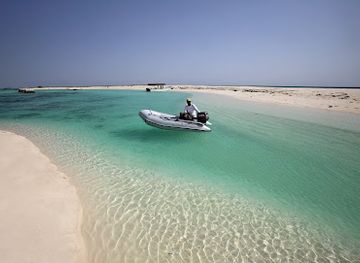
Dahlak Marine National Park
Explore the breathtaking landscapes and vibrant marine life of Dahlak Marine National Park, Eritrea's hidden paradise for adventure seekers and nature enthusiasts.


Explore Hamasien on the map
Plan your trip on one map. See where the top cities, national parks and sights are, and book hotels and experiences in a few clicks.
Best hotels in Hamasien
Best restaurants in Hamasien
Dining in Hamasien is centred on Asmara and reflects the highland food culture shared across much of Eritrea. Injera is the usual foundation of a meal, served with zigni, a spiced stew, together with lentils, vegetables, beans or meat; portions are commonly shared, and eating with the right hand is customary where utensils are not provided. Italian influence remains visible in the capital’s cafés, bakeries, pasta dishes and longstanding coffee culture, but these should be understood as part of Asmara’s layered history rather than as a replacement for Eritrean cuisine. Restaurants range from modest local dining rooms and hotel establishments to cafés serving pastries, espresso and light meals. Fresh produce is shaped by the highland climate, while menus can be affected by supply limitations. Coffee ceremonies are a significant social tradition, and a meal or drink often unfolds at a relaxed pace. Visitors should carry cash and ask locally about availability rather than rely on fixed online restaurant listings.
-
Restaurant
Ghibabo Restaurant And Pizzeria
Discover the vibrant flavors of Eritrea at Ghibabo Restaurant And Pizzeria in Asmara—where tradition meets taste.
-
Restaurant
Spaghetti And Pizza House
Experience authentic Italian cuisine at Spaghetti And Pizza House in Asmara—where every dish tells a delicious story.
-
Cafe
Bar Pasticceria Vittoria
Discover the sweet side of Asmara at Bar Pasticceria Vittoria - where Italian pastries meet Eritrean hospitality in every bite.
-
Restaurant
The Roof Garden
Experience authentic Eritrean cuisine in a breathtaking rooftop setting at The Roof Garden in Asmara.


Best bars in Hamasien
Asmara provides Hamasien’s principal evening life, although it is generally more restrained than the nightlife of a large international capital. Traditional bars, cafés, hotel lounges and restaurants provide places for conversation, local beer, coffee and simple meals, while music is often central to the atmosphere. The city’s historic centre is particularly suited to an evening walk followed by a café or restaurant, but visitors should respect local security guidance and return arrangements after dark. Larger-scale nightclub options are limited and opening patterns can change, so it is better to ask trusted local contacts about current venues than rely on old travel listings. In smaller highland settlements, evening activity is more likely to centre on family life, cafés, religious or community occasions and modest local bars. Alcohol is available in some settings but should not be treated as the defining feature of Eritrean social life.
-
Restaurant
Ghibabo Restaurant And Pizzeria
Discover the delightful flavors of Eritrea at Ghibabo Restaurant And Pizzeria, where authentic cuisine meets a warm, inviting atmosphere.
-
Cafe
Bar Pasticceria Vittoria
Experience the delightful flavors and warm atmosphere of Bar Pasticceria Vittoria in Asmara, Eritrea, a must-visit café for every traveler.
-
Restaurant
The Roof Garden
Discover the flavors of Eritrea at The Roof Garden, a scenic restaurant in Asmara offering exquisite local cuisine and stunning views.
-
Cafeteria
Bar Royal
Discover the authentic flavors of Eritrea at Bar Royal, a cozy cafeteria in the heart of Asmara, where local cuisine meets warm hospitality.


Best nightclubs in Hamasien
Asmara provides Hamasien’s principal evening life, although it is generally more restrained than the nightlife of a large international capital. Traditional bars, cafés, hotel lounges and restaurants provide places for conversation, local beer, coffee and simple meals, while music is often central to the atmosphere. The city’s historic centre is particularly suited to an evening walk followed by a café or restaurant, but visitors should respect local security guidance and return arrangements after dark. Larger-scale nightclub options are limited and opening patterns can change, so it is better to ask trusted local contacts about current venues than rely on old travel listings. In smaller highland settlements, evening activity is more likely to centre on family life, cafés, religious or community occasions and modest local bars. Alcohol is available in some settings but should not be treated as the defining feature of Eritrean social life.
-
Hotel
Nyala Hotel
Experience Eritrean hospitality at Nyala Hotel, your cozy retreat in the heart of Asmara, blending comfort with local culture.
-
Tour operator
Eritrea Visit
Explore Eritrea's captivating culture, stunning architecture, and breathtaking landscapes in the heart of Asmara.
-
Bar
Bar Jima
Discover the vibrant atmosphere of Bar Jima, a popular bar in Asmara offering a mix of local and international drinks in a cozy setting.
-
Restaurant
Admas Restaurant & Bar
Discover the vibrant flavors and lively ambiance at Admas Restaurant & Bar in Asmara, Eritrea, where culinary delights meet cultural experiences.


Best shops in Hamasien
Shopping in Hamasien is concentrated in Asmara’s central streets, market areas and small independent shops rather than large modern retail complexes. Medeber is especially distinctive for its metalworking and repair trades, where recycled materials are turned into household objects and practical goods; it is an active workplace, so permission and discretion are important when browsing or photographing. Markets and food shops offer coffee, spices, grains, pulses and other ingredients associated with Eritrean cooking, while bakeries and cafés provide locally familiar everyday purchases. Visitors may also find woven textiles, leather goods, religious items, jewellery and handicrafts, although quality and availability vary. Choose products that can be legally exported and retain receipts where appropriate, particularly for antiques or culturally significant objects. Asmara’s bookshops and small galleries can provide a more thoughtful connection with Eritrean history and culture than souvenir shopping alone, but stock changes and card payment should not be assumed.
-
Mosque
Khulafa al-Rashidun Mosque - ጃምዕ ኹለፋእ ኣልራሺዲን
Discover the Khulafa al-Rashidun Mosque, a stunning architectural gem in Asmara, embodying Eritrea's rich Islamic heritage and culture.
-
Tour operator
Eritrea Visit
Discover Eritrea's hidden treasures with Eritrea Visit, the leading travel agency for personalized adventures in Asmara and beyond.
-
Store
Kahawta
Explore Kahawta in Asmara, the vibrant store showcasing Eritrean culture through unique handicrafts and artisanal products.
-
 Hotel
Asmara Central Hotel
Experience the charm of Eritrea at Asmara Central Hotel, your gateway to the rich culture and history of Asmara, blended with modern comfort.


Get your free copy of our complete guide to Hamasien, delivered straight to you.
Everything on this page, from attractions and restaurants to essentials and local phrases, in one PDF you can read offline, print or share.
Already have an account? Sign in
Your Hamasien guide is ready.
We'll send it to · Not you? Sign out

Getting your guide ready…
We are putting together a fresh copy of the Hamasien guide. This can take up to a minute.
This can take a few moments. If your browser asks, choose Allow so the download can start. You'll find the guide in your Downloads folder.
Nothing happened? Download it again
Sorry, the guide is taking longer than usual. Please try again in a minute, or get it by email instead.
Hamasien essentials
Currency and Payment
Safety
Emergency Situations
Do's and Don'ts
Local Tips
From Eve
Local phrases worth knowing
You don't need to get them perfect. A few words go a long way, and locals appreciate the effort.
Basics
| English | Local | Say it |
|---|---|---|
| Hello | ሰላም | [Selam] |
| Goodbye | ደህና ሁን | [Dehna hun] |
| Yes | አዎን | [Awen] |
| No | አይ | [Ay] |
| Please/You're welcome | እቅፍ/እንኳን ወደዚያ መግቢያ | [Iqif/Inkwan wedziya megbiya] |
| Thank you | አመሰግናለሁ | [Amesegenallo] |
| Excuse me/Sorry | ይቅርታ | [Yiqirta] |
| How are you? | እንዴት ነህ/ነሽ? | [Endet neh/nesh?] |
| Fine. And you? | ጥሩ አንተ/አንቺ? | [Tiru ante/anchi?] |
| Do you speak English? | እንግሊዝኛ ትችላለህ? | [Ingili zinya tichilaleh?] |
| I don't understand | አልተረዳኩም | [Alteradakum] |
Eating & Drinking
| English | Local | Say it |
|---|---|---|
| I'd like to see the menu, please | እቅፍ መነው እንደዚያ አይደለም | [Iqif menew endziya aydelam] |
| I don't eat meat | ሥጋ አልብሳም | [Siga albesam] |
| Cheers! | ጋን ይደርስ! | [Gan yiders!] |
| I would like to pay, please | እቅፍ እንደዚያ እንገንዝ | [Iqif endziya engenz] |
Emergencies
| English | Local | Say it |
|---|---|---|
| Help! | እርዳታ! | [Erdata!] |
| Go away! | ወደ ሌላ ቆይ! | [Wede lela qoy!] |
| Call the Police! | ፖሊስ ይደውሉ! | [Polis yidewlu!] |
| Call a doctor! | ዶክተር ይደውሉ! | [Dokter yidewlu!] |
| I'm lost | አልተገናኝኩም | [Altegnañkumu] |
| I'm ill | እኔ ታውስ ነኝ | [Ine tawis nenyi] |
Shopping
| English | Local | Say it |
|---|---|---|
| I'd like to buy... | እቅፍ ማግኘት እፈልጋለሁ... | [Iqif maginyet ifelgallo...] |
| I'm just looking | በእርግጥ እይታ ነኝ | [Berget eyita nenyi] |
| How much is it? | ስንት ይኖር? | [Sinet yinor?] |
| That's too expensive | እንደ በለጠ እንደዚያ ነው | [Ende beleta endziya new] |
| Can you lower the price? | ዋጋ ወወው እንዴት እትወው? | [Waga wew endet etew?] |
Time & Numbers
| English | Local | Say it |
|---|---|---|
| What time is it? | ምን ሰዓት ነው? | [Min se'at new?] |
| It's one o'clock | አንድ ሰዓት ነው | [And se'at new] |
| Half past (10) | ግንባር 10 ሰዓት ነው | [Gimbir 10 se'at new] |
| Morning | ጥዋት | [Tiwat] |
| Afternoon | ከዋሊ ምሽት | [Kewali mishiht] |
| Evening | ከምሽት | [Kemishiht] |
| Yesterday | ቀደም | [Qedem] |
| Today | ዛሬ | [Zare] |
| Tomorrow | ነገ | [Nage] |
| 1 | 1 | [1] |
| 2 | 2 | [2] |
| 3 | 3 | [3] |
| 4 | 4 | [4] |
| 5 | 5 | [5] |
| 6 | 6 | [6] |
| 7 | 7 | [7] |
| 8 | 8 | [8] |
| 9 | 9 | [9] |
| 10 | 10 | [10] |
Transport & Directions
| English | Local | Say it |
|---|---|---|
| Where's a/the...? | የት ነው ...? | [Yet new ...?] |
| What's the address? | አድራሻ ምንድነው? | [Adirasha mindnew?] |
| Can you show me (on the map)? | በታች ይለይኝ? | [Betach yileyn?] |
| When's the next (bus)? | ቀጣይ በስ እንዴት? | [Qet'ay bes endet?] |
| A ticket (to ....) | ታሪክ (ወደ ...) | [Tarikh (wede ...)] |
History of Hamasien
Early Highland Communities and Aksumite Influence
The Hamasien plateau has been settled for centuries by communities whose languages, farming systems, religious traditions and political affiliations developed within the northern Ethiopian and Eritrean highlands. Its position between the Red Sea coast and the interior made it part of wider networks connected with the Aksumite civilisation, although the principal Aksumite centres lay farther south. Archaeological remains across the highlands, together with ancient routes and long-established Christian traditions, point to sustained interaction between plateau communities rather than an isolated society. Later political boundaries changed repeatedly, but agriculture, pastoralism and village organisation continued to shape Hamasien’s landscape.
Christian Highland Culture and Regional Rule
For much of the medieval and early modern period, Hamasien formed part of a contested highland political world influenced by Christian rulers, local chiefs and neighbouring polities. Orthodox Christianity became a major force in the region’s communal and artistic life, visible in churches, manuscripts, religious festivals and settlement traditions. Authority was often negotiated locally rather than imposed uniformly from a distant capital. The plateau’s defensible terrain and proximity to routes linking the interior with Massawa gave Hamasien strategic importance, while its cultivated land supported the growth of market settlements and emerging urban centres.
Italian Colonial Rule and the Rise of Asmara
Italy established control over Eritrea in the late nineteenth century and made Asmara the colonial capital in 1890. The city expanded rapidly during the twentieth century as administrative offices, military facilities, workshops, commercial streets and residential districts were laid out on the plateau. Italian planners and architects introduced a wide range of Modernist designs, but the city’s population, labour force and economic life remained substantially Eritrean. Roads and the railway system improved links towards the coast and interior, although much of that historic infrastructure has since deteriorated or ceased operating. The period left the architectural legacy for which central Asmara is now internationally recognised.
British Administration and the Federation Period
After Italy’s defeat during the Second World War, Eritrea was administered by Britain until the territory’s post-war constitutional future was settled. The 1952 federation with Ethiopia preserved formal Eritrean institutions for a time, while Asmara remained the political and commercial centre of the highlands. The federal arrangement was dismantled in 1962 when Eritrea was annexed by Ethiopia, a decision that intensified political opposition. These years also saw the growth of organised Eritrean nationalism, with Asmara becoming an important setting for demonstrations, political debate and later resistance.
The Struggle for Eritrean Independence
The Eritrean War of Independence lasted from 1961 until 1991, when Eritrean forces entered Asmara as Ethiopian rule collapsed. Hamasien’s highlands were affected by military campaigns, displacement, restrictions and economic disruption, while the capital served alternately as a centre of administration, protest and conflict. The liberation movement’s eventual victory was followed by a referendum in 1993, in which Eritreans voted overwhelmingly for independence. The experience remains central to public memory and helps explain the importance of national monuments, commemorative spaces and military history in Asmara.
Independent Eritrea and the Preservation of Asmara
Since independence, Asmara has remained Eritrea’s national capital and the main institutional, cultural and commercial centre of the highlands. Its twentieth-century urban fabric survived with comparatively little large-scale redevelopment, although maintenance and conservation are ongoing challenges. In 2017 UNESCO inscribed Asmara: A Modernist African City as a World Heritage site, recognising the city’s planned form and the range of architectural influences preserved within it. Contemporary Hamasien combines this inherited urban landscape with Eritrean cafés, markets, religious life and ordinary neighbourhoods, rather than functioning solely as an open-air colonial museum.
Hamasien in Photos
Browse through our photo collection highlighting the charm and character of the destination.
Neighbouring regions of Hamasien
The closest regions to Hamasien, if you have time for more than one.
-

-

-

-
-


Swipe for more regions
Explore more

Explore more of Eritrea
Discover Eritrea: A land of ancient history, stunning coastlines, and vibrant cultures nestled in the heart of the Horn of Africa.
Explore Eritrea