

Free Seraye Travel Guide & Mobile App
Explore Seraye with free travel guides. Discover regional history, expert tips, proposed trips, and audio guides on web or mobile app.


Explore Seraye in Eritrea for highland scenery, Orthodox heritage, market towns and the agricultural landscapes around Mendefera and Adi Quala.
Read more about Seraye
When is the best time to visit Seraye?
Best: March–April, October · 24–26°C| Month | High (°C) | Rainfall (mm) |
|---|---|---|
| January | 21 | 4 |
| February | 22 | 5 |
| March (best) | 24 | 10 |
| April (best) | 26 | 20 |
| May | 28 | 30 |
| June | 29 | 50 |
| July | 28 | 100 |
| August | 28 | 80 |
| September | 27 | 50 |
| October (best) | 25 | 30 |
| November | 23 | 20 |
| December | 21 | 10 |
Getting to and around Seraye
How to get there
Transportation
Top city travel guides in Seraye
The cities of Seraye, and the easiest places to base yourself.
-

-

-

-

-

-


Swipe for more cities
Destinations in Seraye
Resorts, valleys and scenic spots worth a trip of their own.
-

-


Swipe for more destinations
Best attractions in Seraye
Seraye’s attractions are primarily cultural landscapes rather than a concentrated circuit of ticketed sights. Mendefera offers the region’s most accessible introduction, with markets, churches, cafés and streets that reveal the relationship between town life and surrounding agriculture. Adi Quala provides a contrasting southern perspective and a useful stop for understanding the highland routes leading towards Eritrea’s lower country. Across the region, Orthodox churches and rural parish communities are significant, but visits should be arranged respectfully and may require permission. The countryside itself is an important attraction: cultivated slopes, stone-built villages, eucalyptus stands, ravines and broad plateau views reward slow road journeys and short walks with local guidance. Visitors interested in history will find reminders of ancient highland settlement, colonial administration and the wars of the twentieth century, although many sites are modest, undocumented or sensitive rather than formal museums. Birdwatching, landscape photography where permitted and observation of seasonal farming are possible, but facilities for organised outdoor tourism are limited. Seraye is best suited to travellers who value context, conversation and observation over a long list of conventional attractions.
-
Mountain peak
Emba Soira
Explore Emba Soira, a breathtaking mountain peak in Eritrea, known for its stunning views, rich culture, and outdoor adventures.
-
Memorial
Imperial Palace
Explore the Imperial Palace in Mitsiwa, a historical gem that showcases Eritrea's rich cultural heritage and stunning landscapes.
-
Church
St.Mariam orthodox tewahdo church cathedral tiwalet
Explore the serene beauty and rich history of Saint Mariam Cathedral in Mitsiwa, Eritrea, a must-see for cultural and spiritual travelers.
-
Cemetery
Asmara Italian Cemetery
Explore the Asmara Italian Cemetery, a historical site reflecting the rich tapestry of Eritrea's colonial past and a serene place for reflection.


Best landmarks in Seraye
The principal landmarks of Seraye are its highland towns, religious buildings and enduring agricultural setting. Mendefera is the region’s most recognisable urban reference point, with a townscape shaped by local commerce, churches and roads linking the cultivated plateau to surrounding villages. Adi Quala is significant for its position on the southern highland routes and for the way its built environment reflects the region’s connections with lower Eritrea. Orthodox churches scattered through Seraye are important architectural and cultural landmarks even where their exteriors are restrained; their value may lie in community history, manuscripts, icons and sacred landscapes rather than monumental scale. Stone houses, field walls and terraced slopes are quieter landmarks of long-established rural life. Roads crossing the ridges and valleys also provide some of the region’s clearest views, showing how settlement and cultivation occupy the highlands. Because military and political sites may be sensitive, visitors should never treat every prominent structure as a photographic landmark and should seek permission before taking pictures.
-
Historical landmark
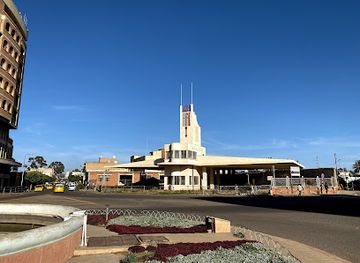
Fiat Tagliero ፡ፍያት ታሌሮ
Explore the Fiat Tagliero in Asmara, Eritrea—a stunning architectural gem showcasing modernism and rich cultural heritage.
-
Catholic cathedral
ኣስመራ ካቴድራል | Cathedral Our Lady of the Rosary
Discover the architectural beauty and cultural significance of the Cathedral of Our Lady of the Rosary in Asmara, Eritrea.
-
Mosque
Khulafa al-Rashidun Mosque - ጃምዕ ኹለፋእ ኣልራሺዲን
Discover the architectural splendor and spiritual serenity of Khulafa al-Rashidun Mosque in Asmara, a must-visit landmark in Eritrea.
-
Monastery
ቅድስተ ቅዱሳን ድንግል ማርያም ደብረሲና ኦርቶዶክስ ተዋህዶ ገዳም ኤርትራ "St. Mariam Debresina Orthdox Tewahdo Monastery Eritrea"
Explore the serene beauty and spiritual heritage of St. Mariam Debresina Orthodox Tewahdo Monastery in Elabered, Eritrea - a cultural gem and a peaceful retreat.


Explore Seraye on the map
Plan your trip on one map. See where the top cities, national parks and sights are, and book hotels and experiences in a few clicks.
Best hotels in Seraye
Best restaurants in Seraye
Dining in Seraye is generally simple, local and closely connected to the highland agricultural economy. In Mendefera and Adi Quala, cafés and modest restaurants commonly serve Eritrean staples such as injera with stews, lentils, vegetables and meat, while tea and coffee provide important social pauses during the day. Tigrinya highland cooking often makes practical use of grains, pulses, clarified butter and seasonal produce, with spice blends adding depth without defining every dish as fiery. Bread, pasta and other foods introduced or popularised during the colonial period may also appear in town eateries. Rural meals are most likely to be arranged through local hosts rather than found as a formal visitor service. Vegetarian dishes are often available, but choices and serving times can be limited outside the main towns. Carry water and do not expect reliable refrigeration, extensive menus or card payment. The strongest culinary insight comes from eating respectfully in everyday cafés and understanding how food reflects farming, Orthodox fasting traditions and household hospitality.
-
Restaurant
Ghibabo Restaurant And Pizzeria
Experience the flavors of Eritrea and Italy at Ghibabo Restaurant And Pizzeria in Asmara – where every meal tells a story.
-
Restaurant
Spaghetti And Pizza House
Discover the perfect blend of Eritrean warmth and Italian flavors at Spaghetti And Pizza House in Asmara.
-
Italian
Al Sicomoro Restaurant
Experience the best of Italian dining in Asmara at Al Sicomoro Restaurant – where tradition meets taste.
-
Eritrean
Golden Fork Fast Food
Experience authentic Eritrean cuisine at Golden Fork Fast Food - where traditional flavors meet modern convenience in Asmara.


Best bars in Seraye
Seraye does not have a large, internationally oriented nightclub scene. Evening life is concentrated in the cafés, tea rooms, restaurants and modest bars of Mendefera and Adi Quala, where conversation and social visits are more prominent than late-night entertainment. Eritrean coffee culture is important, and an invitation to share coffee can be a meaningful social experience when accepted respectfully. Beer and spirits may be available in some establishments, but alcohol should not be treated as the centre of local culture, particularly during Orthodox fasting periods or religious observances. Rural communities become quiet after dark, and transport between towns at night is limited. Visitors should return to their accommodation according to their authorised itinerary, avoid wandering near sensitive buildings or checkpoints and confirm local arrangements rather than relying on advertised opening hours. Live music, when available, is more likely to be occasional and local than part of a permanent entertainment programme.
-
 Bar
Bar selam ባር ሰላም ( እንዳ ሳባ)
Discover the vibrant nightlife of Eritrea at Bar Selam, a perfect blend of culture, drinks, and lively entertainment in Adi Kontsi.
-
Bar
Bar Jima
Discover the vibrant atmosphere of Bar Jima in Asmara, where local culture meets a diverse drink menu in a cozy setting.
-
Grill
Bar Zilli
Experience the flavors of Eritrea at Bar Zilli, where delicious grilled dishes meet a vibrant bar atmosphere in the heart of Asmara.
-
Bar
Goitom's Bar and Restaurant
Discover the essence of Eritrean culture at Goitom's Bar and Restaurant in Asmara, where delicious food and vibrant atmosphere meet.


Best nightclubs in Seraye
Seraye does not have a large, internationally oriented nightclub scene. Evening life is concentrated in the cafés, tea rooms, restaurants and modest bars of Mendefera and Adi Quala, where conversation and social visits are more prominent than late-night entertainment. Eritrean coffee culture is important, and an invitation to share coffee can be a meaningful social experience when accepted respectfully. Beer and spirits may be available in some establishments, but alcohol should not be treated as the centre of local culture, particularly during Orthodox fasting periods or religious observances. Rural communities become quiet after dark, and transport between towns at night is limited. Visitors should return to their accommodation according to their authorised itinerary, avoid wandering near sensitive buildings or checkpoints and confirm local arrangements rather than relying on advertised opening hours. Live music, when available, is more likely to be occasional and local than part of a permanent entertainment programme.
-
Cafeteria
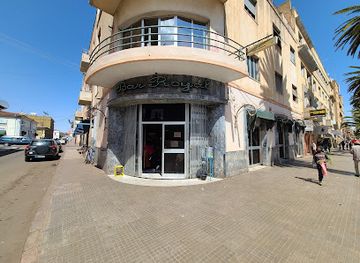
Bar Royal
Experience the vibrant flavors of Eritrea at Bar Royal, Asmara's charming cafeteria perfect for a relaxing meal or coffee break.
-
Bar
Bar Jima
Discover the lively vibe of Bar Jima in Asmara, Eritrea, offering a perfect blend of local culture and an extensive drink menu.
-
Night club
Disco Club
Discover the pulsating nightlife of Mitsiwa at Disco Club, where music and dance create unforgettable experiences in a vibrant atmosphere.
-
Bar
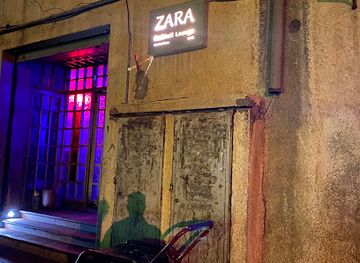
Bar Zara
Discover the vibrant ambiance of Bar Zara, a top bar in Asmara, Eritrea, perfect for enjoying drinks and local culture.

Best shops in Seraye
Shopping in Seraye is centred on the markets and small commercial streets of Mendefera and Adi Quala rather than on specialised retail districts. Visitors may find locally produced grain, pulses, spices, coffee, woven goods, household items and practical agricultural products, with availability varying by season and market day. Small shops sell basic clothing, food and travel supplies, while informal stalls provide a closer view of the region’s everyday economy than polished souvenir outlets. Handicrafts and textiles may be available through local contacts, but quality, provenance and prices should be discussed politely rather than assumed. Eritrean coffee, spices and packaged foods can make appropriate compact purchases where they are legally available for export, although supplies are not always consistent. Bargaining may occur in informal markets, but it should remain good-natured and proportionate. Carry nakfa in small denominations, as card payment is unreliable and many rural sellers have no electronic facilities.
-
Coffee shop
Dolce Vita
Discover Dolce Vita in Asmara, a charming coffee and pastry shop offering a delightful taste of Eritrean culture and flavors.
-
Grocery store
Family Supermarket
Discover the vibrant flavors of Eritrea at Family Supermarket in Asmara, your one-stop destination for local groceries and delicacies.
-
Store
Kahawta
Explore Kahawta in Asmara: A unique store filled with authentic Eritrean crafts and souvenirs, offering a glimpse into the rich local culture.
-
Supermarket
Wikianos Supermarket
Explore the vibrant culture of Asmara at Wikianos Supermarket, where local flavors and friendly faces await every visitor.


Get your free copy of our complete guide to Seraye, delivered straight to you.
Everything on this page, from attractions and restaurants to essentials and local phrases, in one PDF you can read offline, print or share.
Already have an account? Sign in
Your Seraye guide is ready.
We'll send it to · Not you? Sign out

Getting your guide ready…
We are putting together a fresh copy of the Seraye guide. This can take up to a minute.
This can take a few moments. If your browser asks, choose Allow so the download can start. You'll find the guide in your Downloads folder.
Nothing happened? Download it again
Sorry, the guide is taking longer than usual. Please try again in a minute, or get it by email instead.
Seraye essentials
Currency and Payment
Safety
Emergency Situations
Do's and Don'ts
Local Tips
From Eve
Local phrases worth knowing
You don't need to get them perfect. A few words go a long way, and locals appreciate the effort.
Basics
| English | Local | Say it |
|---|---|---|
| Hello | Selam | [se-lam] |
| Goodbye | Deha | [de-ha] |
| Yes | Iye | [ee-ye] |
| No | Aye | [a-ye] |
| Please/You’re welcome | Mekeleh | [me-ke-leh] |
| Thank you | Yekir | [ye-kir] |
| Excuse me/Sorry | Selamta | [se-lam-ta] |
| How are you? | Kemey alek? | [ke-me-y a-lek] |
| Fine. And you? | T'eyak. Kemey alek? | [te-yak ke-me-y a-lek] |
| Do you speak English? | Englizi t'ek'a? | [en-gli-zi te-ka] |
| I don't understand | Aye t'eyt'ey? | [a-ye te-y-tey] |
Eating & Drinking
| English | Local | Say it |
|---|---|---|
| I’d like to see the menu, please | Mekeleh, menyu yihabek? | [me-ke-leh men-yu yi-ha-bek] |
| I don't eat meat | Aye t'eyay meat | [a-ye te-yay meat] |
| Cheers! | Bela! | [be-la] |
| I would like to pay, please | Mekeleh, anik'ay t'ek'a? | [me-ke-leh a-ni-ka-y te-ka] |
Emergencies
| English | Local | Say it |
|---|---|---|
| Help! | Yemane! | [ye-ma-ne] |
| Go away! | Hager! | [ha-ger] |
| Call the Police! | Polisi t'eyt'ey! | [po-li-si te-y-tey] |
| Call a doctor! | Doktor t'eyt'ey! | [dok-tor te-y-tey] |
| I’m lost | Aye zeylost | [a-ye ze-y-lost] |
| I’m ill | Aye k'eyte | [a-ye ke-y-te] |
Shopping
| English | Local | Say it |
|---|---|---|
| I’d like to buy... | Anik'ay k'ayt'ey... | [a-ni-ka-y kay-tey] |
| I’m just looking | Aye zeyk'ay | [a-ye ze-y-ka-y] |
| How much is it? | K'emey t'ey? | [ke-me-y te-y] |
| That’s too expensive | Iye q'elsay mehed | [ee-ye k'el-say me-hed] |
| Can you lower the price? | K'ey k'ek'ar price? | [ke-y ke-ka-r price] |
Time & Numbers
| English | Local | Say it |
|---|---|---|
| What time is it? | K'emey zeyti? | [ke-me-y ze-y-ti] |
| It’s one o'clock | Zeyti k'ona | [ze-y-ti ko-na] |
| Half past (10) | K'ona zeyti (10) | [ko-na ze-y-ti (10)] |
| Morning | Berhane | [ber-ha-ne] |
| Afternoon | Bela zeyti | [be-la ze-y-ti] |
| Evening | Mekel zeyti | [me-kel ze-y-ti] |
| Yesterday | Zeymoker | [ze-y-mo-ker] |
| Today | Zeyti | [ze-y-ti] |
| Tomorrow | Hager | [ha-ger] |
| 1 | Hadi | [ha-di] |
| 2 | K'ulu | [ku-lu] |
| 3 | Selasa | [se-la-sa] |
| 4 | Arba | [ar-ba] |
| 5 | Hamishi | [ha-mi-shi] |
| 6 | Siti | [si-ti] |
| 7 | Sebat | [se-bat] |
| 8 | Semen | [se-me-n] |
| 9 | T'ezza | [te-zza] |
| 10 | Asir | [a-sir] |
Transport & Directions
| English | Local | Say it |
|---|---|---|
| Where's a/the...? | K'ey zeyti...? | [ke-y ze-y-ti] |
| What's the address? | K'emey zeyt'u? | [ke-me-y ze-y-tu] |
| Can you show me (on the map)? | K'ey k'ek'ay (zey map)? | [ke-y ke-ka-y ze-y map] |
| When's the next (bus)? | K'emey zey bus? | [ke-me-y ze-y bus] |
| A ticket (to....) | T'ike (to....) | [ti-ke to] |
History of Seraye
Ancient Highland Settlement and the Aksumite World
Seraye belongs to the settled highlands that formed part of the wider cultural and commercial world of northern Ethiopia and Eritrea in antiquity. Farming communities benefited from upland soils and seasonal rainfall, while routes across the plateau connected inland settlements with areas leading towards the Red Sea. The region’s archaeological record is less widely visited than the major sites of Aksum, but its churches, settlement patterns and agricultural landscapes reflect the long continuity of highland life. Aksumite political and religious influence helped shape traditions of Christianity, writing and monumental culture that remain important to Eritrea’s highland communities.
The Christian Highlands and Local Church Communities
Over many centuries, Orthodox Christianity became central to the social and cultural life of Seraye. Parish churches served not only as places of worship but also as repositories of manuscripts, paintings, oral histories and local identity. Monastic and ecclesiastical traditions linked the region to the broader Tewahedo Christian world, while village communities maintained religious calendars alongside farming practices. Many churches were rebuilt, enlarged or altered over time, so their importance often rests as much on living community traditions and sacred landscapes as on architectural age.
Regional Lords, Trade and Imperial Rivalries
Before the consolidation of modern colonial borders, Seraye was shaped by local authorities, highland political networks and changing relationships with the Ethiopian imperial state. Movement across the plateau connected communities with markets, neighbouring provinces and routes towards the coast. Control of cultivated land, taxation and strategic roads could bring conflict as well as commerce. These layered political affiliations help explain why local history does not fit neatly into a single national narrative: Seraye’s communities participated in regional highland systems long before Eritrea acquired its present boundaries.
Italian Colonial Rule, 1890–1941
Eritrea became an Italian colony in 1890, and colonial administration gradually affected Seraye through roads, taxation, land policy and new bureaucratic centres. Italian rule was uneven in the countryside, but it altered established political relationships and connected highland towns more closely with Asmara and other colonial infrastructure. The period also introduced architectural and administrative traces, although Seraye is less associated with monumental Italian urbanism than Asmara. The defeat of Italy in East Africa during the Second World War brought British military administration and opened a new phase in the territory’s contested future.
War, Federation and the Struggle for Independence
After the Second World War, Eritrea’s political status became the subject of international and regional dispute. The 1952 federation with Ethiopia was followed by its dissolution and annexation in 1962, after which armed struggle intensified. Seraye’s highland communities were affected by military campaigns, displacement, restrictions and the disruption of agriculture. The Eritrean liberation movement eventually secured de facto independence in 1991, followed by a referendum and formal independence in 1993. War memorials and family memories remain important elements of the region’s modern historical landscape.
Agriculture and the Post-Independence Highland Region
In the decades since independence, Seraye has remained predominantly rural and agricultural, with towns such as Mendefera providing markets, services and administrative functions for surrounding villages. Farming conditions depend on seasonal rainfall, soil conservation and access to roads, while periods of drought and regional conflict have placed pressure on livelihoods. The region’s contemporary character therefore reflects both continuity and constraint: ancient highland cultivation and Orthodox traditions remain visible, but transport, development, migration and national economic conditions strongly influence daily life.
Seraye in Photos
Browse through our photo collection highlighting the charm and character of the destination.
Neighbouring regions of Seraye
The closest regions to Seraye, if you have time for more than one.
-
-

-

-

-


Swipe for more regions
Explore more

Explore more of Eritrea
Discover Eritrea: A land of ancient history, stunning coastlines, and vibrant cultures nestled in the heart of the Horn of Africa.
Explore Eritrea