

Free Pärnumaa Travel Guide & Mobile App
Explore Pärnumaa with free travel guides. Discover regional history, expert tips, proposed trips, and audio guides on web or mobile app.


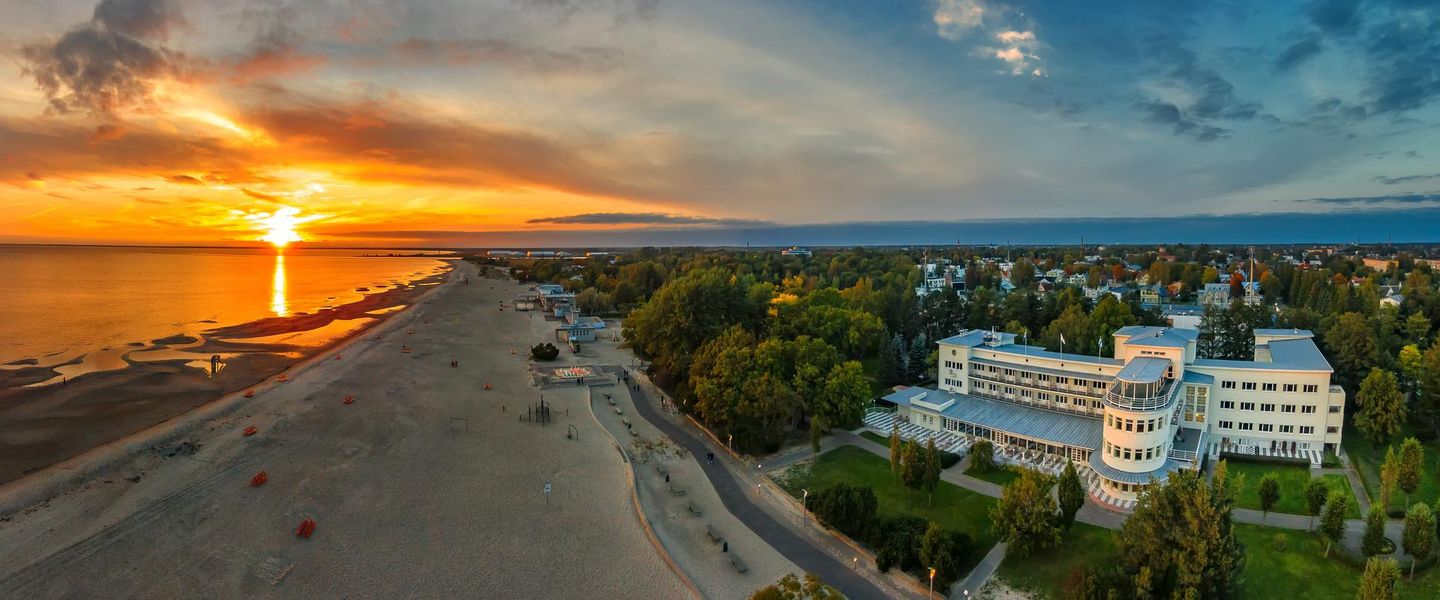


Discover Pärnumaa: Estonia's coastal gem with serene beaches, rich history, and vibrant culture. Perfect for a summer escape or a peaceful retreat in nature.
Read more about Pärnumaa
When is the best time to visit Pärnumaa?
Best: June–August · 20–22°C| Month | High (°C) | Rainfall (mm) |
|---|---|---|
| January | 0 | 40 |
| February | 1 | 35 |
| March | 4 | 40 |
| April | 9 | 40 |
| May | 15 | 50 |
| June (best) | 20 | 60 |
| July (best) | 22 | 70 |
| August (best) | 21 | 70 |
| September | 17 | 60 |
| October | 11 | 50 |
| November | 5 | 50 |
| December | 3 | 45 |
Getting to and around Pärnumaa
How to get there
Transportation
Top city travel guides in Pärnumaa
The cities of Pärnumaa, and the easiest places to base yourself.
-

-

-

-


Swipe for more cities
Destinations in Pärnumaa
Resorts, valleys and scenic spots worth a trip of their own.
-

-


Swipe for more destinations
Best attractions in Pärnumaa
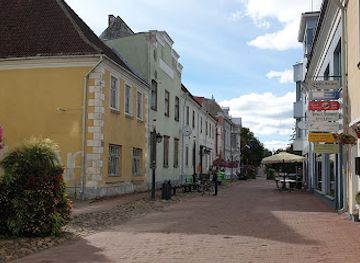
Pärnumaa, Estonia's hidden gem, offers a captivating blend of natural beauty, rich history, and vibrant culture. Stroll through the charming streets of Pärnu, known as the summer capital, and relax on its pristine sandy beaches along the Baltic Sea. Dive into history at the Pärnu Museum, showcasing artifacts from the Stone Age to the present, and explore the medieval ruins of the Pärnu Castle. Nature enthusiasts will be mesmerized by the lush landscapes of Soomaa National Park, renowned for its 'fifth season' floods and unique bog hikes. Indulge in the healing powers of the region’s famous spas, and don't miss the quaint coastal villages where you can savor fresh local seafood. With a calendar packed with festivals and events, Pärnumaa promises an unforgettable experience for every traveler.
-
Park
Rannapark
Discover the tranquil beauty of Rannapark in Pärnu, a perfect blend of nature and art for an unforgettable experience.
-
Hotel
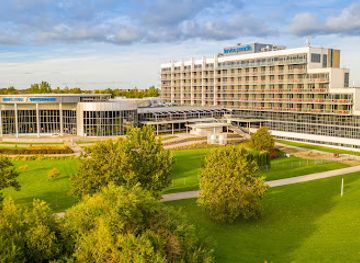
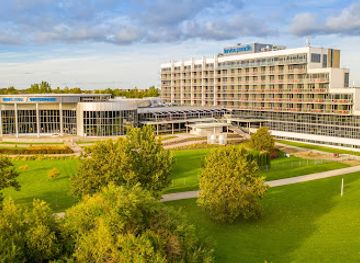
Tervise Paradiis spaa-hotell & veekeskus / Spa Hotel & Water park
Discover the ultimate relaxation and entertainment at Tervise Paradiis Spa Hotel & Water Park in Pärnu, Estonia, where wellness meets adventure.
-
Beach
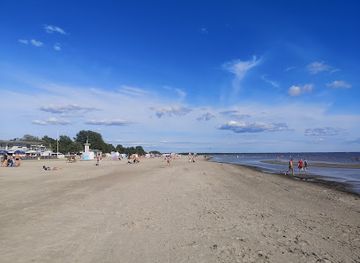
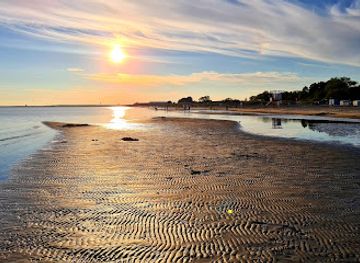
Pärnu Beach
Discover Pärnu Beach, Estonia's premier seaside escape, where golden sands meet vibrant culture and endless summer adventures await.
-
Tourist attraction
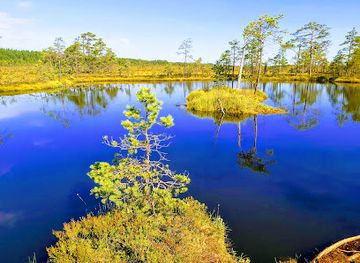
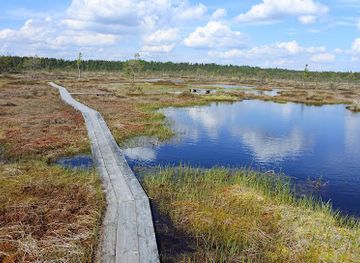
Soomaa National Park
Explore the enchanting Soomaa National Park, home to unique wetlands, diverse wildlife, and breathtaking landscapes in the heart of Estonia.
Best landmarks in Pärnumaa
Pärnumaa, a captivating region in Estonia, offers a delightful blend of history, nature, and culture that is sure to enchant any visitor. Start your journey in the charming city of Pärnu, known for its beautiful sandy beaches and vibrant promenades, perfect for a relaxing stroll. Dive into the rich history at the Pärnu Museum, showcasing fascinating exhibits from prehistoric times to the modern era. Explore the serene Soomaa National Park, a paradise for nature lovers with its unique bog landscapes, abundant wildlife, and canoeing opportunities during the famous 'fifth season.' Don't miss the majestic Tori Hell, a mystical sandstone cave steeped in local legends, or the historical ruins of the Lihula Castle, offering panoramic views of the surrounding countryside. The quaint villages, traditional Estonian farmsteads, and the warm hospitality of the locals make Pärnumaa a must-visit destination for those seeking an authentic and enriching travel experience.
-
Pizza
Steffani
Experience authentic Italian pizza and a vibrant atmosphere at Steffani, one of Pärnu's top culinary destinations for pizza lovers.
-
Park
Rannapark
Discover the beauty of Rannapark, Pärnu's serene park filled with lush landscapes, cultural events, and recreational activities for all ages.
-
Hotel
Tervise Paradiis spaa-hotell & veekeskus / Spa Hotel & Water park
Experience the best of relaxation and fun at Tervise Paradiis, Estonia's premier spa hotel and water park in beautiful Pärnu.
-
Hotel
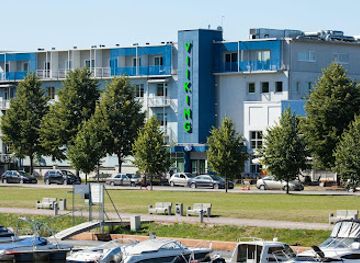
Viiking SPA Hotel
Discover the ultimate relaxation experience at Viiking SPA Hotel in Pärnu, Estonia, where luxury meets wellness in a serene coastal setting.
Explore Pärnumaa on the map
Plan your trip on one map. See where the top cities, national parks and sights are, and book hotels and experiences in a few clicks.
Best hotels in Pärnumaa
Best restaurants in Pärnumaa
Pärnumaa's dining scene is a tantalizing journey through Estonia's rich culinary traditions and innovative gastronomic flair. Visitors can expect to indulge in fresh, locally-sourced ingredients, with many restaurants boasting farm-to-table practices that highlight the region's abundant produce and seafood. From charming seaside eateries in Pärnu offering the freshest catches of the day, to cozy countryside taverns where traditional Estonian dishes like mulgipuder (a hearty potato and barley porridge) are served with a modern twist, the region promises a diverse array of flavors. Trendy bistros and cafes in the bustling heart of Pärnu town offer everything from artisanal pastries to exquisite gourmet meals, ensuring that every palate is catered to. Whether you're savoring a rustic meal in a historic manor or enjoying a contemporary culinary creation in a chic urban setting, Pärnumaa's dining establishments provide an unforgettable feast for the senses.
-
Pizza
Steffani
Experience the essence of Estonian pizza at Steffani in Pärnu—where tradition meets flavor in every slice.
-
Family-friendly
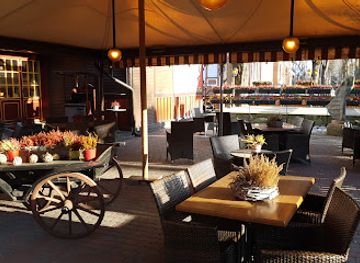
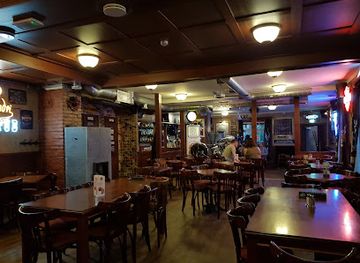
Aleksandri Pub
Discover Aleksandri Pub in Pärnu – a family-friendly haven serving delicious local dishes and refreshing drinks amidst a cozy atmosphere.
-
Restaurant
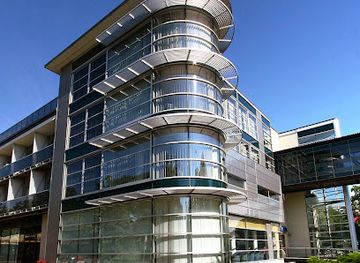
ESTONIA Resort Hotel & Spa
Experience ultimate relaxation at Estonia Resort Hotel & Spa - where luxury meets wellness in beautiful Pärnu.
-
German
Restoran Edelweiss
Discover the flavors of Germany at Restoran Edelweiss in Pärnu - where tradition meets taste in a cozy atmosphere.
Best bars in Pärnumaa
Pärnumaa's nightlife scene is a hidden gem that offers a unique blend of vibrant energy and Baltic charm, perfect for those seeking an unforgettable evening. In the heart of Pärnu, the region's bustling seaside town, you can find stylish beach bars like Sunset Club, where you can sip cocktails while enjoying panoramic views of the Baltic Sea. As the night deepens, head to the trendy Pärnu Yacht Club for a more upscale experience, complete with live music and a sophisticated crowd. For those who enjoy dancing, Club Sugar is the place to be, featuring international DJs and a lively dance floor that pulsates until the early hours. Beyond Pärnu, smaller towns like Kilingi-Nõmme and Tõstamaa offer cozy pubs and local taverns where you can mingle with friendly locals and experience traditional Estonian hospitality. Each venue in Pärnumaa offers a distinct atmosphere, ensuring that every night out is a new adventure.
-
Family-friendly
Aleksandri Pub
Experience the warmth of Estonian hospitality at Aleksandri Pub, a family-friendly dining spot in the heart of Pärnu.
-
Pub
Sweet Rosie Irish Pub
Discover the delightful ambiance and local flavors at Sweet Rosie Irish Pub in Pärnu, Estonia, perfect for tourists seeking an authentic experience.
-
Pub
Bum Bum Pubi
Experience the lively atmosphere and delicious offerings at Bum Bum Pubi, a vibrant pub in the heart of Pärnu, Estonia.
-
Pub
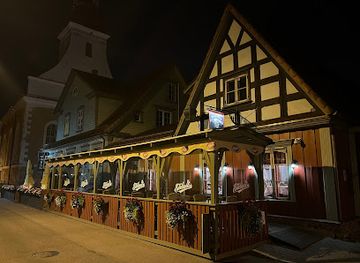
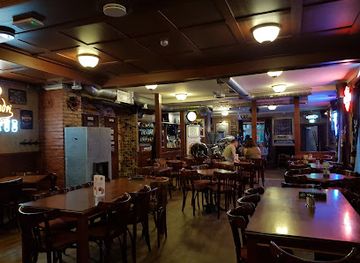
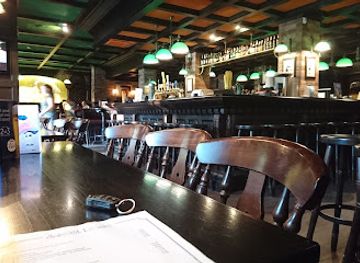
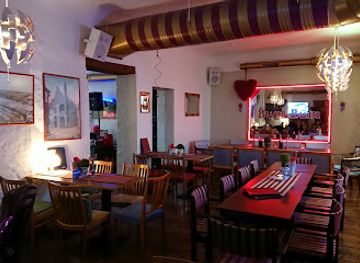
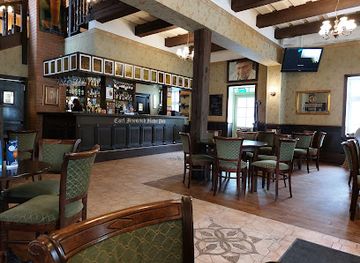
C.F Hahn pub
Experience the vibrant atmosphere and local flavors at C.F. Hahn Pub in Pärnu, perfect for food and drink lovers.
Best nightclubs in Pärnumaa
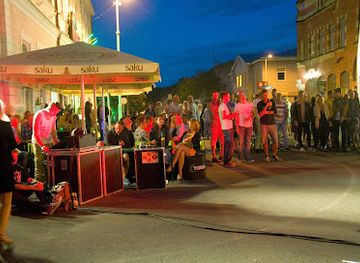
Pärnumaa's nightlife scene is a hidden gem that offers a unique blend of vibrant energy and Baltic charm, perfect for those seeking an unforgettable evening. In the heart of Pärnu, the region's bustling seaside town, you can find stylish beach bars like Sunset Club, where you can sip cocktails while enjoying panoramic views of the Baltic Sea. As the night deepens, head to the trendy Pärnu Yacht Club for a more upscale experience, complete with live music and a sophisticated crowd. For those who enjoy dancing, Club Sugar is the place to be, featuring international DJs and a lively dance floor that pulsates until the early hours. Beyond Pärnu, smaller towns like Kilingi-Nõmme and Tõstamaa offer cozy pubs and local taverns where you can mingle with friendly locals and experience traditional Estonian hospitality. Each venue in Pärnumaa offers a distinct atmosphere, ensuring that every night out is a new adventure.
-
Pub
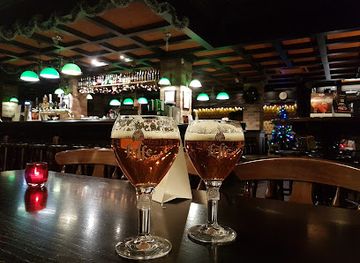
Sweet Rosie Irish Pub
Discover the vibrant atmosphere and delightful flavors at Sweet Rosie Irish Pub in Pärnu, your go-to spot for authentic Irish hospitality.
-
Karaoke bar
Karaokebaar Coco Loco
Experience the joy of karaoke at Karaokebaar Coco Loco in Pärnu, where every night is a celebration of music and fun.
-
Night club
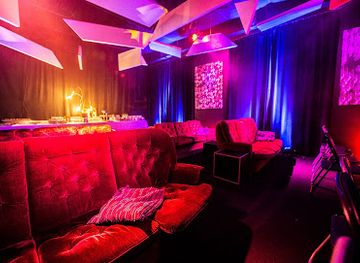
APTEK
Discover the vibrant nightlife at APTEK, Pärnu's premier night club and cocktail bar, where unforgettable nights await in a lively atmosphere.
-
Night club
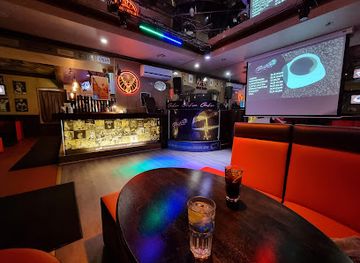
Kultuuriklubi Tempel /avamine 2024 /
Experience the vibrant nightlife at Kultuuriklubi Tempel, Pärnu's top night club for dancing, music, and unforgettable memories.
Best shops in Pärnumaa
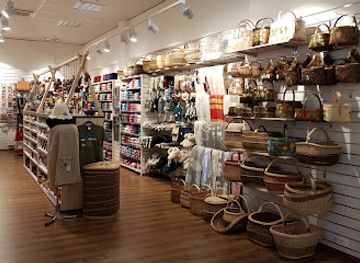
Pärnumaa offers a delightful fusion of traditional Estonian craftsmanship and contemporary shopping experiences, making it a paradise for discerning travelers. In Pärnu, the region's vibrant hub, you can explore charming boutiques that showcase exquisite local handicrafts, from intricate knitwear and ceramics to beautifully woven textiles. Wander through the bustling markets where you can sample and purchase delicious local produce, including honey, smoked fish, and artisan bread. Modern shopping centers also dot the area, offering a range of international brands and stylish Estonian designs. For a unique experience, visit the quaint village shops in places like Kilingi-Nõmme and Tõstamaa, where time-honored traditions meet friendly, personalized service.
-
Shopping mall
Kaubamajakas
Discover Pärnu's vibrant shopping haven at Kaubamajakas, where variety and entertainment await in a modern setting.
-
Shopping mall
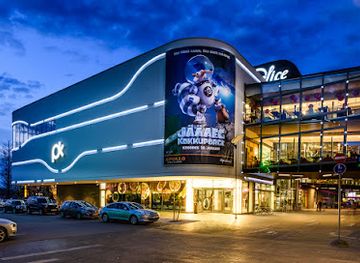
Pärnu Center
Explore Pärnu Center: A shopping haven featuring diverse stores, delicious dining, and vibrant entertainment in the heart of Pärnu.
-
Shopping mall
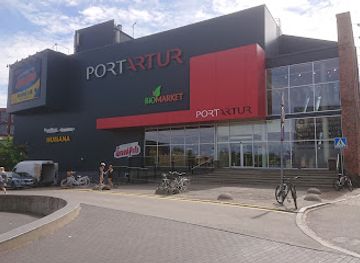
Port Artur
Explore Port Artur in Pärnu: A vibrant shopping mall with diverse stores, dining options, and engaging events for every tourist's enjoyment.
-
Supermarket
Pärnu Maksimarket
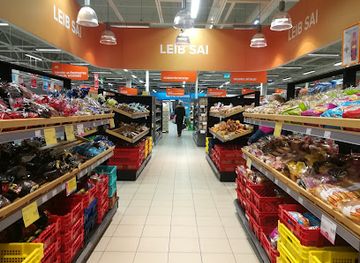
Discover the flavors of Estonia at Pärnu Maksimarket, your one-stop supermarket for fresh local produce and everyday essentials.
Get your free copy of our complete guide to Pärnumaa, delivered straight to you.
Everything on this page, from attractions and restaurants to essentials and local phrases, in one PDF you can read offline, print or share.
Already have an account? Sign in
Your Pärnumaa guide is ready.
We'll send it to · Not you? Sign out

Getting your guide ready…
We are putting together a fresh copy of the Pärnumaa guide. This can take up to a minute.
This can take a few moments. If your browser asks, choose Allow so the download can start. You'll find the guide in your Downloads folder.
Nothing happened? Download it again
Sorry, the guide is taking longer than usual. Please try again in a minute, or get it by email instead.
Pärnumaa essentials
Currency and Payment
Safety
Emergency Situations
Do's and Don'ts
Local Tips
From Eve
Local phrases worth knowing
You don't need to get them perfect. A few words go a long way, and locals appreciate the effort.
Basics
| English | Local | Say it |
|---|---|---|
| Hello | Tere | [teh-reh] |
| Goodbye | Head aega | [hed ai-gah] |
| Yes | Jah | [yah] |
| No | Ei | [ay] |
| Please/You're welcome | Palun | [pah-loon] |
| Thank you | Aitäh | [ai-tah] |
| Excuse me/Sorry | Vabandust | [vah-bahn-doost] |
| How are you? | Kuidas sul läheb? | [kwee-dahs sool leh-heb] |
| Fine. And you? | Hästi. Ja sinuga? | [hes-tee. yah see-noo-gah] |
| Do you speak English? | Kas sa räägid inglise keelt? | [kas sah rah-eeg-id in-glee-seh kaylt] |
| I don't understand | Ma ei saa aru | [mah ay zah ah-roo] |
Eating & Drinking
| English | Local | Say it |
|---|---|---|
| I'd like to see the menu, please | Tahaksin menüüd näha, palun | [tah-aks-in meh-nüüd nah-hah, pah-loon] |
| I don't eat meat | Ma ei söö liha | [mah ay suh lih-hah] |
| Cheers! | Terviseks! | [ter-vee-seks] |
| I would like to pay, please | Tahaksin maksta, palun | [tah-aks-in mak-stah, pah-loon] |
Emergencies
| English | Local | Say it |
|---|---|---|
| Help! | Aita! | [eye-tah] |
| Go away! | Mine ära! | [min-eh eh-rah] |
| Call the Police! | Kutsu politsei! | [koot-soo poh-lit-sei] |
| Call a doctor! | Kutsu arst! | [koot-soo arst] |
| I'm lost | Ma olen eksinud | [mah oh-len eks-ee-nud] |
| I'm ill | Ma olen haige | [mah oh-len hi-geh] |
Shopping
| English | Local | Say it |
|---|---|---|
| I'd like to buy... | Tahaksin osta... | [tah-aks-in oh-stah] |
| I'm just looking | Ma lihtsalt vaatan | [mah leess-talt vah-tahn] |
| How much is it? | Kui palju see maksab? | [kwee pah-lyoo seh mak-sahb] |
| That's too expensive | See on liiga kallis | [seh on lee-gah kah-lis] |
| Can you lower the price? | Kas sa saad hinda alandada? | [kas sah sahd hin-dah ah-lan-dah] |
Time & Numbers
| English | Local | Say it |
|---|---|---|
| What time is it? | Mis kell on? | [mis kel on] |
| It's one o'clock | Kell on üks | [kel on uks] |
| Half past (10) | Kell on pool kümme | [kel on pool ky-meh] |
| Morning | Hommik | [hom-mik] |
| Afternoon | Pärastlõuna | [pah-raast-loo-nah] |
| Evening | Õhtu | [uh-thoo] |
| Yesterday | Eile | [ay-leh] |
| Today | Täna | [tah-nah] |
| Tomorrow | Homme | [hom-meh] |
| 1 | Üks | [uuks] |
| 2 | Kaks | [kahks] |
| 3 | Kolm | [kolm] |
| 4 | Neli | [neh-lee] |
| 5 | Viis | [vees] |
| 6 | Kuus | [koos] |
| 7 | Seitsme | [saits-meh] |
| 8 | Kaheksa | [kah-heks-ah] |
| 9 | Üheksa | [u-heks-ah] |
| 10 | Kümme | [ky-meh] |
Transport & Directions
| English | Local | Say it |
|---|---|---|
| Where's a/the...? | Kus on ...? | [koos on ...?] |
| What's the address? | Mis on aadress? | [mis on aa-dress] |
| Can you show me (on the map)? | Kas sa saad mulle näidata (kaardil)? | [kas sah sahd moo-leh nai-da-ta (kahr-deel)?] |
| When's the next (bus)? | Millal tuleb järgmine (buss)? | [mil-lal too-leb yahrg-mee-neh (boos)?] |
| A ticket (to ....) | Pilet (....-le) | [pee-let (....-leh)] |
History of Pärnumaa
Ancient Settlements and Early Inhabitants
The history of Pärnumaa dates back to ancient times, with evidence of human settlement as early as the Mesolithic period. Archaeological findings, such as stone tools and pottery, suggest that the area was inhabited by hunter-gatherer communities. As time progressed, these early inhabitants transitioned to agriculture, marking the beginning of a more settled lifestyle in the region.
Medieval Period and Hanseatic League
During the medieval period, Pärnumaa became an important region within the Hanseatic League, a powerful economic and defensive alliance of merchant guilds and market towns in Northwestern and Central Europe. Pärnu, the main city of Pärnumaa, was established as a significant trading hub, facilitating commerce between the Baltic and North Seas. The construction of Pärnu Castle in the 13th century further solidified the region's strategic importance.
Swedish and Russian Rule
The 17th and 18th centuries saw Pärnumaa change hands between Swedish and Russian control. The Treaty of Oliva in 1660 marked the end of the Polish-Swedish War, leading to Swedish dominance in the region. However, the Great Northern War (1700-1721) resulted in Russian victory, and Pärnumaa became part of the Russian Empire. This period brought significant changes to the region's administrative and social structures.
The Birth of the Estonian Republic
The early 20th century was a transformative period for Pärnumaa, as Estonia declared its independence on February 24, 1918. Pärnumaa played a crucial role in the Estonian War of Independence (1918-1920), with local forces contributing to the fight against both German and Bolshevik troops. The interwar period saw Pärnumaa flourish as part of the newly established Republic of Estonia, with developments in infrastructure and culture.
Soviet Occupation and World War II
Pärnumaa, like the rest of Estonia, experienced significant upheaval during World War II. The Soviet Union occupied Estonia in 1940, followed by a brief German occupation from 1941 to 1944. The return of Soviet forces in 1944 marked the beginning of a lengthy period of Soviet rule, which lasted until Estonia regained independence in 1991. This era was characterized by political repression, forced collectivization, and significant demographic changes.
Modern Pärnumaa
Since regaining independence in 1991, Pärnumaa has undergone significant economic and cultural revitalization. The region has embraced its historical heritage while also developing as a modern tourist destination. Pärnu, known for its beautiful beaches and spa culture, has become a popular destination for both domestic and international visitors. The preservation of historical sites and promotion of local traditions continue to be key aspects of Pärnumaa's identity.
Pärnumaa in Photos
Browse through our photo collection highlighting the charm and character of the destination.
Neighbouring regions of Pärnumaa
The closest regions to Pärnumaa, if you have time for more than one.
-

-

-

-

-


Swipe for more regions
Explore more

Explore more of Estonia
Discover Estonia: A perfect blend of medieval charm, modern innovation, and natural beauty in the heart of Northern Europe.
Explore Estonia