

Parnu Beach Travel Guide - Free Web & App
Your ultimate guide to Parnu Beach. Discover top landmarks, proposed trips, and local tips. Free on the web or via the Evendo companion app.


Pärnu Beach, Estonia, pairs Baltic sands and shallow waters with spa heritage, beach promenades, summer cafés, historic streets and coastal activities.
Beach and Coastal Setting
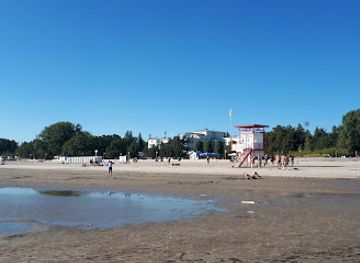
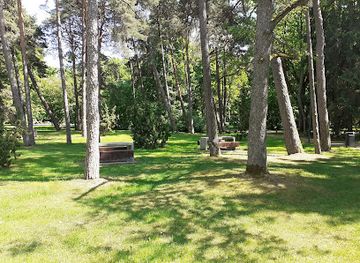
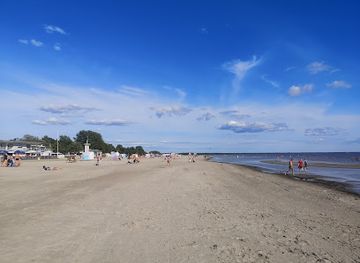
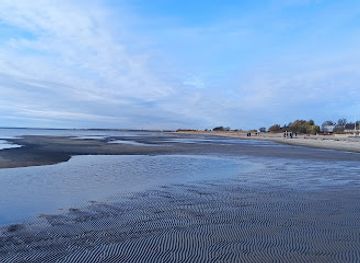
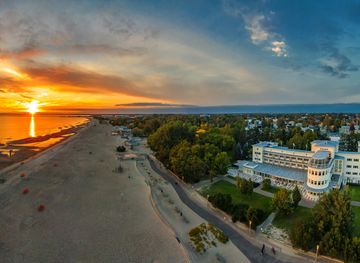
Pärnu Beach occupies the western edge of Pärnu, Estonia’s principal resort city, where a broad sweep of pale sand meets the shallow waters of Pärnu Bay. The beach is backed by a landscaped promenade and Rannapark, a leafy urban park that separates the shoreline from the historic resort quarter. Its gently shelving water and sheltered position have long made it popular for summer bathing, while the open coast provides space for walking, sunbathing and observing changing Baltic weather. At the beach’s southern end, the Pärnu mole extends towards the river mouth and offers a distinctive perspective across the bay.Read more about Parnu Beach
Resort Heritage and City Life
Seasonal Experiences
When is the best time to visit Parnu Beach?
Best: June–August · 22–24°C| Month | High (°C) | Rainfall (mm) |
|---|---|---|
| January | 3 | 35 |
| February | 3 | 30 |
| March | 5 | 25 |
| April | 11 | 20 |
| May | 18 | 15 |
| June (best) | 22 | 15 |
| July (best) | 24 | 25 |
| August (best) | 23 | 25 |
| September | 18 | 25 |
| October | 13 | 30 |
| November | 8 | 35 |
| December | 3 | 35 |
Getting to and around Parnu Beach
How to get there
Transportation
Best attractions in Parnu Beach
Pärnu Beach is the principal attraction, with a broad sandy shore, shallow Baltic water and a long promenade suited to walking and cycling. Rannapark, the landscaped green space behind the beach, links the shoreline with the historic resort quarter and provides a pleasant setting away from the busiest sand. At the southern edge, the Pärnu mole reaches towards the river mouth and gives open views over Pärnu Bay, although exposed weather can make its surfaces slippery. Inland, visitors can combine the beach with Pärnu’s compact historic centre, the Pärnu Museum, the Museum of New Art and the Red Tower, one of the city’s best-known medieval remnants. Spa buildings and resort villas add architectural interest, while the Pärnu River waterfront places the beach within a broader estuarine landscape. Summer visitors may also find seasonal leisure and cultural activities around the promenade, but the extent of services changes outside the main holiday period.
-
Pärnu Beach
Discover the beauty of Pärnu Beach, a vibrant destination in Estonia perfect for relaxation, family fun, and unforgettable seaside experiences.
-
Park
Rannapargi elevandid
Discover the whimsical charm of Rannapargi elevandid in Pärnu, where nature meets art in a serene park setting perfect for families and nature lovers.
Best landmarks in Parnu Beach
The broad sandy shore of Pärnu Beach is the destination’s defining natural landmark, its shallow profile and sheltered position helping explain the city’s long bathing tradition. The Pärnu mole is a prominent man-made coastal feature at the river entrance, extending the city into views across Pärnu Bay. Behind the beach, Rannapark represents the planned landscape of the resort era, while historic spa buildings and villas record the nineteenth- and twentieth-century development of seaside tourism. Inland landmarks place the coast within Pärnu’s older history: the Red Tower is a surviving medieval defensive structure, and the historic centre preserves the identity of a former river-port town. The Pärnu River, its mouth and the bay also give the beach a geographical context that differs from an exposed open-ocean coast, with urban engineering and a changing shoreline shaping the visitor landscape.
-
Hotel
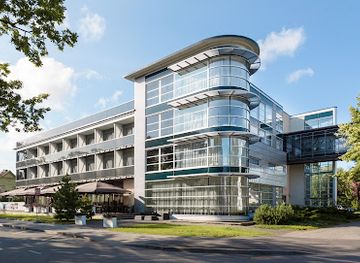
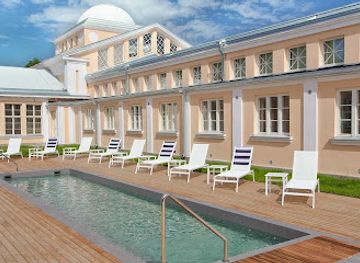
ESTONIA Resort Hotel & Spa
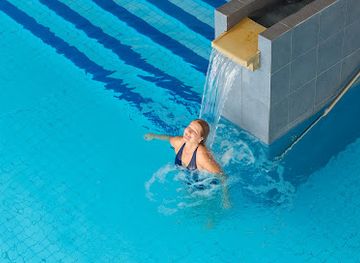
Experience luxury and relaxation at ESTONIA Resort Hotel & Spa in Pärnu, where wellness meets exquisite dining and stunning surroundings.
-
Beach
Pärnu Beach
Experience the beauty of Pärnu Beach, Estonia's premier destination for sun, sand, and vibrant beach life with family-friendly activities.
-
Hotel
Hedon SPA & HOTEL
Experience luxury and relaxation at Hedon SPA & HOTEL in Pärnu, where wellness meets exquisite dining and stunning seaside views.
-
Medical spa
ESTONIA Medical Spa & Hotel
Discover relaxation and rejuvenation in Pärnu at the ESTONIA Medical Spa & Hotel, where wellness meets comfort in a stunning coastal setting.
Explore Parnu Beach on the map
Plan your trip on one map. See where the top attractions, landmarks, restaurants and hotels are, and book hotels and experiences in a few clicks.
Best hotels in Parnu Beach
Best restaurants in Parnu Beach
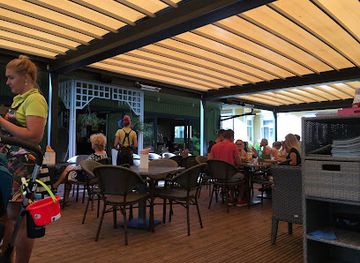
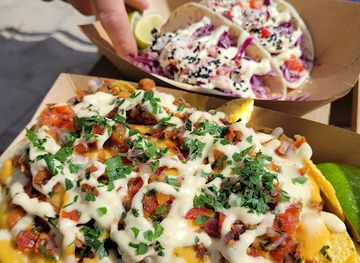
Dining around Pärnu Beach is concentrated in the city rather than on an isolated coastal strip. The promenade and nearby resort quarter have seasonal cafés and casual places suited to a day by the water, while the centre provides a broader choice of restaurants, bakeries, coffee shops and pubs. Estonian cooking commonly draws on rye bread, potatoes, dairy produce, berries, mushrooms and fish, with menus reflecting both Baltic and wider northern European influences. Pärnu’s coastal setting makes fish and other seafood available in local dining, although particular dishes and menus vary. Visitors staying in the beach district can walk into town for more choice, while those exploring the wider county will find food options more dependent on individual settlements and opening patterns. Farm shops and local producers beyond the city offer opportunities to encounter regional ingredients, but should be treated as separate rural stops rather than beach facilities.
-
Pizza
Steffani Suve Pizzarestoran
Discover authentic pizza flavors at Steffani Suve Pizzarestoran in Pärnu – where fresh ingredients meet delightful dining experiences.
-
Restaurant
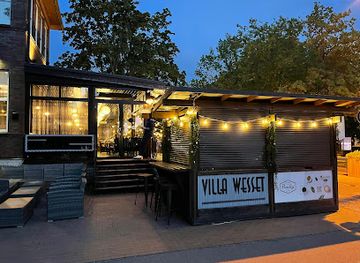
Restoran Villa Wesset
Experience the finest Estonian cuisine at Restoran Villa Wesset in Pärnu—where tradition meets innovation in every dish.
-
Restaurant
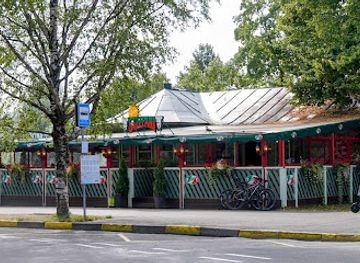
Restoran Mack Bar-B-Que BeachClub
Experience mouth-watering BBQ and vibrant beach vibes at Restoran Mack Bar-B-Que BeachClub in Pärnu.
-
Restaurant
Statka Resto
Experience authentic Estonian cuisine at Statka Resto in Pärnu - where local flavors meet cozy ambiance.
Best bars in Parnu Beach
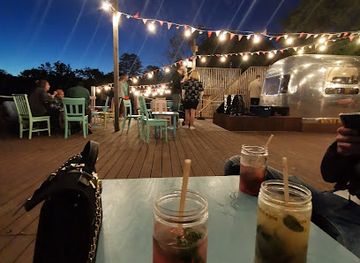
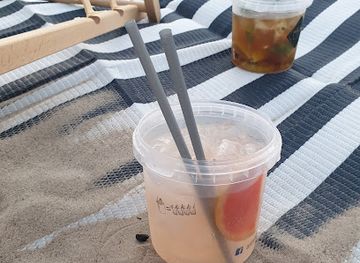
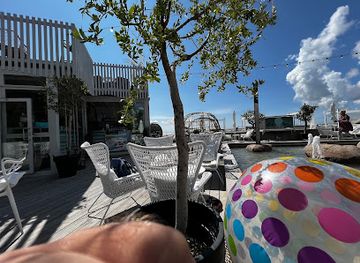
Pärnu has a seasonal evening scene that is more active in summer than at other times of year. Around the beach and central streets, visitors can find cafés, hotel bars, pubs and restaurants where evenings tend to centre on conversation, outdoor seating and the resort atmosphere rather than a concentrated nightlife district. Summer cultural programming may add concerts, performances or late-opening venues, but event schedules change and should be checked locally. The beach itself is not an all-night entertainment zone, and quieter months bring a noticeably calmer atmosphere. Spa hotels and the historic centre provide the most reliable settings for a relaxed drink after a day on the shore, while larger clubs or event venues, when operating, are generally associated with Pärnu city rather than the sand and promenade.
-
¿Qué pasa?
Experience the vibrant cocktail culture at ¿Qué pasa? in Pärnu, where creative drinks and a lively atmosphere await every visitor.
-
PÕKS Beach Bar
Discover the vibrant atmosphere of PÕKS Beach Bar in Pärnu, where refreshing drinks and stunning beach views await you.
-
Beach lounge
Experience the perfect blend of relaxation and vibrant atmosphere at Pärnu's Beach Lounge, a must-visit for every summer traveler.
-
OAAS rannabaar
Discover the vibrant atmosphere of OAAS Rannabaar in Pärnu, Estonia, where refreshing drinks and seaside charm meet.
Best nightclubs in Parnu Beach
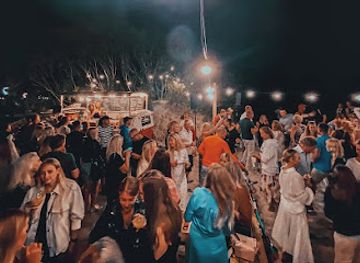
Pärnu has a seasonal evening scene that is more active in summer than at other times of year. Around the beach and central streets, visitors can find cafés, hotel bars, pubs and restaurants where evenings tend to centre on conversation, outdoor seating and the resort atmosphere rather than a concentrated nightlife district. Summer cultural programming may add concerts, performances or late-opening venues, but event schedules change and should be checked locally. The beach itself is not an all-night entertainment zone, and quieter months bring a noticeably calmer atmosphere. Spa hotels and the historic centre provide the most reliable settings for a relaxed drink after a day on the shore, while larger clubs or event venues, when operating, are generally associated with Pärnu city rather than the sand and promenade.
-
PÕKS Beach Bar
Experience the vibrant atmosphere of PÕKS Beach Bar in Pärnu, where refreshing drinks and stunning coastal views await every visitor.
-
Night club
Nightclub Sunset
Discover the vibrant nightlife of Pärnu at Nightclub Sunset, where electrifying music and a lively atmosphere create unforgettable experiences.
-
Night club
Club Globe
Discover the electrifying nightlife of Pärnu at Club Globe, where music and fun blend to create unforgettable nights.


Best shops in Parnu Beach
-
Second hand store
Jenny Kruse Heategevuspood
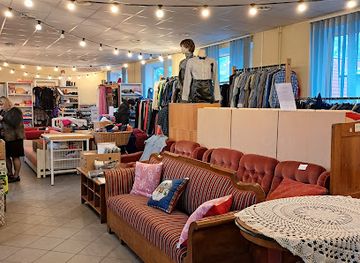
Explore the charm of vintage shopping at Jenny Kruse Heategevuspood, where every item has a story and contributes to a charitable cause.
-
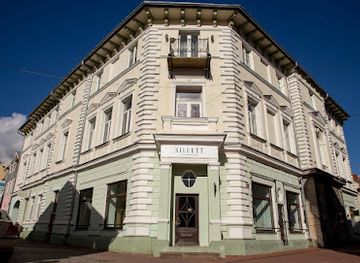
Fashion accessories store
Siluett Eesti moe pood
Explore Siluett Eesti Moe Pood in Pärnu for unique fashion accessories that capture the essence of Estonian craftsmanship and style.
-
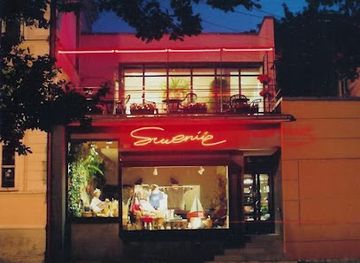
Gift shop
Suveniir OÜ
Explore Suveniir OÜ in Pärnu for unique gifts and authentic Estonian souvenirs that capture the spirit of your travels.
-
Fashion accessories store
Pea Peenar OÜ
Discover unique Estonian fashion at Pea Peenar OÜ, a trendy accessories store and design agency in Pärnu, perfect for tourists seeking original styles.
Get your free copy of our complete guide to Parnu Beach, delivered straight to you.
Everything on this page, from attractions and restaurants to essentials and local phrases, in one PDF you can read offline, print or share.
Already have an account? Sign in
Your Parnu Beach guide is ready.
We'll send it to · Not you? Sign out

Getting your guide ready…
We are putting together a fresh copy of the Parnu Beach guide. This can take up to a minute.
This can take a few moments. If your browser asks, choose Allow so the download can start. You'll find the guide in your Downloads folder.
Nothing happened? Download it again
Sorry, the guide is taking longer than usual. Please try again in a minute, or get it by email instead.
Parnu Beach essentials
Currency and Payment
Safety
Emergency Situations
Do's and Don'ts
Local Tips
From Eve
Local phrases worth knowing
You don't need to get them perfect. A few words go a long way, and locals appreciate the effort.
Basics
| English | Local | Say it |
|---|---|---|
| Hello | Tere | [Teh-reh] |
| Goodbye | Head aega | [Heh-ad eye-gah] |
| Yes | Jah | [Yah] |
| No | Ei | [Aye] |
| Please/You're welcome | Palun | [Pah-loon] |
| Thank you | Aitäh | [Eye-tah] |
| Excuse me/Sorry | Vabandage | [Vah-buhn-dah-geh] |
| How are you? | Kuidas sul läheb? | [Kwee-dahs sool lay-heb?] |
| Fine. And you? | Hästi. Ja sina? | [Hah-stee. Yah see-nah?] |
| Do you speak English? | Kas te räägite inglise keelt? | [Kahs teh rah-gee-teh eeng-lee-seh kehlt?] |
| I don't understand | Ma ei saa aru | [Mah aye sah ah-roo] |
Eating & Drinking
| English | Local | Say it |
|---|---|---|
| I'd like to see the menu, please | Ma sooviksin näha menüüd, palun | [Mah soh-veek-seen nah-hah meh-nyoo-d, pah-loon] |
| I don't eat meat | Ma ei söö liha | [Mah aye suh leeh-hah] |
| Cheers! | Terviseks! | [Tehr-vee-seks] |
| I would like to pay, please | Ma sooviksin maksta, palun | [Mah soh-veek-seen mahk-stah, pah-loon] |
Emergencies
| English | Local | Say it |
|---|---|---|
| Help! | Appi! | [Ah-pee!] |
| Go away! | Mine minema! | [Mee-neh mee-neh-mah!] |
| Call the Police! | Helista politseisse! | [Heh-lee-stah poh-leet-seh-ee-seh!] |
| Call a doctor! | Helista arstile! | [Heh-lee-stah ahr-stee-leh!] |
| I'm lost | Olen eksinud | [Oh-lehn ehk-see-nood] |
| I'm ill | Ma olen haige | [Mah oh-lehn hah-ee-geh] |
Shopping
| English | Local | Say it |
|---|---|---|
| I'd like to buy... | Ma tahaksin osta... | [Mah tah-hahk-seen oh-stah] |
| I'm just looking | Ma vaatan ainult | [Mah vah-tahn aye-noolt] |
| How much is it? | Kui palju see maksab? | [Kwee pahl-yoo seh mahk-sahb?] |
| That's too expensive | See on liiga kallis | [Seh ohn lee-gah kahl-lees] |
| Can you lower the price? | Kas saate hinda alandada? | [Kahs sah-teh hin-dah ah-lahn-dah-dah?] |
Time & Numbers
| English | Local | Say it |
|---|---|---|
| What time is it? | Mis kell on? | [Mees kell ohn?] |
| It's one o'clock | On üks tund | [Ohn yks toond] |
| Half past (10) | Pool (10) | [Pohl (detsimt)] |
| Morning | Hommik | [Hohm-meek] |
| Afternoon | Pärastlõuna | [Pah-rahst-loh-oo-nah] |
| Evening | Õhtu | [Ooht-oo] |
| Yesterday | Eile | [Ay-leh] |
| Today | Täna | [Tah-nah] |
| Tomorrow | Homme | [Hohm-meh] |
| 1 | Üks | [Yks] |
| 2 | Kaks | [Kah-ks] |
| 3 | Kolm | [Kohlm] |
| 4 | Neli | [Neh-lee] |
| 5 | Viis | [Veese] |
| 6 | Kuus | [Koos] |
| 7 | Seitse | [Say-tseh] |
| 8 | Kaheksa | [Kah-hek-sah] |
| 9 | Üheksa | [Y-hek-sah] |
| 10 | Kümme | [Koom-meh] |
Transport & Directions
| English | Local | Say it |
|---|---|---|
| Where's a/the...? | Kus on ...? | [Koos ohn ...?] |
| What's the address? | Mis on aadress? | [Mees ohn ah-ah-dress?] |
| Can you show me (on the map)? | Kas saate mulle näidata (kaardil)? | [Kahs sah-teh mool-leh nah-ee-tah (kaahr-deel)?] |
| When's the next (bus)? | Millal on järgmine (buss)? | [Meel-lahl ohn yairg-mee-neh (boos)?] |
| A ticket (to ....) | Pilet (....-i) | [Pee-leht (....-ee)] |
History of Parnu Beach
A Coastal Landscape Shaped by the Baltic
Pärnu Beach lies on the coast of Pärnu Bay, part of the eastern Baltic Sea, in a landscape influenced by coastal sediment, shallow water and the meeting of the Pärnu River with the bay. The shoreline has changed gradually through natural coastal processes and human engineering, including the construction and maintenance of the river moles. These structures helped regulate the river entrance and remain among the beach area’s most recognisable features. The broad, gently sloping shore later became particularly suitable for organised bathing and resort development.
Medieval Pärnu and the River Port
The history of the beach is inseparable from Pärnu’s older role as a river-mouth settlement and trading centre. Medieval Pärnu developed around fortified urban communities associated with the Bishopric of Ösel-Wiek and the Hanseatic trading world. The town’s maritime and river connections shaped its economic importance, although the historic centre stood inland from the open beach. Surviving traces such as the Red Tower and the street pattern of central Pärnu provide context for understanding how the modern resort grew beside an older commercial and defensive town.
The Rise of a Seaside Resort
Pärnu began developing as a bathing resort in the nineteenth century, when European enthusiasm for seaside cures and therapeutic bathing reached the town. The establishment of bathhouses and spa facilities transformed the coastal edge from a working landscape into a place designed for leisure and health. Visitors were drawn by seawater bathing, sandy shores and the use of local therapeutic mud. Resort architecture, landscaped parks and promenades gradually connected the beach with the town, establishing the pattern that still defines Pärnu Beach.
War, Occupation and Reconstruction
Like the rest of Estonia, Pärnu experienced the upheavals of the twentieth century, including the Second World War and successive Soviet and German occupations. Resort life was interrupted and the town’s buildings and institutions were adapted to changing political conditions. During the Soviet period, Pärnu remained an important health-resort destination, with sanatoriums and organised holiday travel bringing large numbers of visitors to the coast. This period contributed to the city’s continuing association with spa treatment, even as the architectural and social character of seaside tourism changed.
Modern Coastal Tourism and Spa Culture
After Estonia restored independence in 1991, Pärnu’s beach and spa traditions were reshaped for a more independent, international tourism market. Historic resort buildings, urban parks and the shoreline continue to support a mixture of bathing, wellness, cultural events and seasonal recreation. The city’s museums and heritage sites place the beach within a much longer story of trade, health tourism and coastal urban development. Contemporary Pärnu balances its summer resort identity with year-round cultural life and careful management of a heavily used Baltic shoreline.
Parnu Beach in Photos
Browse through our photo collection highlighting the charm and character of the destination.
Neighbouring destination travel guides
The closest destinations to Parnu Beach, if you have time for more than one.
-

-

-

-

-


Swipe for more destinations
Explore more
Explore more of Pärnumaa
Discover Pärnumaa: Estonia's coastal gem with serene beaches, rich history, and vibrant culture. Perfect for a summer escape or a peaceful retreat in nature.
Explore Pärnumaa
Explore more of Estonia
Discover Estonia: A perfect blend of medieval charm, modern innovation, and natural beauty in the heart of Northern Europe.
Explore Estonia