

Kirkjubøur, Hvalvík Travel Guide
Free Guide: Explore Kirkjubøur, the Faroe Islands' historical heart: discover Viking roots, medieval ruins, and ancient traditions in this charming village.


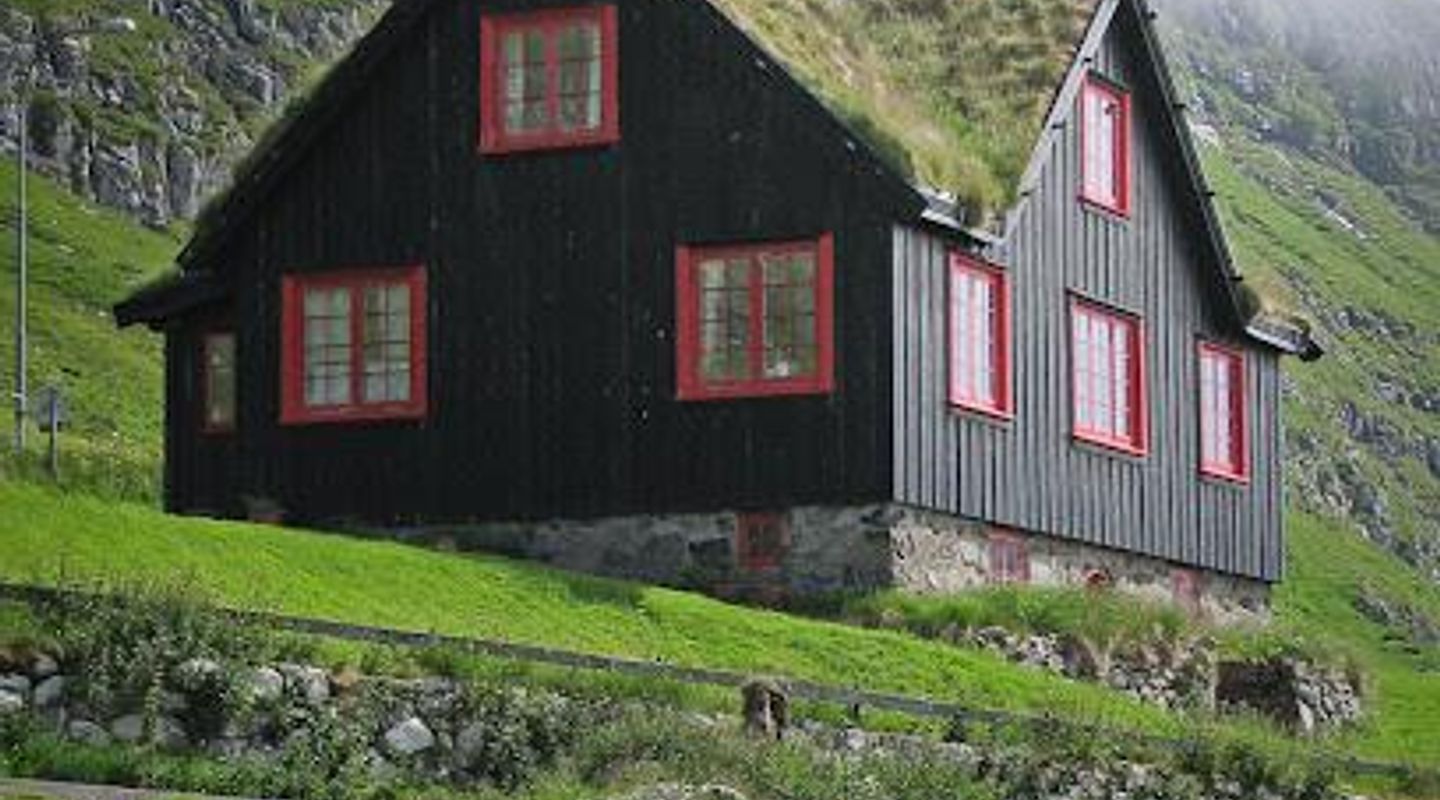
A brief summary of Kirkjubøur
Explore Kirkjubøur, the Faroe Islands' historical heart: discover Viking roots, medieval ruins, and ancient traditions in this charming village.
Kirkjubøur, located on the island of Streymoy, is the Faroe Islands' most significant historical site. This ancient village was once the episcopal center and is home to medieval ruins, including the Magnus Cathedral, the Olav's Church, and the Kirkjubøargarður farmhouse, offering a glimpse into the islands' rich past.
- Address
- Faroe Islands
Getting there
Public Transport
Walking
Driving
Discover more about Kirkjubøur
Overview
Kirkjubøur, nestled on the southern coast of Streymoy, is more than just a village; it's a portal into the heart of Faroese history. Once the Faroes' religious and cultural nucleus during the Middle Ages, Kirkjubøur is steeped in history and tradition.Founded in the Viking Age, Kirkjubøur rose to prominence in the early Middle Ages, becoming the seat of the Faroe Islands' diocese in 1111. The village's priest school was the sole educational institution in the Faroes until the Reformation in 1538. Bishop Erlendur, who served from 1269 to 1308, is one of Kirkjubøur's most notable historical figures, credited with writing the Sheep Letter (Seyðabrævið) in 1298, the oldest surviving document from the Faroe Islands.Key landmarks include the ruins of the Magnus Cathedral, a towering, roofless Gothic structure dating back to around 1300. Nearby stands the Olav's Church (Ólavskirkjan), a modest, white-washed stone church built around 1250 and still in active use. Kirkjubøargarður, also known as Roykstovan, is one of the oldest continuously inhabited wooden homes in the world, dating back to the 11th century.While exploring Kirkjubøur, visitors can wander through the ruins of Magnus Cathedral, explore the historic Olav's Church, and visit Kirkjubøargarður to experience traditional Faroese life.
Evendo Review Centre
 Google
Guest reviews
Explore Kirkjubøur on the map
A handpicked selection of must-see spots near Kirkjubøur, mapped for you.
Get your free copy of our complete guide to Kirkjubøur, delivered straight to you.
Everything on this page, from opening hours and how to get there to Eve’s tips and the best time to go, in one PDF you can read offline, print or share.
Already have an account? Sign in
Your Kirkjubøur guide is ready.
We'll send it to · Not you? Sign out

Getting your guide ready…
We are putting together a fresh copy of the Kirkjubøur guide. This can take up to a minute.
This can take a few moments. If your browser asks, choose Allow so the download can start. You'll find the guide in your Downloads folder.
Nothing happened? Download it again
Sorry, the guide is taking longer than usual. Please try again in a minute, or get it by email instead.
Unlock the best of Kirkjubøur
Skip-the-line tickets, guided tours with entry, and walking tours of the area, booked in a few clicks.

Other nearby places you may find interesting
The closest places of the same kind, if this one is not quite what you had in mind.
-

-
-
-
-


Swipe for more places
More to explore near Kirkjubøur

 Best experiences near Kirkjubøur
 Best hotels near Kirkjubøur
 Best landmarks near Kirkjubøur
 Best attractions near Kirkjubøur
 Best shops near Kirkjubøur
 Best restaurants near Kirkjubøur
 Best bars near Kirkjubøur
Do you manage this location?
Take control to get all the benefits, like improved information, better appearance, and stronger visibility across AI-powered discovery.
Explore more
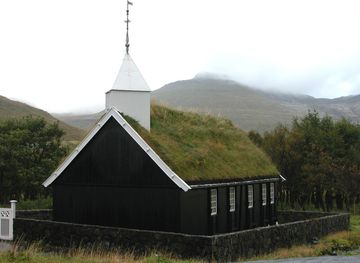
Explore more of Hvalvík
Discover the serene beauty of Hvalvík in the Faroe Islands, where lush landscapes, rich history, and traditional Faroese culture create an unforgettable escape.
Explore Hvalvík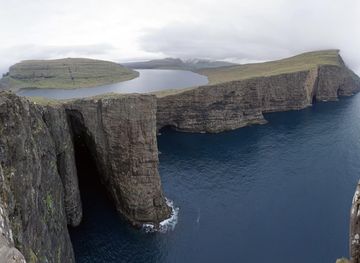
Explore more of Faroe Islands
Discover the Faroe Islands: A land of rugged beauty, rich history, and tranquil villages, perfect for nature lovers and adventurers seeking an off-the-beaten-path destination.
Explore Faroe Islands
