Koltur Travel Guide
Free Guide: Discover Koltur: An uninhabited Faroese island with Viking history, stunning landscapes, and unique wildlife, now a protected national park.


A brief summary of Koltur
Discover Koltur: An uninhabited Faroese island with Viking history, stunning landscapes, and unique wildlife, now a protected national park.
Koltur, one of the smallest islands in the Faroe archipelago, offers a unique glimpse into Faroese history and nature. Uninhabited since the 1980s, it's now a national park with restored Viking-era settlements and dramatic landscapes, perfect for hiking and experiencing the islands' remote beauty.
- Address
- Faroe Islands
Getting there
Boat
Helicopter (Limited)
Discover more about Koltur
Overview
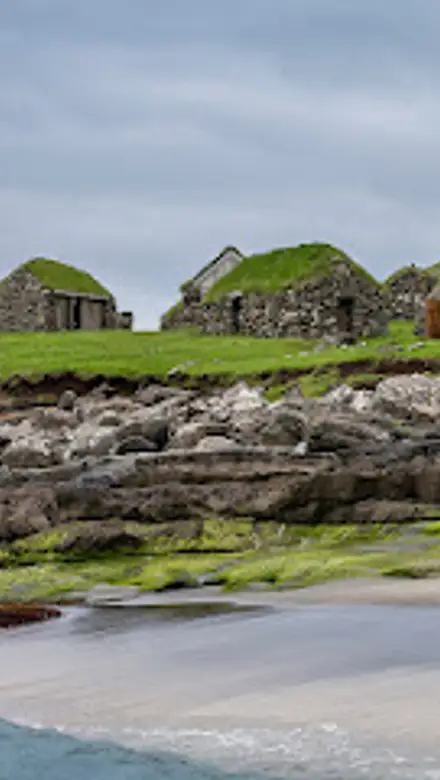
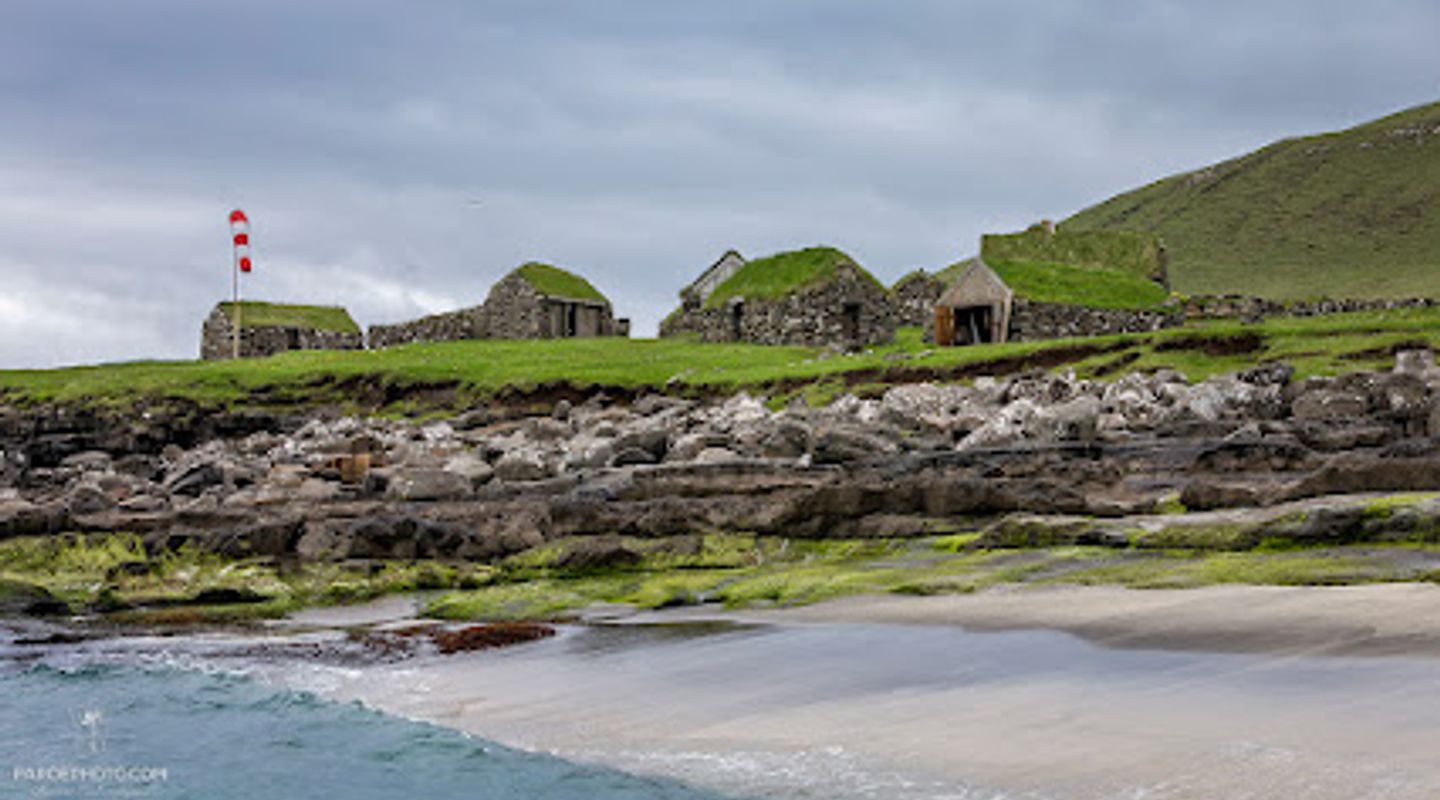
Koltur, meaning 'colt,' is a small, distinctive island located west of Streymoy in the Faroe Islands. This remote island, once home to a thriving farming community, now stands as a testament to Faroese history and natural beauty. The island is dominated by the cone-shaped peak of Kolturshamar (Uppi á Oyggj), rising 477 meters and providing a dramatic backdrop.Archaeological evidence indicates that barley cultivation existed on Koltur as far back as the Viking Age. The island's straw was highly valued for thatching due to the absence of mice. Koltur has two settlements: Heima í Húsi, a well-preserved farming community, and Norðuri í Gerði. The last permanent residents left in the 1980s, and since then, the island has been used for sheep farming and is now managed by the National Museum of the Faroe Islands as an open-air museum and a nature reserve.Koltur is undergoing a transition into a national park, with efforts to preserve both cultural and natural heritage. Visitors can explore the restored historical structures and experience the unique flora and fauna of the Faroe Islands. While there is no regular ferry service, boat trips are available during the summer, offering a chance to hike and explore the island's rugged terrain.
Evendo Review Centre
 Google
Guest reviews
Explore Koltur on the map
A handpicked selection of must-see spots near Koltur, mapped for you.
Get your free copy of our complete guide to Koltur, delivered straight to you.
Everything on this page, from opening hours and how to get there to Eve’s tips and the best time to go, in one PDF you can read offline, print or share.
Already have an account? Sign in
Your Koltur guide is ready.
We'll send it to · Not you? Sign out

Getting your guide ready…
We are putting together a fresh copy of the Koltur guide. This can take up to a minute.
This can take a few moments. If your browser asks, choose Allow so the download can start. You'll find the guide in your Downloads folder.
Nothing happened? Download it again
Sorry, the guide is taking longer than usual. Please try again in a minute, or get it by email instead.
Other nearby places you may find interesting
The closest places of the same kind, if this one is not quite what you had in mind.
-
-
-
-
-


Swipe for more places
More to explore near Koltur

 Best experiences near Koltur
 Best hotels near Koltur
 Best landmarks near Koltur
 Best attractions near Koltur
 Best shops near Koltur
 Best restaurants near Koltur
 Best bars near Koltur
Do you manage this location?
Take control to get all the benefits, like improved information, better appearance, and stronger visibility across AI-powered discovery.
Explore more

Explore more of Norðoyar
Discover Norðoyar in the Faroe Islands, where rugged landscapes, rich culture, and serene isolation combine to offer an unforgettable northern adventure.
Explore Norðoyar
Explore more of Faroe Islands
Discover the Faroe Islands: A land of rugged beauty, rich history, and tranquil villages, perfect for nature lovers and adventurers seeking an off-the-beaten-path destination.
Explore Faroe Islands