

Free Norðoyar Travel Guide & Mobile App
Explore Norðoyar with free travel guides. Discover regional history, expert tips, proposed trips, and audio guides on web or mobile app.


Explore Norðoyar in the Faroe Islands for steep Atlantic mountains, remote villages, fishing heritage, island ferries and memorable coastal walks.
Read more about Norðoyar
When is the best time to visit Norðoyar?
Best: June–August · 15–16°C| Month | High (°C) | Rainfall (mm) |
|---|---|---|
| January | 7 | 150 |
| February | 7 | 130 |
| March | 7 | 140 |
| April | 9 | 120 |
| May | 11 | 110 |
| June (best) | 15 | 100 |
| July (best) | 16 | 110 |
| August (best) | 16 | 120 |
| September | 14 | 130 |
| October | 11 | 140 |
| November | 9 | 150 |
| December | 7 | 160 |
Getting to and around Norðoyar
How to get there
Transportation
Top city travel guides in Norðoyar
The cities of Norðoyar, and the easiest places to base yourself.
-
-


Swipe for more cities
Destinations in Norðoyar
Resorts, valleys and scenic spots worth a trip of their own.
-
-

-


Swipe for more destinations
Best attractions in Norðoyar
Norðoyar’s attractions are defined by the close relationship between dramatic landscapes and inhabited places. Klaksvík provides the region’s main concentration of cultural facilities, harbour life, shops and visitor services, while the surrounding islands offer village walks, mountain scenery and encounters with a working maritime landscape. On Borðoy, roads lead towards settlements such as Norðoyri and Árnafjørður, where steep slopes and sheltered inlets reveal the geography that shaped local livelihoods. Kunoy and Viðoy are especially rewarding for visitors interested in high ridges, narrow valleys and panoramic views, although mountain access requires appropriate equipment and weather awareness. Kalsoy brings together remote villages, tunnels, coastal perspectives and walking routes associated with the legend of the Seal Woman; its famous Kópakonan statue stands near Mikladalur. Boat and helicopter connections can make Svínoy and Fugloy possible for carefully planned excursions, but these islands are best approached as living communities rather than quick sightseeing stops. Churches, small local collections, harbours and traditional houses add cultural depth, while birdwatching, hiking and landscape photography are the principal outdoor pursuits. Attractions are dispersed, and transport planning is part of the experience.
-
Sculpture
The Seal Woman (Kópakonan)
A bronze statue in Mikladalur, Faroe Islands, commemorating the haunting legend of the Seal Woman (Kópakonan) and the island's folklore.
-
Scenic spot
Kallur Lighthouse
Hike to the iconic Kallur Lighthouse on Kalsoy Island for breathtaking views and a touch of James Bond magic in the Faroe Islands.
-
Tourist attraction
Klakkur
Explore Klakkur, a stunning mountain in the Faroe Islands, offering breathtaking views and unforgettable hiking experiences for all adventurers.
-
Hiking area
Villingardalsfjall - Enniberg - Hike Startingpoint
Hike to the summit of Villingardalsfjall for panoramic views of the Faroe Islands' northernmost village and dramatic landscapes.


Best landmarks in Norðoyar
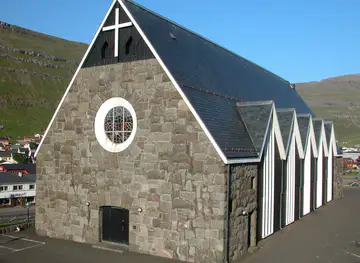
Christianskirkjan in Klaksvík is one of Norðoyar’s most recognisable buildings. Completed in the twentieth century, its large Faroese Lutheran church reflects the importance of Klaksvík as a regional centre and incorporates design and materials associated with Faroese culture. The town’s harbour and surrounding mountain amphitheatre form an equally significant working landmark, showing how fishing and maritime transport continue to organise the settlement. On Kalsoy, the Kópakonan statue near Mikladalur commemorates the island’s enduring Seal Woman legend and has become a widely recognised symbol of the northern islands. The village of Trøllanes, reached at the end of Kalsoy’s narrow road, provides a striking human counterpoint to the island’s open mountains and sea cliffs. Viðareiði is another defining landscape landmark, positioned between high mountains and exposed coastal waters on Viðoy. Across the region, turf-roofed houses, boat landings, stone walls and compact church villages are not isolated monuments but elements of a continuing settlement pattern shaped by farming, weather and the sea.
-
Historical place
Kirkjubømúrurin
Experience the rich cultural heritage and stunning landscapes of Kirkjubøur, the historical gem of the Faroe Islands.
-
Tourist attraction
Múlafossur Waterfall
Discover the breathtaking beauty of Múlafossur Waterfall, a hidden gem in the Faroe Islands surrounded by stunning landscapes and tranquil scenery.
-
Tourist attraction
Fossá
Discover the breathtaking Fossá Waterfall, the highest in the Faroe Islands, where nature's beauty and power come together in a spectacular display.
-
Cultural center
The Nordic House
Discover The Nordic House in Tórshavn—where art, culture, and Nordic traditions come together in a stunning architectural masterpiece.


Explore Norðoyar on the map
Plan your trip on one map. See where the top cities, national parks and sights are, and book hotels and experiences in a few clicks.
Best hotels in Norðoyar
Best restaurants in Norðoyar
Dining in Norðoyar reflects the wider Faroese food culture while retaining the practical character of a northern working region. Klaksvík has the broadest choice of cafés, bakeries, casual restaurants and places serving contemporary interpretations of local ingredients. Fish and seafood are central, with lamb, potatoes, rye bread and dairy products also common in Faroese cooking. Fermented fish and lamb are traditional foods, but they are usually encountered as part of a wider meal rather than an everyday requirement for visitors. Smaller villages have limited food provision, so carry supplies when travelling to Kalsoy, Svínoy or Fugloy and do not assume that a café will be open between transport connections. Local hospitality may include seasonal produce and home-style dishes, while the town’s restaurants offer a more modern approach to North Atlantic ingredients. Beer and other drinks produced in the Faroe Islands may appear alongside imported options, and advance planning is sensible for evening meals during the busiest summer weeks.
-
Restaurant
Fríða Kaffihús
Experience authentic Faroese cuisine in a charming café setting at Fríða Kaffihús in Klaksvík.
-
Restaurant
Hotel Føroyar
Discover unparalleled comfort and stunning views at Hotel Føroyar – your perfect retreat in the heart of the Faroe Islands.
-
Scandinavian
Katrina Christiansen
Experience authentic Scandinavian cuisine at Katrina Christiansen in Tórshavn, where local flavors meet exceptional dining.
-
Restaurant
Vestmanna Tourist Centre
Experience culinary delights and breathtaking boat tours at Vestmanna Tourist Centre in the beautiful Faroe Islands.


Best bars in Norðoyar
Klaksvík is the main centre of evening life in Norðoyar, with pubs, cafés, restaurants and occasional live music providing a sociable but relatively low-key scene. The town’s nightlife is shaped more by local community life, concerts and cultural gatherings than by a dense concentration of nightclubs. Smaller villages generally become quiet after the day’s ferry, farming or fishing activity, and evening choices may be limited to accommodation or a local gathering. Visitors should not expect a large late-night entertainment district, particularly outside summer or event periods. Faroese drinking customs and licensing arrangements follow local law, and transport options diminish considerably at night, so plan a safe way back to accommodation. The most rewarding evening may be a meal, a music event or a harbour walk in good light rather than a late night out.
-
Restaurant
Fríða Kaffihús
Experience the heart of Klaksvík at Fríða Kaffihús, where delicious Faroese cuisine meets rich local history in a cozy café setting.
-
Irish pub
Irish Pub Torshavn
Discover authentic Irish hospitality in Tórshavn's vibrant Irish Pub, blending local flavors with a cozy atmosphere for an unforgettable experience.
-
Scandinavian
Katrina Christiansen
Discover the heart of Scandinavian flavors in Tórshavn at Katrina Christiansen, where fresh ingredients meet Faroese tradition.
-
Restaurant
Angus Steakhouse
Discover Angus Steakhouse in Tórshavn - A premier destination for steak lovers and a taste of Faroese culinary tradition.


Best nightclubs in Norðoyar
Klaksvík is the main centre of evening life in Norðoyar, with pubs, cafés, restaurants and occasional live music providing a sociable but relatively low-key scene. The town’s nightlife is shaped more by local community life, concerts and cultural gatherings than by a dense concentration of nightclubs. Smaller villages generally become quiet after the day’s ferry, farming or fishing activity, and evening choices may be limited to accommodation or a local gathering. Visitors should not expect a large late-night entertainment district, particularly outside summer or event periods. Faroese drinking customs and licensing arrangements follow local law, and transport options diminish considerably at night, so plan a safe way back to accommodation. The most rewarding evening may be a meal, a music event or a harbour walk in good light rather than a late night out.
-
Irish pub
Irish Pub Torshavn
Experience authentic Irish hospitality at Irish Pub Torshavn, where local charm meets traditional flavors in the Faroe Islands.
-
Tourist attraction
Kallur Lighthouse
Explore the breathtaking Kallur Lighthouse on Kalsoy Island, where stunning views and serene hikes await every adventurous traveler.
-
Bar
Sirkus Bar
Discover the lively charm of Sirkus Bar in Tórshavn, where great drinks and vibrant nightlife await tourists in the heart of the Faroe Islands.
-
Bar
Mikkeller Tórshavn
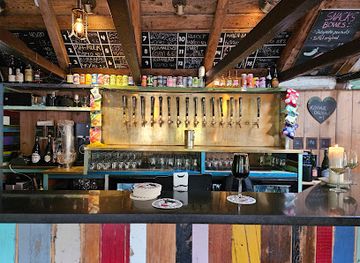
Discover Mikkeller Tórshavn, the ultimate craft beer bar in the Faroe Islands, offering a unique selection of brews and an inviting atmosphere for all.


Best shops in Norðoyar
Klaksvík is Norðoyar’s most practical shopping centre, with everyday shops, cafés and services useful for travellers preparing for excursions into the smaller islands. Shopping elsewhere is limited and largely local in character, so buy food, water and walking supplies before departing for remote communities. Faroese knitwear, woollen goods, locally designed clothing, books, music and small craft items make more meaningful souvenirs than generic imports, while local food products can include biscuits, preserves, dried or fermented specialities and Faroese beer. Independent shops and cultural venues in Klaksvík offer the best chance of finding regionally connected gifts, although stock and opening arrangements vary. Visitors should not expect a large designer-shopping scene or extensive retail clusters in the villages. Markets and seasonal events may provide opportunities to meet makers and purchase handmade goods, but these are not necessarily held every week, so check local information rather than relying on a fixed market schedule.
-
Cafe
Fríða Kaffihús
Discover the charm of Klaksvík at Fríða Kaffihús, a cozy café blending delicious flavors with a touch of Faroese history.
-
Sculpture
The Seal Woman (Kópakonan)
Explore the captivating legend of Kópakonan, the Seal Woman, through a stunning sculpture in Mikladalur, a cultural highlight of the Faroe Islands.
-
Tourist attraction
Kallur Lighthouse
Discover the breathtaking vistas and serene beauty of Kallur Lighthouse, a must-visit attraction in the stunning Faroe Islands.
-
Supermarket
Bónus
Experience local flavors and essential goods at Bónus, the friendly supermarket of Klaksvík, Faroe Islands.


Get your free copy of our complete guide to Norðoyar, delivered straight to you.
Everything on this page, from attractions and restaurants to essentials and local phrases, in one PDF you can read offline, print or share.
Already have an account? Sign in
Your Norðoyar guide is ready.
We'll send it to · Not you? Sign out

Getting your guide ready…
We are putting together a fresh copy of the Norðoyar guide. This can take up to a minute.
This can take a few moments. If your browser asks, choose Allow so the download can start. You'll find the guide in your Downloads folder.
Nothing happened? Download it again
Sorry, the guide is taking longer than usual. Please try again in a minute, or get it by email instead.
Norðoyar essentials
Currency and Payment
Safety
Emergency Situations
Do's and Don'ts
Local Tips
From Eve
Local phrases worth knowing
You don't need to get them perfect. A few words go a long way, and locals appreciate the effort.
Basics
| English | Local | Say it |
|---|---|---|
| Hello | Hallo | [Hah-lo] |
| Goodbye | Farvæl | [Far-vail] |
| Yes | Ja | [Yah] |
| No | Nej | [Nay] |
| Please/You're welcome | Vinaliga | [Vin-ah-lee-gah] |
| Thank you | Takk | [Tahk] |
| Excuse me/Sorry | Ursak | [Ur-sahk] |
| How are you? | Hvussu hevur tú? | [Hvoo-soo eh-var too?] |
| Fine. And you? | Bara væl. Og tú? | [Bah-rah vail. Ohg too?] |
| Do you speak English? | Talar tú enskt? | [Tah-lar too eng-skt?] |
| I don't understand | Eg skilji ikki | [Egg shil-lee ee-kee] |
Eating & Drinking
| English | Local | Say it |
|---|---|---|
| I'd like to see the menu, please | Eg vil gita matseðilin, vinaliga | [Egg vil gee-tah maht-seh-dil-in, vin-ah-lee-gah] |
| I don't eat meat | Eg etti ikki kjöt | [Egg et-tee ee-kee kyot] |
| Cheers! | Skál! | [Skahl] |
| I would like to pay, please | Eg vil gjalda, vinaliga | [Egg vil yahl-dah, vin-ah-lee-gah] |
Emergencies
| English | Local | Say it |
|---|---|---|
| Help! | Hjálp! | [Yahlp] |
| Go away! | Far burtur! | [Far boor-tur] |
| Call the Police! | Ring til løgregluna! | [Ring til lur-ehg-loo-nah] |
| Call a doctor! | Ring til læknan! | [Ring til layk-nahn] |
| I'm lost | Eg eri týndur | [Egg eh-ree teen-door] |
| I'm ill | Eg eri sjúkur | [Egg eh-ree shoo-kur] |
Shopping
| English | Local | Say it |
|---|---|---|
| I'd like to buy... | Eg vil keypa... | [Egg vil kay-pah...] |
| I'm just looking | Eg eri bara at hyggja | [Egg eh-ree bah-rah at hig-gah] |
| How much is it? | Hvussu kostar tað? | [Hvoo-soo koh-star thah?] |
| That's too expensive | Tað er ov dýrt | [Thah air ohv deert] |
| Can you lower the price? | Kanst tú minnka prísin? | [Kahn-st too min-kah prees-in?] |
Time & Numbers
| English | Local | Say it |
|---|---|---|
| What time is it? | Hvat tíð er tað? | [Hvat teed air thah?] |
| It's one o'clock | Klokkan er eitt | [Kloh-kahn air it] |
| Half past (10) | Hálv (10) | [Hahlv (ten)] |
| Morning | Morgun | [Mor-goon] |
| Afternoon | Eftir miðdegi | [Ef-teer mid-day-ee] |
| Evening | Kvøld | [Kvol-d] |
| Yesterday | Í gjár | [Ee yar] |
| Today | Í dag | [Ee dahg] |
| Tomorrow | Í morgin | [Ee mor-gin] |
| 1 | 1 | [1] |
| 2 | 2 | [2] |
| 3 | 3 | [3] |
| 4 | 4 | [4] |
| 5 | 5 | [5] |
| 6 | 6 | [6] |
| 7 | 7 | [7] |
| 8 | 8 | [8] |
| 9 | 9 | [9] |
| 10 | 10 | [10] |
Transport & Directions
| English | Local | Say it |
|---|---|---|
| Where's a/the...? | Hvar er ein/te... | [Hvar air ain/te...] |
| What's the address? | Hvat er adressan? | [Hvat air ah-dress-an?] |
| Can you show me (on the map)? | Kanst tú vísa mær (á kortinum)? | [Kahn-st too vee-sah mair (ow kor-tin-um)?] |
| When's the next (bus)? | Nær kemur næsti (bussur)? | [Nair keh-moor nay-stee (boos-sur)?] |
| A ticket (to ....) | Ein bilett (til ....) | [Ain bee-let (til ....)] |
History of Norðoyar
Viking settlement and early communities
The Northern Isles were settled during the Norse period, when farming and seafaring communities established themselves in valleys and coastal sites around the islands. Earlier activity may have occurred in the Faroes, but the enduring cultural landscape developed through Norse settlement, Christianisation and the growth of village communities. The difficult terrain encouraged small settlements linked by boats, mountain paths and shared grazing practices. Many present-day villages retain the basic relationship between sheltered farmland, landing places and steep upland pasture that shaped life in Norðoyar for centuries.
Medieval church and local society
During the medieval period, the Northern Isles formed part of the wider Faroese community under Norwegian and later Danish rule. Christianity became embedded in local society, while parish structures and village churches helped organise scattered populations. Agriculture, fishing and the seasonal use of mountain pasture remained fundamental, and contact between islands depended heavily on small boats. The region’s legends, place names and oral traditions also developed within this maritime world, preserving stories that continue to influence Faroese cultural identity.
Trade monopolies and the growth of Klaksvík
From the late sixteenth century until the mid-nineteenth century, trade in the Faroe Islands was controlled by a Danish royal monopoly. This restricted overseas commerce but also concentrated approved trading activity in selected settlements. Klaksvík gradually became the principal commercial centre of the Northern Isles, benefiting from its sheltered harbour and position between the surrounding islands. When the monopoly ended in 1856, Faroese communities gained greater freedom to trade, helping ports such as Klaksvík develop more fully as centres of commerce, fishing and transport.
Fishing, boats and the modern harbour
The nineteenth and twentieth centuries brought major changes to the Northern Isles as open-water fishing, improved boats and expanding commercial networks reshaped the economy. Klaksvík grew from a cluster of older settlements into a significant fishing town, while smaller villages continued to combine farming with maritime work. Fishing created employment, encouraged new housing and connected Norðoyar with markets beyond the islands. The harbour remains central to the region’s identity, although modern services and public-sector employment now complement the traditional marine economy.
Roads, tunnels and changing island connections
For much of their history, the islands depended on footpaths and boats, and winter weather could isolate communities for days. Roads, regular ferries and later subsea tunnels transformed access during the twentieth and early twenty-first centuries. Borðoy became more closely integrated with the rest of the Faroes through road links and tunnel connections, while improved infrastructure made Klaksvík an important northern gateway. Remote islands such as Kalsoy, Svínoy and Fugloy still depend on carefully timed maritime or air services, preserving a clear sense of distance despite modern transport.
Contemporary Faroese cultural life
Today, Norðoyar combines strong Faroese traditions with a modern regional centre in Klaksvík. Faroese remains the everyday language, and music, boat culture, local associations and seasonal gatherings continue to connect communities. The region has also become more visible to visitors through its mountain scenery, villages and legends, particularly on Kalsoy. Tourism is an important addition to the local economy, but the islands remain working communities rather than open-air museums. Respect for residents, private land, farming activity and transport limitations is therefore essential.
Norðoyar in Photos
Browse through our photo collection highlighting the charm and character of the destination.
Neighbouring regions of Norðoyar
The closest regions to Norðoyar, if you have time for more than one.
-
-

-
-
-


Swipe for more regions
Explore more
Explore more of Faroe Islands
Discover the Faroe Islands: A land of rugged beauty, rich history, and tranquil villages, perfect for nature lovers and adventurers seeking an off-the-beaten-path destination.
Explore Faroe Islands