

Free Kainuu Travel Guide & Mobile App
Explore Kainuu with free travel guides. Discover regional history, expert tips, proposed trips, and audio guides on web or mobile app.


Explore Kainuu in eastern Finland for forest trails, lake landscapes, Kalevala culture, winter sports and the national parks of Hossa and Hiidenportti.
Read more about Kainuu
When is the best time to visit Kainuu?
Best: June–August · 19–21°C| Month | High (°C) | Rainfall (mm) |
|---|---|---|
| January | -4 | 41 |
| February | -4 | 35 |
| March | 1 | 32 |
| April | 7 | 36 |
| May | 14 | 45 |
| June (best) | 19 | 65 |
| July (best) | 21 | 76 |
| August (best) | 19 | 75 |
| September | 13 | 65 |
| October | 7 | 55 |
| November | 2 | 50 |
| December | -2 | 45 |
Getting to and around Kainuu
How to get there
Transportation
Top city travel guides in Kainuu
The cities of Kainuu, and the easiest places to base yourself.

Swipe for more cities
Destinations in Kainuu
Resorts, valleys and scenic spots worth a trip of their own.

Swipe for more destinations
Best attractions in Kainuu
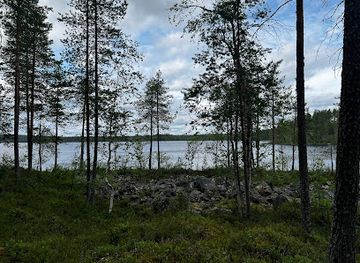
Kainuu’s attractions are shaped by the relationship between forest, water and cultural memory. Hossa National Park in Suomussalmi combines pine woodland, clear lakes, canoe routes and marked trails with the prehistoric Värikallio rock paintings. Hiidenportti National Park near Sotkamo offers a different experience, centred on a dramatic ravine, old forests and quiet marshland. Around Vuokatti, hills, outdoor facilities and seasonal sports make the area one of the region’s most developed recreation centres. Oulujärvi provides opportunities for boating, fishing and lakeside excursions, while the shores and waterways around Kajaani are easier to explore without travelling far from urban services. Kuhmo’s cultural institutions interpret Kalevala-related traditions, local music and eastern Finnish storytelling, and Suomussalmi presents important Winter War history alongside its natural attractions. Smaller museums, farm landscapes, birdwatching sites and extensive cross-country and hiking routes reward visitors who travel beyond the main centres. Wildlife tourism, including guided bear observation, is a specialised part of the regional offer and should be arranged with responsible local providers.
-
Tourist attraction
Raatteen Portti museoalue
Explore the Winter War history at Raatteen Portti museum and memorial in Suomussalmi, Finland. Discover the battles and honor the fallen.
-
Tourist attraction
Raatteen Portti
Explore the pivotal Winter War history at Raatteen Portti, featuring Europe's largest Winter War museum and poignant war memorials.
-
Tourist attraction
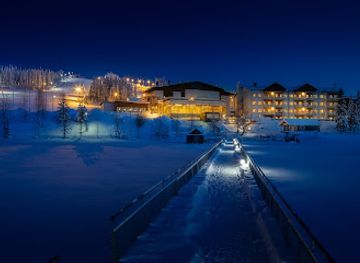
Hotel Iso-Syöte
Experience the charm of Hotel Iso-Syöte in Finnish Lapland, where adventure meets relaxation in stunning natural surroundings.
-
Ski resort
Hiihtokeskus Iso-Syöte Oy
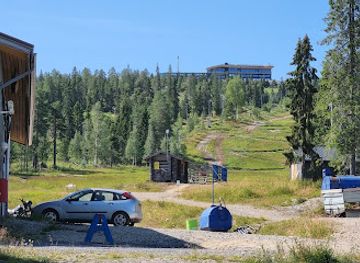
Experience Finland's best snowfall at Iso-Syöte Ski Resort, offering slopes for all levels and stunning Syöte National Park adventures.

Best landmarks in Kainuu
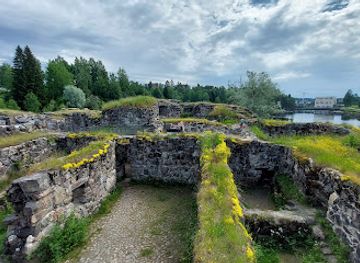
Kajaani Castle’s surviving ruins on an island in the Kajaaninjoki are Kainuu’s most recognisable historic landmark. Built in the Swedish period and later destroyed during wartime, the remains mark the strategic importance of the river route and the development of Kajaani as an administrative centre. In Hossa National Park, the Värikallio rock paintings are both an archaeological landmark and a reminder that the region’s wilderness has a human history reaching far beyond modern tourism. Hiidenportti’s deep, forested ravine is a natural landmark whose stark geology contrasts with Kainuu’s more open lake landscapes. The broad waters of Oulujärvi form another defining feature, shaping settlement, recreation and historic transport across western Kainuu. Around Kuhmo and Suomussalmi, memorials and interpretive sites connected with the Winter War provide a more recent layer of regional identity. Vuokatti’s hills are prominent visual features of the Sotkamo landscape and have become closely associated with contemporary outdoor recreation, sport and winter travel.
-
Ski resort
Hiihtokeskus Iso-Syöte Oy
Experience the ultimate winter adventure at Hiihtokeskus Iso-Syöte, a premier ski resort in the heart of Finnish Lapland, perfect for families and skiing enthusiasts alike.
-
Resort hotel
Ukkohalla Resort
Discover the breathtaking Ukkohalla Resort, Finland's ultimate outdoor adventure and relaxation destination, perfect for every traveler seeking unforgettable experiences.
-
Castle
Kajaani Castle Ruins
Explore Kajaani Castle Ruins, a captivating historical landmark in Finland, where history meets stunning natural beauty.
-
Tourist attraction
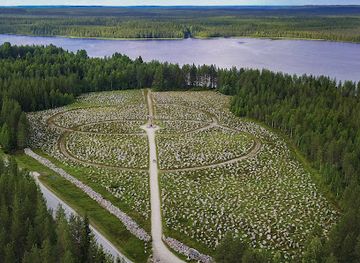
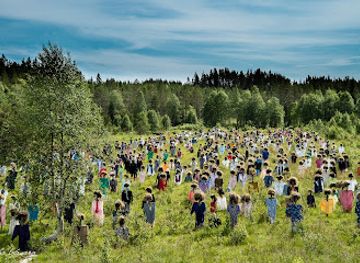
Hiljaisen Kansan tilataideteos (The Silent People)
Explore The Silent People in Suomussalmi, a captivating outdoor art installation blending cultural heritage with the beauty of nature.
Explore Kainuu on the map
Plan your trip on one map. See where the top cities, national parks and sights are, and book hotels and experiences in a few clicks.
Best hotels in Kainuu
Best restaurants in Kainuu
Kainuu’s food culture reflects its forests, lakes and northern climate. Restaurants, cafés and rural establishments commonly draw on freshwater fish, game, mushrooms, berries and locally grown produce, while traditional Finnish baking and hearty soups suit the region’s long winters. Rye bread, pastries and berry desserts are easy to encounter, and cloudberries, bilberries and lingonberries appear in seasonal products when available. Fish from local lakes may feature on menus, although specific ingredients depend on season and supply. Kajaani and the larger resort and town centres offer the broadest choice, from casual cafés and pizzerias to contemporary Finnish cooking, while countryside inns and farm-based venues provide a more local setting. Market stalls and food shops are useful for regional preserves, berries, smoked products and baked goods. The dining scene is generally understated rather than concentrated in a single famous food district, so checking seasonal opening arrangements is sensible when travelling into rural Kainuu.
-
Restaurant
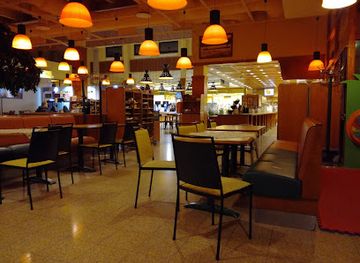
ABC Restaurant
Experience diverse flavors at ABC Restaurant in Kajaani - where Finnish hospitality meets delicious international cuisine.
-
Restaurant
Restaurant Amarillo
Experience culinary delights at Restaurant Amarillo in Sotkamo – where local flavors meet international flair in a cozy setting.
-
Grill
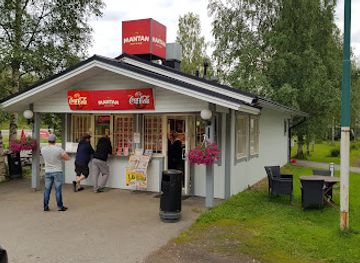
Mantan Grilli-Kioski Oy
Discover authentic Finnish grill cuisine at Mantan Grilli-Kioski Oy in Kajaani – where every bite tells a story.
-
Steak
Restaurant Ranch
Experience mouthwatering steaks and delightful flavors at Restaurant Ranch - Kajaani's premier steakhouse destination.
Best bars in Kainuu
Evening life in Kainuu is concentrated in Kajaani, Kuhmo, Sotkamo and the Vuokatti area rather than spread across a large metropolitan nightlife scene. Kajaani has the widest selection of pubs, cafés, restaurants and occasional live-music or cultural venues, while Kuhmo’s musical calendar can bring a more arts-focused atmosphere. Vuokatti adds resort bars and après-ski style evenings during busy winter and holiday periods. In smaller settlements, traditional pubs, hotel bars and restaurants are more common than dedicated nightclubs, and rural evenings are often quiet once services close. Seasonal events can alter the atmosphere, but schedules and venues change, so advance checking is sensible. Local breweries and Finnish drinks may appear on menus, yet enjoying Kainuu does not depend on alcohol: concerts, theatre, sauna culture, night walks and winter activities are also part of the region’s evening experience.
-
Restaurant
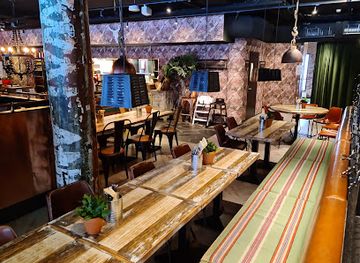
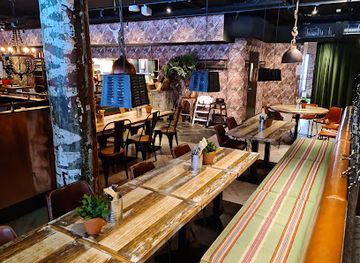
Restaurant Amarillo
Experience the vibrant flavors of Restaurant Amarillo in Sotkamo, where local ingredients meet international cuisine for a delightful dining experience.
-
Steak
Restaurant Ranch
Discover the rich flavors of Finland at Restaurant Ranch, Kajaani's premier steakhouse offering a warm atmosphere and delicious dishes.
-
National park
Syöte National Park
Explore the stunning landscapes and diverse wildlife of Syöte National Park, a premier destination for outdoor enthusiasts in Finland.
-
Restaurant
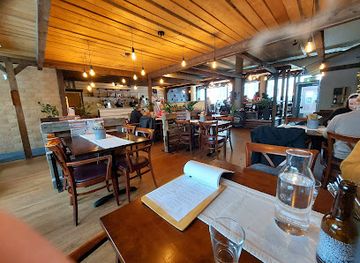
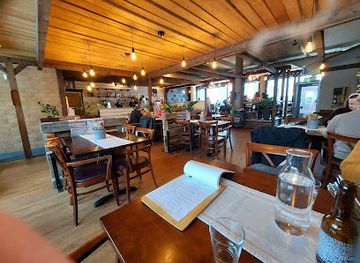
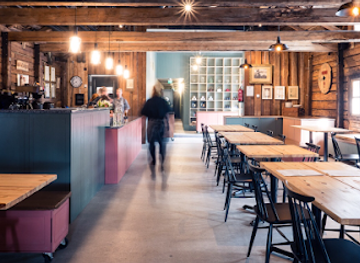
Haapala Panimoravintola
Experience the fusion of local cuisine and craft brewing at Haapala Panimoravintola in the heart of Sotkamo, Finland.
Best nightclubs in Kainuu
Evening life in Kainuu is concentrated in Kajaani, Kuhmo, Sotkamo and the Vuokatti area rather than spread across a large metropolitan nightlife scene. Kajaani has the widest selection of pubs, cafés, restaurants and occasional live-music or cultural venues, while Kuhmo’s musical calendar can bring a more arts-focused atmosphere. Vuokatti adds resort bars and après-ski style evenings during busy winter and holiday periods. In smaller settlements, traditional pubs, hotel bars and restaurants are more common than dedicated nightclubs, and rural evenings are often quiet once services close. Seasonal events can alter the atmosphere, but schedules and venues change, so advance checking is sensible. Local breweries and Finnish drinks may appear on menus, yet enjoying Kainuu does not depend on alcohol: concerts, theatre, sauna culture, night walks and winter activities are also part of the region’s evening experience.
-
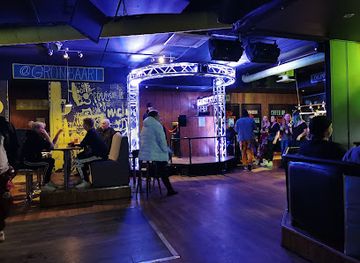
Bar
Laavu Baari
Discover Laavu Baari: A lively bar in Vuokatti perfect for enjoying local drinks and vibrant nightlife, surrounded by Finnish charm.
-
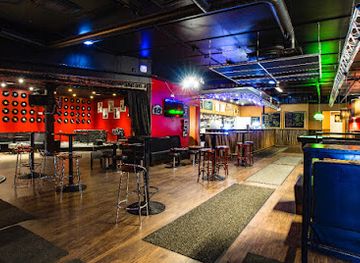
Bar
Rock House Kulma
Experience the vibrant nightlife at Rock House Kulma, Kajaani's premier bar and live music venue, offering a taste of local culture and entertainment.
-
Restaurant
Peevee Bar Oy
Discover the vibrant atmosphere of Peevee Bar Oy in Kajaani, offering delicious food, refreshing drinks, and lively entertainment in a welcoming setting.
-
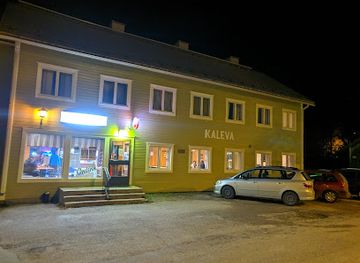
Bar
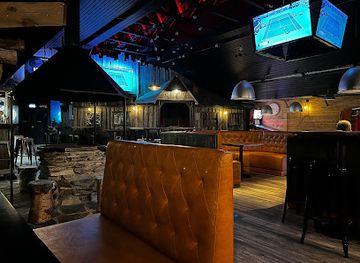
Wanhan Kalevan Baari
Discover the cozy ambiance and local flavors at Wanhan Kalevan Baari, a perfect blend of bar, café, and restaurant in Suomussalmi, Finland.
Best shops in Kainuu
Shopping in Kainuu is practical and locally focused, with the broadest choice in Kajaani and smaller high streets in Kuhmo, Sotkamo and Suomussalmi. Independent shops, supermarkets, cafés and craft retailers are useful for everyday supplies, while galleries and artisan outlets may offer textiles, woodwork, ceramics, jewellery and other Finnish-designed goods. Market activity is seasonal and varies by town, but local produce can include berries, preserves, baked goods, fish products and forest-derived foods. Visitors seeking regional souvenirs should look for items connected with Kainuu’s forests, Kalevala culture, local music and outdoor traditions rather than generic national merchandise. Rural farm shops and visitor centres sometimes sell products from nearby producers, although opening arrangements can be limited outside the main season. Kajaani is the most convenient place to combine larger retail facilities with cultural shopping, while smaller towns offer a slower search through local craft, food and second-hand outlets.
-
Supermarket
K-Supermarket Vuokatti
Discover local flavors and essentials at K-Supermarket Vuokatti, a must-visit for tourists exploring Finnish culture and cuisine.
-
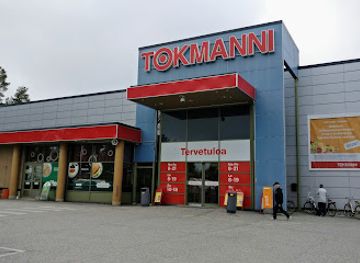
Department store
Tokmanni Sotkamo
Explore Tokmanni Sotkamo - your ultimate shopping destination for groceries, garden supplies, and more in the heart of Finland.
-
National park
Syöte National Park
Explore the enchanting landscapes of Syöte National Park, Finland's natural treasure with stunning views and endless outdoor adventures.
-
National park
Hossa National Park
Explore Hossa National Park: A breathtaking Finnish wilderness of lakes, forests, and rich wildlife, perfect for outdoor adventures year-round.

Get your free copy of our complete guide to Kainuu, delivered straight to you.
Everything on this page, from attractions and restaurants to essentials and local phrases, in one PDF you can read offline, print or share.
Already have an account? Sign in
Your Kainuu guide is ready.
We'll send it to · Not you? Sign out

Getting your guide ready…
We are putting together a fresh copy of the Kainuu guide. This can take up to a minute.
This can take a few moments. If your browser asks, choose Allow so the download can start. You'll find the guide in your Downloads folder.
Nothing happened? Download it again
Sorry, the guide is taking longer than usual. Please try again in a minute, or get it by email instead.
Kainuu essentials
Currency and Payment
Safety
Emergency Situations
Do's and Don'ts
Local Tips
From Eve
Local phrases worth knowing
You don't need to get them perfect. A few words go a long way, and locals appreciate the effort.
Basics
| English | Local | Say it |
|---|---|---|
| Hello | Moi | [moy] |
| Goodbye | Näkemiin | [näkemiin] |
| Yes | Kyllä | [küllä] |
| No | Ei | [ay] |
| Please/You're welcome | Ole hyvä | [oh-leh hü-vah] |
| Thank you | Kiitos | [kee-tos] |
| Excuse me/Sorry | Anteeksi | [an-teek-see] |
| How are you? | Miten voit? | [mee-ten voyt] |
| Fine. And you? | Hyvin. Entä sinä? | [hü-vin. en-tä si-nä] |
| Do you speak English? | Puhutko englantia? | [pu-hut-ko eng-lan-ti-a] |
| I don't understand | En ymmärrä | [en üm-mär-rä] |
Eating & Drinking
| English | Local | Say it |
|---|---|---|
| I'd like to see the menu, please | Haluaisin nähdä ruokalistan, kiitos | [ha-lu-ai-sin näh-dä roo-ka-lis-tan, kee-tos] |
| I don't eat meat | En syö lihaa | [en syö li-hä] |
| Cheers! | Kippis! | [kip-pis] |
| I would like to pay, please | Haluaisin maksaa, kiitos | [ha-lu-ai-sin mak-saa, kee-tos] |
Emergencies
| English | Local | Say it |
|---|---|---|
| Help! | Apua! | [a-pu-a] |
| Go away! | Mene pois! | [me-ne pois] |
| Call the Police! | Soita poliisi! | [soi-ta po-lii-si] |
| Call a doctor! | Soita lääkäri! | [soi-ta lä-ä-kä-ri] |
| I'm lost | Olen eksynyt | [o-len eks-y-nut] |
| I'm ill | Olen sairas | [o-len sai-ras] |
Shopping
| English | Local | Say it |
|---|---|---|
| I'd like to buy... | Haluaisin ostaa... | [ha-lu-ai-sin os-taa] |
| I'm just looking | Katselen vain | [kat-se-len vain] |
| How much is it? | Paljonko se maksaa? | [pal-jon-ko se mak-saa] |
| That's too expensive | Se on liian kallis | [se on li-an kal-lis] |
| Can you lower the price? | Voitko laskea hintaa? | [voit-ko las-ke-a hin-taa] |
Time & Numbers
| English | Local | Say it |
|---|---|---|
| What time is it? | Mitä kello on? | [mi-tä kel-lo on] |
| It's one o'clock | Kello on yksi | [kel-lo on yk-si] |
| Half past (10) | Puoli yli (10) | [pu-o-li ü-li] |
| Morning | Aamu | [aa-mu] |
| Afternoon | Iltapäivä | [il-ta-päi-vä] |
| Evening | Ilta | [il-ta] |
| Yesterday | Eilen | [ei-len] |
| Today | Tänään | [tän-ään] |
| Tomorrow | Huomenna | [huo-men-na] |
| 1 | Yksi | [yk-si] |
| 2 | Kaksi | [kak-si] |
| 3 | Kolme | [kol-me] |
| 4 | Neljä | [nel-jä] |
| 5 | Viisi | [vi-si] |
| 6 | Kuusi | [kuu-si] |
| 7 | Seitsemän | [sei-tse-män] |
| 8 | Kahdeksan | [kah-dek-san] |
| 9 | Yhdeksän | [yh-dek-san] |
| 10 | Kymmenen | [ky-mme-nen] |
Transport & Directions
| English | Local | Say it |
|---|---|---|
| Where's a/the...? | Missä on ...? | [mis-sä on] |
| What's the address? | Mikä on osoite? | [mi-kä on o-soi-te] |
| Can you show me (on the map)? | Voitko näyttää minulle (kartalla)? | [voit-ko näyt-tää mi-nul-le] |
| When's the next (bus)? | Milloin seuraava (bussi)? | [mil-loin seu-ra-a-va] |
| A ticket (to ....) | Lippu (....) | [lip-pu] |
History of Kainuu
Prehistoric Settlement and Värikallio
People have used Kainuu’s lakes, rivers and forests since prehistoric times, following seasonal routes connected with fishing, hunting and gathering. The Värikallio rock paintings at Hossa are among the best-known archaeological remains in the region. Painted on a rock face beside Somerjärvi, they depict human and animal figures and are generally associated with prehistoric hunter-gatherer traditions. Their precise meanings remain a subject of interpretation, but they demonstrate that the landscapes now protected within Hossa National Park have long carried cultural as well as natural significance.
Medieval Borderland and Permanent Settlement
Kainuu developed as a frontier zone between eastern and western spheres of influence. Settlement expanded gradually through farming, fishing and forest use, while waterways provided the principal routes through the interior. The region’s position brought it into the wider political contest between Sweden and Novgorod, later represented by Russia. Although much of Kainuu remained sparsely populated, the growth of permanent settlements created the foundations for later parish communities, trading routes and administrative centres.
Kajaani Castle and Swedish Rule
Kajaani Castle was built on an island in the Kajaaninjoki in the early seventeenth century, during a period when Sweden sought to strengthen its authority in the eastern Finnish interior. The fortress was small but strategically placed on an important inland route. It was destroyed during the Great Northern War in the early eighteenth century, and only ruins remain. Today the site provides a visible link between Kajaani’s modern urban life and the military, administrative and frontier history of early modern Kainuu.
Tar, Rivers and Inland Trade
From the seventeenth to the nineteenth century, tar production became one of Kainuu’s most important economic activities. Rural households produced pine tar in kilns, after which the material was transported along waterways towards Oulu and onward to shipbuilders and maritime markets. Tar was essential for preserving wooden vessels, and its trade connected the inland forests with Finland’s coastal economy. Kajaani and the Oulujärvi water system became important points in this movement, while the legacy survives in local industrial history and museum collections.
Famine, Forestry and Nineteenth-Century Change
Kainuu suffered particularly harsh conditions during the Finnish famine years of the 1860s, when poor harvests and difficult communications exposed the vulnerability of remote communities. During the later nineteenth century, forestry and timber processing increasingly supplemented small-scale agriculture. Improved roads, waterways and rail connections gradually integrated the region more closely with the rest of Finland. The economic importance of forests remained central, shaping settlement patterns, employment and the practical relationship between Kainuu communities and their surrounding woodland.
War, Borderland Memory and Reconstruction
Kainuu was close to the fighting during the Winter War of 1939–40 and the Continuation War. Suomussalmi became particularly associated with the Winter War after battles in the area between Finnish and Soviet forces. Memorials, museums and preserved sites in and around the municipality interpret the conflict and its effects on local communities. After the wars, Kainuu faced reconstruction, resettlement and economic adjustment, with forestry, public services and regional transport playing major roles in rebuilding everyday life.
Kalevala Culture and Contemporary Kainuu
Kuhmo and wider Kainuu retain strong associations with the oral poetry, music and eastern Finnish cultural landscapes that influenced Elias Lönnrot’s compilation of the Kalevala. The epic was not created as a simple record of one locality, but Kainuu’s borderland traditions and runo-singing heritage form an important part of its cultural context. Contemporary festivals, chamber music, museums and arts organisations continue to reinterpret this heritage, linking older storytelling traditions with modern music, performance and literary culture.
Kainuu in Photos
Browse through our photo collection highlighting the charm and character of the destination.
Neighbouring regions of Kainuu
The closest regions to Kainuu, if you have time for more than one.
-

-

-

-

-


Swipe for more regions
Explore more

Explore more of Finland
Explore Finland, where the Midnight Sun meets the Northern Lights, offering a unique blend of natural beauty, rich culture, and unforgettable experiences.
Explore Finland