

Free North Karelia Travel Guide & Mobile App
Explore North Karelia with free travel guides. Discover regional history, expert tips, proposed trips, and audio guides on web or mobile app.


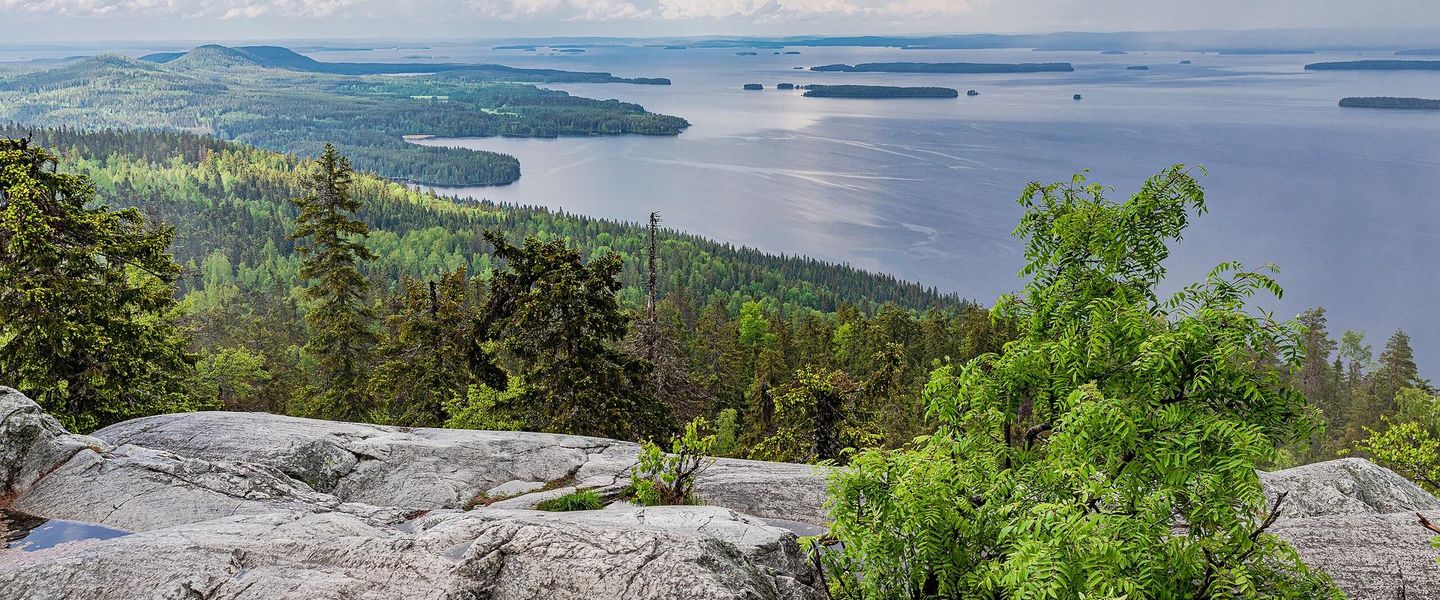


Explore North Karelia for Koli’s lake views, forested national parks, Karelian culture, Orthodox heritage and outdoor adventures in eastern Finland.
Read more about North Karelia
When is the best time to visit North Karelia?
Best: June–August · 20–23°C| Month | High (°C) | Rainfall (mm) |
|---|---|---|
| January | -4 | 40 |
| February | -4 | 35 |
| March | 1 | 40 |
| April | 7 | 45 |
| May | 15 | 50 |
| June (best) | 20 | 60 |
| July (best) | 23 | 65 |
| August (best) | 21 | 70 |
| September | 16 | 60 |
| October | 8 | 55 |
| November | 2 | 50 |
| December | -3 | 45 |
Getting to and around North Karelia
How to get there
Transportation
Top city travel guides in North Karelia
The cities of North Karelia, and the easiest places to base yourself.
-

-


Swipe for more cities
Destinations in North Karelia
Resorts, valleys and scenic spots worth a trip of their own.

Swipe for more destinations
Best attractions in North Karelia
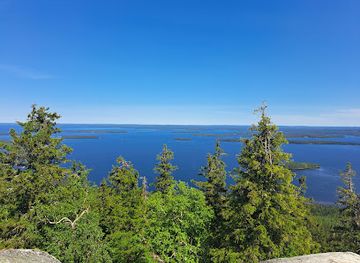
North Karelia’s attractions are built around landscape, cultural memory and outdoor activity. Koli National Park is the region’s best-known destination, with marked trails, forested hills and views across Lake Pielinen. Patvinsuo National Park offers boardwalks and open bog scenery, while Petkeljärvi National Park is known for eskers, pine woodland and lake routes. Around Lieksa and Ilomantsi, visitors can combine hiking and canoeing with museums, village heritage and borderland history. Joensuu provides a more urban programme through regional museums, riverfront walks and cultural venues. The Old Mine at Outokumpu interprets copper mining and industrial life, making it a useful counterpoint to the region’s natural attractions. In Nurmes, the Bomba cultural environment presents eastern Finnish and Karelian architectural traditions, while Heinävesi is home to New Valamo Monastery and nearby Orthodox heritage. Depending on the season, activities include boating, fishing, wildlife watching, snowshoeing, cross-country skiing and berry or mushroom excursions. Distances are considerable, so itineraries are best organised by landscape or district rather than attempting every attraction from one base.
-
National park
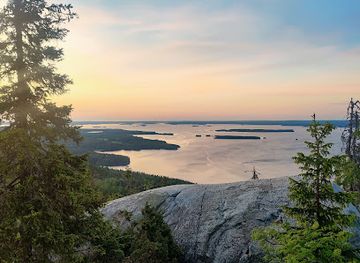
Koli National Park
Discover Finland's soul in Koli National Park: Breathtaking views, rich history, and endless outdoor adventures await in North Karelia.
-
 Resort hotel
Hotel & Spa Resort Järvisydän
Experience Finnish Lakeland at Hotel & Spa Resort Järvisydän: history, nature, and relaxation on the shores of Lake Saimaa.
-
Tourist attraction
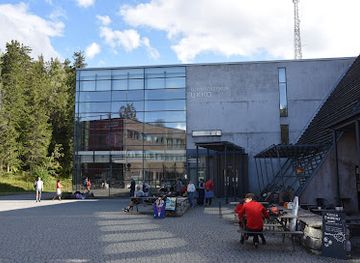
Koli Nature Center Ukko
Discover Finland's iconic national landscape, explore Koli's nature and culture at the gateway to Koli National Park.
-
Botanical garden
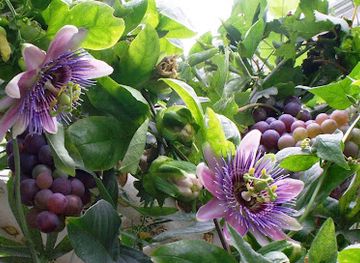
Botania Art Garden
Explore a unique blend of tropical flora, art installations, and seasonal events at Joensuu's enchanting Botania Art Garden. A destination for all ages.
Best landmarks in North Karelia
Koli’s Ukko-Koli hill is North Karelia’s defining natural landmark, rising above Lake Pielinen and associated with the landscape imagery of Finnish artists. The lake itself forms a vast eastern panorama of islands, forested shores and changing light. In Joensuu, the Pielisjoki River is the city’s central geographical feature and a reminder of the waterway that supported timber floating and trade. The Bomba House and surrounding cultural environment in Nurmes preserve a recognisable interpretation of Karelian wooden architecture and settlement traditions. New Valamo Monastery in Heinävesi is an important Orthodox landmark, known for its church, monastic setting and cultural collections. Outokumpu’s former mine represents the industrial side of regional history, while Petkeljärvi’s narrow eskers and pine forests demonstrate the glacial landforms that shape eastern Finland. In Ilomantsi, Orthodox churches and village cultural sites reflect the region’s enduring religious and borderland heritage. Together these places show that North Karelia’s landmarks are not confined to monumental buildings: lakes, ridges, industrial works and sacred sites all carry historical meaning.
-
National park
Koli National Park
Discover the breathtaking landscapes and outdoor adventures at Koli National Park, a premier destination for nature lovers in Finland.
-
Tourist attraction
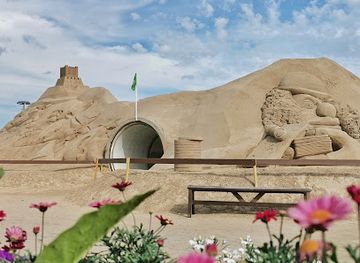
Sandcastle Lappeenranta
Explore the artistic wonder of Sandcastle Lappeenranta, where stunning sand sculptures come to life amidst a family-friendly atmosphere in beautiful Finland.
-
Tourist attraction
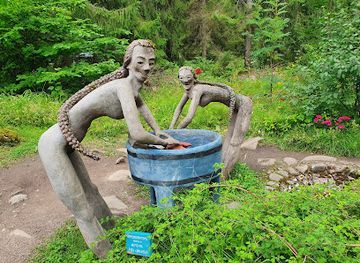
Parikkala Sculpture Park
Discover the enchanting Parikkala Sculpture Park, where art meets nature in a whimsical outdoor gallery filled with unique sculptures and stunning landscapes.
-
Ecological park
Volcano Girvas
Explore the breathtaking ecological park of Volcano Girvas in Karelia, Russia, where stunning landscapes and rich biodiversity await every traveler.

Explore North Karelia on the map
Plan your trip on one map. See where the top cities, national parks and sights are, and book hotels and experiences in a few clicks.
Best hotels in North Karelia
Best restaurants in North Karelia
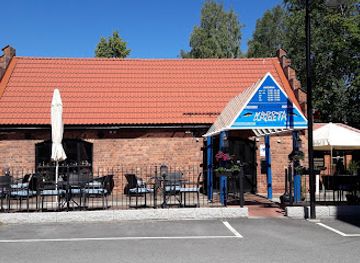
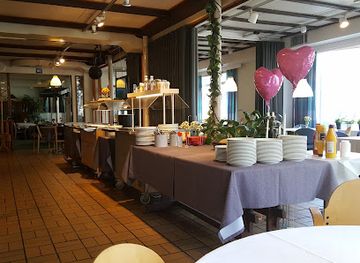
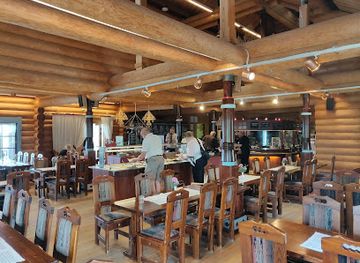
North Karelian food reflects forests, lakes, farms and the wider Karelian culinary tradition. Karelian pastries, usually made with a rye crust and rice filling, are common in cafés and bakeries, while rye bread, barley, potatoes and seasonal preserves remain important everyday foods. Lakes provide pike-perch, perch and other freshwater fish, and menus may feature smoked or grilled preparations. In autumn, berries and mushrooms appear in sauces, desserts and savoury dishes, although visitors should buy foraged products from reputable sellers unless they are fully familiar with local identification. Joensuu has the region’s broadest choice of cafés, restaurants and market stalls, while smaller towns offer traditional Finnish cooking, market-day food and rural dining. Around Koli, Nurmes and Ilomantsi, restaurants and inns often make use of local fish, game, berries and rye. Craft beer and Finnish berry drinks are available alongside coffee, which remains central to everyday café culture.
-
Restaurant
Kerubi
Experience culinary delights and vibrant nightlife at Kerubi in Joensuu—where exceptional food meets live entertainment.
-
Greek
Ravintola Kreeta
Experience authentic Greek flavors in Joensuu at Ravintola Kreeta - where every meal is a taste of Greece!
-
Restaurant
Ravintola Pivanka
Experience authentic Finnish cuisine at Ravintola Pivanka in Kesälahti - where every meal is a celebration of flavor.
-
Restaurant
Ravintola Parppeinpirtti
Experience authentic Finnish cuisine at Ravintola Parppeinpirtti in Ilomantsi – where tradition meets taste!

Best bars in North Karelia
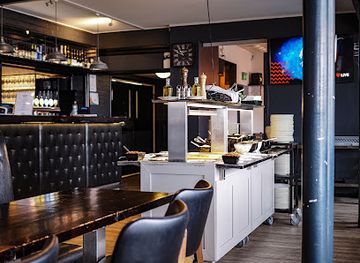
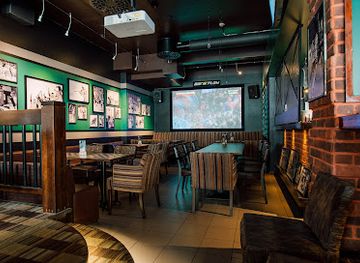
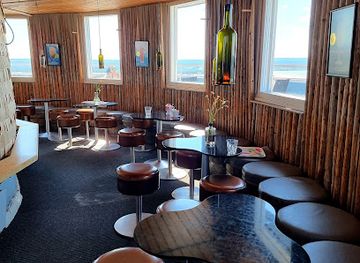
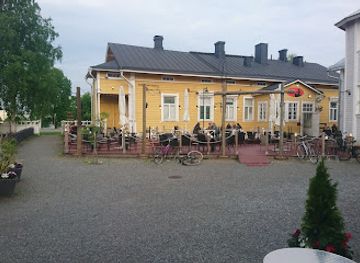
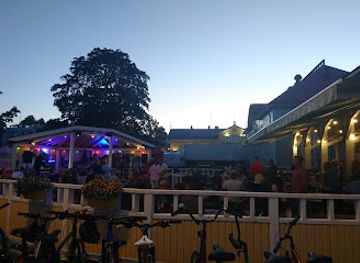
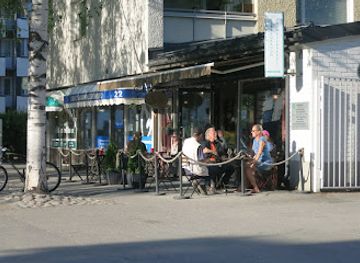
Evening life in North Karelia is concentrated in Joensuu, where students, residents and visitors support pubs, cocktail bars, live-music venues and late-opening restaurants. The city’s cultural calendar can also bring concerts and larger events, but schedules change and should be checked locally. In Lieksa, Nurmes, Koli and other smaller centres, nightlife is more likely to mean a traditional pub, hotel bar, restaurant or occasional live-music evening than a large club scene. Rural evenings are generally quiet, with accommodation providers and local eateries serving as the main social settings. Breweries and drinks featuring Finnish berries add regional interest, while summer brings more outdoor activity and winter encourages relaxed indoor venues. Visitors should not assume that bars or restaurants in remote districts stay open late; advance planning is sensible, particularly outside the main tourist season.
-
Restaurant
Kerubi
Discover the vibrant atmosphere of Kerubi, a restaurant and live music venue in Joensuu, where local flavors and nightlife come alive.
-
Sports bar
Bar Play Joensuu
Experience the thrill of sports like never before at Bar Play Joensuu, the ultimate destination for food, drinks, and live games in the heart of Finland.
-
Wine bar
Hermanni's Wine Tower
Discover the delightful Hermanni's Wine Tower in Ilomantsi, a charming wine bar and café perfect for savoring exquisite wines and local flavors.
-
Pub
Suvannon Santra
Suvannon Santra: A lively pub and karaoke bar in Joensuu, perfect for socializing and enjoying Finnish nightlife.
Best nightclubs in North Karelia
Evening life in North Karelia is concentrated in Joensuu, where students, residents and visitors support pubs, cocktail bars, live-music venues and late-opening restaurants. The city’s cultural calendar can also bring concerts and larger events, but schedules change and should be checked locally. In Lieksa, Nurmes, Koli and other smaller centres, nightlife is more likely to mean a traditional pub, hotel bar, restaurant or occasional live-music evening than a large club scene. Rural evenings are generally quiet, with accommodation providers and local eateries serving as the main social settings. Breweries and drinks featuring Finnish berries add regional interest, while summer brings more outdoor activity and winter encourages relaxed indoor venues. Visitors should not assume that bars or restaurants in remote districts stay open late; advance planning is sensible, particularly outside the main tourist season.
-
Night club
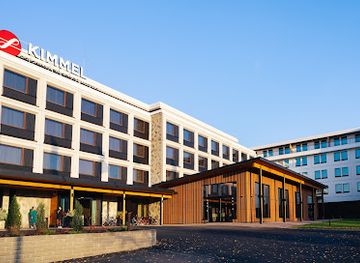
Original Sokos Hotel Kimmel
Discover the lively nightlife and luxurious comfort of Original Sokos Hotel Kimmel, the ultimate destination for relaxation and entertainment in Joensuu.
-
Night club
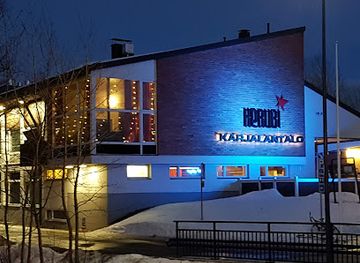
Kerubi
Experience the vibrant nightlife of Joensuu at Kerubi, a bustling night club and live music venue with delicious food and great ambiance.
-
Bar
Summer restaurant Tuulaaki
Discover a lakeside oasis at Summer Restaurant Tuulaaki, where Finnish flavors meet stunning views in Joensuu.
-
Bar
Sointula
Discover Sointula, a cozy bar in Joensuu offering a diverse drink selection and inviting atmosphere for a perfect evening out.
Best shops in North Karelia
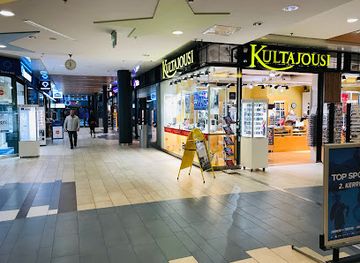
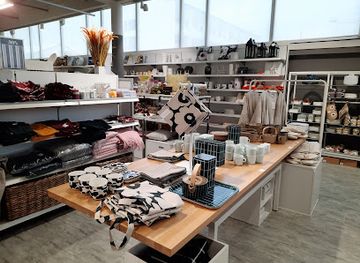
Joensuu offers North Karelia’s broadest shopping choice, with a central market square, everyday high-street retailers, cafés, craft outlets and shops selling regional food products. Market trading is especially useful for finding berries, preserves, baked goods and seasonal produce, although the range changes throughout the year. Smaller centres such as Nurmes, Lieksa, Ilomantsi and Outokumpu provide practical local shopping and independent businesses rather than large-scale retail. Look for Karelian-inspired textiles, woodwork, ceramics, knives, woollen goods and handmade souvenirs, while craft centres and cultural attractions often sell items made by regional producers. Local rye products, berry preparations, honey and fish products travel well when packaged appropriately. Visitors interested in Orthodox culture may find icons or religious crafts in specialist settings, but should buy respectfully and distinguish contemporary handicrafts from ecclesiastical objects. Opening arrangements can be limited in rural areas, so combine shopping with market days or visits to museums, monasteries and visitor centres.
-
Shopping mall
Shopping Center Iso Myy
Explore Shopping Center Iso Myy for an unforgettable shopping experience in Joensuu, Finland, with diverse shops, dining, and entertainment options.
-
Department store
Sokos Joensuu
Discover the essence of Joensuu shopping at Sokos Joensuu, featuring clothing, cosmetics, and local Finnish brands for an unforgettable retail experience.
-
Supermarket
K-Supermarket Eväskontti
Discover local flavors and essentials at K-Supermarket Eväskontti, your go-to grocery store in Joensuu for a taste of Finland.
-
Hypermarket
K-Citymarket Lieksa
Discover local flavors and everyday essentials at K-Citymarket Lieksa, the ultimate shopping destination for tourists in Finland.
Get your free copy of our complete guide to North Karelia, delivered straight to you.
Everything on this page, from attractions and restaurants to essentials and local phrases, in one PDF you can read offline, print or share.
Already have an account? Sign in
Your North Karelia guide is ready.
We'll send it to · Not you? Sign out

Getting your guide ready…
We are putting together a fresh copy of the North Karelia guide. This can take up to a minute.
This can take a few moments. If your browser asks, choose Allow so the download can start. You'll find the guide in your Downloads folder.
Nothing happened? Download it again
Sorry, the guide is taking longer than usual. Please try again in a minute, or get it by email instead.
North Karelia essentials
Currency and Payment
Safety
Emergency Situations
Do's and Don'ts
Local Tips
From Eve
Local phrases worth knowing
You don't need to get them perfect. A few words go a long way, and locals appreciate the effort.
Basics
| English | Local | Say it |
|---|---|---|
| Hello | Hey there | [Hey thair] |
| Goodbye | See ya | [See ya] |
| Yes | Yep | [Yep] |
| No | Nah | [Nah] |
| Please/You're welcome | No problem | [No problum] |
| Thank you | Thanks | [Thangs] |
| Excuse me/Sorry | Sorry about that | [Sorry abowt that] |
| How are you? | How ya doing? | [How ya doin'?] |
| Fine. And you? | Good. And you? | [Good. And ya?] |
| Do you speak English? | Do ya speak English? | [Do ya speak English?] |
| I don't understand | I don’t get it | [I don’t git it] |
Eating & Drinking
| English | Local | Say it |
|---|---|---|
| I'd like to see the menu, please | Can I see the menu? | [Kan I see the menu?] |
| I don't eat meat | I'm a vegetarian | [I'm a vegetairian] |
| Cheers! | Cheers! | [Cheers!] |
| I would like to pay, please | Can I get the check? | [Kan I git the chek?] |
Emergencies
| English | Local | Say it |
|---|---|---|
| Help! | Help! | [Help!] |
| Go away! | Leave me alone! | [Leev me alon!] |
| Call the Police! | Call the cops! | [Call the cops!] |
| Call a doctor! | Get a doctor! | [Get a doctor!] |
| I'm lost | I'm turned around | [I'm turned around] |
| I'm ill | I'm not feeling well | [I'm not feelin' well] |
Shopping
| English | Local | Say it |
|---|---|---|
| I'd like to buy... | I want to buy... | [I want to buy...] |
| I'm just looking | Just browsing | [Just browsin'] |
| How much is it? | What's the price? | [What's the price?] |
| That's too expensive | That's way too pricey | [That's way too pricy] |
| Can you lower the price? | Can you give me a better deal? | [Can you give me a better deal?] |
Time & Numbers
| English | Local | Say it |
|---|---|---|
| What time is it? | What time ya got? | [What time ya got?] |
| It's one o'clock | It's one | [It's one] |
| Half past (10) | Half past ten | [Half past ten] |
| Morning | Morning | [Mornin'] |
| Afternoon | Afternoon | [Aftanoon] |
| Evening | Evening | [Eve'nin'] |
| Yesterday | Yesterday | [Yesterdai] |
| Today | Today | [Todae] |
| Tomorrow | Tomorrow | [Tomorra] |
| 1 | One | [One] |
| 2 | Two | [Two] |
| 3 | Three | [Three] |
| 4 | Four | [Four] |
| 5 | Five | [Five] |
| 6 | Six | [Six] |
| 7 | Seven | [Seven] |
| 8 | Eight | [Eight] |
| 9 | Nine | [Nine] |
| 10 | Ten | [Ten] |
Transport & Directions
| English | Local | Say it |
|---|---|---|
| Where's a/the...? | Where's the nearest...? | [Where's the nearest...?] |
| What's the address? | What's the address? | [What's the address?] |
| Can you show me (on the map)? | Can you point it out? | [Can you point it out?] |
| When's the next (bus)? | When's the next bus? | [When's the next bus?] |
| A ticket (to ....) | A ticket to... | [A tiket to...] |
History of North Karelia
Prehistoric Settlement and Ancient Waterways
North Karelia’s lakes and rivers have supported human settlement since the Stone Age. Water routes through the Pielinen and Saimaa basins connected communities to wider eastern Finland, while forests supplied game, timber and materials. Archaeological evidence from the region records changing patterns of hunting, fishing, trade and agriculture. The landscape was never an empty wilderness: its routes and resources shaped movement between inland settlements and helped establish the cultural connections that later defined Karelia.
Karelian Borderlands in the Swedish and Russian Spheres
For centuries, Karelia occupied a shifting frontier between Swedish and Russian political and religious influence. Local communities experienced Orthodox and Lutheran traditions, changing taxation systems and periods of conflict as borders moved across eastern Finland. The modern Finnish-Russian boundary does not erase these older cultural links, which remain visible in eastern religious traditions, oral heritage, architecture, food and music. North Karelia’s distinctive identity is rooted in this long history as a meeting ground rather than in a single political tradition.
Joensuu and the Rise of River Trade
Joensuu was founded in 1848 at the mouth of the Pielisjoki River, where waterways from the interior reached Lake Saimaa’s transport network. Its position encouraged timber floating, tar and agricultural trade, and the town developed as a commercial and administrative centre for eastern Finland. Although modern transport has changed the river’s economic role, Joensuu’s location, museums and riverfront still reflect the importance of waterborne commerce and the city’s connection with the surrounding forests and lakes.
Koli and the Formation of Finnish National Landscape
During the late nineteenth and early twentieth centuries, Finnish artists and writers travelled to Koli and other eastern landscapes in search of imagery associated with national identity. The views over Lake Pielinen became especially influential through the work of artists including Eero Järnefelt and Akseli Gallen-Kallela. Koli’s significance is therefore both geographical and cultural: its hills and lake horizons helped shape an artistic vision of Finland that remains central to the country’s landscape heritage.
Outokumpu Copper and Industrial North Karelia
A copper discovery at Outokumpu in the early twentieth century led to one of Finland’s best-known mining developments. Mining transformed a rural settlement into an industrial community, bringing employment, infrastructure and technical expertise to the region. The mine later ceased production, but the industrial landscape survives through the Outokumpu Old Mine visitor environment and museum. Its history illustrates how mineral resources, engineering and national industrialisation altered North Karelia alongside the older forestry and agricultural economy.
War, Border Change and Karelian Evacuation
The Second World War and the territorial changes that followed had a profound effect on Karelia. Finland ceded areas to the Soviet Union, and many residents were evacuated and resettled elsewhere in Finland, including North Karelia. The region consequently absorbed people, memories, religious objects, recipes and customs from lost Karelia. Border villages and military landscapes also bear the imprint of the wartime period, while museums and local traditions continue to preserve the experiences of displacement and reconstruction.
Post-war Reconstruction and Contemporary Regional Life
After the war, North Karelia combined resettlement with the expansion of forestry, engineering, education and public services. Joensuu grew as a university and regional centre, while smaller towns adapted to changes in agriculture, manufacturing and rural population. Tourism based on Koli, national parks, cultural heritage and outdoor recreation has become increasingly important, without replacing the region’s working landscapes. Contemporary North Karelia therefore brings together a strong environmental identity, living Karelian traditions and the practical realities of a sparsely populated eastern Finnish region.
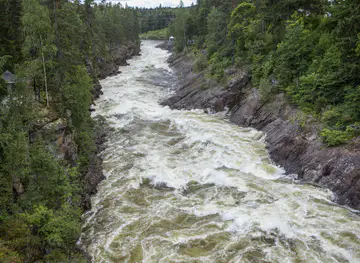
North Karelia in Photos
Browse through our photo collection highlighting the charm and character of the destination.
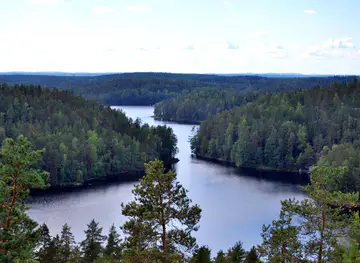
Neighbouring regions of North Karelia
The closest regions to North Karelia, if you have time for more than one.
-

-

-
-

-


Swipe for more regions
Explore more

Explore more of Finland
Explore Finland, where the Midnight Sun meets the Northern Lights, offering a unique blend of natural beauty, rich culture, and unforgettable experiences.
Explore Finland