

Clearwater Beach Travel Guide - Free Web & App
Your ultimate guide to Clearwater Beach. Discover top landmarks, proposed trips, and local tips. Free on the web or via the Evendo companion app.


Clearwater Beach, Florida combines Gulf sunsets, white sand, Pier 60, water sports, family attractions and easy access to Pinellas County getaways.
Gulf Coast Setting
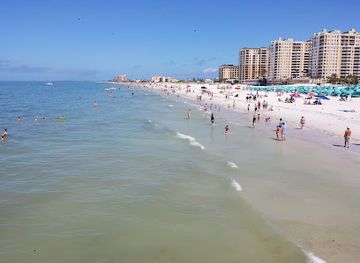
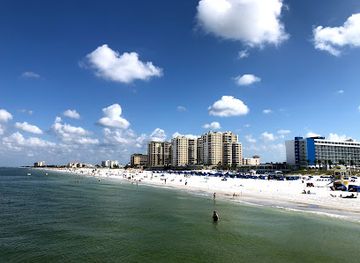
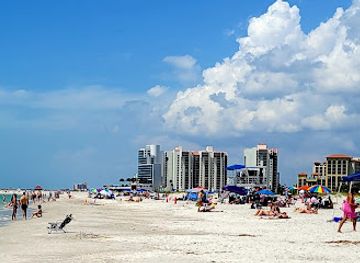
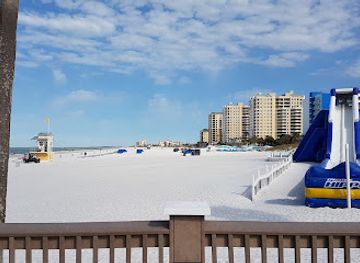
Clearwater Beach occupies a barrier island on Florida’s central Gulf Coast, west of the mainland city of Clearwater in Pinellas County. Its broad, pale-sand shoreline faces the Gulf of Mexico, while the Intracoastal Waterway separates much of the island from the mainland. The beach is the area’s defining feature: a place for swimming where conditions permit, walking, shell collecting and watching the sun descend over open water. Weather, tides and seasonal conditions still shape the experience, despite the destination’s strongly developed visitor infrastructure.Read more about Clearwater Beach
Beach Life and Waterfront Attractions
A Lively Coastal Base
When is the best time to visit Clearwater Beach?
Best: March–April, November · 23–26°C| Month | High (°C) | Rainfall (mm) |
|---|---|---|
| January | 21 | 66 |
| February | 22 | 66 |
| March (best) | 23 | 81 |
| April (best) | 26 | 81 |
| May | 29 | 97 |
| June | 32 | 191 |
| July | 33 | 216 |
| August | 33 | 216 |
| September | 32 | 191 |
| October | 29 | 112 |
| November (best) | 24 | 81 |
| December | 21 | 66 |
Getting to and around Clearwater Beach
How to get there
Transportation
Best attractions in Clearwater Beach
Clearwater Beach’s principal attraction is its wide Gulf shoreline, where visitors come for swimming in suitable conditions, walking, sunbathing and sunset views. Pier 60 provides a prominent waterfront vantage point, fishing facilities and a focus for evening activity, while the adjacent promenade and public beach areas form the resort’s busiest centre. The northern end of the island leads towards quieter residential stretches and access to the broader barrier-island environment. Boat operators offer sightseeing, fishing and dolphin-watching excursions from the surrounding waterways, with sightings dependent on natural conditions. Nearby Caladesi Island State Park, reached from the wider Clearwater area by boat or other appropriate access, provides a more natural island setting but is separate from Clearwater Beach. On the mainland, Clearwater Marine Aquarium interprets marine life and rescue work and is a separate attraction rather than a beach facility. Sand Key County Park lies south across the waterway and offers another distinct coastal setting.
-
Tourist attraction
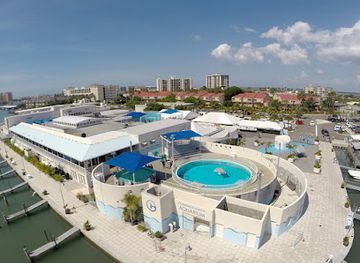
Clearwater Marine Aquarium
Explore marine life and conservation at Clearwater Marine Aquarium, a non-profit dedicated to animal rescue and education in beautiful Clearwater Beach.
-
Tourist attraction
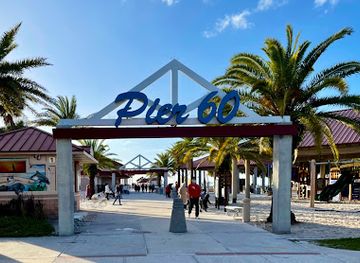
Pier 60 Park
Discover the beauty and festivity of Pier 60 Park, a premier attraction in Clearwater Beach, perfect for sunsets, family fun, and seaside entertainment.
-
Tourist attraction
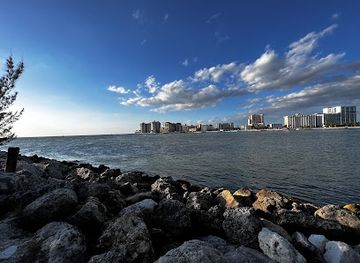
Sand Key Park
Experience the tranquil beauty of Sand Key Park, Clearwater's serene oasis of sandy beaches and lush nature trails, perfect for relaxation and adventure.
-
Botanical garden
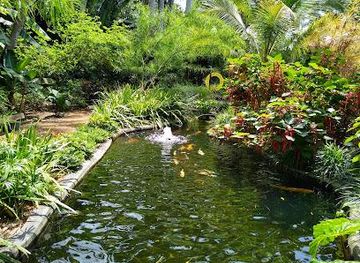
Sunken Gardens
Experience the tranquility and vibrant beauty of Sunken Gardens, a lush botanical paradise in St. Petersburg, Florida, perfect for nature lovers and visitors alike.
Best landmarks in Clearwater Beach
The Gulf of Mexico shoreline is Clearwater Beach’s defining natural landmark, its open western aspect creating the setting for the area’s celebrated sunset views. Pier 60 is the best-known built landmark on the island, extending into the Gulf and linking fishing, recreation and public waterfront life. The causeways over Clearwater Pass and the Intracoastal Waterway are important parts of the destination’s geography, revealing its position between open sea and sheltered coastal channels. Nearby Sand Key and Caladesi Island represent separate barrier-island landscapes, while the mainland harbour and waterways explain Clearwater’s maritime identity. The beach’s dunes, planted coastal vegetation and shifting sand are also significant features, although they are living and managed parts of a vulnerable shoreline rather than permanent geological monuments. In the wider city, the historic Capitol Theatre and Clearwater Marine Aquarium are notable attractions, but neither stands on Clearwater Beach itself.
-
Aquarium
Clearwater Marine Aquarium
Explore Clearwater Marine Aquarium, a unique non-profit dedicated to marine life rescue and conservation, providing memorable experiences for all ages.
-
Park
Pier 60 Park
Experience the vibrant atmosphere and stunning sunsets at Clearwater Beach's Pier 60 Park, a family-friendly destination with activities for everyone.
-
Park
Sand Key Park
Discover the serene beauty of Sand Key Park, a coastal haven for relaxation, nature exploration, and family fun in Clearwater, Florida.
-
Hotel
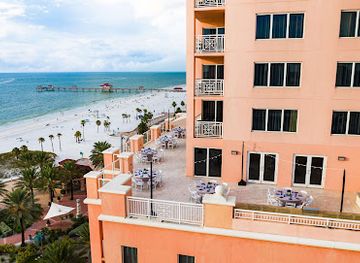
Hyatt Regency Clearwater Beach Resort And Spa
Discover luxury and relaxation at Hyatt Regency Clearwater Beach Resort and Spa, where stunning views and exceptional amenities create unforgettable experiences.
Explore Clearwater Beach on the map
Plan your trip on one map. See where the top attractions, landmarks, restaurants and hotels are, and book hotels and experiences in a few clicks.
Best hotels in Clearwater Beach
Best restaurants in Clearwater Beach
Dining on Clearwater Beach is concentrated around the main resort streets, the waterfront and the approaches to the bridges, with additional choice on the Clearwater mainland. The local food scene reflects Florida’s Gulf Coast setting: seafood, fish sandwiches, oysters, shrimp, stone crab when in season and casual grilled dishes appear alongside American beach fare, international restaurants and cafés. Waterfront restaurants and longstanding beach establishments provide sunset views, while casual venues suit visitors returning from the sand or a boat excursion. Businesses such as Frenchy’s and the Palm Pavilion are established names associated with Clearwater Beach, though menus and operating arrangements can change. Visitors staying in self-catering accommodation can find broader grocery provision on the mainland, while compact beach-area shops and markets are convenient for drinks, snacks and picnic supplies rather than a complete regional food shop.
-
Seafood
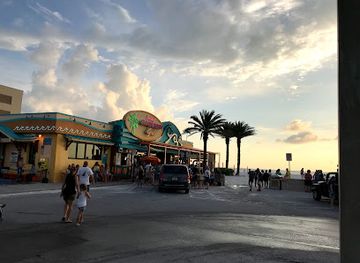
Frenchy's Rockaway Grill
Savor fresh seafood at Frenchy's Rockaway Grill, where ocean views meet delightful dishes in Clearwater Beach.
-
Seafood
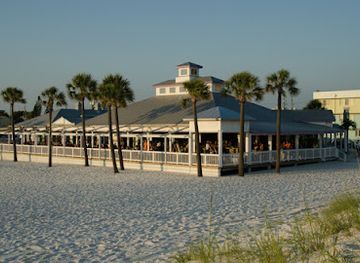
Palm Pavilion Beachside Grill & Bar
Discover culinary delights at Palm Pavilion Beachside Grill & Bar - Clearwater's top destination for fresh seafood and oceanfront dining.
-
Restaurant
Crabby's Dockside Clearwater
Experience delightful American seafood cuisine at Crabby's Dockside Clearwater while soaking in breathtaking views of Clearwater Beach.
-
Grill
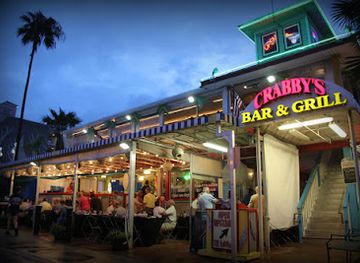
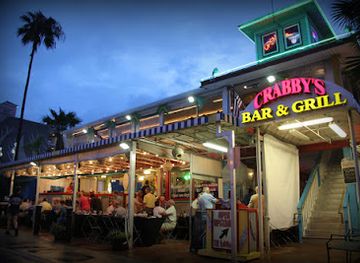
Crabby's Bar & Grill Clearwater
Experience vibrant flavors at Crabby's Bar & Grill in Clearwater Beach—where fresh seafood meets stunning Gulf views.
Best bars in Clearwater Beach
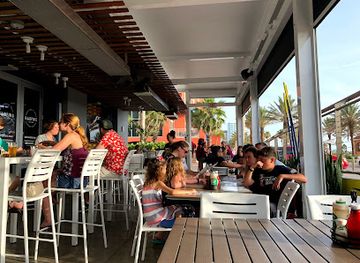
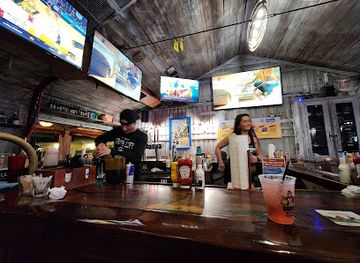
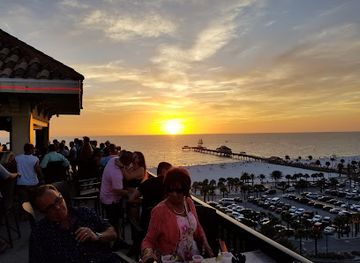
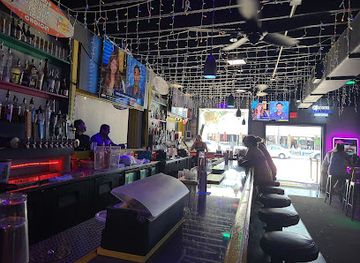
Clearwater Beach’s evening scene is centred on casual beach bars, hotel lounges, seafood restaurants and waterfront venues rather than a large nightclub district. The area around Pier 60 becomes especially active around sunset, when visitors gather for views, street entertainment and the changing light over the Gulf, subject to weather and local arrangements. Bars and restaurants along the main resort streets may offer live music or evening entertainment, but programming and opening patterns vary by venue and season. The atmosphere is generally social and holiday-oriented, with many visitors walking between the beach, accommodation and dining areas. Those seeking a broader urban nightlife selection can look towards St Petersburg or Tampa, outside Clearwater Beach and requiring separate transport across the wider Tampa Bay region.
-
Seafood
Palm Pavilion Beachside Grill & Bar
Experience the best of Clearwater Beach dining at Palm Pavilion Beachside Grill & Bar, offering fresh seafood and stunning Gulf views.
-
Grill
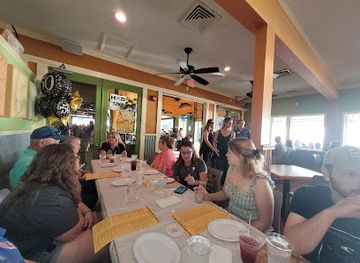
Crabby's Bar & Grill Clearwater
Savor the taste of the Gulf at Crabby's Bar & Grill, a vibrant seafood haven with stunning views in Clearwater Beach.
-
Restaurant
Badfins Food + Brew
Experience the vibrant flavors of Badfins Food + Brew in Clearwater Beach, where American and Mexican cuisines meet in a lively atmosphere.
-
Seafood
Coco's Crush Bar North Beach
Experience the flavors of the sea at Coco's Crush Bar in Clearwater Beach, where every meal is a celebration of fresh seafood and tropical vibes.
Best nightclubs in Clearwater Beach
Clearwater Beach’s evening scene is centred on casual beach bars, hotel lounges, seafood restaurants and waterfront venues rather than a large nightclub district. The area around Pier 60 becomes especially active around sunset, when visitors gather for views, street entertainment and the changing light over the Gulf, subject to weather and local arrangements. Bars and restaurants along the main resort streets may offer live music or evening entertainment, but programming and opening patterns vary by venue and season. The atmosphere is generally social and holiday-oriented, with many visitors walking between the beach, accommodation and dining areas. Those seeking a broader urban nightlife selection can look towards St Petersburg or Tampa, outside Clearwater Beach and requiring separate transport across the wider Tampa Bay region.
-
Bar
Jimmy's Crows Nest
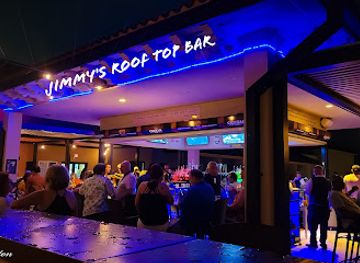
Enjoy breathtaking Gulf views and vibrant nightlife at Jimmy's Crows Nest, Clearwater Beach's premier bar, restaurant, and night club.
-
Restaurant
Jimmy's On The Edge
Experience the vibrant atmosphere and stunning Gulf views at Jimmy's On The Edge, Clearwater Beach's premier restaurant and bar.
-
Bar
The Shipwreck
Discover The Shipwreck, a lively bar in Clearwater Beach, where delicious food, refreshing drinks, and unforgettable nights await you.
-
Bar
Jamminz
Experience the ultimate beach vibe at Jamminz Beach Bar, where cocktails, live music, and stunning ocean views create a memorable getaway.

Best shops in Clearwater Beach
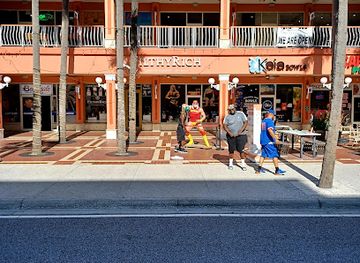
Shopping on Clearwater Beach is geared towards visitors, with beachwear, swimwear, sun protection, souvenirs, gifts, shells and casual holiday goods concentrated along the main resort streets. Small independent shops and convenience stores are useful for immediate beach supplies, while galleries and craft-oriented retailers may offer Florida-themed art, coastal décor and locally inspired gifts, although the selection changes over time. The area is not a major destination for traditional handicrafts or high-end retail. For larger supermarkets, pharmacies, general merchandise and a wider range of independent businesses, visitors should use mainland Clearwater and other Pinellas County commercial areas. Practical outdoor equipment and watersports supplies are available from selected specialist businesses, but stock and services should be checked locally rather than assumed from the beach’s resort character.
-
Shopping mall
Pelican Walk Plaza Clearwater Beach Florida
Discover Pelican Walk Plaza, Clearwater Beach's premier shopping destination with unique stores and delightful dining options in a vibrant coastal setting.
-
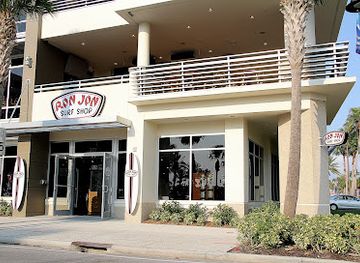
Surf shop
Ron Jon Surf Shop
Explore Ron Jon Surf Shop in Clearwater Beach for all your surfing and beachwear needs, where vibrant surf culture meets endless summer fun.
-
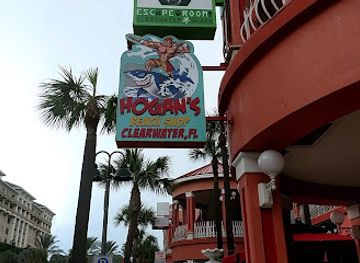
Sports memorabilia store
Hulk Hogan's Wrestling Shop
Discover the ultimate wrestling memorabilia at Hulk Hogan's Wrestling Shop in Clearwater Beach, where every fan can find a piece of history.
-
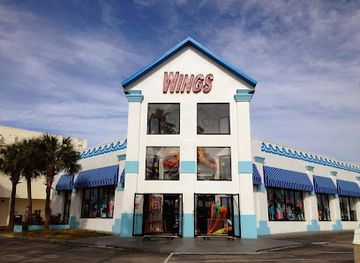
Beach clothing store
Breeza Beachwear
Discover Breeza Beachwear in Clearwater Beach - your ultimate destination for stylish swimwear, unique gifts, and unforgettable souvenirs from the Sunshine State.
Get your free copy of our complete guide to Clearwater Beach, delivered straight to you.
Everything on this page, from attractions and restaurants to essentials and local phrases, in one PDF you can read offline, print or share.
Already have an account? Sign in
Your Clearwater Beach guide is ready.
We'll send it to · Not you? Sign out

Getting your guide ready…
We are putting together a fresh copy of the Clearwater Beach guide. This can take up to a minute.
This can take a few moments. If your browser asks, choose Allow so the download can start. You'll find the guide in your Downloads folder.
Nothing happened? Download it again
Sorry, the guide is taking longer than usual. Please try again in a minute, or get it by email instead.
Clearwater Beach essentials
Currency and Payment
Safety
Emergency Situations
Do's and Don'ts
Local Tips
From Eve
Local phrases worth knowing
You don't need to get them perfect. A few words go a long way, and locals appreciate the effort.
Basics
| English | Local | Say it |
|---|---|---|
| Hello | Hey there | [hey thair] |
| Goodbye | See ya | [see yah] |
| Yes | Yep | [yep] |
| No | Nah | [nah] |
| Please/You're welcome | Please | [pleez] |
| Thank you | Thanks | [thanks] |
| Excuse me/Sorry | Sorry | [sor-ee] |
| How are you? | How's it going? | [hows it go-ing] |
| Fine. And you? | Doing good. You? | [doo-ing good. yoo?] |
| Do you speak English? | You speak English? | [yoo speak ing-lish?] |
| I don't understand | I'm lost | [im lost] |
Eating & Drinking
| English | Local | Say it |
|---|---|---|
| I'd like to see the menu, please | Can I check out the menu? | [kan eye chek out the men-yoo?] |
| I don't eat meat | I'm vegetarian | [im ve-ji-tear-ee-an] |
| Cheers! | Cheers! | [cheers] |
| I would like to pay, please | Check, please | [chek, pleez] |
Emergencies
| English | Local | Say it |
|---|---|---|
| Help! | Help! | [help] |
| Go away! | Go away! | [go away] |
| Call the Police! | Call the cops! | [call the cops] |
| Call a doctor! | Call a doc! | [call a dok] |
| I'm lost | I'm lost | [im lost] |
| I'm ill | I'm sick | [im sik] |
Shopping
| English | Local | Say it |
|---|---|---|
| I'd like to buy... | I wanna buy... | [eye wanna buy] |
| I'm just looking | Just browsing | [just brow-zing] |
| How much is it? | How much does it cost? | [how much duz it cost] |
| That's too expensive | Too pricey | [too prye-see] |
| Can you lower the price? | Can you give a discount? | [kan yoo giv a dis-kownt] |
Time & Numbers
| English | Local | Say it |
|---|---|---|
| What time is it? | What's the time? | [whats the time] |
| It's one o'clock | It's one | [its one] |
| Half past (10) | Ten thirty | [ten thur-tee] |
| Morning | Morning | [mor-ning] |
| Afternoon | Afternoon | [af-ter-noon] |
| Evening | Evening | [ee-ven-ing] |
| Yesterday | Yesterday | [yes-ter-day] |
| Today | Today | [to-day] |
| Tomorrow | Tomorrow | [to-mor-row] |
| 1 | One | [wun] |
| 2 | Two | [too] |
| 3 | Three | [three] |
| 4 | Four | [four] |
| 5 | Five | [five] |
| 6 | Six | [six] |
| 7 | Seven | [sev-en] |
| 8 | Eight | [ate] |
| 9 | Nine | [nine] |
| 10 | Ten | [ten] |
Transport & Directions
| English | Local | Say it |
|---|---|---|
| Where's a/the...? | Where's the...? | [wheres the] |
| What's the address? | What's the address? | [whats the address] |
| Can you show me (on the map)? | Can you show me (on the map)? | [kan yoo show me] |
| When's the next (bus)? | When's the next (bus)? | [whens the next bus] |
| A ticket (to ....) | A ticket (to ....) | [a ticket to] |
History of Clearwater Beach
Indigenous Gulf Coast Communities
The barrier islands and mainland shores around present-day Clearwater were used by Indigenous peoples long before European settlement. The wider central Gulf Coast was associated with the Tocobaga, whose communities depended on fishing, shellfish, coastal plants and trade. Archaeological shell middens and other evidence across the Tampa Bay region reveal sustained relationships between people and the estuarine environment, although the modern resort island should not be treated as an unchanged survival of those earlier landscapes. European contact, disease, conflict and colonial expansion profoundly disrupted Indigenous communities during the sixteenth and seventeenth centuries.
Settlement Around Clearwater Harbour
Modern Clearwater developed on the mainland around a natural harbour and freshwater springs, with the settlement growing during the nineteenth century as roads, shipping and agriculture connected the coast with inland Florida. The barrier island that is now Clearwater Beach remained comparatively undeveloped for much of this period. Its character was shaped by the difficulty of crossing the waterways, the mobility of the sandy shore and the importance of fishing and other maritime activities to nearby communities.
Bridges and Early Tourism
The arrival of improved transport links in the early twentieth century changed the relationship between mainland Clearwater and the beach island. Bridges and causeways made day trips and seaside recreation more practical, encouraging cottages, small businesses and the first substantial visitor development. Tourism expanded as Florida became increasingly accessible to visitors from other parts of the United States. The island’s economy gradually shifted from a lightly settled coastal margin towards a resort landscape built around bathing, fishing, boating and seasonal accommodation.
Resort Growth and Coastal Management
Post-war road travel, population growth in Pinellas County and the construction of larger hotels and condominiums transformed Clearwater Beach into a major Gulf Coast visitor centre. Development brought restaurants, marinas and recreational businesses, but also increased pressure on dunes, beaches, transport capacity and wildlife habitat. Beach renourishment, dune planting, public-access management and marine conservation have become important parts of the modern coastal landscape. Today, Clearwater Beach’s identity combines a highly developed resort waterfront with continuing efforts to manage erosion, storm impacts and the ecological sensitivity of barrier-island environments.
Clearwater Beach in Photos
Browse through our photo collection highlighting the charm and character of the destination.
Cities in Clearwater Beach
The towns and cities of Clearwater Beach, and the easiest places to base yourself.
-
-

-


Swipe for more cities
Neighbouring destination travel guides
The closest destinations to Clearwater Beach, if you have time for more than one.
-

-

-

-

-


Swipe for more destinations
Explore more

Explore more of Tampa Bay Area
Explore the Tampa Bay Area for Gulf beaches, waterfront museums, Cuban heritage, wildlife, outdoor adventures and lively Florida city culture.
Explore Tampa Bay Area
Explore more of Florida
Discover Florida: A Sunshine State full of dazzling beaches, iconic theme parks, rich history, and stunning natural parks, offering endless adventures for every traveler.
Explore Florida