

Sarasota Beaches Travel Guide - Free Web & App
Your ultimate guide to Sarasota Beaches. Discover top landmarks, proposed trips, and local tips. Free on the web or via the Evendo companion app.


Sarasota Beaches in Florida combine Siesta Key’s quartz sand, Lido’s coastal parks, Gulf sunsets, wildlife and easy access to arts and dining.
Barrier Islands and Gulf Coast
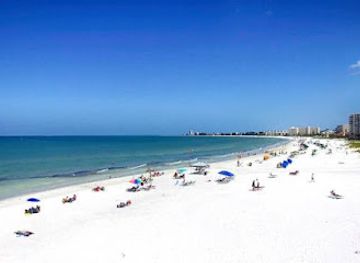
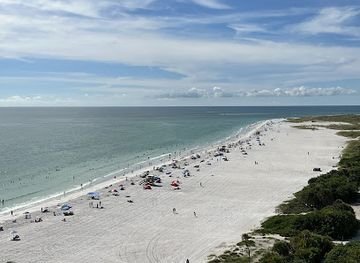
Sarasota Beaches describes a varied run of Gulf of Mexico shoreline on and around Sarasota County’s barrier islands and keys. The best-known strand is Siesta Beach on Siesta Key, celebrated for its pale, finely textured quartz sand and broad public beach. Nearby Crescent Beach and Turtle Beach offer a different rhythm, from quieter stretches of shoreline to a more practical base for exploring the southern end of the key. Across the Intracoastal Waterway, Lido Key combines a broad Gulf beach with the mangrove-lined paths and sheltered waters of South Lido County Park. Longboat Key stretches north towards Sarasota Bay, with residential shorefront, smaller access points and a calmer atmosphere than the principal public beaches.Read more about Sarasota Beaches
Beyond the Famous Beaches
Culture, Recreation and Local Character
When is the best time to visit Sarasota Beaches?
Best: February–March, November · 23–25°C| Month | High (°C) | Rainfall (mm) |
|---|---|---|
| January | 22 | 67 |
| February (best) | 23 | 71 |
| March (best) | 25 | 72 |
| April | 28 | 68 |
| May | 29 | 87 |
| June | 31 | 206 |
| July | 32 | 184 |
| August | 32 | 216 |
| September | 31 | 196 |
| October | 29 | 106 |
| November (best) | 24 | 60 |
| December | 21 | 63 |
Getting to and around Sarasota Beaches
How to get there
Transportation
Best attractions in Sarasota Beaches
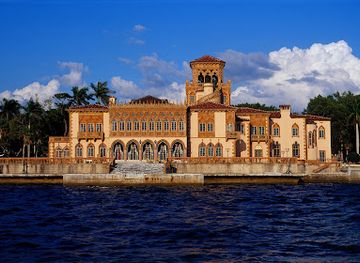
Siesta Beach is the signature attraction, with a wide shoreline of pale quartz sand on Siesta Key, while nearby Crescent Beach and Turtle Beach provide contrasting settings along the same island. Lido Beach and South Lido County Park bring together open Gulf shore, mangrove habitat and views towards the passes and Sarasota Bay, with the latter better suited to exploring a broader coastal environment than simply sunbathing. Longboat Key offers a long succession of Gulf access points and a quieter, residential atmosphere. South of Sarasota, Casey Key and Nokomis Beach extend the coastal circuit, and Venice adds a historic beach-town setting, jetty and fossil-rich shoreline outside the central Sarasota beach area. On the mainland, The Ringling provides a major cultural counterpoint through its art museum, historic Ca’ d’Zan mansion and circus collections, while boat launches, bayfront parks and waterways reveal how closely Sarasota’s urban life is tied to its barrier islands.
-
Public beach
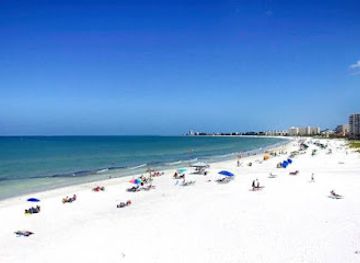
Siesta Beach
Experience the breathtaking beauty of Siesta Beach, where powdery white sands meet crystal-clear waters in Sarasota, Florida.
-
Shopping mall
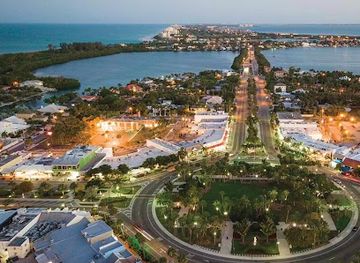
St. Armands Circle
Discover the beauty of St. Armands Circle, a premier shopping and dining destination in Sarasota, Florida, filled with charm and unique experiences.
-
Aquarium
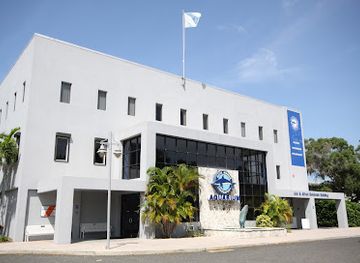
Mote Marine Laboratory & Aquarium
Explore the vibrant marine life and conservation efforts at Mote Marine Laboratory & Aquarium, a premier tourist attraction in Sarasota, Florida.
-
Art museum
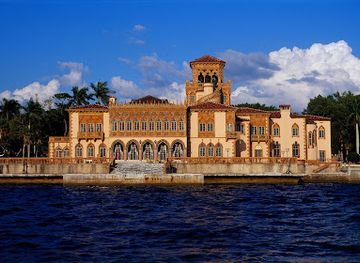
The John and Mable Ringling Museum of Art
Explore the exquisite art and history at The John and Mable Ringling Museum of Art, a cultural gem in Sarasota that captivates visitors with its beauty.
Best landmarks in Sarasota Beaches
The most recognisable natural landmark is the Gulf shoreline itself, particularly the broad quartz-sand beach at Siesta Beach, whose mineral composition gives the sand its unusually pale appearance. Lido Key’s passes, mangroves and beaches demonstrate the meeting of open Gulf water with sheltered estuarine habitat, while Longboat Key and Casey Key form part of the barrier-island chain separating the Gulf from Sarasota Bay and inland waterways. The Venice Jetties mark a prominent southern coastal structure and are associated with fishing, tidal movement and the beach’s fossil-hunting tradition. Important cultural landmarks stand on the mainland: The Ringling estate includes the pink Venetian Gothic-style Ca’ d’Zan, the Museum of Art and the Circus Museum, reflecting Sarasota’s association with the Ringling family and American circus history. St Armands Circle and the John Ringling Causeway also express the twentieth-century development of Sarasota’s island-facing cultural landscape.
-
Public beach
Siesta Beach
Discover Siesta Beach: A stunning public beach in Sarasota, Florida, known for its soft white sands and vibrant atmosphere. Perfect for relaxation and recreation.
-
Aquarium
Mote Marine Laboratory & Aquarium
Explore marine wonders at Mote Marine Laboratory & Aquarium in Sarasota, Florida, where conservation meets captivating aquatic experiences.
-
Art museum
The John and Mable Ringling Museum of Art
Experience the exquisite blend of art, history, and lush gardens at The John and Mable Ringling Museum of Art in Sarasota, Florida.
-
Beach
Lido Key Beach
Discover the pristine beauty of Lido Key Beach, a top destination in Sarasota offering sun-soaked shores and unforgettable coastal experiences.
Explore Sarasota Beaches on the map
Plan your trip on one map. See where the top attractions, landmarks, restaurants and hotels are, and book hotels and experiences in a few clicks.
Best hotels in Sarasota Beaches
Best restaurants in Sarasota Beaches
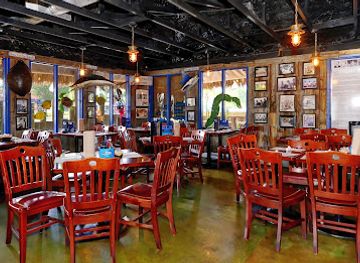
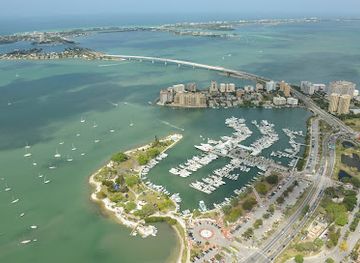
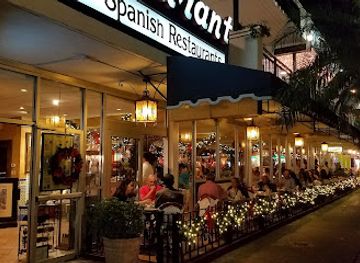
Dining is concentrated in Sarasota, St Armands, Siesta Key, Longboat Key, Venice and the mainland communities serving the southern beaches rather than directly on every stretch of sand. Visitors will find Florida coastal cooking alongside seafood, oysters, grouper and other Gulf-influenced dishes, as well as Cuban, Caribbean, Italian, Mexican and contemporary American food shaped by the region’s diverse population. Beach cafés and casual restaurants around Siesta Key and Lido Key are convenient after a day beside the water, while Sarasota’s mainland districts provide a broader choice of independent restaurants, bakeries and international cuisines. Longboat Key and Venice also have established dining areas, though quieter keys and state or county beach parks may have little or no food service, making it sensible to carry water and plan meals around the nearest settled community.
-
Seafood
Walt's Fish Market Restaurant
Discover the freshest seafood at Walt's Fish Market Restaurant in Sarasota - where flavor meets the ocean!
-
Restaurant
Marina Jack
Experience exquisite seafood dining at Marina Jack in Sarasota's beautiful waterfront setting.
-
American
Libby's
Experience exceptional American cuisine at Libby's Neighborhood Brasserie in Sarasota - where flavor meets elegance.
-
Restaurant
O'Leary's Tiki Bar & Grill
Experience tropical dining at O'Leary's Tiki Bar & Grill in Sarasota – where American cuisine meets beachside charm!

Best bars in Sarasota Beaches
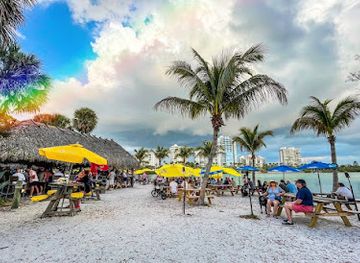
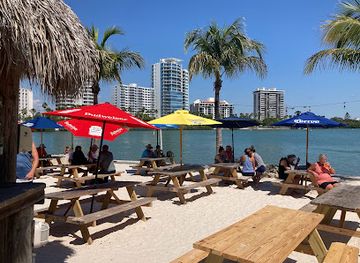
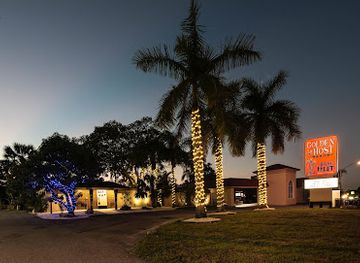
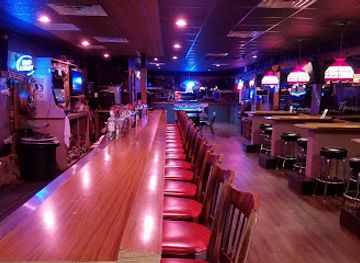
Sarasota Beaches are generally associated with relaxed evenings rather than a concentrated nightclub scene. Siesta Key Village has the most recognisable beach-oriented evening activity, with casual bars, restaurants and venues where live music may form part of the atmosphere, while St Armands Circle and the mainland areas around downtown Sarasota offer a wider selection of bars, restaurants and cultural evening entertainment. Longboat Key tends towards a quieter, accommodation-led evening character, and Casey Key, Nokomis and more isolated beach areas are not nightlife districts. Sunset gatherings, outdoor dining and drinks in established hospitality venues are more characteristic than late-night clubs directly on the sand. Availability, music and opening arrangements vary by venue and season, so visitors staying outside the main settled areas may need a car or pre-arranged transport for an evening out.
-
Restaurant
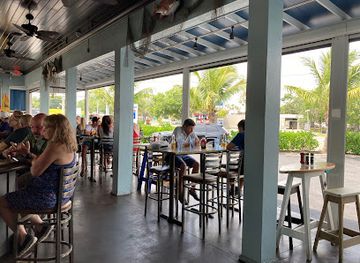
O'Leary's Tiki Bar & Grill
Experience the vibrant flavors and relaxed vibes of O'Leary's Tiki Bar & Grill, a must-visit waterfront restaurant in Sarasota offering fresh seafood and classic American fare.
-
Family-friendly
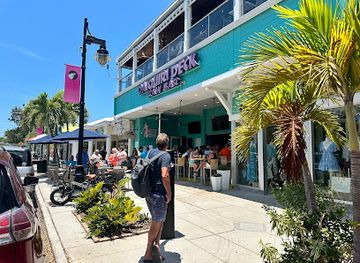
Daiquiri Deck St. Armands Circle
Experience the ultimate family-friendly dining at Daiquiri Deck St. Armands Circle, featuring fresh seafood and refreshing cocktails in a vibrant atmosphere.
-
Restaurant
The Parrot Patio Bar & Grill
Experience tropical dining at The Parrot Patio Bar & Grill in Sarasota, where fresh flavors and vibrant atmosphere meet under the Florida sun.
-
Restaurant
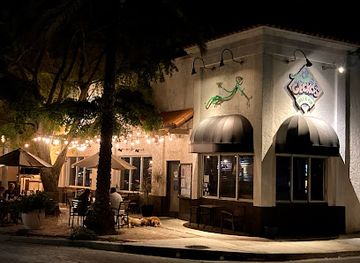
Gecko’s Grill & Pub
Discover the vibrant dining scene at Gecko's Grill & Pub, a top American restaurant and sports bar in Sarasota, perfect for casual meals and game nights.
Best nightclubs in Sarasota Beaches
Sarasota Beaches are generally associated with relaxed evenings rather than a concentrated nightclub scene. Siesta Key Village has the most recognisable beach-oriented evening activity, with casual bars, restaurants and venues where live music may form part of the atmosphere, while St Armands Circle and the mainland areas around downtown Sarasota offer a wider selection of bars, restaurants and cultural evening entertainment. Longboat Key tends towards a quieter, accommodation-led evening character, and Casey Key, Nokomis and more isolated beach areas are not nightlife districts. Sunset gatherings, outdoor dining and drinks in established hospitality venues are more characteristic than late-night clubs directly on the sand. Availability, music and opening arrangements vary by venue and season, so visitors staying outside the main settled areas may need a car or pre-arranged transport for an evening out.
-
Live Music
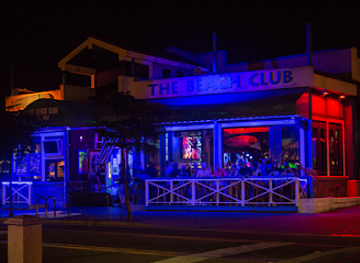
The Beach Club
Discover the electrifying nightlife at The Beach Club in Siesta Key, where live music, vibrant atmosphere, and unforgettable experiences await.
-
Tiki bar
Bahi Hut Tiki Cocktail Lounge
Discover the vibrant Bahi Hut Tiki Cocktail Lounge in Sarasota, a tropical paradise for cocktails, live music, and unforgettable vibes.
-
Cocktail bar
Memories Lounge
Discover the vibrant nightlife at Memories Lounge, a top cocktail bar in Sarasota offering exceptional drinks and a lively atmosphere for all.
-
Bar
Perspective Rooftop Pool Bar
Experience breathtaking views and a vibrant atmosphere at the Perspective Rooftop Pool Bar in Sarasota, where relaxation meets luxury.
Best shops in Sarasota Beaches
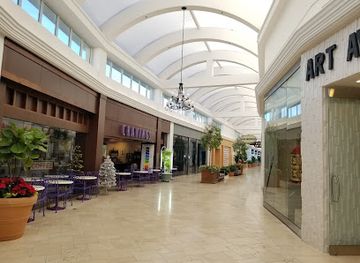
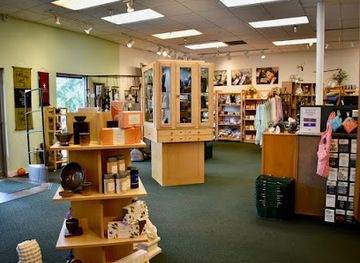
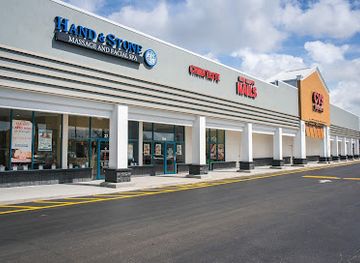
Shopping is centred on the settled keys and mainland districts rather than the quieter beaches. Siesta Key Village has shops serving beach visitors alongside independent gift, clothing and lifestyle businesses, while St Armands Circle on Lido Key is known for its concentration of shops, galleries, restaurants and public art. Sarasota’s mainland districts offer a broader selection of galleries, antiques, design goods, books and everyday provisions, and Longboat Key and Venice provide additional shops near their principal visitor areas. Regional purchases may include Florida food products, coastal-themed art, jewellery, locally made crafts and practical beach or outdoor equipment, although the range varies by location. Visitors staying near Turtle Beach, Casey Key or more remote shoreline should stock up in a larger settlement, as individual beach parks and residential stretches do not form continuous retail districts.
-
Shopping mall
St. Armands Circle
Explore St. Armands Circle in Sarasota, Florida - a vibrant shopping haven with unique boutiques, delightful eateries, and beautiful parks.
-
Shopping mall
Crossings at Siesta Key
Discover a vibrant shopping experience at Crossings at Siesta Key, featuring diverse shops, dining, and entertainment in Sarasota, Florida.
-
Metaphysical supply store
Elysian Fields
Explore the enchanting world of Elysian Fields, a metaphysical supply store in Sarasota offering unique gifts, books, and psychic services for spiritual seekers.
-
Shopping mall
Shops at Siesta Row
Experience the charm of Sarasota at The Shops at Siesta Row, where shopping meets local culture and dining in a picturesque setting.
Get your free copy of our complete guide to Sarasota Beaches, delivered straight to you.
Everything on this page, from attractions and restaurants to essentials and local phrases, in one PDF you can read offline, print or share.
Already have an account? Sign in
Your Sarasota Beaches guide is ready.
We'll send it to · Not you? Sign out

Getting your guide ready…
We are putting together a fresh copy of the Sarasota Beaches guide. This can take up to a minute.
This can take a few moments. If your browser asks, choose Allow so the download can start. You'll find the guide in your Downloads folder.
Nothing happened? Download it again
Sorry, the guide is taking longer than usual. Please try again in a minute, or get it by email instead.
Sarasota Beaches essentials
Currency and Payment
Safety
Emergency Situations
Do's and Don'ts
Local Tips
From Eve
Local phrases worth knowing
You don't need to get them perfect. A few words go a long way, and locals appreciate the effort.
Basics
| English | Local | Say it |
|---|---|---|
| Hello | Howdy | [haw-dee] |
| Goodbye | See ya | [see yuh] |
| Yes | Yep | [yep] |
| No | Nah | [nah] |
| Please/You're welcome | Please/No worries | [pleez / no wur-eez] |
| Thank you | Thanks | [thanks] |
| Excuse me/Sorry | Pardon me/Sorry | [par-dun me / sorr-ee] |
| How are you? | How ya doin'? | [how yuh doo-in] |
| Fine. And you? | Good. How 'bout you? | [good. how bout yuh] |
| Do you speak English? | Ya speak English? | [ya speak ing-glish] |
| I don't understand | I ain't gettin' it | [i aint get-tin it] |
Eating & Drinking
| English | Local | Say it |
|---|---|---|
| I'd like to see the menu, please | Can I check out the menu, please | [can eye chek out the menu pleez] |
| I don't eat meat | I don't do meat | [i don't do meat] |
| Cheers! | Cheers! | [cheers] |
| I would like to pay, please | I'm ready to settle up, please | [im red-dee to set-tle up pleez] |
Emergencies
| English | Local | Say it |
|---|---|---|
| Help! | Help! | [help] |
| Go away! | Scram! | [scram] |
| Call the Police! | Get the cops! | [get the cops] |
| Call a doctor! | Get a doc! | [get a doc] |
| I'm lost | I'm turned around | [im turned a-round] |
| I'm ill | I'm feelin' poorly | [im feel-in poor-lee] |
Shopping
| English | Local | Say it |
|---|---|---|
| I'd like to buy... | I'm thinkin' 'bout buyin'... | [im think-in bout buy-in] |
| I'm just looking | Just browsin' | [just brow-zin] |
| How much is it? | What's the damage? | [whats the dam-ij] |
| That's too expensive | That's a bit steep | [thats a bit steep] |
| Can you lower the price? | Can ya do a deal? | [can ya do a deal] |
Time & Numbers
| English | Local | Say it |
|---|---|---|
| What time is it? | What's the time? | [whats the time] |
| It's one o'clock | It's one | [its one] |
| Half past (10) | Ten-thirty | [ten-thur-tee] |
| Morning | Mornin' | [morn-in] |
| Afternoon | Afternoon | [after-noon] |
| Evening | Evenin' | [even-in] |
| Yesterday | Yesterdee | [yes-ter-dee] |
| Today | Today | [to-day] |
| Tomorrow | Tomorrow | [to-mar-row] |
| 1 | One | [wun] |
| 2 | Two | [too] |
| 3 | Three | [three] |
| 4 | Four | [four] |
| 5 | Five | [five] |
| 6 | Six | [six] |
| 7 | Seven | [seven] |
| 8 | Eight | [ate] |
| 9 | Nine | [nine] |
| 10 | Ten | [ten] |
Transport & Directions
| English | Local | Say it |
|---|---|---|
| Where's a/the...? | Where's the...? | [wheres the] |
| What's the address? | What's the addy? | [whats the add-ee] |
| Can you show me (on the map)? | Can ya point it out (on the map)? | [can ya point it out on the map] |
| When's the next (bus)? | When's the next bus? | [whens the next bus] |
| A ticket (to ....) | A pass (to ....) | [a pass to] |
History of Sarasota Beaches
Indigenous Gulf Coast Landscapes
Long before modern Sarasota, the Gulf coast and its estuaries supported Indigenous communities whose lives were closely connected with fishing, shellfish, hunting and seasonal movement. The wider region is associated with the cultural traditions of the Calusa and, later, the Timucua, although historical boundaries and identities were complex rather than fixed. Shell middens and other archaeological evidence across Florida’s coastal landscape record sustained human use of bays, islands and shorelines. Spanish exploration brought the coast into European maps and imperial networks, while disease, conflict and colonial disruption profoundly affected Indigenous populations. The beaches, passes and mangrove waterways that define the modern destination were therefore part of a much older human landscape.
Settlement Around Bays and Keys
Modern settlement developed gradually around Sarasota Bay, the mainland and the barrier islands. Fishing, small-scale agriculture, boating and coastal trade were important before tourism became dominant, while mosquitoes, limited roads and the difficulty of crossing tidal waterways restricted early development. Sarasota was incorporated as a town in the nineteenth century and later grew as a regional centre. The keys remained comparatively lightly settled for much of this period, with access depending on boats, ferries and improving roads. As transport links strengthened, beaches became increasingly accessible to residents and visitors, changing the relationship between the mainland city and its Gulf shoreline.
The Ringling Era and Cultural Identity
Sarasota’s twentieth-century identity was strongly shaped by John Ringling and the Ringling Brothers and Barnum & Bailey circus, which wintered in the area and helped draw national attention to the region. Ringling also promoted development around Sarasota Bay and the barrier islands, including the area now associated with St Armands Circle and the connection towards Lido Key. The circus brought seasonal employment, performers and a distinctive cultural reputation, while the city’s architecture, arts institutions and social life developed alongside it. The Ringling Museum of Art and related historic properties preserve this strand of local history, although they stand on the mainland rather than on the beaches themselves.
Bridges, Tourism and Coastal Management
After the Second World War, improved roads, bridges, motor travel and air connections accelerated residential and visitor development on Siesta Key, Lido Key, Longboat Key and the southern beaches around Casey Key and Venice. Public beach parks expanded as communities sought to retain access to the Gulf while accommodating rising demand. The same growth also exposed the coast to erosion, storms, habitat loss and pressure on parking and infrastructure. Beach renourishment, dune protection, sea-turtle conservation and restrictions around nesting areas have consequently become important parts of modern coastal management. Sarasota’s beaches now balance recreation and property development with the protection of a dynamic shoreline whose shape and condition can change after major storms.
Sarasota Beaches in Photos
Browse through our photo collection highlighting the charm and character of the destination.
Cities in Sarasota Beaches
The towns and cities of Sarasota Beaches, and the easiest places to base yourself.

Swipe for more cities
Neighbouring destination travel guides
The closest destinations to Sarasota Beaches, if you have time for more than one.
-

-

-

-

-


Swipe for more destinations
Explore more
Explore more of Sun Coast
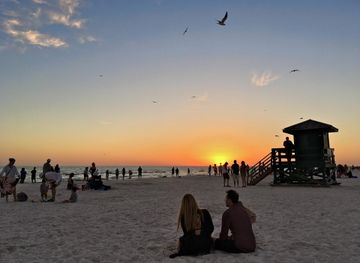
Explore Florida’s Sun Coast for Gulf beaches, Tampa Bay culture, Sarasota arts, mangrove wildlife and relaxed coastal towns from Clearwater to Naples.
Explore Sun Coast
Explore more of Florida
Discover Florida: A Sunshine State full of dazzling beaches, iconic theme parks, rich history, and stunning natural parks, offering endless adventures for every traveler.
Explore Florida