

St. Petersburg Beach, Florida Travel Guide
Discover St. Petersburg Beach in Florida, a sun-soaked paradise with pristine sands, historic landmarks, and vibrant local culture on Florida's Gulf Coast.
St. Petersburg Beach, often referred to as St. Pete Beach, is a gem on Florida's Gulf Coast. Known for its powdery white sand and clear, warm waters, this beach offers an idyllic escape for sunbathers, swimmers, and water sports enthusiasts alike. The beach stretches for miles, providing plenty of space for visitors to find their perfect spot to relax and soak up the sun. Just off the beach, the historic Don CeSar Hotel stands as a majestic pink palace, offering a glimpse into the area's elegant past. Nearby, you can explore a variety of shops, restaurants, and bars that cater to every taste. From fresh seafood to tropical cocktails, the local cuisine is sure to delight. For those looking to explore beyond the beach, St. Pete Beach is close to numerous attractions. The Salvador Dalí Museum, with its extensive collection of surrealist art, and Fort De Soto Park, known for its stunning natural beauty and rich history, are both just a short drive away. Whether you are seeking relaxation or adventure, St. Petersburg Beach has something for everyone.

Know before you go
Hi, I'm Eve. Here are a few practical things to know before exploring St. Petersburg Beach.
- Visit during weekdays to avoid the weekend crowds.
- Bring sunscreen and a hat as the sun can be intense.
- Check out the sunset at Pass-a-Grille Beach for a stunning view.
- Rent a bike to explore the area and its scenic trails.
- Try the local seafood at one of the many beachfront restaurants.
Explore St. Petersburg Beach: Things to Do, Places to Eat, Hotels & More
Handpicked recommendations for top attractions, local dining, accommodations, and more

Best attractions in St. Petersburg Beach
Top-rated picks
Best Attractions

The Dalí (Salvador Dalí Museum)
Discover the extraordinary world of Salvador Dalí at The Dalí Museum, where art, architecture, and imagination converge in St. Petersburg, Florida.

St. Pete Pier
Discover the beauty of St. Pete Pier, a vibrant waterfront destination in St. Petersburg, Florida, featuring stunning views, local markets, and diverse activities.

John's Pass
Experience the vibrant charm of John's Pass in Madeira Beach, Florida, featuring shopping, dining, and thrilling outdoor adventures.

Vinoy Park
Explore Vinoy Park: A picturesque waterfront escape in St. Petersburg, Florida, featuring lush landscapes and stunning bay views.

Best landmarks in St. Petersburg Beach
Top-rated picks
Best Landmarks

The Dalí (Salvador Dalí Museum)
Explore The Dalí Museum in St. Petersburg, Florida, home to the largest collection of Salvador Dalí's works outside Spain.

Vinoy Park
Discover the beauty of Vinoy Park, a lush green haven in St. Petersburg, perfect for relaxation, recreation, and stunning waterfront views.

St. Pete Beach Access
Discover St. Pete Beach Access, a stunning public beach with soft white sands and vibrant activities perfect for tourists seeking relaxation and adventure.

Sunken Gardens
Experience the beauty and tranquility of Sunken Gardens, a stunning botanical paradise in St. Petersburg, Florida, perfect for nature lovers and special events.

Best restaurants in St. Petersburg Beach
Top-rated picks
Best Restaurants

St. Pete Beach Crabby Bill's Seafood
Discover fresh seafood and stunning views at Crabby Bill's Seafood in St. Pete Beach - where every bite feels like a beach vacation.

La Croisette
Experience delicious breakfasts and family-friendly brunches at La Croisette in sunny St. Pete Beach – a culinary gem on Florida's Gulf Coast.

Skidders Restaurant
Experience the best of Greek and Italian cuisine at Skidders Restaurant in St. Pete Beach – where every meal feels like a vacation.

Woody's Waterfront
Experience the best of St. Pete Beach at Woody's Waterfront - where delicious grilled meals meet lively entertainment in a family-friendly setting.

Best bars in St. Petersburg Beach
Top-rated picks
Best Bars

The Toasted Monkey
Experience the vibrant atmosphere of The Toasted Monkey, a premier bar and grill in St. Pete Beach, serving delicious food and refreshing drinks.

Jimmy B's Beach Bar
Discover Jimmy B's Beach Bar, a vibrant spot on St. Pete Beach offering live music, delicious food, and a perfect beachside atmosphere.

The Drunken Clam
Discover the vibrant flavors and lively atmosphere of The Drunken Clam, a must-visit beachside grill in St. Pete Beach offering great food and live music.

Bongos Beach Bar and Grille
Experience the flavors of Florida at Bongos Beach Bar and Grille, where fresh seafood meets stunning ocean views in a vibrant beach atmosphere.

Best nightclubs in St. Petersburg Beach
Top-rated picks
Best Nightclubs

Bongos Beach Bar and Grille
Experience the ultimate beachside dining at Bongos Beach Bar and Grille, where fresh flavors meet stunning Gulf views.

Enigma
Discover Enigma: St. Petersburg's vibrant gay bar and dance club, offering lively music, delicious cocktails, and an inclusive atmosphere for all.

Good Night John Boy
Experience the vibrant nightlife at Good Night John Boy, St. Petersburg's top bar for cocktails, entertainment, and unforgettable moments.

Undertow Beach Bar
Experience the vibrant atmosphere of Undertow Beach Bar, where refreshing cocktails meet stunning beach views in St. Pete Beach.

Best shops in St. Petersburg Beach
Top-rated picks
Best Shops

Corey Avenue Shopping District
Discover the eclectic shops and delightful dining options at Corey Avenue Shopping District in St. Pete Beach, where local culture flourishes.

Dolphin Village
Explore Dolphin Village, a vibrant shopping mall in St. Pete Beach, Florida, offering diverse stores and delicious dining options near the ocean.

The Florida Shell Shop
Explore the enchanting world of seashells and marine treasures at The Florida Shell Shop, your go-to souvenir store in Treasure Island, Florida.

Breeza Beachwear
Discover Breeza Beachwear in St. Pete Beach for vibrant swimwear, trendy beach clothing, and unique souvenirs capturing the coastal lifestyle.

Explore St. Petersburg Beach on the Map
A handpicked selection of must-see spots in St. Petersburg Beach, mapped for you.
St. Petersburg Beach Essentials
-
St. Petersburg Beach, often referred to as St. Pete Beach, is located on the Gulf Coast of Florida. The closest major airport is Tampa International Airport (TPA), approximately 30 miles away. From the airport, travelers can rent a car, take a shuttle, or use ride-sharing services like Uber or Lyft to reach St. Pete Beach. Additionally, the St. Pete-Clearwater International Airport (PIE) is about 20 miles away and offers more regional flight options.
-
Once in St. Pete Beach, getting around is relatively easy. The Suncoast Beach Trolley runs along Gulf Boulevard and is a convenient way to visit various beach attractions. For more flexibility, renting a car is a good option. Biking is also popular, with many rental shops available. Taxis and ride-sharing services like Uber and Lyft are widely accessible for shorter trips or evenings out.
-
The official currency is the United States Dollar (USD). Credit and debit cards are widely accepted in most establishments, including hotels, restaurants, and shops. ATMs are plentiful, and you can find them in convenience stores, banks, and shopping areas. It's advisable to carry some cash for small purchases or tips.
-
St. Pete Beach is generally a safe destination, but like any tourist area, it is wise to take standard precautions. Avoid leaving valuables unattended on the beach and be cautious in crowded areas. While most of St. Pete Beach is safe, some nearby neighborhoods in St. Petersburg, like Midtown, have higher crime rates. It is advisable to avoid these areas, especially at night.
-
In case of emergency, dial 911 for immediate assistance. The area has several medical facilities, including the Palms of Pasadena Hospital. For non-emergency medical issues, there are urgent care centers and pharmacies available. It's a good idea to have travel insurance that covers medical emergencies.
-
Fashion: Do wear casual, beach-appropriate clothing. Swimwear is acceptable on the beach but not in stores or restaurants. Don’t wear overly revealing clothing in public places. Religion: Do respect religious sites and ceremonies if you visit any local churches. Public Transport: Do use the Suncoast Beach Trolley for a scenic and convenient ride. Don’t forget to have exact change or a Suncoast Trolley pass. Greetings: Do greet people with a smile or a casual 'Hi'. Don’t be overly formal. Eating & Drinking: Do try local seafood and beachside eateries. Don’t leave a poor tip; standard tipping is 15-20%.
-
To experience St. Pete Beach like a local, visit the Corey Avenue Sunday Market for local produce, crafts, and food. Take a sunset cruise or rent a paddleboard for a unique view of the coast. For a quieter beach day, head to the less crowded southern part of Pass-a-Grille Beach. Don’t miss the opportunity to explore nearby Fort De Soto Park for its historical sites and natural beauty.
When is the best time to visit St. Petersburg Beach?
Useful Local Phrases for St. Petersburg Beach
You don't need to speak the language perfectly. Even learning a few simple words can make conversations warmer—and locals usually appreciate the effort.
— Eve

Here are the phrases I use most often in St. Petersburg Beach. Try a few—you'll be surprised how far they go! 😊
❤️
-
- HelloHey
[hey] - GoodbyeLater
[lay-ter] - YesYeah
[yeh] - NoNah
[nah] - Please/You're welcomePlease
[pleez] - Thank youThanks
[thanks] - Excuse me/SorrySorry
[sor-ee] - How are you?How you doin'?
[how yoo doin'] - Fine. And you?Good. You?
[good. yoo] - Do you speak English?Speak English?
[speek ing-glish] - I don't understandDon't get it
[dohnt get it]
- HelloHey
-
- I'd like to see the menu, pleaseMenu, please
[men-yoo, pleez] - I don't eat meatNo meat
[no meet] - Cheers!Cheers!
[cheers] - I would like to pay, pleasePay, please
[pay, pleez]
- I'd like to see the menu, pleaseMenu, please
-
- Help!Help!
[help] - Go away!Go away!
[go away] - Call the Police!Police!
[po-lice] - Call a doctor!Doctor!
[doc-tor] - I'm lostLost
[lost] - I'm illSick
[sik]
- Help!Help!
-
- I'd like to buy...Buy...
[buy] - I'm just lookingJust looking
[just look-ing] - How much is it?Price?
[price] - That's too expensiveExpensive
[ex-pen-sive] - Can you lower the price?Lower price?
[low-er price]
- I'd like to buy...Buy...
-
- What time is it?Time?
[time] - It's one o'clockOne o'clock
[wun o-clock] - Half past (10)Half past
[haff past] - MorningMorning
[morn-ing] - AfternoonAfternoon
[af-ter-noon] - EveningEvening
[ee-ven-ing] - YesterdayYesterday
[yes-ter-day] - TodayToday
[to-day] - TomorrowTomorrow
[to-mor-row] - 1One
[wun] - 2Two
[too] - 3Three
[three] - 4Four
[four] - 5Five
[five] - 6Six
[six] - 7Seven
[sev-en] - 8Eight
[ayt] - 9Nine
[nine] - 10Ten
[ten]
- What time is it?Time?
-
- Where's a/the...?Where...?
[where] - What's the address?Address?
[ad-dress] - Can you show me (on the map)?Show me
[show me] - When's the next (bus)?Next (bus)?
[next bus] - A ticket (to ....)Ticket
[tick-et]
- Where's a/the...?Where...?
History of St. Petersburg Beach
-
Long before European explorers set foot on what is now St. Petersburg Beach, the area was inhabited by the Tocobaga people. These Native Americans lived along the shores of Tampa Bay and thrived on fishing, hunting, and gathering. Evidence of their shell mounds and ancient artifacts can still be found in the region.
-
In the early 16th century, Spanish explorers, including Panfilo de Narvaez and Hernando de Soto, arrived in the Tampa Bay area. They were among the first Europeans to interact with the native Tocobaga people. The Spanish explorers left a lasting impact on the region's history and culture.
-
Pass-a-Grille is one of the oldest settlements in the area, dating back to the late 19th century. It was named after the French phrase 'Passe aux Grilleurs,' meaning 'the passageway of the grillers,' referring to the fishermen who would grill their catch on the beach. The community developed as a fishing village and later became a popular tourist destination.
-
The arrival of the Orange Belt Railway in the late 19th century played a crucial role in the development of St. Petersburg Beach. The railway connected the area to the rest of Florida and brought an influx of tourists and settlers. This period marked the beginning of significant growth and development in the region.
-
Opened in 1928, the Don CeSar Hotel is an iconic landmark on St. Petersburg Beach. Known as 'The Pink Palace,' this luxurious hotel was built by Thomas Rowe and has hosted numerous celebrities and dignitaries over the years. Its Mediterranean Revival architecture and storied history make it a must-visit destination.
-
During World War II, St. Petersburg Beach played a strategic role as the site of the St. Petersburg-Clearwater Air Force Base. The base was used for training and defense purposes, and its presence significantly impacted the local economy and population. After the war, the base was decommissioned, and the area returned to its focus on tourism.
-
The post-war era saw a boom in tourism for St. Petersburg Beach. The construction of motels, resorts, and attractions transformed the area into a bustling vacation hotspot. The pristine beaches, warm waters, and vibrant community drew visitors from across the United States and beyond.
-
In recent decades, St. Petersburg Beach has made significant strides in environmental conservation. Efforts to protect the delicate coastal ecosystem, including sea turtle nesting sites and mangrove forests, have been implemented. These initiatives aim to preserve the natural beauty and biodiversity of the area for future generations.
Neighbouring destination travel guides
Browse our curated selection of top destinations, scenic points, and must-visit spots in the area.




Your all‑in‑one travel companion app
Explore expert travel guides, compare and book tours, experiences, hotels, and more—all from the palm of your hand. Download now for seamless trip planning wherever your wanderlust takes you.


Explore More of Tampa Bay Area

Looking beyond St. Petersburg Beach? Discover Tampa Bay Area for broader travel guides, local hot-spots, and regional highlights.
Explore Tampa Bay AreaExplore More of Florida

Looking beyond St. Petersburg Beach? Discover Florida for broader travel guides, local hot-spots, and regional highlights.
Explore FloridaSt. Petersburg Beach in Photos
Browse through our photo collection highlighting the charm and character of the destination.


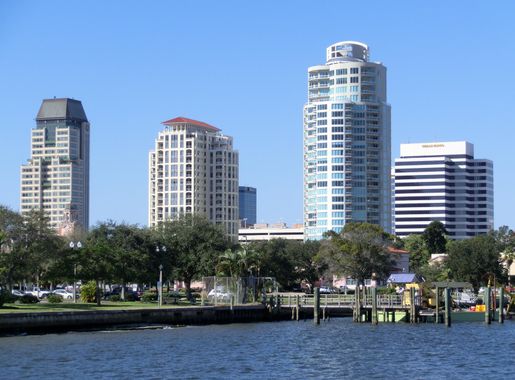


The Sun-Kissed Shores of St. Petersburg Beach
St. Petersburg Beach, often referred to as St. Pete Beach, is a gem on Florida's Gulf Coast. Known for its powdery white sand and clear, warm waters, this beach offers an idyllic escape for sunbathers, swimmers, and water sports enthusiasts alike. The beach stretches for miles, providing plenty of space for visitors to find their perfect spot to relax and soak up the sun. Just off the beach, the historic Don CeSar Hotel stands as a majestic pink palace, offering a glimpse into the area's elegant past. Nearby, you can explore a variety of shops, restaurants, and bars that cater to every taste. From fresh seafood to tropical cocktails, the local cuisine is sure to delight. For those looking to explore beyond the beach, St. Pete Beach is close to numerous attractions. The Salvador Dalí Museum, with its extensive collection of surrealist art, and Fort De Soto Park, known for its stunning natural beauty and rich history, are both just a short drive away. Whether you are seeking relaxation or adventure, St. Petersburg Beach has something for everyone.