

Naples Beach Travel Guide - Free Web & App
Your ultimate guide to Naples Beach. Discover top landmarks, proposed trips, and local tips. Free on the web or via the Evendo companion app.


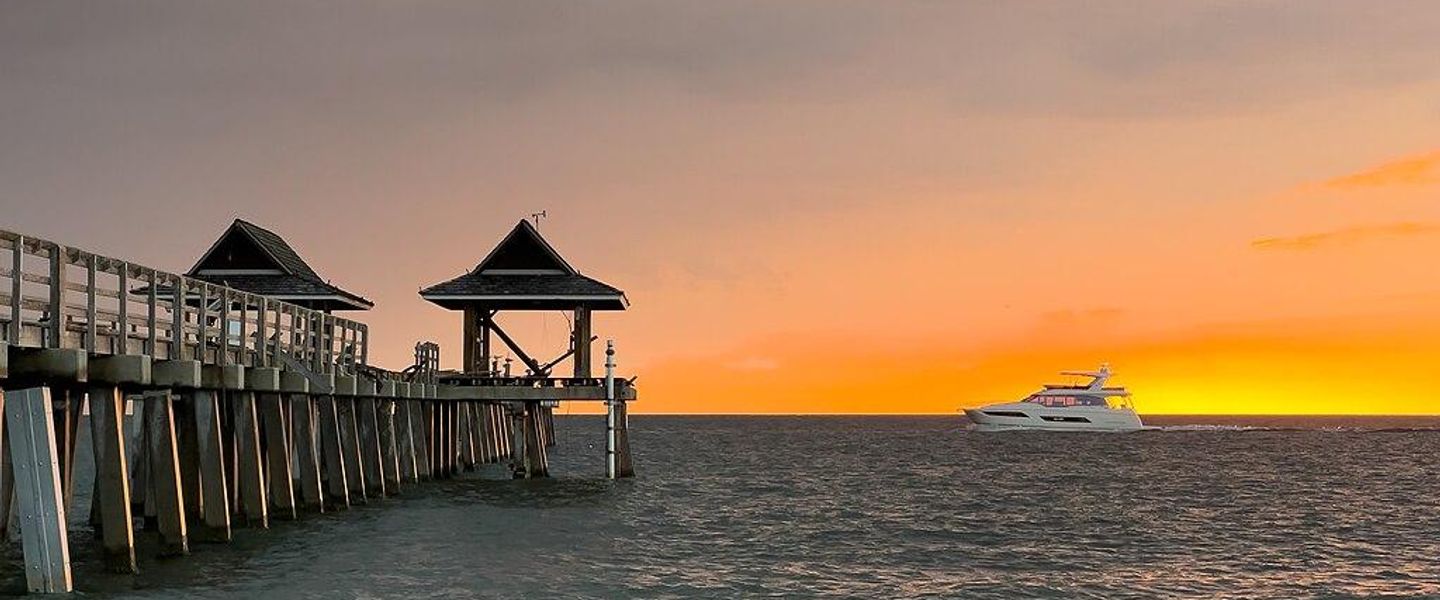


Naples Beach, Florida, pairs Gulf sunsets, the historic Naples Pier, shelling, warm waters and easy access to downtown dining, galleries and nearby shops.
Gulf Coast Setting
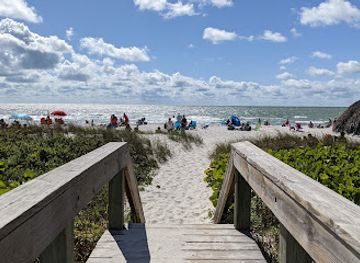
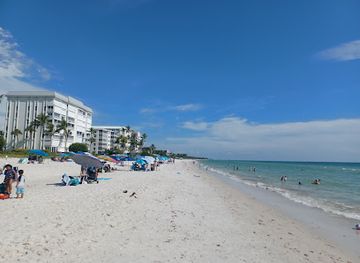
Naples Beach is the broad, sandy shoreline bordering the city of Naples on Florida’s southwest Gulf Coast. Known for warm Gulf waters, shell-strewn sands and long evening sunsets, it is an urban beach rather than an isolated coastal wilderness: residential streets, landscaped parks and the shops and restaurants of Old Naples lie close behind the shore. The beach’s character changes along its length, from the landmark Naples Pier and central public beach to quieter stretches reached through neighbourhood access points and nearby parks.Read more about Naples Beach
The Pier and Public Shoreline
Old Naples Nearby
When is the best time to visit Naples Beach?
Best: February–March, December · 22–25°C| Month | High (°C) | Rainfall (mm) |
|---|---|---|
| January | 21 | 51 |
| February (best) | 22 | 51 |
| March (best) | 25 | 76 |
| April | 28 | 76 |
| May | 31 | 127 |
| June | 33 | 203 |
| July | 34 | 203 |
| August | 34 | 203 |
| September | 33 | 203 |
| October | 30 | 127 |
| November | 26 | 76 |
| December (best) | 23 | 51 |
Getting to and around Naples Beach
How to get there
Transportation
Best attractions in Naples Beach
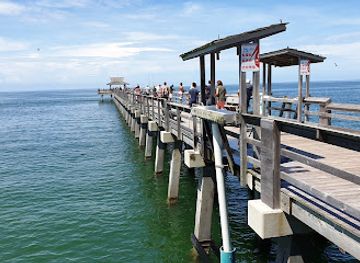
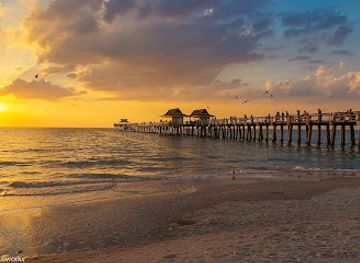
Naples Pier is the signature attraction on Naples Beach, extending into the Gulf for fishing, views and sunset watching when conditions and access allow. The public beach around it is well suited to swimming, walking the shoreline and searching among the sands for empty shells, while Lowdermilk Park provides lawns and family-oriented beachfront facilities nearby. The streets of Old Naples, particularly Fifth Avenue South and Third Street South, add galleries, restaurants, boutiques and historic urban character close to the coast. North of the central beach, Clam Pass Park offers access to a different strand and coastal habitat, while Delnor-Wiggins Pass State Park provides a more natural barrier-island setting; both are separate destinations rather than sections of Naples Beach. Beyond the sand, nearby attractions include the Naples Botanical Garden and the Baker Museum, useful additions for visitors seeking tropical planting, art and cultural experiences away from the waterfront.
-
Fishing pier
Naples Pier
Explore the beauty of Naples Pier, where fishing, stunning sunsets, and coastal serenity await you in the heart of Naples, Florida.
-
Tourist attraction
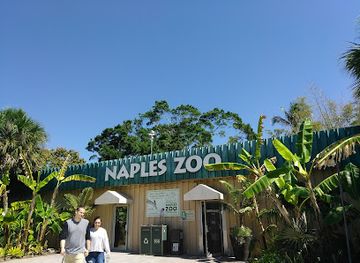
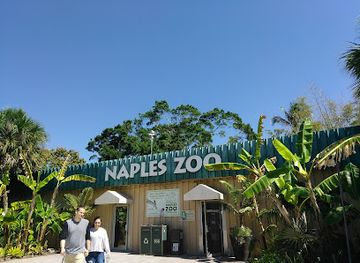
Naples Zoo at Caribbean Gardens
Discover the wonders of wildlife and lush gardens at Naples Zoo, a must-visit attraction for families and nature lovers in Florida.
-
Tourist attraction
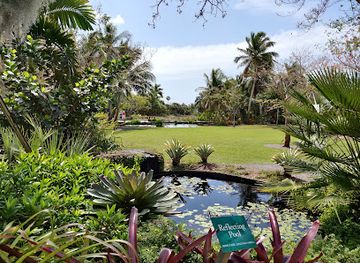
Naples Botanical Garden
Explore the breathtaking Naples Botanical Garden in Florida, a serene sanctuary of diverse plant life and stunning landscapes perfect for nature enthusiasts.
-
Tourist attraction
Lowdermilk Park
Discover Lowdermilk Park, a serene beachside oasis in Naples, Florida, perfect for relaxation and family fun amidst stunning Gulf views.
Best landmarks in Naples Beach
Naples Pier is the defining man-made landmark of Naples Beach, a long public structure projecting into the Gulf and associated with fishing, coastal views and the city’s resort history. Its repeated exposure to hurricanes demonstrates the physical force of the local shoreline, and access may be restricted during repair or restoration. The beach itself is a significant natural landmark: a broad Gulf-facing strand shaped by tides, wave action, storms and ongoing coastal management. Lowdermilk Park is a recognised public waterfront setting, while the planted dunes and sea oats behind parts of the sand represent an important protective coastal landscape rather than simply ornamental landscaping. Nearby Old Naples contributes historic urban landmarks, including the streetscape around Fifth Avenue South and Third Street South, but these lie adjacent to Naples Beach rather than on the shoreline. Farther north, Clam Pass and Delnor-Wiggins Pass are separate coastal landmarks.
-
Fishing pier
Naples Pier
Discover the enchanting Naples Pier, a serene fishing destination and picturesque viewpoint on the Gulf of Mexico, perfect for family outings and sunset views.
-
Zoo
Naples Zoo at Caribbean Gardens
Explore wildlife and lush botanical gardens at Naples Zoo, a premier destination for family fun and conservation in Florida.
-
Park
Lowdermilk Park
Discover the beauty of Lowdermilk Park in Naples, a perfect blend of sun, sand, and serene greenery for a memorable beach day experience.
-
State park
Delnor-Wiggins Pass State Park
Explore the pristine beaches and diverse ecosystems of Delnor-Wiggins Pass State Park, a must-visit destination in Naples, Florida for nature lovers.
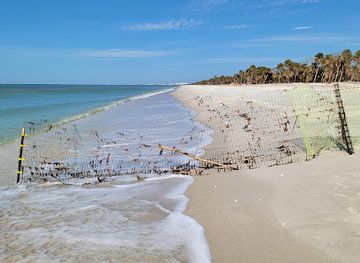
Explore Naples Beach on the map
Plan your trip on one map. See where the top attractions, landmarks, restaurants and hotels are, and book hotels and experiences in a few clicks.
Best hotels in Naples Beach
Best restaurants in Naples Beach
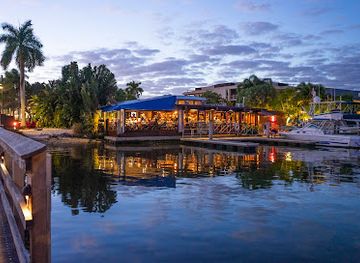
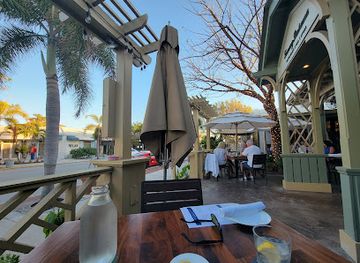
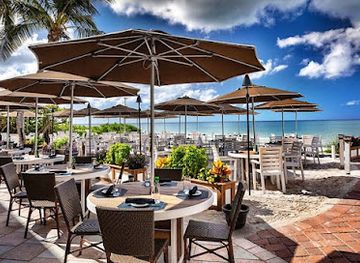
Naples Beach itself has limited dining directly on the sand, so most visitors eat in the adjoining districts of Old Naples, particularly Fifth Avenue South and Third Street South, or along nearby roads leading inland. These areas offer a broad range of restaurants, cafés, bakeries and hotel dining rooms, with menus influenced by Florida’s Gulf Coast setting as well as wider American and international cooking. Seafood is prominent in the region, though menus and sourcing vary, while citrus, tropical fruit and other produce reflect southwest Florida’s agricultural landscape. Casual meals, ice cream and takeaway options suit beach days, whereas the nearby historic streets provide more formal dining. Farm shops and local markets are more characteristic of the wider Naples area than of the beach itself, and visitors should expect food facilities to be concentrated in the built-up districts behind the shoreline.
-
Seafood
The Dock At Crayton Cove
Discover exquisite seafood dining at The Dock At Crayton Cove, where fresh flavors meet stunning waterfront views in beautiful Old Naples.
-
Restaurant
Tommy Bahama Restaurant, Bar & Store
Experience tropical dining at its finest with delicious cuisine and unique shopping at Tommy Bahama Restaurant in Old Naples.
-
Restaurant
The Turtle Club
Experience exquisite seafood dining at The Turtle Club in Naples, where breathtaking views meet exceptional cuisine.
-
Brunch
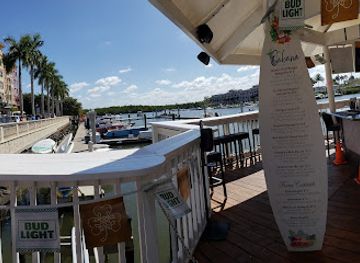
EJ's Bayfront Cafe
Experience delightful brunch at EJ's Bayfront Cafe in Naples – where American flavors meet stunning waterfront views.
Best bars in Naples Beach
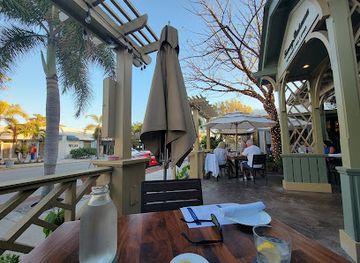
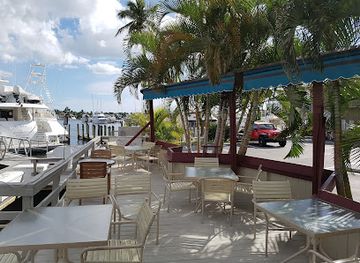
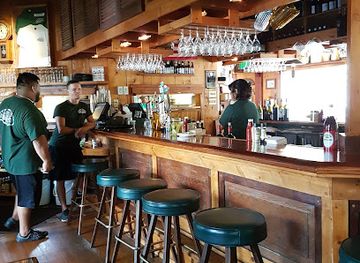
Evenings around Naples Beach are generally relaxed rather than club-oriented. The beach and Naples Pier are popular for sunset watching, but organised events and pier access can change with weather, maintenance and local arrangements. After dark, the most established concentration of bars, wine venues and restaurants is in Old Naples, especially around Fifth Avenue South and Third Street South, where visitors may find live music or seasonal entertainment alongside dining. Hotels near the coast may also provide lounges or evening programmes, although availability varies. Naples is not known for a large nightclub district directly beside the beach; the atmosphere is more suited to drinks with dinner, quiet waterfront walks where permitted and socialising in the nearby commercial centre. Always check current venue arrangements rather than assuming seasonal performances or late-night services are operating.
-
Bar
Tommy Bahama Restaurant, Bar & Store
Experience the vibrant flavors of the tropics at Tommy Bahama Restaurant, Bar & Store, where fresh seafood and lively music create unforgettable moments.
-
Seafood
The Boathouse on Naples Bay
Experience the best seafood dining in Naples with breathtaking views at The Boathouse on Naples Bay.
-
Bar
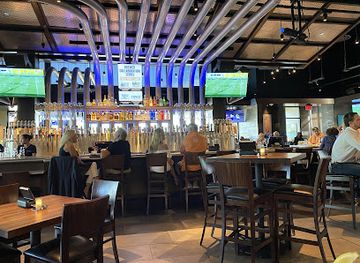
Yard House
Discover Yard House in Naples: A vibrant gastropub offering New American cuisine and an extensive craft beer selection.
-
Pub
Old Naples Pub
Discover the charm of Old Naples Pub, where great food meets a vibrant atmosphere in the heart of Naples, Florida.
Best nightclubs in Naples Beach
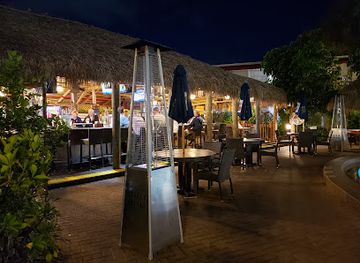
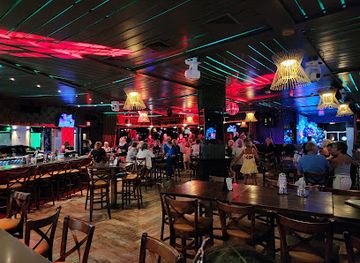
Evenings around Naples Beach are generally relaxed rather than club-oriented. The beach and Naples Pier are popular for sunset watching, but organised events and pier access can change with weather, maintenance and local arrangements. After dark, the most established concentration of bars, wine venues and restaurants is in Old Naples, especially around Fifth Avenue South and Third Street South, where visitors may find live music or seasonal entertainment alongside dining. Hotels near the coast may also provide lounges or evening programmes, although availability varies. Naples is not known for a large nightclub district directly beside the beach; the atmosphere is more suited to drinks with dinner, quiet waterfront walks where permitted and socialising in the nearby commercial centre. Always check current venue arrangements rather than assuming seasonal performances or late-night services are operating.
-
American
Harold's Place Chickee Bar And Grill
Savor delicious American cuisine and enjoy a lively sports atmosphere at Harold's Place in Naples, Florida, the perfect destination for food lovers and sports enthusiasts.
-
Lounge
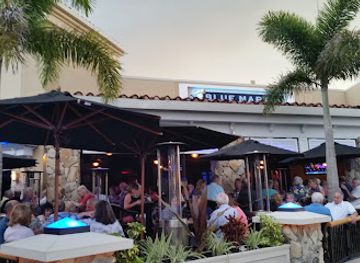
Blue Martini Lounge Naples
Discover the lively nightlife at Blue Martini Lounge Naples, where signature cocktails and vibrant music create an unforgettable experience.
-
Lounge
BURN by Rocky Patel Naples
Discover a luxurious lounge experience at BURN by Rocky Patel in Naples, where fine cigars and crafted cocktails meet sophistication.
-
Restaurant
Cavo Lounge
Experience the vibrant nightlife of Naples at Cavo Lounge, where exquisite dining meets a chic lounge atmosphere and live entertainment.

Best shops in Naples Beach
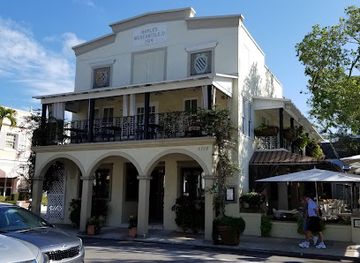
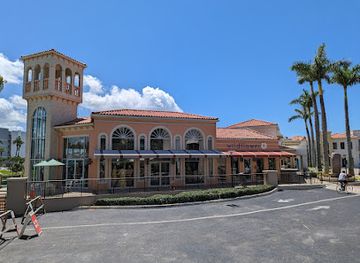
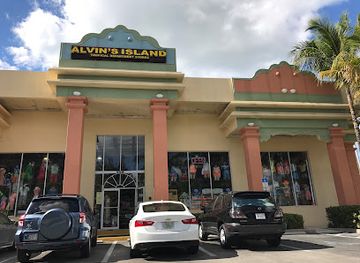
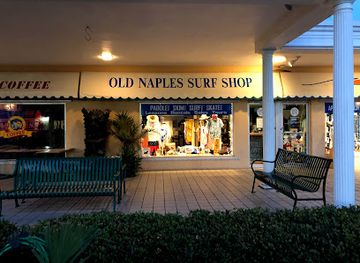
Shopping is concentrated behind Naples Beach rather than on the sand. Fifth Avenue South and Third Street South in Old Naples contain independent boutiques, galleries, jewellery shops, homeware businesses and places selling art associated with the city’s coastal lifestyle. Visitors can also find beachwear, sun protection and practical holiday supplies in the broader commercial area, while regional food products and artisan goods are more likely to appear in markets, speciality food shops or farm outlets elsewhere in the Naples area than in a permanent beachfront market. The shopping character is polished and visitor-oriented, but the beach itself has no extensive retail district. Galleries and small independent businesses near the historic centre provide a stronger sense of place than generic souvenir outlets, and opening arrangements can vary by season and individual business.
-
Shopping mall
Third Street South
Explore Third Street South, a vibrant shopping and dining destination in Old Naples, boasting unique boutiques and rich historical charm.
-
Shopping mall
The Village Shops on Venetian Bay
Explore The Village Shops on Venetian Bay, a luxurious shopping and dining destination in Naples, Florida, with stunning waterfront views and vibrant local culture.
-
Gift shop
Alvin's Island - Naples #754
Discover the best souvenirs, swimwear, and surf gear at Alvin's Island in Old Naples, the ultimate shopping destination for beach lovers.
-
Surf shop
Old Naples Surf Shop
Explore Old Naples Surf Shop for premium surf gear, stylish beachwear, and a family-friendly atmosphere in the heart of Old Naples.
Get your free copy of our complete guide to Naples Beach, delivered straight to you.
Everything on this page, from attractions and restaurants to essentials and local phrases, in one PDF you can read offline, print or share.
Already have an account? Sign in
Your Naples Beach guide is ready.
We'll send it to · Not you? Sign out

Getting your guide ready…
We are putting together a fresh copy of the Naples Beach guide. This can take up to a minute.
This can take a few moments. If your browser asks, choose Allow so the download can start. You'll find the guide in your Downloads folder.
Nothing happened? Download it again
Sorry, the guide is taking longer than usual. Please try again in a minute, or get it by email instead.
Naples Beach essentials
Currency and Payment
Safety
Emergency Situations
Do's and Don'ts
Local Tips
From Eve
Local phrases worth knowing
You don't need to get them perfect. A few words go a long way, and locals appreciate the effort.
Basics
| English | Local | Say it |
|---|---|---|
| Hello | Ciao | [chow] |
| Goodbye | Arrivederci | [ah-ree-veh-dehr-chee] |
| Yes | Si | [see] |
| No | No | [no] |
| Please/You're welcome | Per favore/Prego | [pair fah-voh-reh/preh-goh] |
| Thank you | Grazie | [grah-tsyeh] |
| Excuse me/Sorry | Scusa/Mi dispiace | [skoo-sah/mee dee-spyah-cheh] |
| How are you? | Come stai? | [koh-meh stai] |
| Fine. And you? | Bene. E tu? | [beh-neh eh too] |
| Do you speak English? | Parli inglese? | [pahr-lee een-gleh-zeh] |
| I don't understand | Non capisco | [nohn kah-pee-skoh] |
Eating & Drinking
| English | Local | Say it |
|---|---|---|
| I'd like to see the menu, please | Vorrei vedere il menu, per favore | [vohr-ray veh-deh-reh eel meh-noo, pair fah-voh-reh] |
| I don't eat meat | Non mangio carne | [nohn mahn-joh kahr-neh] |
| Cheers! | Salute! | [sah-loo-teh] |
| I would like to pay, please | Vorrei pagare, per favore | [vohr-ray pah-gah-reh, pair fah-voh-reh] |
Emergencies
| English | Local | Say it |
|---|---|---|
| Help! | Aiuto! | [ah-yoo-toh] |
| Go away! | Vattene! | [vah-teh-neh] |
| Call the Police! | Chiamate la Polizia! | [kyah-mah-teh lah poh-lee-tsya] |
| Call a doctor! | Chiamate un dottore! | [kyah-mah-teh oon doh-toh-reh] |
| I'm lost | Mi sono perso | [mee soh-noh pehr-soh] |
| I'm ill | Sto male | [stoh mah-leh] |
Shopping
| English | Local | Say it |
|---|---|---|
| I'd like to buy... | Vorrei comprare... | [vohr-ray kohm-prah-reh] |
| I'm just looking | Sto solo guardando | [stoh soh-loh gwahr-dahn-doh] |
| How much is it? | Quanto costa? | [kwan-toh koh-stah] |
| That's too expensive | È troppo caro | [eh troh-poh kah-roh] |
| Can you lower the price? | Puoi abbassare il prezzo? | [pwoy ab-bah-sah-reh eel preh-tsoh] |
Time & Numbers
| English | Local | Say it |
|---|---|---|
| What time is it? | Che ora è? | [keh oh-rah eh] |
| It's one o'clock | È l'una | [eh loo-nah] |
| Half past (10) | Sono le dieci e mezza | [soh-noh leh dyeh-chee eh meh-tsah] |
| Morning | Mattina | [mah-tee-nah] |
| Afternoon | Pomeriggio | [poh-meh-ree-joh] |
| Evening | Sera | [seh-rah] |
| Yesterday | Ieri | [yeh-ree] |
| Today | Oggi | [oh-jee] |
| Tomorrow | Domani | [doh-mah-nee] |
| 1 | Uno | [oo-noh] |
| 2 | Due | [doo-eh] |
| 3 | Tre | [treh] |
| 4 | Quattro | [kwah-troh] |
| 5 | Cinque | [cheen-kweh] |
| 6 | Sei | [say] |
| 7 | Sette | [seh-teh] |
| 8 | Otto | [oh-toh] |
| 9 | Nove | [noh-veh] |
| 10 | Dieci | [dyeh-chee] |
Transport & Directions
| English | Local | Say it |
|---|---|---|
| Where's a/the...? | Dov'è un/il...? | [doh-veh oon/eel] |
| What's the address? | Qual è l'indirizzo? | [kwal eh leen-dee-reet-soh] |
| Can you show me (on the map)? | Puoi mostrarmi (sulla mappa)? | [pwoy moh-stahr-mee soo-lah mahp-pah] |
| When's the next (bus)? | Quando passa il prossimo (autobus)? | [kwan-doh pahs-sah eel prohs-see-moh ow-toh-boos] |
| A ticket (to ....) | Un biglietto (per ....) | [oon beel-yeht-toh pair] |
History of Naples Beach
The Calusa Coast
Before modern Naples developed, the southwest Florida coast was home to the Calusa, an Indigenous society whose economy was closely connected with estuaries, mangrove waterways and the Gulf of Mexico. The wider Naples area contains archaeological evidence of earlier Indigenous occupation, although the present beach landscape is largely shaped by later coastal development, storms and shoreline management. Shell, fish and water routes were central to life in the region, establishing a long human relationship with the coastal environment.
The Founding of Naples
Modern Naples was promoted as a planned resort community in the late nineteenth century by land developers including John C. Williams and Walter Haldeman. The settlement was incorporated in 1886, when its name and climate were used to evoke the Italian city of Naples. The Gulf shoreline was central to the town’s identity from the beginning, providing a setting for recreation and attracting visitors to a community that remained relatively small and seasonally oriented for many years.
A Pier on the Gulf
Naples Pier was built in 1888 and soon became both a practical landing point and a social meeting place. Over time it developed into one of the city’s best-known public landmarks, associated with fishing, promenading and sunset views. The structure has been damaged and rebuilt or repaired after major storms, illustrating the continuing tension between a popular public waterfront and the powerful weather systems of the Gulf Coast. Its condition and access can change after hurricanes or significant maintenance.
Tourism and Coastal Management
Improved roads, post-war mobility and the expansion of southwest Florida’s visitor economy transformed Naples from a small resort settlement into a year-round city with a strong seasonal population. Beach parks, access points and nearby commercial streets developed alongside hotels, condominiums and private residences. Hurricane damage, beach erosion and the protection of coastal habitats have made shoreline management an ongoing part of local life. Today, Naples Beach combines a heavily used public waterfront with continuing efforts to maintain access, safety and environmental quality.
Naples Beach in Photos
Browse through our photo collection highlighting the charm and character of the destination.
Cities in Naples Beach
The towns and cities of Naples Beach, and the easiest places to base yourself.
-

-


Swipe for more cities
Neighbouring destination travel guides
The closest destinations to Naples Beach, if you have time for more than one.
-

-
-

-

-


Swipe for more destinations
Explore more

Explore more of Southwest Florida
Southwest Florida combines Gulf beaches, mangrove islands, historic river towns, wildlife-rich waterways and gateways to the Everglades.
Explore Southwest Florida
Explore more of Florida
Discover Florida: A Sunshine State full of dazzling beaches, iconic theme parks, rich history, and stunning natural parks, offering endless adventures for every traveler.
Explore Florida