

Free Southwest Florida Travel Guide & Mobile App
Explore Southwest Florida with free travel guides. Discover regional history, expert tips, proposed trips, and audio guides on web or mobile app.


Southwest Florida combines Gulf beaches, mangrove islands, historic river towns, wildlife-rich waterways and gateways to the Everglades.
Read more about Southwest Florida
When is the best time to visit Southwest Florida?
Best: February–March, December · 24–27°C| Month | High (°C) | Rainfall (mm) |
|---|---|---|
| January | 22 | 53 |
| February (best) | 24 | 53 |
| March (best) | 27 | 53 |
| April | 29 | 53 |
| May | 32 | 84 |
| June | 33 | 185 |
| July | 34 | 185 |
| August | 34 | 185 |
| September | 33 | 185 |
| October | 31 | 104 |
| November | 27 | 74 |
| December (best) | 24 | 53 |
Getting to and around Southwest Florida
How to get there
Transportation
Top city travel guides in Southwest Florida
The cities of Southwest Florida, and the easiest places to base yourself.
-

-

-

-

-


Swipe for more cities
Destinations in Southwest Florida
Resorts, valleys and scenic spots worth a trip of their own.
-

-

-

-
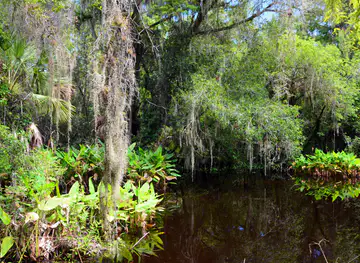
-

-


Swipe for more destinations
Best attractions in Southwest Florida
Southwest Florida's attractions are defined by the relationship between land and water. Barrier islands such as Sanibel, Captiva, Fort Myers Beach and Marco Island offer beaches, shelling, cycling and access to tidal habitats, while Charlotte Harbor, Pine Island Sound and the Caloosahatchee provide opportunities for fishing, kayaking, sailing and wildlife cruises. J.N. "Ding" Darling National Wildlife Refuge on Sanibel is known for mangrove wetlands and migratory birds, and the Six Mile Cypress Slough Preserve near Fort Myers protects a boardwalk through an ancient wetland environment. The Edison and Ford Winter Estates combine gardens, historic houses and technological history. In Naples, the Baker Museum and Naples Botanical Garden broaden the cultural and horticultural offering. Inland, Corkscrew Swamp Sanctuary provides a boardwalk through cypress habitat, while the Big Cypress and Everglades margins lead to airboat, kayak and naturalist excursions. Historic Punta Gorda, Calusa-related archaeological sites and the working waterways around Everglades City add a sense of place beyond the resort coast. Conditions, access and facilities can change after hurricanes, so verify current arrangements for nature reserves and island attractions.
-
Theme park
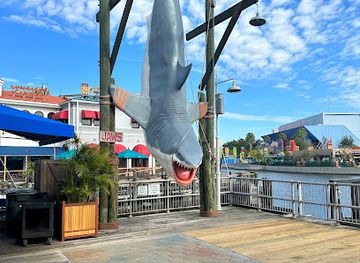
Universal Studios Florida
Discover the enchantment of Universal Studios Florida, where your favorite films come alive in thrilling attractions and magical experiences.
-
Theme park
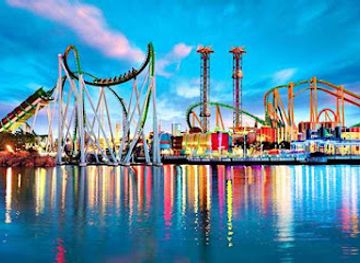
Universal Islands of Adventure
Dive into adventure at Universal Islands of Adventure, where thrilling rides and iconic characters await in a spectacular themed setting.
-
Theme park
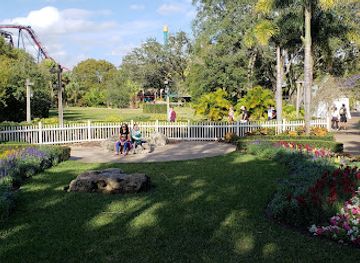
Busch Gardens Tampa Bay
Discover the adventure at Busch Gardens Tampa Bay, a theme park offering thrilling rides, exotic animals, and vibrant cultural experiences in Florida.
-
Water park
Universal Volcano Bay
Experience the ultimate water adventure at Universal Volcano Bay, where thrilling rides and tropical relaxation await in Orlando's premier water park.

Best landmarks in Southwest Florida
The Caloosahatchee River is the region's principal geographical landmark, defining Fort Myers and linking inland waters with the Gulf. Fort Myers's Edison and Ford Winter Estates preserve an important riverside association with American invention and industrial history, while the city's historic McGregor Boulevard reflects the landscaped winter-resort era. The Peace River and Charlotte Harbor frame Punta Gorda, whose historic centre and waterfront mark the meeting of rail, maritime trade and modern tourism. Sanibel Causeway and the chain of barrier islands are recognisable engineering and geographical features, leading towards beaches and mangrove habitats rather than a single monumental structure. In Naples, the Naples Pier is a familiar Gulf landmark, although access and condition may vary after storms. The cypress forests of Corkscrew Swamp Sanctuary and the mangrove maze of the Ten Thousand Islands are natural landmarks of equal significance to the built heritage. Shell mounds and archaeological landscapes connected with the Calusa provide a deeper, less immediately visible record of human settlement; visitors should view protected sites without climbing, collecting or disturbing them.
-
History museum
Edison & Ford Winter Estates
Explore the rich history of innovation at the Edison & Ford Winter Estates, a unique blend of history museum, botanical garden, and cultural landmark in Fort Myers.
-
Gift shop
The Shell Factory and Nature Park
Explore the unique blend of shopping, rides, and nature at The Shell Factory and Nature Park in North Fort Myers, an unforgettable experience for all ages.
-
Tourist attraction
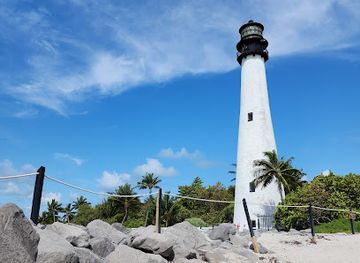
Cape Florida Lighthouse
Experience the beauty and history of Cape Florida Lighthouse, a historic landmark offering breathtaking ocean views in Key Biscayne, Florida.
-
Museum
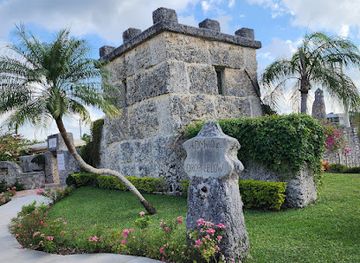
Coral Castle
Explore Coral Castle in Homestead, Florida, a historical landmark showcasing the incredible craftsmanship of Edward Leedskalnin and his monumental coral sculptures.

Explore Southwest Florida on the map
Plan your trip on one map. See where the top cities, national parks and sights are, and book hotels and experiences in a few clicks.
Best hotels in Southwest Florida
Best restaurants in Southwest Florida
Dining in Southwest Florida follows the coast, with seafood restaurants, waterfront cafés, casual fish houses, hotel dining rooms and independent kitchens concentrated in Naples, Fort Myers, Cape Coral, Punta Gorda and the beach communities. Stone crab is a celebrated seasonal speciality when legally harvested, while Gulf shrimp, grouper, snapper and oysters appear frequently on menus; availability depends on local supply and regulation. Citrus from inland groves, tropical fruit and Florida vegetables contribute to the regional pantry, and key lime pie is a familiar dessert across the state rather than an exclusively local invention. Cuban, Caribbean, Latin American and Southern influences are particularly visible in urban areas, alongside contemporary American cooking and Italian traditions. Farmers' markets and farm shops provide opportunities to buy citrus, honey, baked goods and prepared foods, while Everglades City is associated with a long-standing commercial fishing culture. Tipping is customary in table-service establishments, and displayed prices generally do not include sales tax.
-
Grill
The Boathouse Tiki Bar & Grill - Fort Myers
Experience the best of Florida's coastal cuisine at The Boathouse Tiki Bar & Grill in Fort Myers – where great food meets stunning waterfront views.
-
Seafood
The Island Cow
Experience fresh seafood delights at The Island Cow in Sanibel - where local flavors meet vibrant island charm.
-
Fondue
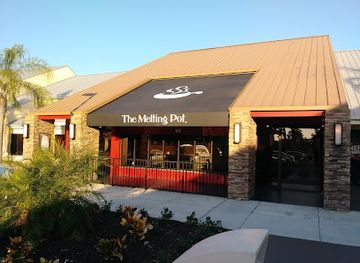
The Melting Pot
Experience the art of fondue dining at The Melting Pot in Fort Myers—an unforgettable culinary journey awaits!
-
Pizza
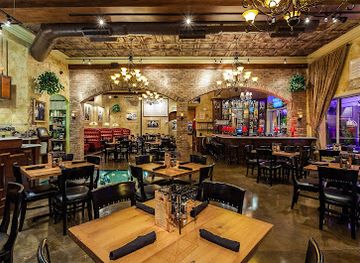
Capone's Coal Fired Pizza
Discover the authentic taste of Italy at Capone's Coal Fired Pizza in Fort Myers – where tradition meets flavor in every slice.

Best bars in Southwest Florida
Evening life is concentrated in the larger coastal towns rather than spread evenly across the region. Naples offers cocktail bars, wine bars, hotel lounges, restaurants and live music around its central commercial streets, while Fort Myers and Cape Coral have a broader mix of breweries, neighbourhood pubs, music venues and late-evening restaurants. Punta Gorda has a more compact waterfront and historic-centre scene, with dining and drinks often taking precedence over large clubs. Beach communities may add seasonal sunset venues and casual bars, although storm damage, licensing and redevelopment can change individual businesses. In rural districts and around Everglades City, evenings are generally quiet and centred on local restaurants, small bars and accommodation rather than organised nightlife. Breweries and craft-beverage rooms provide alternatives to traditional pubs, but visitors should plan transport carefully because distances are significant and public transport is limited outside urban areas.
-
Seafood
Doc Ford's Rum Bar & Grille - Ft. Myers Beach
Savor the vibrant Caribbean flavors and fresh seafood at Doc Ford's Rum Bar & Grille, the ultimate dining experience on Fort Myers Beach.
-
Grill
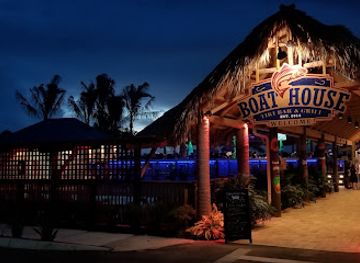
The Boathouse Tiki Bar & Grill - Fort Myers
Discover the tropical charm of The Boathouse Tiki Bar & Grill, a perfect blend of vibrant atmosphere, delicious grilled cuisine, and refreshing cocktails in Fort Myers.
-
Bar
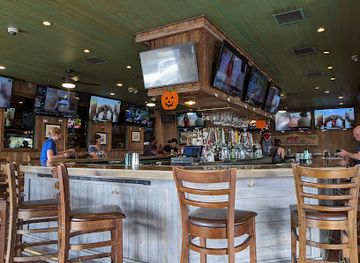
Miller's Ale House
Discover Miller's Ale House in Fort Myers, where delicious American cuisine meets a vibrant atmosphere for sports and socializing.
-
Seafood
Doc Ford's Rum Bar & Grille
Experience the vibrant flavors of the Caribbean at Doc Ford's Rum Bar & Grille on Sanibel Island, where seafood meets island-inspired cocktails in a lively setting.


Best nightclubs in Southwest Florida
Evening life is concentrated in the larger coastal towns rather than spread evenly across the region. Naples offers cocktail bars, wine bars, hotel lounges, restaurants and live music around its central commercial streets, while Fort Myers and Cape Coral have a broader mix of breweries, neighbourhood pubs, music venues and late-evening restaurants. Punta Gorda has a more compact waterfront and historic-centre scene, with dining and drinks often taking precedence over large clubs. Beach communities may add seasonal sunset venues and casual bars, although storm damage, licensing and redevelopment can change individual businesses. In rural districts and around Everglades City, evenings are generally quiet and centred on local restaurants, small bars and accommodation rather than organised nightlife. Breweries and craft-beverage rooms provide alternatives to traditional pubs, but visitors should plan transport carefully because distances are significant and public transport is limited outside urban areas.
-
Night club
Club Euro Night Club
Discover the electrifying nightlife of Fort Lauderdale at Club Euro Night Club, where the music is vibrant and the atmosphere is unforgettable.
-
Night club
Dixie Roadhouse
Experience the electrifying nightlife at Dixie Roadhouse, Cape Coral's premier night club featuring dance, drinks, and live events.
-
Night club
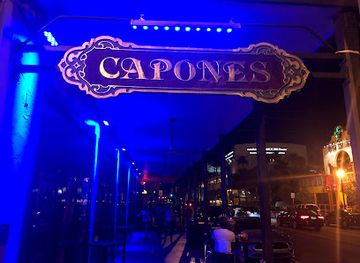
Capone's Nightclub
Experience the vibrant nightlife of Fort Lauderdale at Capone's Nightclub, where lively music, dancing, and fun await every night of the week.
-
Night club
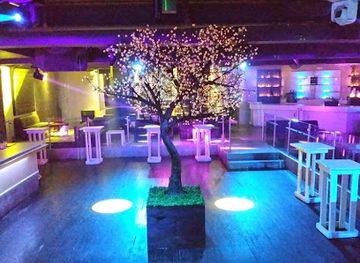
Celsius Night Club
Experience the vibrant nightlife at Celsius Night Club in Fort Myers, where music, dance, and cocktails come together for an unforgettable evening.

Best shops in Southwest Florida
Shopping varies from resort-oriented districts to practical market towns and producers' outlets. Naples has the region's most concentrated selection of galleries, boutiques, jewellery shops, design stores and established retail streets, while Fort Myers combines larger commercial centres with independent businesses in historic districts and along the river. Punta Gorda's compact centre is suited to antiques, art, gifts and locally owned shops, and island communities offer beachwear, books, shell-related crafts and small galleries. Farmers' markets, held seasonally in several communities, are useful for citrus, tropical fruit, honey, baked goods, sauces and prepared foods, though schedules should be checked before travelling. Regional souvenirs are more convincing when they reflect Florida's ecology or food culture: wildlife artwork, locally made ceramics, woven goods, citrus products and books about the Everglades and Gulf coast. Collecting live shells, archaeological objects or wildlife material is inappropriate and may be illegal, particularly in protected areas.
-
Shopping mall
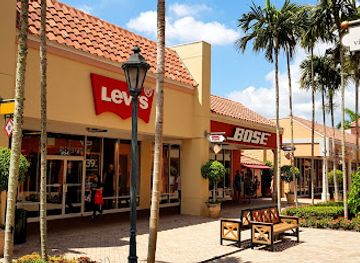
Miromar Outlets
Discover unbeatable deals and a vibrant shopping experience at Miromar Outlets in sunny Estero, Florida.
-
Shopping mall
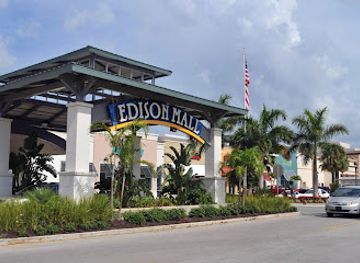
Edison Mall
Explore Edison Mall in Fort Myers: your ultimate destination for shopping, dining, and entertainment in Florida.
-
Shopping mall
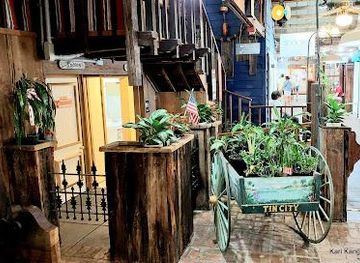
Tin City Waterfront Shops
Explore the unique boutiques and dining experiences at Tin City Waterfront Shops, a charming shopping destination in Old Naples, Florida.
-
Shopping mall
Coastland Center
Discover the ultimate shopping experience at Coastland Center in Naples, Florida, where retail therapy meets delicious dining and family fun.
Get your free copy of our complete guide to Southwest Florida, delivered straight to you.
Everything on this page, from attractions and restaurants to essentials and local phrases, in one PDF you can read offline, print or share.
Already have an account? Sign in
Your Southwest Florida guide is ready.
We'll send it to · Not you? Sign out

Getting your guide ready…
We are putting together a fresh copy of the Southwest Florida guide. This can take up to a minute.
This can take a few moments. If your browser asks, choose Allow so the download can start. You'll find the guide in your Downloads folder.
Nothing happened? Download it again
Sorry, the guide is taking longer than usual. Please try again in a minute, or get it by email instead.
Southwest Florida essentials
Currency and Payment
Safety
Emergency Situations
Do's and Don'ts
Local Tips
From Eve
Local phrases worth knowing
You don't need to get them perfect. A few words go a long way, and locals appreciate the effort.
Basics
| English | Local | Say it |
|---|---|---|
| Hello | Hey there | [Hay thair] |
| Goodbye | See ya later | [See ya lay-tur] |
| Yes | Yep | [Yep] |
| No | Nah | [Nah] |
| Please/You're welcome | Sure thing | [Shur thing] |
| Thank you | Thanks a bunch | [Thangs a bunch] |
| Excuse me/Sorry | My bad | [My bad] |
| How are you? | How ya doin'? | [How ya doin'?] |
| Fine. And you? | I'm good. You? | [I'm gud. You?] |
| Do you speak English? | You speakin' English? | [You speekin' English?] |
| I don't understand | I don’t get it | [I don’t get it] |
Eating & Drinking
| English | Local | Say it |
|---|---|---|
| I'd like to see the menu, please | Can I see the menu? | [Can I see the menu?] |
| I don't eat meat | I’m a vegetarian | [I’m a vege-tarian] |
| Cheers! | Cheers! | [Cheers!] |
| I would like to pay, please | Can I get the check? | [Can I get the check?] |
Emergencies
| English | Local | Say it |
|---|---|---|
| Help! | Help! | [Help!] |
| Go away! | Get lost! | [Get lost!] |
| Call the Police! | Call the cops! | [Call the cops!] |
| Call a doctor! | Get a doctor! | [Get a doctor!] |
| I'm lost | I’m lost | [I’m lost] |
| I'm ill | I’m not feelin' good | [I’m not feelin' good] |
Shopping
| English | Local | Say it |
|---|---|---|
| I'd like to buy... | I wanna buy... | [I wanna buy...] |
| I'm just looking | Just browsing | [Just browsing] |
| How much is it? | What’s the price? | [What’s the price?] |
| That's too expensive | That’s kinda pricey | [That’s kinda pricey] |
| Can you lower the price? | Can you cut me a deal? | [Can you cut me a deal?] |
Time & Numbers
| English | Local | Say it |
|---|---|---|
| What time is it? | What time ya got? | [What time ya got?] |
| It's one o'clock | It’s one o’clock | [It’s one o’clock] |
| Half past (10) | Half past ten | [Half past ten] |
| Morning | Mornin' | [Mornin'] |
| Afternoon | Afternoon | [Afternoon] |
| Evening | Evenin' | [Evenin'] |
| Yesterday | Yesterday | [Yesterday] |
| Today | Today | [Today] |
| Tomorrow | Tomorrow | [Tomorrow] |
| 1 | One | [One] |
| 2 | Two | [Two] |
| 3 | Three | [Three] |
| 4 | Four | [Four] |
| 5 | Five | [Five] |
| 6 | Six | [Six] |
| 7 | Seven | [Seven] |
| 8 | Eight | [Eight] |
| 9 | Nine | [Nine] |
| 10 | Ten | [Ten] |
Transport & Directions
| English | Local | Say it |
|---|---|---|
| Where's a/the...? | Where’s the...? | [Where’s the...?] |
| What's the address? | What’s the address? | [What’s the address?] |
| Can you show me (on the map)? | Can you point it out? | [Can you point it out?] |
| When's the next (bus)? | When’s the next bus? | [When’s the next bus?] |
| A ticket (to ....) | A ticket to ... | [A ticket to ...] |
History of Southwest Florida
Calusa and Other Indigenous Coastal Societies
Southwest Florida was shaped for centuries by Indigenous peoples, most notably the Calusa, whose densely settled coastal society relied on fishing, shellfish, hunting and carefully managed waterways rather than large-scale agriculture. Their territory included the lower Caloosahatchee, Charlotte Harbor and the Ten Thousand Islands. Shell middens, canals and ceremonial or settlement mounds remain important archaeological evidence, including sites on Pine Island and near Estero. European disease, warfare, enslavement and colonial expansion severely damaged Indigenous communities. The Seminole people also maintained an important presence in southern Florida, and their history remains part of the region's wider cultural landscape.
Spanish Exploration and Colonial Rivalry
Spanish expeditions reached the southwest coast during the sixteenth century, entering a landscape of difficult navigation, powerful Indigenous societies and shallow estuaries. Florida changed hands between Spain, Britain and the United States before becoming an American territory in 1821. European activity brought missions, trading ambitions and military conflict, but permanent settlement along this coast remained limited for long periods because of wetlands, insects, storms and the challenge of moving through mangrove waterways. The region's scattered islands and river mouths consequently retained a strong maritime character well into the modern era.
Seminole Resistance and Settlement Expansion
The Seminole Wars of the nineteenth century formed part of the violent expansion of the United States into Florida. Seminole communities resisted removal and military occupation, using the state's wetlands and forests to their advantage. Although the principal campaigns ranged across a much larger area, southwest Florida's interior and southern wetlands were connected to these struggles and to the eventual relocation of many Seminoles westward. After Florida statehood in 1845, settlers, soldiers, traders and cattlemen expanded through the region, while waterways remained the most practical routes for transport and communication.
Citrus, Cattle and River Communities
Nineteenth- and early twentieth-century development followed the Caloosahatchee River, Charlotte Harbor and the coast. Fort Myers grew as a river settlement and commercial centre; Punta Gorda developed around harbour trade and rail connections; and citrus groves, fishing, timber and cattle became important economic activities. Henry Flagler's and Henry Plant's railway ambitions elsewhere in Florida helped establish a wider transport framework, while local rail and steamboat links connected farms and port communities. The area remained comparatively small and dispersed until improved roads, drainage and refrigeration made larger-scale agriculture and tourism more practical.
Edison, Ford and Fort Myers
Fort Myers gained national attention when Thomas Edison established a winter residence and laboratory on the Caloosahatchee River in the 1880s. His friend Henry Ford later acquired the neighbouring property, and the estates became associated with experimentation, seasonal residence and the region's emerging reputation as a winter destination. The Edison and Ford estates preserve buildings, gardens and artefacts connected with this period, while the wider city retains historic districts reflecting the growth of a river port into a regional centre. Their presence also linked southwest Florida to the industrial and technological history of the United States.
Twentieth-Century Roads, Canals and Tourism
Automobile access transformed Southwest Florida after the Second World War. Highways, bridges and canal construction opened barrier islands and former agricultural or wetland areas to extensive residential development. Cape Coral, begun in the late 1950s, became one of the largest planned canal communities in the United States. Fort Myers Beach, Naples, Marco Island and other coastal settlements expanded as seasonal tourism, retirement migration and real-estate development accelerated. This growth brought jobs and infrastructure but also intensified debates about habitat loss, water management, hurricanes, traffic and the protection of beaches, estuaries and wetlands.
Conservation of Estuaries and the Everglades
The ecological importance of Southwest Florida's mangroves, bays and wetlands became increasingly central to public policy during the late twentieth century. Everglades National Park, established in 1947, protects a vast wetland system extending south of the region, while Big Cypress National Preserve and the Ten Thousand Islands area safeguard adjacent habitats. Local and national conservation efforts have focused on water quality, seagrass, oyster beds, manatees, shorebirds and the flow of freshwater to the coast. Conservation now forms a defining part of the region's visitor experience as well as a continuing response to development and climate pressures.
Neighbouring regions of Southwest Florida
The closest regions to Southwest Florida, if you have time for more than one.
-

-
-

-

-


Swipe for more regions
Explore more

Explore more of Florida
Discover Florida: A Sunshine State full of dazzling beaches, iconic theme parks, rich history, and stunning natural parks, offering endless adventures for every traveler.
Explore Florida