

Marco Island Travel Guide - Free Web & App
Your ultimate guide to Marco Island. Discover top landmarks, proposed trips, and local tips. Free on the web or via the Evendo companion app.


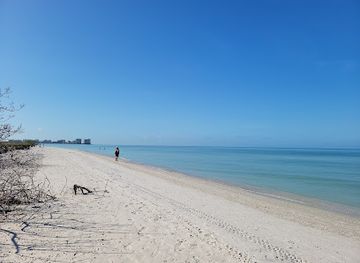
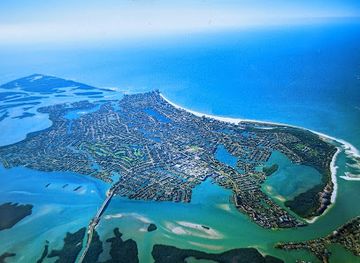
Discover Marco Island, Florida's tropical paradise with white-sand beaches, crystal-clear waters, and a blend of natural beauty and luxury amenities.
Read more about Marco Island
When is the best time to visit Marco Island?
Best: December–February · 23–25°C| Month | High (°C) | Rainfall (mm) |
|---|---|---|
| January (best) | 23 | 56 |
| February (best) | 25 | 55 |
| March | 27 | 57 |
| April | 29 | 51 |
| May | 31 | 118 |
| June | 32 | 210 |
| July | 33 | 197 |
| August | 33 | 213 |
| September | 32 | 231 |
| October | 30 | 113 |
| November | 27 | 80 |
| December (best) | 24 | 58 |
Getting to and around Marco Island
How to get there
Transportation
Best attractions in Marco Island
Marco Island offers a blend of natural beauty, history, and recreational activities for visitors to enjoy. From pristine beaches with crystal-clear waters and white sand to the ancient Calusa Indian shell mounds and the historic Marco Island Historical Museum, there is something for everyone. Outdoor enthusiasts can explore the lush mangrove forests on a kayak or go fishing in the Gulf of Mexico, while those looking for relaxation can indulge in luxury resorts and spa treatments. With an abundance of restaurants serving fresh seafood and charming shops to explore, Marco Island promises a memorable and diverse vacation experience.
-
Beach
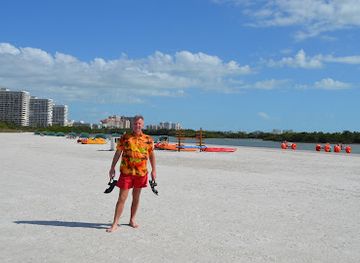
Tigertail Beach
Discover the serene beauty of Tigertail Beach, where soft sands meet crystal-clear waters, offering the perfect escape for relaxation and adventure.
-
Public beach
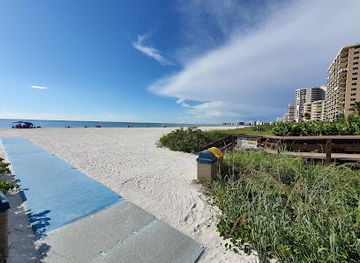
Marco Island South Public Beach Access
Discover the serene beauty and vibrant atmosphere of Marco Island South Public Beach Access, your ultimate beach getaway.
-
Boat tour agency
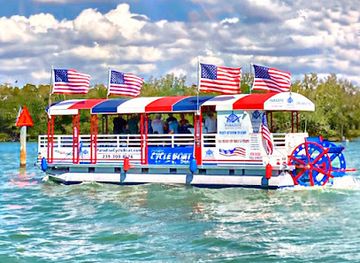
Paradise Cycle Boat Cruises
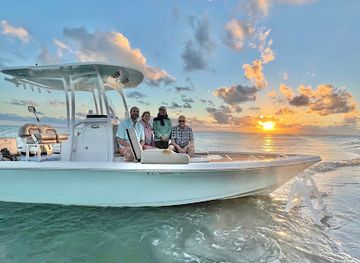
Explore Marco Island's stunning waters with Paradise Cycle Boat Cruises - a unique blend of cycling and cruising for an unforgettable adventure.
-
Tour agency
Eco Endeavors & Breakwater Adventures
Discover the best of Marco Island with Eco Endeavors & Breakwater Adventures, your gateway to thrilling eco-tours and unforgettable sailing experiences.
Best landmarks in Marco Island
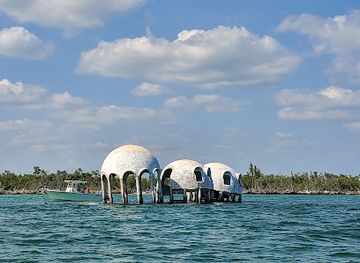
Marco Island in Florida offers visitors a blend of natural beauty and historical significance. From the stunning white sandy beaches and crystal-clear waters perfect for water activities like snorkeling and dolphin watching, to the unique landmarks like the iconic Cape Romano Dome House and the historic Marco Island Historical Museum, there is something for everyone. Visitors can also explore the lush mangrove forests of the Ten Thousand Islands or take a boat tour to spot wildlife like manatees and alligators. With a mix of relaxation and adventure, Marco Island is a must-visit destination for any traveler looking for a memorable experience.
-
Beach
Tigertail Beach
Experience the tranquility of Tigertail Beach on Marco Island, where soft sands meet stunning wildlife in a serene coastal paradise.
-
History museum
Marco Island Historical Museum
Explore the captivating history and cultural heritage of Marco Island at the Marco Island Historical Museum, a must-visit for all travelers.
-
Tour operator
Treasure Seekers Shell Tours
Explore the stunning shores of Marco Island with Treasure Seekers Shell Tours, your gateway to unique shelling adventures and marine experiences.
-
 Resort hotel
Eagle's Nest Beach Resort
Discover the serene beauty of Eagle's Nest Beach Resort, a luxurious tropical retreat on Marco Island, Florida, offering stunning views and abundant amenities.
Explore Marco Island on the map
Plan your trip on one map. See where the top attractions, landmarks, restaurants and hotels are, and book hotels and experiences in a few clicks.
Best hotels in Marco Island
Best restaurants in Marco Island
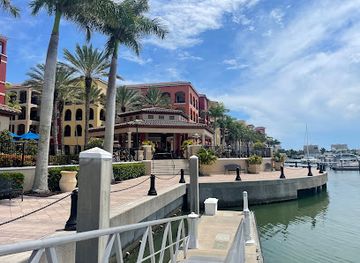
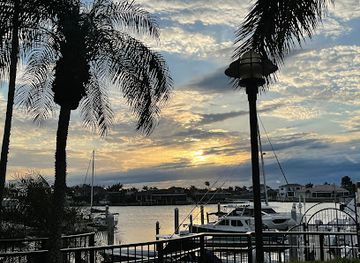
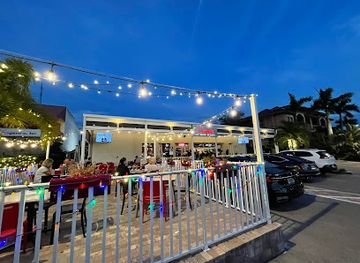
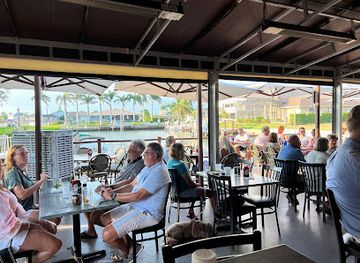
Marco Island offers a diverse dining scene that caters to all tastes and preferences. From fresh seafood restaurants overlooking the Gulf of Mexico to cozy Italian trattorias serving up homemade pasta, visitors can indulge in a variety of culinary experiences. Whether you're looking for a casual beachfront meal or a fine dining experience with a sunset view, Marco Island has it all. Don't miss the opportunity to savor delicious dishes made with local ingredients and enjoy the warm hospitality that the island's restaurants are known for.
-
Restaurant
Snook Inn
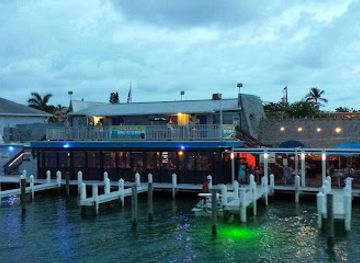
Experience fresh seafood and stunning waterfront views at Snook Inn on Marco Island – where every meal feels like a vacation.
-
American
CJ's on the Bay
Experience American cuisine with stunning waterfront views at CJ's on the Bay in Marco Island - perfect for families and food lovers alike.
-
American
Mango's Dockside Bistro
Experience delightful American cuisine and fresh seafood at Mango's Dockside Bistro in beautiful Marco Island, Florida.
-
Pizza
Sami's
Savor delicious pizzas and Mediterranean delights at Sami's in Marco Island - perfect for families and food lovers!
Best bars in Marco Island
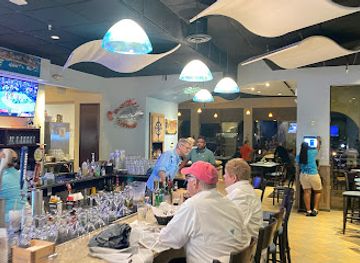
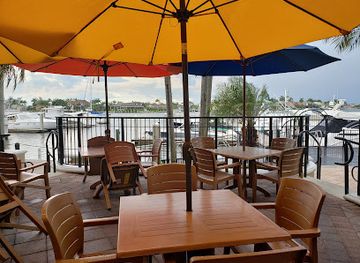
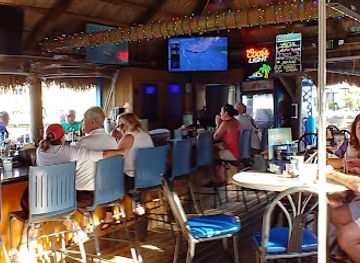
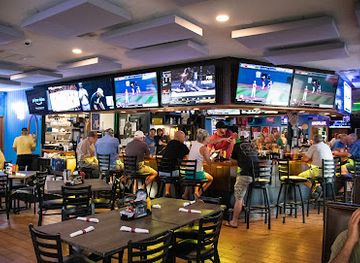
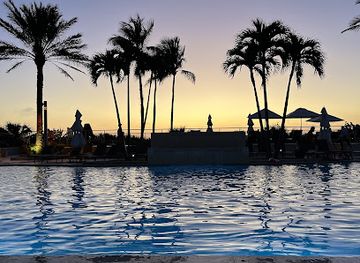
Marco Island offers a vibrant nightlife scene for visitors to enjoy, with a variety of bars and clubs catering to different tastes. From beachfront tiki bars where you can sip on tropical cocktails while watching the sunset, to lively nightclubs with live music and dancing, there is something for everyone. Enjoy fresh seafood and local cuisine at waterfront restaurants, or join a pub crawl to experience the local nightlife in full swing. Whether you're looking for a relaxed evening by the ocean or a night of partying and socializing, Marco Island's nightlife has it all.
-
Restaurant
Snook Inn
Experience the flavors of Florida at Snook Inn, a vibrant restaurant on Marco Island with stunning waterfront views and a menu of fresh seafood delights.
-
American
CJ's on the Bay
Experience the best of American cuisine at CJ's on the Bay, where every meal is paired with breathtaking views of Marco Island's stunning waterfront.
-
American
Mango's Dockside Bistro
Discover a culinary paradise at Mango's Dockside Bistro, where American flavors meet fresh seafood and sushi in a family-friendly atmosphere.
-
Grill
Dolphin Tiki Bar & Grill
Discover the flavors of the tropics at Dolphin Tiki Bar & Grill, where fresh seafood and vibrant cocktails meet stunning waterfront views.
Best nightclubs in Marco Island
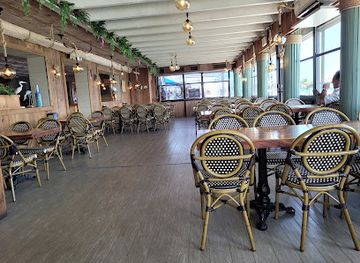
Marco Island offers a vibrant nightlife scene for visitors to enjoy, with a variety of bars and clubs catering to different tastes. From beachfront tiki bars where you can sip on tropical cocktails while watching the sunset, to lively nightclubs with live music and dancing, there is something for everyone. Enjoy fresh seafood and local cuisine at waterfront restaurants, or join a pub crawl to experience the local nightlife in full swing. Whether you're looking for a relaxed evening by the ocean or a night of partying and socializing, Marco Island's nightlife has it all.
-
Grill
Dolphin Tiki Bar & Grill
Experience the vibrant flavors of the tropics at Dolphin Tiki Bar & Grill, where fresh seafood meets a lively tiki atmosphere on Marco Island.
-
Bar
Sand Bar ️
Discover the Sand Bar in Marco Island for a delightful mix of American cuisine, vibrant nightlife, and a friendly atmosphere by the coast.
-
American
The Deck at 560
Discover culinary delights and stunning sunset views at The Deck at 560, Marco Island's premier American restaurant and lounge.
-
Restaurant
The SpeakEasy Marco Island
Experience the vibrant flavors and welcoming atmosphere of The SpeakEasy Marco Island, your go-to destination for delightful food and drinks.
Best shops in Marco Island
The shopping scene in Marco Island offers a unique blend of upscale boutiques, local shops, and charming markets, providing visitors with a diverse shopping experience. From trendy beachwear and designer jewelry to handmade crafts and souvenirs, there is something for everyone. Stroll along the waterfront promenades or explore the quaint streets lined with colorful storefronts, where you can find one-of-a-kind items to take home as a memento of your trip. Don't miss the weekly farmers' markets and art fairs, where you can sample local produce and discover talented artists showcasing their work. Whether you're looking for a special gift or simply want to indulge in some retail therapy, Marco Island's shopping scene is sure to delight and surprise you.
-
Shopping mall
Marco Town Center
Explore Marco Town Center, the ultimate shopping destination on Marco Island, featuring diverse stores, delightful dining, and vibrant community events.
-
Shopping mall
Marco Walk Plaza
Explore Marco Walk Plaza: Your premier shopping and dining destination on Marco Island, Florida, where coastal charm meets vibrant retail therapy.
-
Shopping mall
Esplanade Shoppes at Marco Island
Explore the charming Esplanade Shoppes at Marco Island for a perfect blend of shopping, dining, and coastal leisure.
-
Shopping mall
Shops of Marco
Experience the vibrant shopping scene at Shops of Marco, where unique boutiques meet local charm on Marco Island.

Get your free copy of our complete guide to Marco Island, delivered straight to you.
Everything on this page, from attractions and restaurants to essentials and local phrases, in one PDF you can read offline, print or share.
Already have an account? Sign in
Your Marco Island guide is ready.
We'll send it to · Not you? Sign out

Getting your guide ready…
We are putting together a fresh copy of the Marco Island guide. This can take up to a minute.
This can take a few moments. If your browser asks, choose Allow so the download can start. You'll find the guide in your Downloads folder.
Nothing happened? Download it again
Sorry, the guide is taking longer than usual. Please try again in a minute, or get it by email instead.
Marco Island essentials
Currency and Payment
Safety
Emergency Situations
Do's and Don'ts
Local Tips
From Eve
Local phrases worth knowing
You don't need to get them perfect. A few words go a long way, and locals appreciate the effort.
Basics
| English | Local | Say it |
|---|---|---|
| Hello | Howdy | [haw-dee] |
| Goodbye | See ya later | [see yuh lay-tur] |
| Yes | Yep | [yep] |
| No | Nope | [nohp] |
| Please/You're welcome | Please | [pleez] |
| Thank you | Thanks | [thangs] |
| Excuse me/Sorry | Pardon | [par-dun] |
| How are you? | How ya doin'? | [how ya doin] |
| Fine. And you? | Good. How 'bout you? | [good. how 'bout yuh] |
| Do you speak English? | Ya speak English? | [yah speak ing-lish] |
| I don't understand | I'm lost | [ahm lost] |
Eating & Drinking
| English | Local | Say it |
|---|---|---|
| I'd like to see the menu, please | I'll take a look at the menu, thanks | [ah'll take uh look at the menu, thangs] |
| I don't eat meat | I don't eat meat | [ah don't eat meet] |
| Cheers! | Cheers! | [cheers] |
| I would like to pay, please | I'll pay now, thanks | [ah'll pay now, thangs] |
Emergencies
| English | Local | Say it |
|---|---|---|
| Help! | Help! | [help] |
| Go away! | Leave me alone! | [leave me uh-lone] |
| Call the Police! | Call the cops! | [call the cops] |
| Call a doctor! | Get a doctor! | [get uh doctor] |
| I'm lost | I'm lost | [ahm lost] |
| I'm ill | I'm not feeling well | [ahm not feel-ing well] |
Shopping
| English | Local | Say it |
|---|---|---|
| I'd like to buy... | I'm interested in... | [ahm in-tur-es-ted in] |
| I'm just looking | I'm just browsing | [ahm just brows-in] |
| How much is it? | What's the price? | [whats the prahs] |
| That's too expensive | That's a bit pricey | [thats uh bit prah-see] |
| Can you lower the price? | Can you do a deal? | [can yuh do uh deal] |
Time & Numbers
| English | Local | Say it |
|---|---|---|
| What time is it? | What's the time? | [whats the tahm] |
| It's one o'clock | It's one | [its one] |
| Half past (10) | Half past ten | [haff past ten] |
| Morning | Morning | [morn-ing] |
| Afternoon | Afternoon | [after-noon] |
| Evening | Evening | [eve-ning] |
| Yesterday | Yesterday | [yestur-day] |
| Today | Today | [tuh-day] |
| Tomorrow | Tomorrow | [tuh-mor-row] |
| 1 | One | [wun] |
| 2 | Two | [too] |
| 3 | Three | [three] |
| 4 | Four | [four] |
| 5 | Five | [five] |
| 6 | Six | [six] |
| 7 | Seven | [sev-un] |
| 8 | Eight | [ate] |
| 9 | Nine | [nine] |
| 10 | Ten | [ten] |
Transport & Directions
| English | Local | Say it |
|---|---|---|
| Where's a/the...? | Where's the...? | [wheres the] |
| What's the address? | What's the address? | [whats the address] |
| Can you show me (on the map)? | Can you show me (on the map)? | [can yuh show me] |
| When's the next (bus)? | When's the next (bus)? | [whens the next bus] |
| A ticket (to ....) | A ticket (to ....) | [uh ticket to] |
History of Marco Island
Calusa Indian Civilization
Long before Marco Island became a tourist destination, it was inhabited by the Calusa Indians, a powerful and complex society known for their fishing prowess and impressive shell mounds, or 'middens'. These mounds, remnants of their daily lives, are still visible today and offer a glimpse into the rich history and culture of the indigenous people who once thrived here.
Spanish Exploration
In the early 1500s, Spanish explorers, including Juan Ponce de León, arrived on the shores of Marco Island. They encountered the Calusa and documented their advanced society. Though their interactions were often tumultuous, these early encounters marked the beginning of European interest in the region.
The Goodland Bay Site
Discovered in the early 20th century, the Goodland Bay archaeological site on Marco Island revealed a treasure trove of artifacts dating back thousands of years. Among the most famous finds was the Key Marco Cat, a wooden carving considered one of the finest examples of pre-Columbian Native American art in North America.
Early Settlers
In the late 1800s, European settlers began to arrive on Marco Island, attracted by its natural beauty and abundant resources. These early pioneers established small communities focused on fishing, farming, and trading, laying the groundwork for future development.
Barron Collier's Vision
In the 1920s, wealthy entrepreneur Barron Collier saw the potential of Marco Island and invested heavily in its development. He built infrastructure, including roads and bridges, and promoted the island as a destination for tourists and new residents. His vision and investment were pivotal in shaping the modern Marco Island.
Modern Development
Post-World War II, Marco Island saw significant growth and development. The Mackle brothers, developers from Miami, purchased a large portion of the island in the 1960s and transformed it into a planned community with homes, resorts, and amenities. This era marked Marco Island's transformation into the luxurious and popular destination it is today.
Environmental Conservation
Despite the rapid development, efforts have been made to preserve Marco Island's natural beauty and unique ecosystems. The establishment of protected areas, such as the Rookery Bay National Estuarine Research Reserve, highlights the balance between development and conservation, ensuring that future generations can enjoy the island's pristine environment.
Marco Island in Photos
Browse through our photo collection highlighting the charm and character of the destination.
Neighbouring destination travel guides
The closest destinations to Marco Island, if you have time for more than one.
-
 Naples Beach
Discover Naples Beach, Florida: A serene escape with pristine sands, crystal-clear waters, and vibrant downtown. Perfect for families, nature lovers, and golf enthusiasts.
Naples Beach
Discover Naples Beach, Florida: A serene escape with pristine sands, crystal-clear waters, and vibrant downtown. Perfect for families, nature lovers, and golf enthusiasts.
-
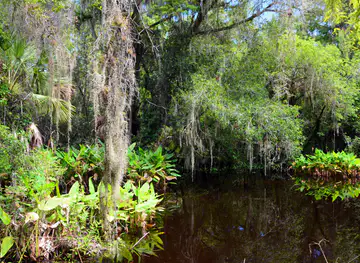 Fakahatchee Strand Preserve State Park
Explore Fakahatchee Strand Preserve State Park in Florida, where diverse ecosystems and rare wildlife offer a unique and immersive nature experience.
Fakahatchee Strand Preserve State Park
Explore Fakahatchee Strand Preserve State Park in Florida, where diverse ecosystems and rare wildlife offer a unique and immersive nature experience.
-
 Big Cypress National Preserve
Discover the natural beauty and diverse wildlife of Big Cypress National Preserve, a sprawling wilderness in Florida perfect for hiking, kayaking, and wildlife viewing.
Big Cypress National Preserve
Discover the natural beauty and diverse wildlife of Big Cypress National Preserve, a sprawling wilderness in Florida perfect for hiking, kayaking, and wildlife viewing.
-
 Sanibel Island
Discover Sanibel Island in Florida, a tranquil paradise known for its shell-strewn beaches, abundant wildlife, and charming local culture.
Sanibel Island
Discover Sanibel Island in Florida, a tranquil paradise known for its shell-strewn beaches, abundant wildlife, and charming local culture.
-
 Captiva Island
Discover the serene beauty and rich marine life of Captiva Island, Florida – a perfect escape for nature lovers, photographers, and adventure seekers.
Captiva Island
Discover the serene beauty and rich marine life of Captiva Island, Florida – a perfect escape for nature lovers, photographers, and adventure seekers.
Swipe for more destinations
Explore more
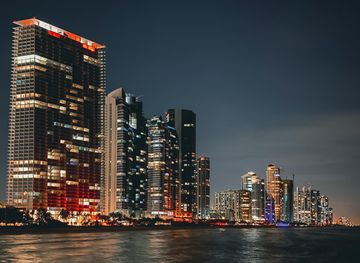
Explore more of Southeast Florida
Discover the vibrant cities, stunning beaches, and rich cultural diversity of Southeast Florida, from Miami's lively streets to the tranquil waters of Fort Lauderdale.
Explore Southeast Florida
Explore more of Florida
Discover Florida: A Sunshine State full of dazzling beaches, iconic theme parks, rich history, and stunning natural parks, offering endless adventures for every traveler.
Explore Florida