

Captiva Island Travel Guide - Free Web & App
Your ultimate guide to Captiva Island. Discover top landmarks, proposed trips, and local tips. Free on the web or via the Evendo companion app.


Captiva Island, Florida, pairs shell beaches, mangrove waterways, sunsets and village charm with boating, wildlife, art and Gulf Coast history.
A Barrier Island in the Gulf
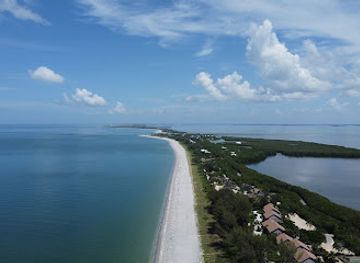
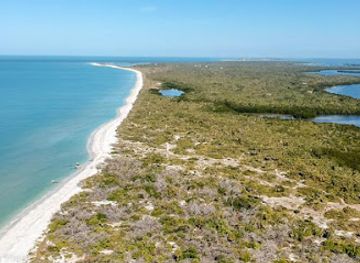
Captiva Island lies off Florida’s south-west coast, north of Sanibel Island and west of the mainland city of Fort Myers. It is a narrow barrier island shaped by beaches, tidal passes, mangrove wetlands and the open waters of the Gulf of Mexico. The island’s settled southern end centres on Captiva Village, where roads, small shops, galleries, restaurants and places to stay occupy a low-key coastal setting. Farther north, the island becomes quieter and more residential, with access patterns and facilities varying between public areas and private properties.Read more about Captiva Island
Beaches, Wildlife and Water
Island Culture and Nearby Nature
When is the best time to visit Captiva Island?
Best: February–March, December · 24–26°C| Month | High (°C) | Rainfall (mm) |
|---|---|---|
| January | 23 | 51 |
| February (best) | 24 | 46 |
| March (best) | 26 | 51 |
| April | 28 | 61 |
| May | 31 | 91 |
| June | 33 | 178 |
| July | 33 | 229 |
| August | 33 | 254 |
| September | 33 | 229 |
| October | 29 | 127 |
| November | 26 | 76 |
| December (best) | 24 | 51 |
Getting to and around Captiva Island
How to get there
Transportation
Best attractions in Captiva Island
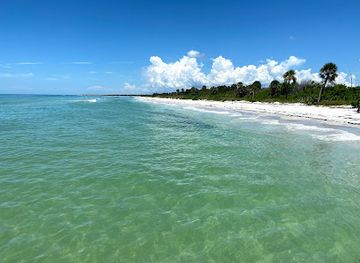
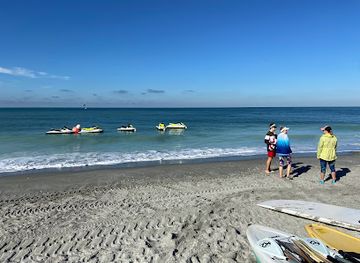
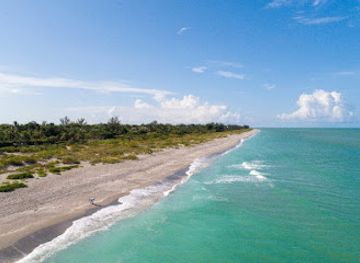
Captiva’s principal attractions are its Gulf-facing beaches, where visitors walk, swim where conditions permit, collect shells responsibly and watch the western horizon at sunset. Captiva Village provides the island’s main concentration of galleries, shops, restaurants and waterside businesses, while the northern stretches offer a quieter coastal setting shaped by dunes, vegetation and private development. The surrounding waterways are central to the experience: guided or independent kayaking and boating can reveal mangrove edges, tidal creeks and sandbars, subject to local rules and conditions. Blind Pass, at the southern end of Captiva near the boundary with Sanibel, is an important waterway and fishing area, although currents require care. The historic Chapel by the Sea adds a cultural dimension, and nearby Sanibel brings visitors close to J. N. “Ding” Darling National Wildlife Refuge, a separate island attraction known for mangrove habitat and birdlife. Captiva’s appeal lies in experiencing these coastal environments at a relaxed pace rather than in a dense collection of formal sights.
-
Boat tour agency
Captiva Cruises
Experience unforgettable boat tours and breathtaking views with Captiva Cruises in Florida's coastal paradise.
-
Tourist attraction
Captiva Beach
Discover the serene beauty of Captiva Beach, a coastal gem in Florida known for its stunning sunsets, shelling opportunities, and serene atmosphere.
-
Boat tour agency
New Wave Eco Charters, LLC
Discover the breathtaking beauty of Captiva Island with New Wave Eco Charters, offering unforgettable boat tours and wildlife adventures.
-
Fishing charter
Fish Old School, LLC
Discover the thrill of fishing in the beautiful Gulf of Mexico with Fish Old School, your premier fishing charter in Captiva, Florida.
Best landmarks in Captiva Island
Captiva’s defining landmarks are largely coastal and environmental. The Gulf shoreline and its shifting shell beaches express the island’s barrier-island character, while Blind Pass marks a tidal connection between Captiva and Sanibel and demonstrates the importance of moving water in shaping local geography. Mangrove margins, tidal flats and the island’s narrow belt of dunes are significant habitats as well as scenic features, providing essential shelter and feeding areas for coastal wildlife. The Chapel by the Sea is Captiva’s most prominent historic building, linking present-day visitors with the island’s early twentieth-century community. Captiva Village, with its low-rise streets, galleries, marinas and small-scale businesses, is a cultural landmark in the broader sense: it represents the island’s transition from an isolated coastal settlement to a mature but still small visitor centre. J. N. “Ding” Darling National Wildlife Refuge is a major nearby landmark on Sanibel, not within Captiva itself.
-
Restaurant
The Mucky Duck Restaurant
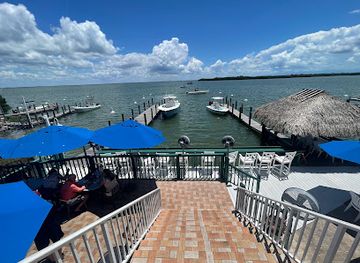
Experience the vibrant atmosphere at The Mucky Duck Restaurant in Captiva, Florida, where delicious food meets stunning beachfront views and live music.
-
American
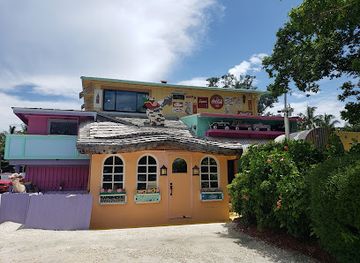
The Bubble Room Restaurant
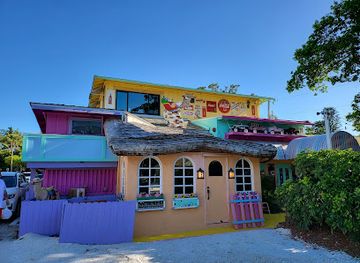
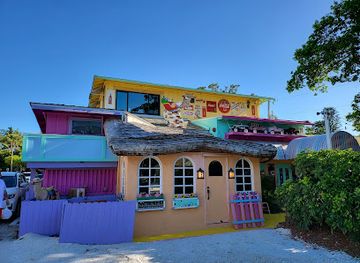
Discover the whimsical charm of The Bubble Room Restaurant in Captiva, Florida, where vibrant decor meets delectable American cuisine and famous desserts.
-
 Hotel
HotelSouth Seas
Experience the ultimate island retreat at South Seas, a premier resort in Captiva, Florida, offering stunning beaches, luxurious accommodations, and endless activities.
-
Resort hotel
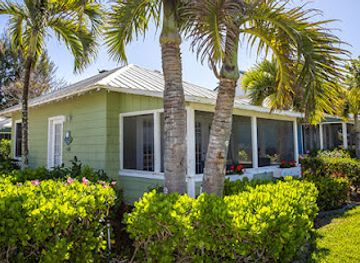
'Tween Waters Island Resort & Spa
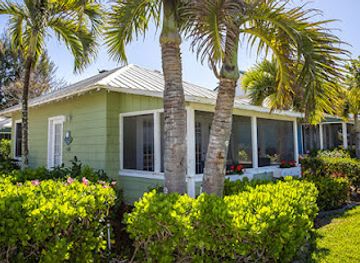
Experience the ultimate coastal retreat at 'Tween Waters Island Resort & Spa, where relaxation meets adventure on beautiful Captiva Island, Florida.
Explore Captiva Island on the map
Plan your trip on one map. See where the top attractions, landmarks, restaurants and hotels are, and book hotels and experiences in a few clicks.
Best hotels in Captiva Island
Best restaurants in Captiva Island
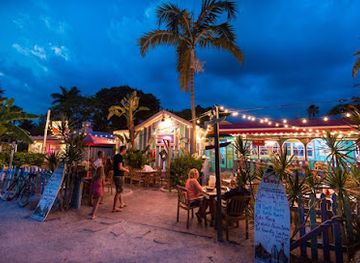
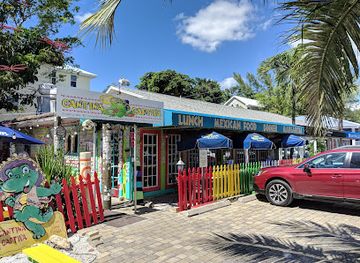
Captiva’s dining is concentrated around Captiva Village and the island’s accommodation and marina areas, with options ranging from cafés and casual waterfront meals to established restaurants and traditional island hospitality venues. Menus commonly reflect the Gulf Coast setting through seafood, shellfish, salads, sandwiches and other warm-weather dishes, although the exact catch and availability vary with season, weather and supply. Informal food is useful for beach days, while evening dining tends to be associated with village restaurants, inns and resort properties. Visitors staying on the island can also use nearby Sanibel for additional groceries, cafés and restaurants, but should distinguish those facilities from Captiva’s own smaller food scene. Because the island has limited space and a seasonal visitor economy, confirming current opening arrangements and making plans ahead can be important during busy periods or after storm disruption.
-
Restaurant
The Mucky Duck Restaurant
Discover delicious seafood and vibrant live music at The Mucky Duck Restaurant on beautiful Captiva Island.
-
American
The Bubble Room Restaurant
Experience whimsical dining at The Bubble Room Restaurant on Captiva Island – where American cuisine meets vibrant decor and irresistible desserts.
-
Seafood
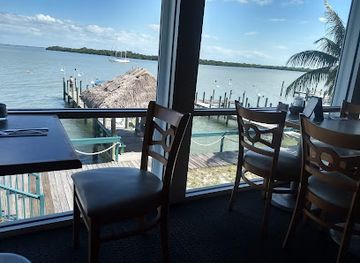
The Green Flash Restaurant
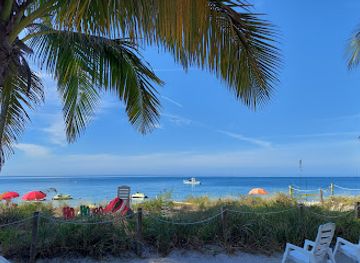
Experience coastal dining at The Green Flash Restaurant in Captiva - where fresh seafood meets stunning ocean views.
-
Restaurant
Keylime Bistro
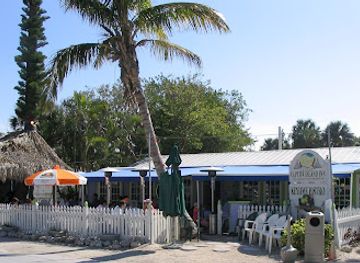
Experience coastal dining at Keylime Bistro in Captiva - where fresh ingredients meet vibrant flavors in a charming atmosphere.
Best bars in Captiva Island
Captiva is not a nightclub destination; its evening life is generally quiet, social and centred on restaurants, resort bars, village hospitality venues and occasional live entertainment rather than late-night districts. Visitors may find drinks, music and sunset gatherings around established accommodation and marina areas, while traditional island businesses provide a more relaxed alternative to metropolitan nightlife. The atmosphere changes with the season, weather and operating arrangements, and not every venue is open every night. Sanibel offers further evening dining and hospitality options, but it remains a separate nearby island rather than part of Captiva. After dark, roads and beach areas can be poorly suited to wandering without a torch, and visitors should respect residential quiet, private property and local wildlife guidance.
-
Restaurant
The Mucky Duck Restaurant
Discover The Mucky Duck Restaurant in Captiva, Florida—where delicious food meets live music and a vibrant atmosphere for an unforgettable experience.
-
American
The Bubble Room Restaurant
Discover The Bubble Room Restaurant in Captiva, where vibrant decor meets delightful American cuisine for a unique dining experience.
-
Seafood
The Green Flash Restaurant
Experience the taste of the sea at The Green Flash, Captiva's premier seafood restaurant with breathtaking Gulf views and a vibrant atmosphere.
-
Restaurant
'Tween Waters Island Resort & Spa
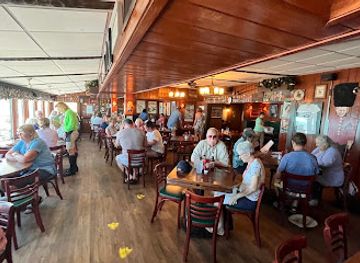
Experience the ultimate tropical retreat at 'Tween Waters Island Resort & Spa, where relaxation meets adventure on Captiva Island.
Best nightclubs in Captiva Island
Captiva is not a nightclub destination; its evening life is generally quiet, social and centred on restaurants, resort bars, village hospitality venues and occasional live entertainment rather than late-night districts. Visitors may find drinks, music and sunset gatherings around established accommodation and marina areas, while traditional island businesses provide a more relaxed alternative to metropolitan nightlife. The atmosphere changes with the season, weather and operating arrangements, and not every venue is open every night. Sanibel offers further evening dining and hospitality options, but it remains a separate nearby island rather than part of Captiva. After dark, roads and beach areas can be poorly suited to wandering without a torch, and visitors should respect residential quiet, private property and local wildlife guidance.
-
American
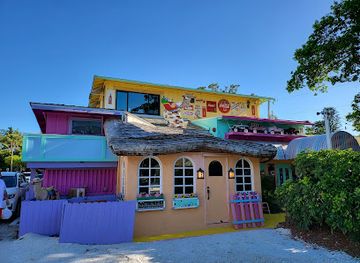
The Bubble Room Restaurant
Discover the enchanting Bubble Room Restaurant on Captiva Island, where whimsical decor meets delicious American cuisine in a memorable dining experience.
-
Seafood
RC Otter's Island Eats
Experience the taste of the ocean at RC Otter's Island Eats, Captiva's premier seafood destination for breakfast and lunch.
-
Mexican
Cantina Captiva
Discover authentic Mexican flavors in a vibrant setting at Cantina Captiva, the perfect dining spot for tourists in Captiva, Florida.
Best shops in Captiva Island
Shopping on Captiva is small-scale and visitor focused, with the main concentration in Captiva Village and around established accommodation areas. Independent galleries, art shops, gift stores and beach-oriented retailers reflect the island’s coastal setting, while locally inspired artwork, photography, jewellery, clothing and decorative pieces are among the types of goods visitors may encounter. Food, provisions and practical supplies are available in limited form, but a larger grocery shop or specialist purchase may require travelling to Sanibel or the mainland. The area is better suited to browsing island art, souvenirs and useful beach items than to extensive retail therapy. Stock, opening arrangements and individual businesses can change with the season and following storm damage, so visitors should avoid assuming that every shop or gallery is operating at all times.
-
Resort hotel
'Tween Waters Island Resort & Spa
Experience the ultimate coastal retreat at 'Tween Waters Island Resort & Spa, where relaxation meets adventure in Captiva, Florida.
-
Island
Captiva Island
Discover the serene beauty and vibrant wildlife of Captiva Island, Florida, where pristine beaches and stunning sunsets await every traveler.
-
Parking lot
Alison Hagerup Beach - Public Parking - Captiva Florida
Discover the beauty of Alison Hagerup Beach in Captiva, Florida – a family-friendly paradise with stunning sunsets and serene waters.
-
Tourist attraction
Captiva Beach
Discover the stunning beauty of Captiva Beach, Florida, where white sands meet crystal-clear waters for an unforgettable tropical getaway.
Get your free copy of our complete guide to Captiva Island, delivered straight to you.
Everything on this page, from attractions and restaurants to essentials and local phrases, in one PDF you can read offline, print or share.
Already have an account? Sign in
Your Captiva Island guide is ready.
We'll send it to · Not you? Sign out

Getting your guide ready…
We are putting together a fresh copy of the Captiva Island guide. This can take up to a minute.
This can take a few moments. If your browser asks, choose Allow so the download can start. You'll find the guide in your Downloads folder.
Nothing happened? Download it again
Sorry, the guide is taking longer than usual. Please try again in a minute, or get it by email instead.
Captiva Island essentials
Currency and Payment
Safety
Emergency Situations
Do's and Don'ts
Local Tips
From Eve
Local phrases worth knowing
You don't need to get them perfect. A few words go a long way, and locals appreciate the effort.
Basics
| English | Local | Say it |
|---|---|---|
| Hello | Ahoy | [ah-oy] |
| Goodbye | Adios | [ah-dee-ohs] |
| Yes | Yeah | [yeh] |
| No | Nope | [nohp] |
| Please/You're welcome | Please/No worries | [pleez/no wah-rees] |
| Thank you | Thanks | [th-anks] |
| Excuse me/Sorry | Pardon me/My bad | [par-dun mee/my bad] |
| How are you? | How's it going? | [hows it goh-ing] |
| Fine. And you? | Good. How about you? | [good. how a-bout yoo] |
| Do you speak English? | Do ya speak English? | [do yah speak ing-lish] |
| I don't understand | I'm lost/I don't get it | [im lost/i dont get it] |
Eating & Drinking
| English | Local | Say it |
|---|---|---|
| I'd like to see the menu, please | Can I check out the menu? | [can eye chek out the m-eh-nyoo] |
| I don't eat meat | I'm vegetarian | [im ve-je-te-er-ee-an] |
| Cheers! | Cheers! | [cheers] |
| I would like to pay, please | Can I settle up, please? | [can eye set-tle up pleez] |
Emergencies
| English | Local | Say it |
|---|---|---|
| Help! | Help! | [help] |
| Go away! | Get lost! | [get lost] |
| Call the Police! | Call the cops! | [call the cops] |
| Call a doctor! | Call a doc! | [call a doc] |
| I'm lost | I'm turned around | [im turned a-round] |
| I'm ill | I'm under the weather | [im under the weh-thur] |
Shopping
| English | Local | Say it |
|---|---|---|
| I'd like to buy... | I wanna buy... | [i wanna buy] |
| I'm just looking | Just browsing | [just brow-zing] |
| How much is it? | How much? | [how much] |
| That's too expensive | That's steep | [thats steep] |
| Can you lower the price? | Can you do better on the price? | [can you do bet-ter on the price] |
Time & Numbers
| English | Local | Say it |
|---|---|---|
| What time is it? | What's the time? | [whats the time] |
| It's one o'clock | It's one | [its one] |
| Half past (10) | Ten-thirty | [ten-thur-tee] |
| Morning | Morning | [mor-ning] |
| Afternoon | Afternoon | [after-noon] |
| Evening | Evening | [ee-ven-ing] |
| Yesterday | Yesterday | [yes-ter-day] |
| Today | Today | [to-day] |
| Tomorrow | Tomorrow | [to-mor-row] |
| 1 | One | [wun] |
| 2 | Two | [too] |
| 3 | Three | [three] |
| 4 | Four | [four] |
| 5 | Five | [fiv] |
| 6 | Six | [siks] |
| 7 | Seven | [sev-en] |
| 8 | Eight | [ate] |
| 9 | Nine | [nine] |
| 10 | Ten | [ten] |
Transport & Directions
| English | Local | Say it |
|---|---|---|
| Where's a/the...? | Where's the...? | [wheres the] |
| What's the address? | What's the address? | [whats the address] |
| Can you show me (on the map)? | Can you point it out (on the map)? | [can you point it out on the map] |
| When's the next (bus)? | When's the next (bus)? | [whens the next bus] |
| A ticket (to ....) | A ticket (to ....) | [a ticket to] |
History of Captiva Island
Calusa Coastal Territory
Before European settlement, the islands and estuaries of south-west Florida formed part of the wider coastal world of the Calusa, an Indigenous society whose economy and culture were closely connected with fish, shellfish, mangroves and waterways. Shell deposits and other archaeological evidence across the region record long periods of human use, although the surviving sites and their interpretation are not confined to Captiva itself. The island’s position between Gulf waters and sheltered backwaters explains why it has always been understood through movement by boat, seasonal resources and changing shorelines rather than through inland agriculture.
European Charts and Island Names
Spanish exploration and later European mapping brought the south-west Florida coast into wider colonial geographical knowledge, while maritime routes connected the offshore islands with the mainland and neighbouring keys. The origin of the name Captiva is sometimes linked to stories of captives and pirates, but these accounts are part of local legend rather than a securely established explanation. For much of the nineteenth century, the island remained lightly settled, with fishing, small-scale cultivation and water transport more important than permanent urban development.
Settlement and the Chapel by the Sea
Permanent settlement expanded around the turn of the twentieth century as families, fishermen and seasonal visitors made greater use of the island. The Chapel by the Sea, established in the early 1900s, is a surviving expression of that community history and remains one of Captiva’s most recognisable historic buildings. The island’s physical isolation encouraged a distinctive reliance on boats and ferries before improved road connections gradually made mainland access easier. Even as tourism developed, Captiva retained a small-scale settlement pattern rather than becoming a conventional Florida city.
Tourism, Conservation and Storm Change
During the twentieth century, Captiva became increasingly associated with beach holidays, boating, fishing, nature observation and seasonal residence. Accommodation, restaurants, galleries and marinas grew around the village and along the island’s limited road corridor, while conservation work across the barrier-island environment highlighted the importance of mangroves, shorebirds, dunes and tidal habitats. Hurricanes and tropical storms have repeatedly altered beaches, vegetation, roads and buildings, demonstrating that the island is a mobile coastal landscape. Modern Captiva therefore combines a mature visitor economy with continuing environmental management and recovery from severe weather.
Captiva Island in Photos
Browse through our photo collection highlighting the charm and character of the destination.
Neighbouring destination travel guides
The closest destinations to Captiva Island, if you have time for more than one.
-

-

-

-

-


Swipe for more destinations
Explore more

Explore more of Southwest Florida
Southwest Florida combines Gulf beaches, mangrove islands, historic river towns, wildlife-rich waterways and gateways to the Everglades.
Explore Southwest Florida
Explore more of Florida
Discover Florida: A Sunshine State full of dazzling beaches, iconic theme parks, rich history, and stunning natural parks, offering endless adventures for every traveler.
Explore Florida