

Free Cape Coral Travel Guide & Mobile App
Plan your Cape Coral trip with Evendo. Get free guides to top attractions, restaurants, hotels, and bars. Web access or download the mobile app.


Cape Coral, Florida, pairs a vast canal network with Gulf Coast nature, boating, waterfront dining and easy access to Fort Myers and nearby beaches.
A Planned Waterfront City
Cape Coral occupies a broad peninsula between the Caloosahatchee River and Matlacha Pass in south-west Florida. Created largely through post-war land development, it is defined less by a traditional downtown than by an extensive network of residential canals, low-rise neighbourhoods and waterfront roads. Many canals connect to the river and, in some areas, provide access towards the Gulf of Mexico, giving boating and fishing an unusually prominent place in daily life. The city’s wide, sunny streets and dispersed layout reflect its planned origins rather than the compact form of an older Floridian settlement.Read more about Cape Coral
Nature, Water and Outdoor Life
Gateway to South-west Florida
When is the best time to visit Cape Coral?
Best: February–March, November · 23–26°C| Month | High (°C) | Rainfall (mm) |
|---|---|---|
| January | 22 | 41 |
| February (best) | 23 | 47 |
| March (best) | 26 | 52 |
| April | 29 | 61 |
| May | 31 | 119 |
| June | 32 | 239 |
| July | 32 | 224 |
| August | 32 | 242 |
| September | 32 | 217 |
| October | 30 | 114 |
| November (best) | 26 | 54 |
| December | 23 | 45 |
Getting to and around Cape Coral
How to get there
Transportation
Best attractions in Cape Coral
Cape Coral’s principal attractions centre on water, wetlands and outdoor recreation rather than historic monuments. Four Mile Cove Ecological Preserve protects a substantial area of mangrove and wetland habitat, with boardwalks and trails offering opportunities for birdwatching and quiet exploration. Rotary Park Environmental Center combines native landscaping, walking paths and environmental displays, including a butterfly house when operating. At Cape Harbour, shops, restaurants and marina views create a sociable waterfront setting, while Tarpon Point Marina offers another place to watch boats move along the Caloosahatchee and nearby waterways. The Cape Coral Farmers Market is a seasonal gathering for local produce, prepared food and crafts. Boating, kayaking and fishing are central to the city’s recreation, with guided outings available on surrounding waters. For a broader cultural programme, visitors can cross to Fort Myers for attractions such as the Edison and Ford Winter Estates, which lie outside Cape Coral and should be treated as a separate excursion.
-
History museum
Edison & Ford Winter Estates
Explore the historic Edison & Ford Winter Estates, a captivating blend of innovation, botanical beauty, and rich American history in Fort Myers, Florida.
13 min walk · 1.1 km from city centre
-
Park
Manatee Park
Experience the beauty of nature at Manatee Park in Fort Myers, where gentle manatees thrive in their natural habitat amidst lush landscapes.
31 min drive · 11 km from city centre
-
Tourist attraction
Yacht Club Community Park
Experience the serene beauty and recreational charm of Yacht Club Community Park in Cape Coral, Florida, perfect for families and nature lovers alike.
33 min drive · 13 km from city centre
-
Park
Centennial Park
Explore the tranquil beauty of Centennial Park in Fort Myers, a perfect retreat for nature lovers and families seeking outdoor fun.
5 min walk · 0.4 km from city centre


Best landmarks in Cape Coral
Cape Coral’s most distinctive landmarks are civic and infrastructural rather than centuries-old buildings. The Cape Coral Bridge and Midpoint Memorial Bridge are prominent crossings over the Caloosahatchee River, linking the city with Fort Myers and framing broad views across the water. The canal network itself is the city’s defining man-made feature, a planned landscape of residential waterways that expresses the development vision begun in the 1950s. Cape Harbour and Tarpon Point Marina serve as contemporary waterfront landmarks, combining promenades, maritime activity and commercial buildings around protected basins. Within the city, the Cape Coral Veterans Memorial Area provides a place of civic remembrance, while Rotary Park Environmental Center represents the community’s commitment to interpreting local habitats. The wider region’s historic landmarks, including the Edison and Ford Winter Estates in Fort Myers, are nearby but belong to a different municipality.
-
History museum
Edison & Ford Winter Estates
Explore the legacy of innovation at the Edison & Ford Winter Estates, where history meets botanical beauty in Fort Myers, Florida.
13 min walk · 1.1 km from city centre
-
American
Ford's Garage Cape Coral
Experience the charm of American dining at Ford's Garage Cape Coral, where great food and a nostalgic atmosphere come together.
31 min drive · 11 km from city centre
-
Nature preserve
Six Mile Cypress Slough Preserve
Discover the lush landscapes and diverse wildlife of Six Mile Cypress Slough Preserve, a hidden gem in Fort Myers, Florida, perfect for nature lovers and adventurers.
27 min drive · 9.0 km from city centre
-
Park
Yacht Club Community Park
Experience the serene beauty and recreational charm of Yacht Club Community Park in Cape Coral, Florida - a must-visit for nature lovers and families.
33 min drive · 13 km from city centre


Explore Cape Coral on the map
Plan your Cape Coral trip on one map. See where the top attractions, landmarks, restaurants, bars and hotels are, find what's near where you're staying, and book hotels and experiences in a few clicks.
Best hotels in Cape Coral
Best restaurants in Cape Coral
Cape Coral’s dining scene reflects south-west Florida’s coastal setting and spread-out suburban form. Seafood is prominent, with menus commonly featuring Gulf fish, shrimp, oysters and crab alongside familiar American grill dishes, while waterfront restaurants at Cape Harbour and Tarpon Point make use of marina views and outdoor seating. The city’s population has also created a varied selection of Mexican, Caribbean, Italian, Asian and casual international food, often concentrated around major commercial corridors rather than an old town. Independent cafés, bakeries, breakfast restaurants and takeaway counters suit the city’s relaxed, car-oriented rhythm, and seasonal farmers’ markets may add local produce and prepared foods. Dining atmospheres range from informal family venues to polished marina restaurants; menus, opening patterns and seasonal availability vary, so current details should be checked locally.
-
American
The Boathouse Tiki Bar & Grill - Cape Coral
Discover tropical flavors at The Boathouse Tiki Bar & Grill in Cape Coral—where American cuisine meets waterfront relaxation.
33 min drive · 13 km from city centre
-
American
Ford's Garage Cape Coral
Experience classic American cuisine at Ford's Garage Cape Coral – where vintage charm meets delicious flavors in a vibrant setting.
31 min drive · 11 km from city centre
-
Seafood
Lobster Lady Seafood Market
Experience fresh seafood delights at Lobster Lady Seafood Market in Cape Coral - your go-to spot for flavorful ocean fare.
36 min drive · 16 km from city centre
-
Seafood
Twisted Lobster
Discover fresh seafood delights at Twisted Lobster in Cape Coral – where every bite brings you closer to oceanic perfection.
21 min drive · 6.9 km from city centre


Best bars in Cape Coral
Cape Coral’s evening scene is generally relaxed and social rather than centred on large nightclubs. Waterfront districts such as Cape Harbour and Tarpon Point Marina offer bars and restaurants where evenings revolve around outdoor seating, live music, cocktails and views across the boats and canals. Elsewhere, neighbourhood pubs, sports bars, breweries and casual lounges provide a local setting for watching American sport, meeting friends or listening to musicians. The city’s size means entertainment is dispersed along commercial roads rather than concentrated in one pedestrian nightlife quarter. Fort Myers, across the Caloosahatchee River, provides a broader selection of bars, music venues and late-evening entertainment. Visitors should arrange transport carefully, particularly when crossing bridges at busy times, and remember that drinking and driving laws are strictly enforced.
-
American
The Boathouse Tiki Bar & Grill - Cape Coral
Experience the vibrant flavors of American cuisine in a tropical setting at The Boathouse Tiki Bar & Grill in Cape Coral, Florida.
33 min drive · 13 km from city centre
-
Grill
The Boathouse Tiki Bar & Grill - Fort Myers
Experience the vibrant flavors and tropical ambiance at The Boathouse Tiki Bar & Grill in Fort Myers, where every meal is a taste of paradise.
34 min drive · 14 km from city centre
-
Bar
Back Streets Sports Bar
Experience the ultimate sports bar in Cape Coral, where delicious food, refreshing drinks, and live sports come together in a vibrant atmosphere.
32 min drive · 12 km from city centre
-
Bar
Rusty's Raw Bar & Grill - Cape Coral
Experience the vibrant flavors of Florida at Rusty's Raw Bar & Grill, where fresh seafood meets live music in a lively coastal atmosphere.
32 min drive · 12 km from city centre


Best nightclubs in Cape Coral
Cape Coral’s evening scene is generally relaxed and social rather than centred on large nightclubs. Waterfront districts such as Cape Harbour and Tarpon Point Marina offer bars and restaurants where evenings revolve around outdoor seating, live music, cocktails and views across the boats and canals. Elsewhere, neighbourhood pubs, sports bars, breweries and casual lounges provide a local setting for watching American sport, meeting friends or listening to musicians. The city’s size means entertainment is dispersed along commercial roads rather than concentrated in one pedestrian nightlife quarter. Fort Myers, across the Caloosahatchee River, provides a broader selection of bars, music venues and late-evening entertainment. Visitors should arrange transport carefully, particularly when crossing bridges at busy times, and remember that drinking and driving laws are strictly enforced.
-
Bar
Back Streets Sports Bar
Experience the vibrant atmosphere and delicious food at Back Streets Sports Bar, the ultimate destination for sports lovers in Cape Coral.
32 min drive · 12 km from city centre
-
Bar
The Dek Bar
Experience the vibrant nightlife and delicious dining at The Dek Bar in Cape Coral, your ultimate destination for food, drinks, and live music.
31 min drive · 11 km from city centre
-
Live Music
Buddha LIVE
Discover the electric atmosphere of Buddha LIVE in Fort Myers - your destination for live music, delicious food, and unforgettable nights.
30 min drive · 9.9 km from city centre
-
Bar
Downtown Social House
Discover vibrant nightlife at Downtown Social House, Fort Myers' premier bar and live music venue combining delicious dining and energetic entertainment.
6 min walk · 0.5 km from city centre


Best shops in Cape Coral
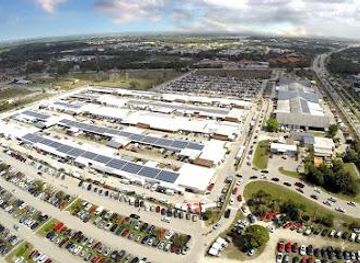
Shopping in Cape Coral is organised around commercial corridors, neighbourhood centres and waterfront developments rather than a traditional central market district. Cape Harbour and Tarpon Point Marina combine independent shops with cafés, restaurants and views over the waterways, while larger retail clusters along Del Prado Boulevard, Cape Coral Parkway and Pine Island Road provide everyday goods, clothing, groceries and services. Seasonal farmers’ markets can offer fresh produce, baked items, prepared food and locally made crafts, though schedules vary. Souvenirs tend to reflect Florida’s coastal identity, including beachwear, nautical items, shell-inspired goods and regional food products, while independent boutiques may carry artwork and gifts from south-west Florida makers. Visitors seeking antiques, specialist shops or a more historic commercial atmosphere may find additional choice in nearby Fort Myers, which is separate from Cape Coral.
-
Flea market
Fleamasters Fleamarket
Discover a treasure trove of unique goods and local culture at Fleamasters Fleamarket in Fort Myers, Florida.
13 min drive · 4.3 km from city centre
-
Shopping mall
Coralwood Shopping Center
Experience the lively Coralwood Shopping Center in Cape Coral, Florida - a shopping and dining haven for all visitors.
22 min drive · 7.4 km from city centre
-
Shopping mall
The Shops at Midpoint Center
Explore a premier shopping destination in Cape Coral, featuring a variety of stores, delightful dining options, and engaging community events for all ages.
31 min drive · 11 km from city centre
-
Shopping mall
Coral Pointe S.C.
Experience the best of shopping and dining at Coral Pointe Shopping Center in Cape Coral, where unique finds and delicious meals await.
21 min drive · 7.1 km from city centre


Get your free copy of our complete guide to Cape Coral, delivered straight to you.
Everything on this page, from attractions and restaurants to essentials and local phrases, in one PDF you can read offline, print or share.
Already have an account? Sign in
Your Cape Coral guide is ready.
We'll send it to · Not you? Sign out

Getting your guide ready…
We are putting together a fresh copy of the Cape Coral guide. This can take up to a minute.
This can take a few moments. If your browser asks, choose Allow so the download can start. You'll find the guide in your Downloads folder.
Nothing happened? Download it again
Sorry, the guide is taking longer than usual. Please try again in a minute, or get it by email instead.
Cape Coral essentials
Currency and Payment
Safety
Emergency Situations
Do's and Don'ts
Local Tips
From Eve
Local phrases worth knowing
You don't need to get them perfect. A few words go a long way, and locals appreciate the effort.
Basics
| English | Local | Say it |
|---|---|---|
| Hello | Hello | [heh-loh] |
| Goodbye | Goodbye | [good-bye] |
| Yes | Yes | [yess] |
| No | No | [noh] |
| Please/You're welcome | Please/You're welcome | [pleez/yer welcome] |
| Thank you | Thank you | [thank yoo] |
| Excuse me/Sorry | Excuse me/Sorry | [eks-kyooz mee/saw-ree] |
| How are you? | How are you? | [how are yoo] |
| Fine. And you? | Fine. And you? | [fyn. and yoo?] |
| Do you speak English? | Do you speak English? | [doo yoo speek ing-glish?] |
| I don't understand | I don't understand | [eye dont un-der-stand] |
Eating & Drinking
| English | Local | Say it |
|---|---|---|
| I'd like to see the menu, please | I'd like to see the menu, please | [eye'd lyke to see the men-yoo, pleez] |
| I don't eat meat | I don't eat meat | [eye dont eet meet] |
| Cheers! | Cheers! | [cheers] |
| I would like to pay, please | I would like to pay, please | [eye wood lyke to pay, pleez] |
Emergencies
| English | Local | Say it |
|---|---|---|
| Help! | Help! | [help!] |
| Go away! | Go away! | [go away!] |
| Call the Police! | Call the Police! | [call the po-leece!] |
| Call a doctor! | Call a doctor! | [call a doc-tor!] |
| I'm lost | I'm lost | [eye'm lost] |
| I'm ill | I'm ill | [eye'm ill] |
Shopping
| English | Local | Say it |
|---|---|---|
| I'd like to buy... | I'd like to buy... | [eye'd lyke to by...] |
| I'm just looking | I'm just looking | [eye'm just look-ing] |
| How much is it? | How much is it? | [how much is it?] |
| That's too expensive | That's too expensive | [that's too ex-pen-sive] |
| Can you lower the price? | Can you lower the price? | [can yoo loh-er the price?] |
Time & Numbers
| English | Local | Say it |
|---|---|---|
| What time is it? | What time is it? | [what time is it?] |
| It's one o'clock | It's one o'clock | [it's one oh-clock] |
| Half past (10) | Half past (10) | [haff past (ten)] |
| Morning | Morning | [morn-ing] |
| Afternoon | Afternoon | [af-ter-noon] |
| Evening | Evening | [ee-ven-ing] |
| Yesterday | Yesterday | [yes-ter-day] |
| Today | Today | [to-day] |
| Tomorrow | Tomorrow | [to-mor-row] |
| 1 | 1 | [one] |
| 2 | 2 | [two] |
| 3 | 3 | [three] |
| 4 | 4 | [four] |
| 5 | 5 | [five] |
| 6 | 6 | [six] |
| 7 | 7 | [seven] |
| 8 | 8 | [eight] |
| 9 | 9 | [nine] |
| 10 | 10 | [ten] |
Transport & Directions
| English | Local | Say it |
|---|---|---|
| Where's a/the...? | Where's a/the...? | [where's uh/the...?] |
| What's the address? | What's the address? | [what's the uh-dress?] |
| Can you show me (on the map)? | Can you show me (on the map)? | [can yoo show mee (on the map)?] |
| When's the next (bus)? | When's the next (bus)? | [when's the next (bus)?] |
| A ticket (to ....) | A ticket (to ....) | [uh ticket (to ....)] |
History of Cape Coral
Calusa Landscapes Before the City
Long before modern Cape Coral existed, the surrounding south-west Florida coast was inhabited by Indigenous peoples, most notably the Calusa, whose society depended heavily on estuaries, fish, shellfish and the region’s intricate waterways. The nearby barrier islands, mangrove shores and river systems formed part of a connected coastal environment rather than a landscape of roads and subdivisions. European contact brought disease, conflict and profound disruption, and the Calusa population declined during the colonial period. Later settlement around the lower Caloosahatchee developed through fishing, farming, trade and transport, but the peninsula that became Cape Coral remained largely undeveloped marsh, pineland and scrub until the mid-twentieth century.
The Gulf American Development
Cape Coral was conceived in the 1950s by the Rosen brothers and their company, Gulf American Land Corporation. In 1957 the developers began transforming the peninsula through dredging, road construction and the creation of an extensive canal system. The project was marketed nationally as a new waterfront community where purchasers could own homes near navigable water, and promotional events helped draw attention to the site. The canals were not merely decorative: they were central to the development’s identity and were intended to connect residential areas with the Caloosahatchee River and, through regional waters, the Gulf. This planned origin explains the city’s broad street pattern and absence of a conventional historic core.
Canals, Roads and Early Growth
During the 1960s, Cape Coral expanded rapidly as roads, bridges, utilities and new subdivisions followed the original dredging programme. Water access shaped property values and influenced the layout of neighbourhoods, while sales offices and model homes presented the community as a modern alternative to established Florida towns. The development also attracted seasonal residents and retirees, linking Cape Coral to the wider population boom across south-west Florida. Construction and drainage altered the peninsula’s natural landscape, creating the canal geography that remains its most recognisable physical feature. At the same time, the city’s growth was closely connected to nearby Fort Myers, which supplied established commercial, civic and transport services.
Incorporation and Municipal Identity
Cape Coral incorporated as a city in 1970, giving its growing population a formal municipal government and a stronger civic identity. Incorporation followed years of rapid development and helped establish local responsibility for services, planning and infrastructure. The city continued to expand beyond its earliest neighbourhoods, with additional roads, schools, commercial areas and public facilities accompanying residential construction. Its municipal story has often centred on the practical demands of a large, low-density community: maintaining canals, bridges, drainage systems and roads across a wide area. Unlike older Florida settlements, Cape Coral’s identity is therefore tied to coordinated suburban development and water management as much as to individual historic buildings.
A Modern Coastal Community
From the late twentieth century into the twenty-first, Cape Coral became one of the larger and faster-growing communities in south-west Florida. Population increases brought new retail centres, medical services, restaurants, parks and marinas, while redevelopment and infrastructure projects continued to shape the city’s waterfronts and transport links. Hurricane damage and wider concerns about flooding, drainage and coastal resilience have reinforced the importance of maintaining the canal network and adapting development to environmental conditions. Today, Cape Coral combines a relatively young municipal history with older regional landscapes: mangrove preserves, estuarine waterways and Gulf Coast wildlife remain central to its character even as the city continues to grow.
Cape Coral in Photos
Browse through our photo collection highlighting the charm and character of the destination.
Cities near Cape Coral
The closest cities to Cape Coral, if you have time for more than one stop.
-

-

-

-

-


Swipe for more cities
Explore more

Explore more of Florida
Discover Florida: A Sunshine State full of dazzling beaches, iconic theme parks, rich history, and stunning natural parks, offering endless adventures for every traveler.
Explore Florida