Egmont Key National Wildlife Refuge: A Pristine Island Escape
Discover a secluded island paradise at Egmont Key National Wildlife Refuge: pristine beaches, historic ruins, diverse wildlife, and tranquil escape await by boat in Tampa Bay.
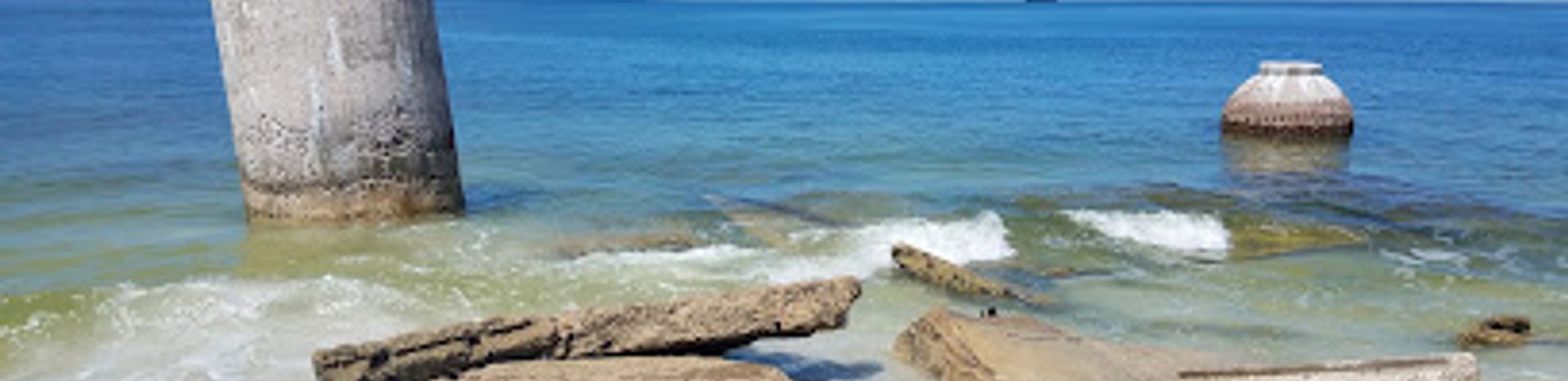
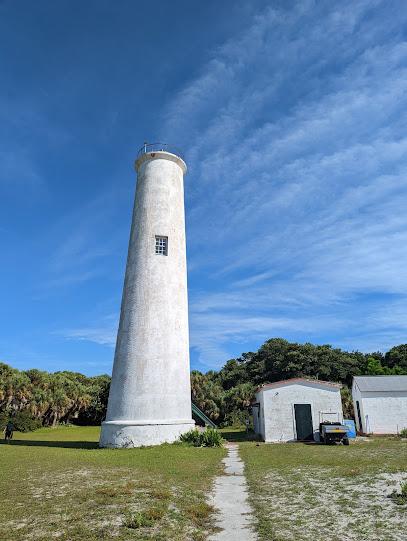
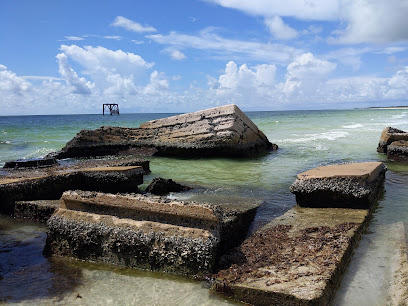
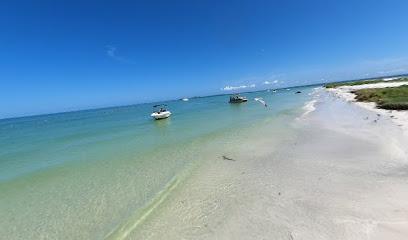
Escape to Egmont Key National Wildlife Refuge, a secluded island paradise at the mouth of Tampa Bay. Accessible only by boat, this unique destination offers a blend of natural beauty and historical significance. Explore the ruins of Fort Dade, a Spanish-American War-era military installation, and marvel at the still-standing 1858 lighthouse. Wander along pristine beaches, observe diverse wildlife including gopher tortoises and nesting birds, and snorkel in the crystal-clear waters. Remember to bring your own supplies, as the island has no amenities, and respect the protected wildlife areas. A visit to Egmont Key promises a tranquil and enriching experience, connecting you with Florida's natural and cultural heritage. The island's remote location ensures a peaceful retreat, far from the hustle and bustle of city life, making it a perfect day trip for nature lovers and history enthusiasts alike.
A brief summary to Egmont Key National Wildlife Refuge
- St. Petersburg, Florida, 33715, US
- +1352-563-2088
- Visit website
- Monday 6 am-9 pm
- Tuesday 6 am-9 pm
- Wednesday 6 am-9 pm
- Thursday 6 am-9 pm
- Friday 6 am-9 pm
- Saturday 6 am-9 pm
- Sunday 6 am-9 pm
Local tips
- Bring all necessary supplies, including food, water, sunscreen, and insect repellent, as there are no amenities on the island.
- Book your ferry tickets in advance, especially during peak season, to ensure a spot on the boat.
- Wear closed-toe shoes when hiking the trails to protect your feet from thorns and insects.
- Be mindful of the protected wildlife areas and maintain a safe distance from nesting birds and sea turtles.
- Check the weather forecast before your visit and be prepared for potential thunderstorms, especially in the afternoon.

Getting There
-
Ferry
The primary access to Egmont Key is via the Egmont Key Ferry, which departs from the Bay Pier at Fort De Soto Park. Note that as of May 2025, the Bay Pier is under construction, so ferries are departing from the boat ramp, located on the right soon after you enter the park. The roundtrip ferry ride takes approximately 30 minutes each way, with several departure times daily, but it is best to book in advance. A round trip ticket costs $45 for adults (12+), $25 for children (ages 3-11), and is free for children under 3. Arrive at Fort De Soto boat ramp 60 minutes prior to departure for check-in and boarding. Parking at Fort De Soto Park costs $5, which can be paid at parking meters and doubles as park entrance payment. Note that you will pass through two toll booths when you get close to Fort De Soto Park. The tolls take SunPass, exact change, or will charge your license plate.
Discover more about Egmont Key National Wildlife Refuge
Iconic landmarks you can’t miss

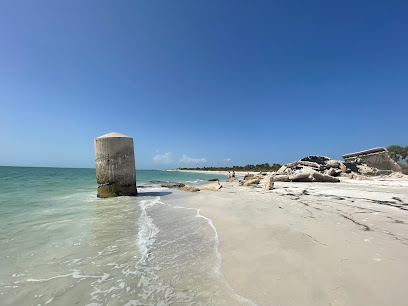
Fort Dade
0.2 km
Explore the historic Fort Dade on Egmont Key, a stunning blend of military history and natural beauty, perfect for a tranquil getaway.
Egmont Key Lighthouse
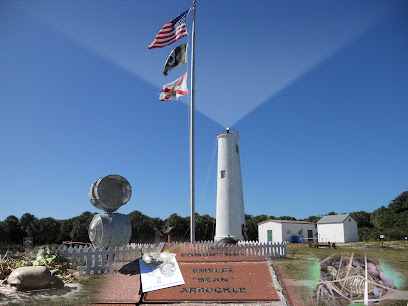
1.3 km
Explore the historic Egmont Key Lighthouse, a serene escape that showcases Florida's maritime heritage amidst stunning natural beauty.
Battery Bigelow
3.8 km
Discover Battery Bigelow, a historical gem in St. Petersburg, Florida, where military history meets breathtaking coastal scenery in Fort De Soto Park.
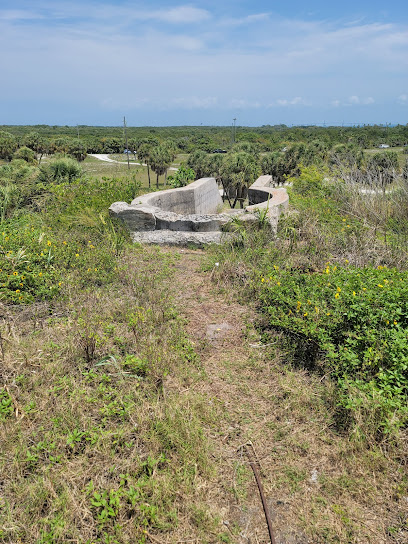
Fort De Soto
4.0 km
Explore the stunning beaches, rich history, and diverse wildlife of Fort De Soto, a must-visit natural gem in St. Petersburg, Florida.
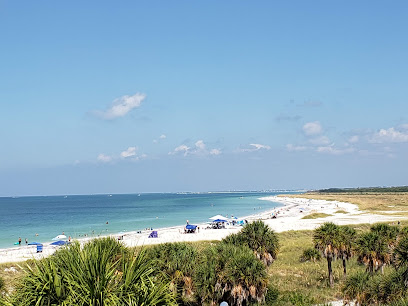
North Beach At Fort DeSoto Park
5.9 km
Discover the unspoiled beauty of North Beach at Fort DeSoto Park in St. Petersburg, a perfect blend of relaxation, adventure, and nature.
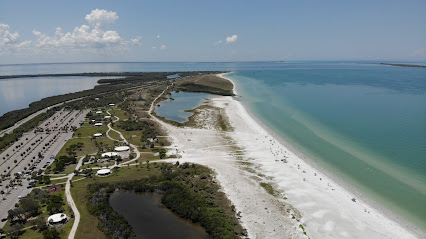
Pass A Grille Dog Beach
10.8 km
Discover the joy of sun and surf at Pass A Grille Dog Beach, Florida's premier pet-friendly beach for you and your furry friend.
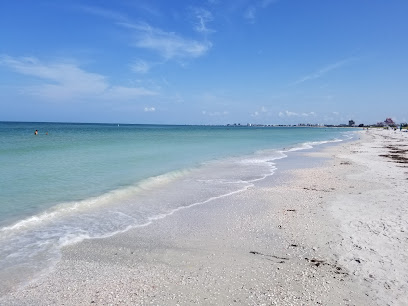
Shell Key Shuttle
11.3 km
Discover the pristine beauty of Shell Key with Shell Key Shuttle, your gateway to an unforgettable adventure in St Pete Beach, Florida.
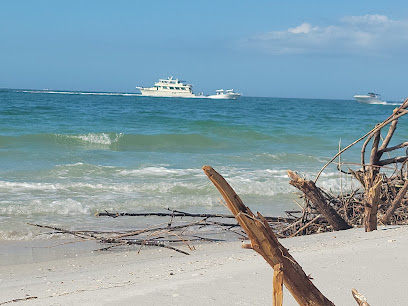
McPherson Bayou
13.9 km
Experience the tranquility and natural beauty of McPherson Bayou in St. Pete Beach, a perfect escape for relaxation and adventure.
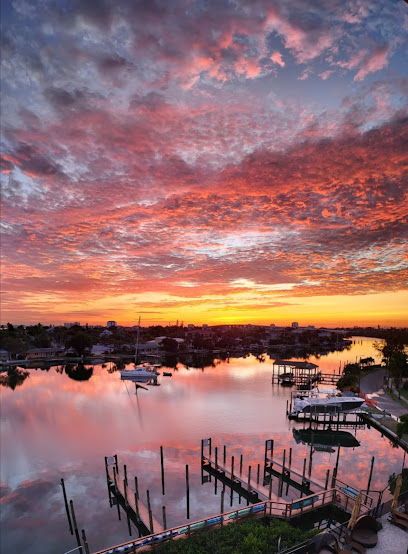
Indian Burial Mounds
16.4 km
Explore the historical significance and serene beauty of Indian Burial Mounds, a peaceful memorial park in St. Petersburg, Florida.
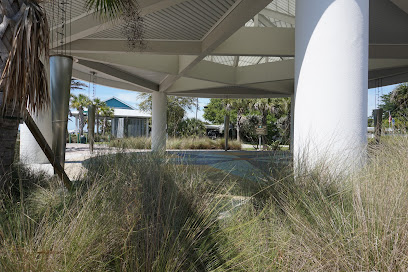
Atzeroth Home Site Historical Marker
17.9 km
Discover the Atzeroth Home Site Historical Marker and delve into Florida's coffee history at this peaceful landmark in Terra Ceia.
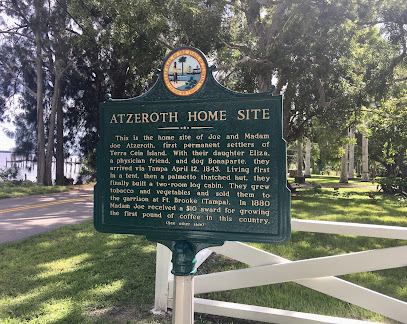
Boyd Hill Nature Preserve
18.8 km
Explore Boyd Hill Nature Preserve in St. Petersburg, a haven for wildlife and outdoor adventure amidst Florida's stunning natural landscapes.
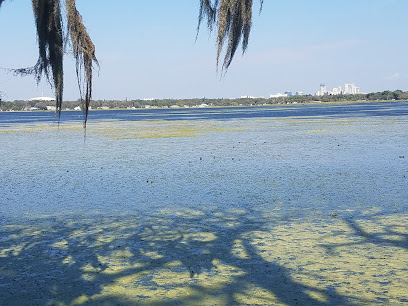
Terra Ceia Preserve State Park
19.8 km
Discover the tranquility and beauty of Terra Ceia Preserve State Park, a perfect getaway for nature enthusiasts and outdoor adventurers in Florida.
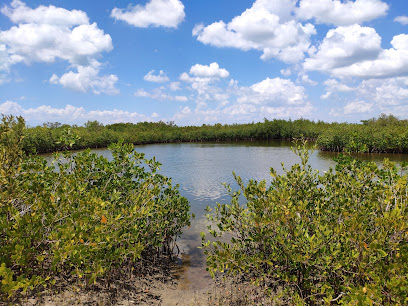
Treasure Island Clock Tower
20.1 km
Discover the historic Treasure Island Clock Tower, a charming landmark that embodies the spirit and history of this beautiful beach town.
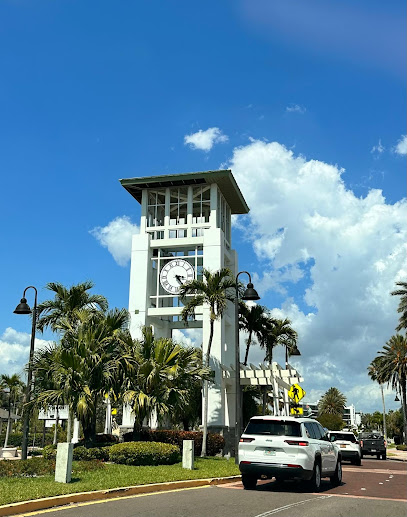
Treasure Island Causeway
20.2 km
Experience breathtaking views and vibrant sunsets at the Treasure Island Causeway, a must-see bridge connecting you to Florida's beautiful beaches.
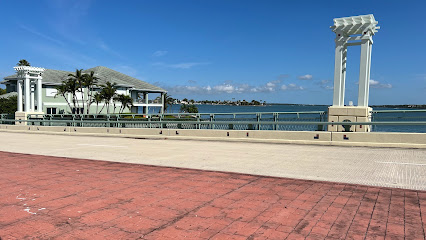
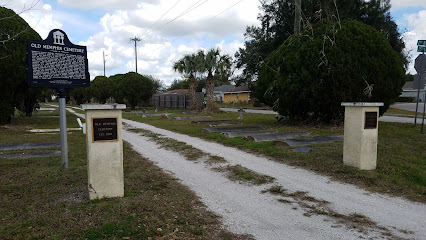
Old Memphis Cemetery Historical Marker
20.4 km
Uncover the rich history of Palmetto, Florida, at the Old Memphis Cemetery Historical Marker, a serene place of reflection and remembrance.
Unmissable attractions to see

Egmont Key State Park
0.1 km
Explore the natural beauty and rich history of Egmont Key State Park, a tranquil island paradise near St. Petersburg, Florida.
Historic Fort Desoto
4.0 km
Discover pristine beaches, explore a historic fort, and immerse yourself in nature at Fort De Soto Park, a captivating destination on Florida's Gulf Coast offering recreation and relaxation.
Passage Key National Wildlife Refuge
4.2 km
Explore the pristine beauty and rich wildlife of Passage Key National Wildlife Refuge, a serene escape in Anna Maria, Florida.
Fort De Soto Park
6.6 km
Explore Fort De Soto Park: A stunning Florida destination for outdoor adventure, wildlife, and historical exploration.
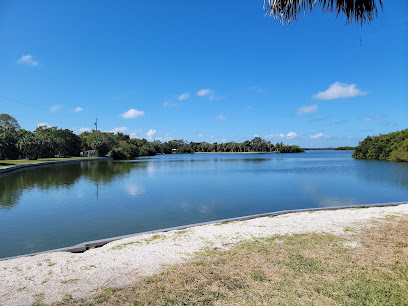
Shell Key Preserve
8.0 km
Explore Shell Key Preserve, a stunning natural sanctuary in Florida, perfect for kayaking, snorkeling, and wildlife watching amidst pristine beauty.
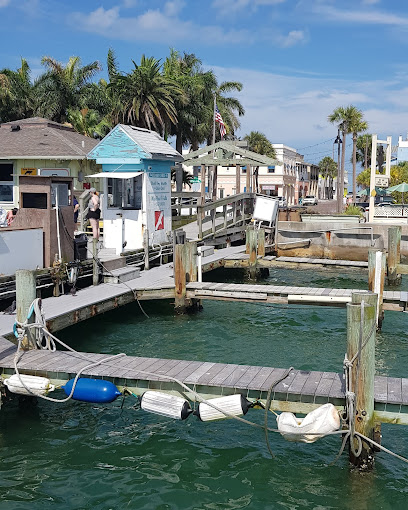
Pinellas National Wildlife Refuge
10.0 km
Discover the tranquil beauty and rich biodiversity of Pinellas National Wildlife Refuge, a serene escape for nature lovers near St. Petersburg, Florida.
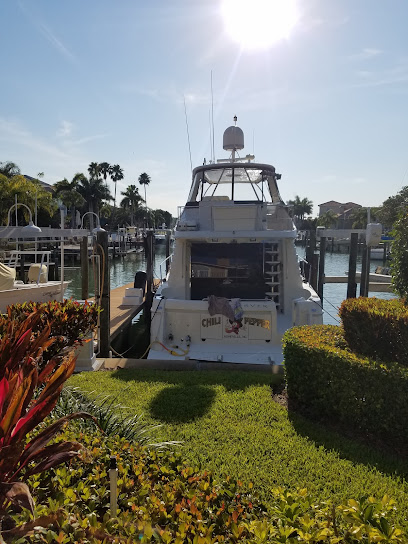
Anna Maria Island
10.6 km
Experience the tranquil charm and stunning beaches of Anna Maria Island in Florida, a perfect destination for relaxation and adventure.
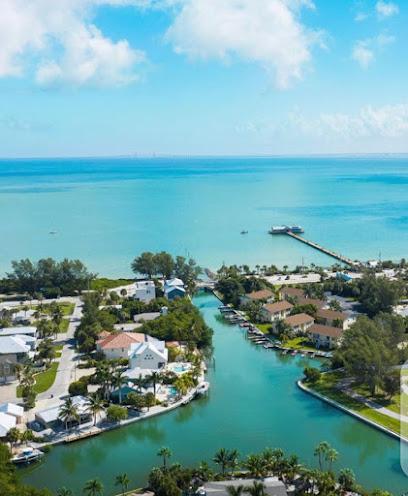
1st ave beach access
10.7 km
Experience the tranquility and natural beauty of 1st Ave Beach Access in St Pete Beach, a perfect destination for relaxation and scenic views.
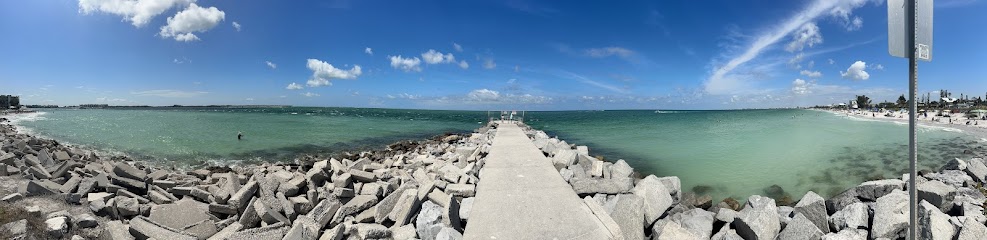
Sunshine Skyway Bridge
11.1 km
Discover the breathtaking views and engineering marvel of the Sunshine Skyway Bridge, a must-visit tourist attraction in St. Petersburg, Florida.
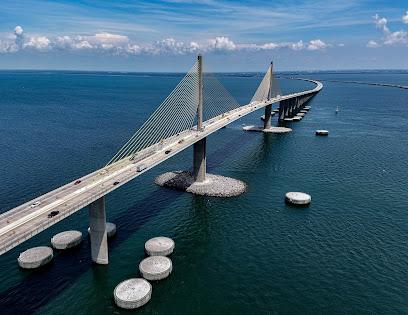
Skyway Fishing Pier State Park
11.2 km
Experience the beauty of Florida's coastline at Skyway Fishing Pier State Park, the world's longest fishing pier with stunning bay views and great recreational activities.
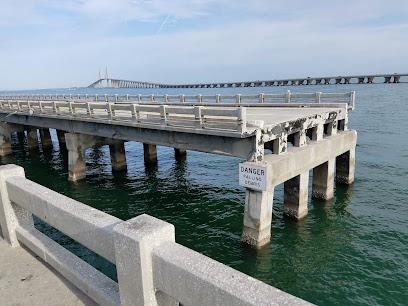
Gulf Beaches Historical Museum
11.4 km
Explore the rich history of Florida's Gulf Coast at the Gulf Beaches Historical Museum in St Pete Beach, showcasing captivating artifacts and stories.
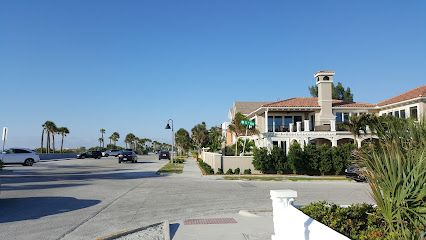
Pass-a-Grille Beach
11.7 km
Experience the tranquil beauty of Pass-a-Grille Beach, where stunning sunsets, soft sands, and vibrant local culture await every traveler.
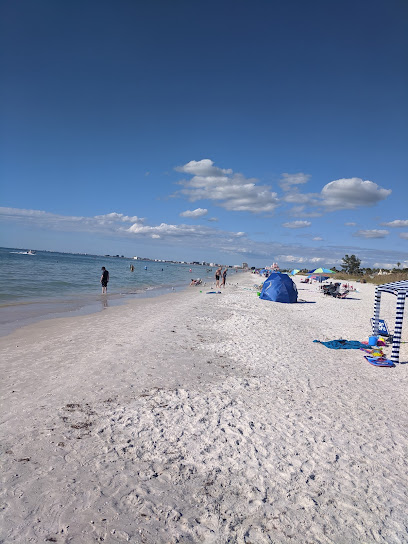
17th Ave beach access
12.0 km
Experience the serene beauty of 17th Ave Beach Access in St. Pete Beach, where sun, sand, and stunning sunsets await you.
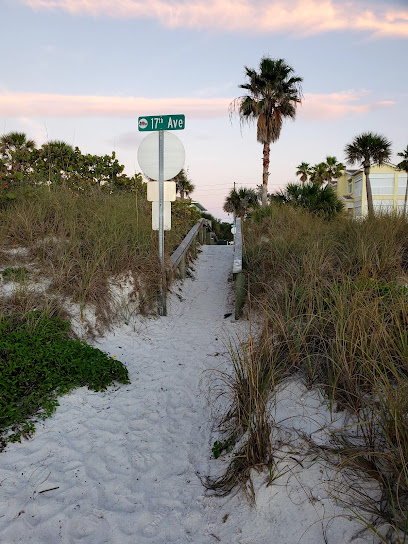
Island Ferry LLC
12.0 km
Explore the breathtaking Gulf Coast with Island Ferry LLC, your top boat tour agency in Tierra Verde, Florida.
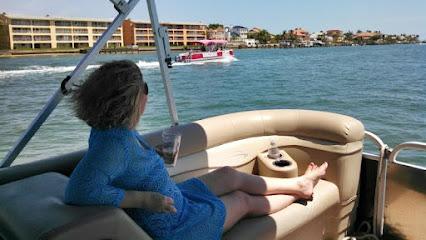
21st Ave beach access
12.3 km
Experience the tranquil beauty of 21st Ave Beach Access in St. Pete Beach, where soft sands meet stunning Gulf views for a perfect getaway.
Essential places to dine

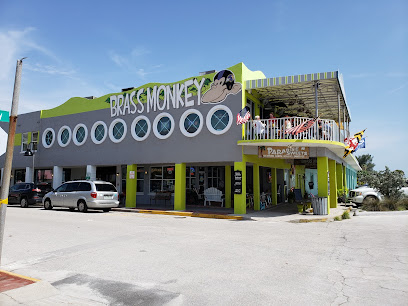
Brass Monkey
11.3 km
Discover Brass Monkey: A vibrant seafood haven on Pass-a-Grille Beach offering fresh flavors and stunning waterfront views.
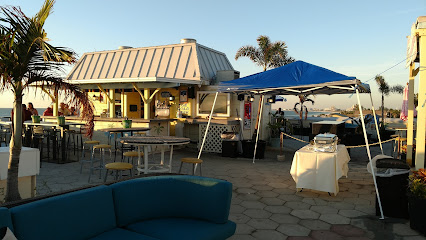
Hurricane Seafood Restaurant
11.3 km
Savor fresh seafood and stunning Gulf views at Hurricane Seafood Restaurant in Pass-a-Grille Beach.
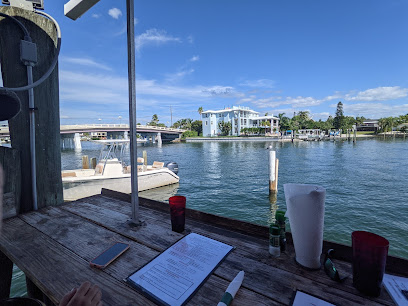
The Wharf Restaurant
12.3 km
Experience the best of coastal dining at The Wharf Restaurant in St. Pete Beach – where fresh seafood meets stunning waterfront views.
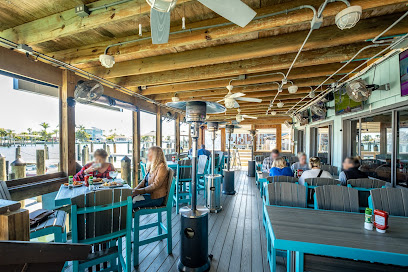
Red, White & Booze
12.3 km
Experience vibrant beachside dining at Red, White & Booze with fresh seafood and refreshing drinks in Pass-a-Grille Beach.
Society Table
13.6 km
Experience delightful American cuisine with Caribbean flair at Society Table in St. Pete Beach - a must-visit dining destination.
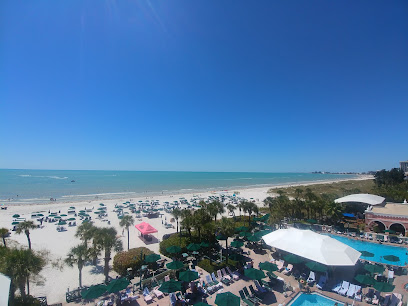
Maritana
13.6 km
Experience exquisite seafood and fine dining at Maritana in St. Pete Beach - where every meal is a celebration of coastal flavors.
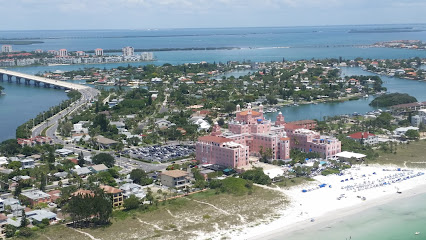
Castile Restaurant
14.1 km
Discover culinary excellence at Castile Restaurant in St. Pete Beach – where New American flavors meet breathtaking Gulf views.

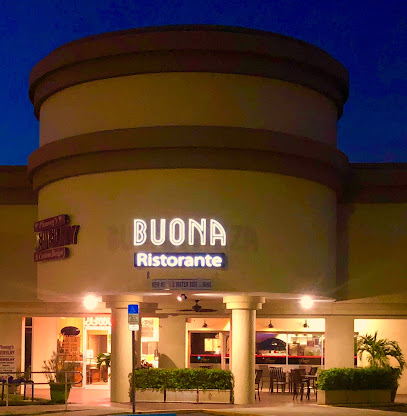
Buona Ristorante
15.1 km
Experience authentic Italian cuisine at Buona Ristorante in St. Pete Beach - where every meal is crafted with passion and tradition.
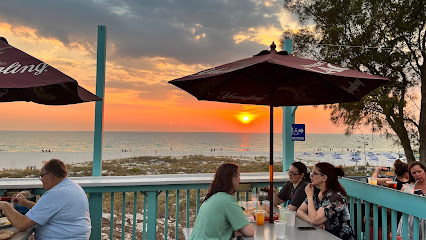
St. Pete Beach Crabby Bill's Seafood
15.3 km
Discover fresh seafood and stunning views at Crabby Bill's Seafood in St. Pete Beach - where every bite feels like a beach vacation.
Bongos Beach Bar and Grille
15.3 km
Experience coastal dining at Bongos Beach Bar and Grille in St. Pete Beach - delicious food, refreshing drinks & breathtaking Gulf views await you.
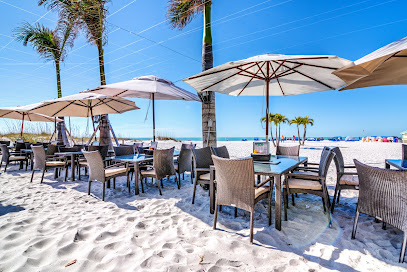
Mad Fish St Pete Beach
15.3 km
Discover Mad Fish St Pete Beach, where fresh seafood meets stunning Gulf views for an unforgettable dining experience.
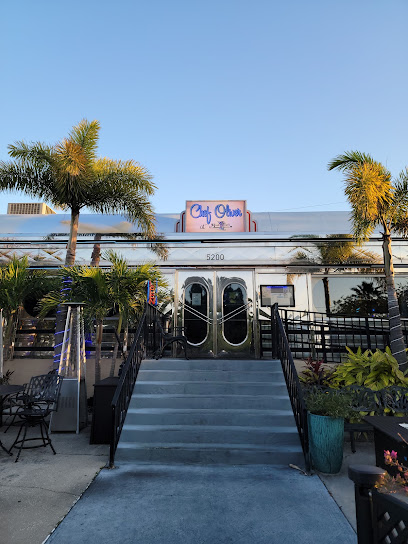
Spinners Rooftop Grille
15.3 km
Discover unparalleled seafood and steak dishes at Spinners Rooftop Grille with breathtaking Gulf views in St. Pete Beach.
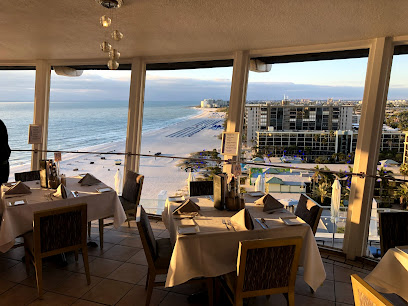
Compass Grille
15.5 km
Discover exceptional American cuisine at Compass Grille on St. Pete Beach—your go-to spot for fresh seafood and delightful breakfasts.
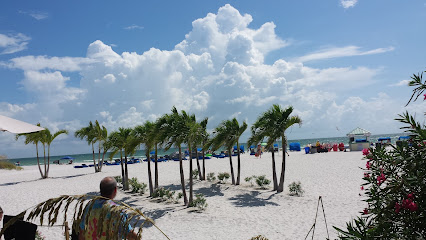
Palm Court Italian
15.7 km
Experience authentic Italian flavors at Palm Court Italian in St. Pete Beach—where every meal is a celebration of Mediterranean cuisine.
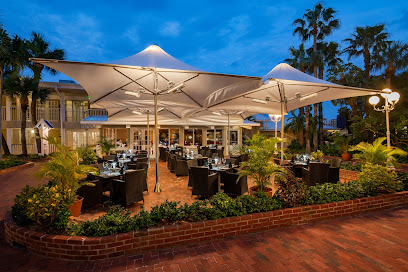
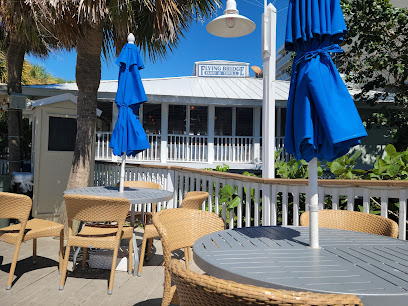
Flying Bridge Bar & Grill
15.7 km
Discover mouthwatering grill favorites at Flying Bridge Bar & Grill, where stunning beach views meet delightful culinary experiences in St. Pete Beach.
Markets, malls and hidden boutiques

Dody Beach Boutique
11.3 km
Explore Dody Beach Boutique in Pass-a-Grille, St. Petersburg for stylish beachwear, unique dresses, and stunning jewelry that captures coastal elegance.
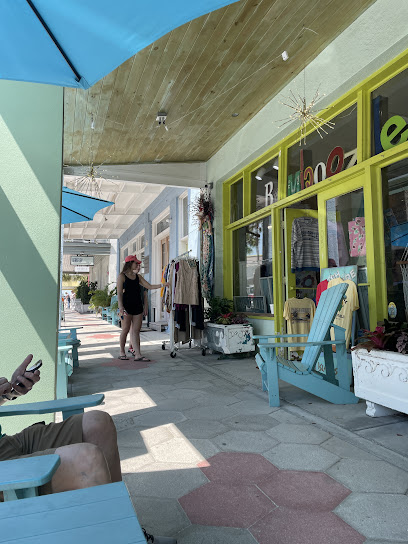
Noah's Ark
14.5 km
Explore the eclectic treasures of Noah's Ark, a unique consignment shop in St. Pete Beach that offers vintage finds and local charm.
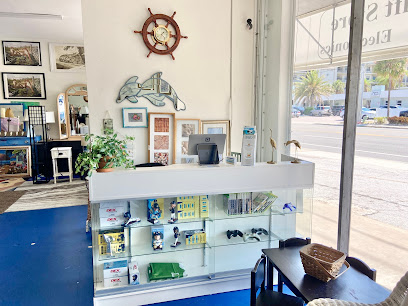
Isla del Sol Shoppers Village
14.6 km
Discover a shopping oasis at Isla del Sol Shoppers Village, where retail therapy meets culinary delights in the heart of St. Petersburg.
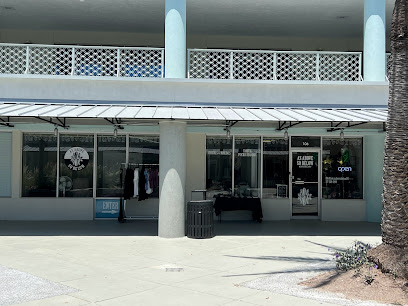
As Above So Below
14.9 km
Explore the spiritual and mystical at As Above So Below, a unique metaphysical supply store in St. Pete Beach, Florida, offering crystals, jewelry, and more.
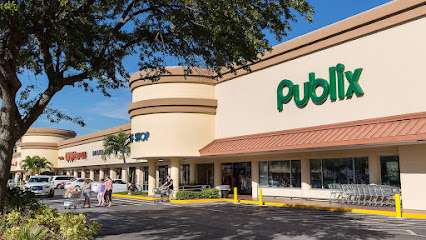
Dolphin Village
15.0 km
Explore Dolphin Village, a vibrant shopping mall in St. Pete Beach, Florida, offering diverse stores and delicious dining options near the ocean.
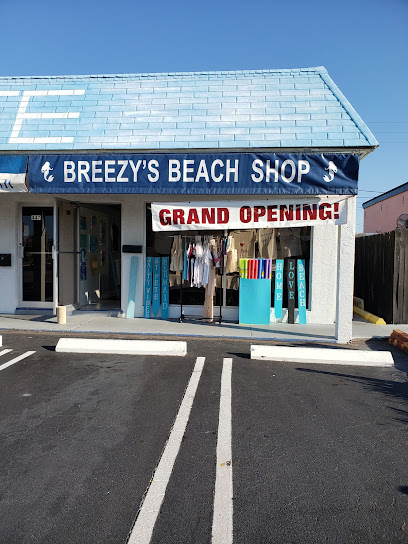
Breezy's Beach Shop
15.2 km
Explore Breezy's Beach Shop for unique gifts, stylish beachwear, and unforgettable souvenirs in the heart of St. Pete Beach.
Freaky Tiki Surf shack
15.4 km
Discover unique beachwear and accessories at Freaky Tiki Surf Shack, a vibrant clothing store in St. Pete Beach, Florida.

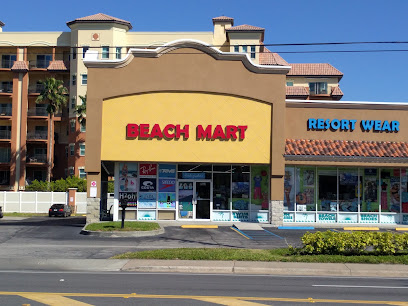
Beach Mart
15.5 km
Discover Beach Mart in St Pete Beach for all your swimwear, sunglasses, and souvenir needs - your perfect beach shopping destination.
Sea Breeze Trading Co.
15.5 km
Explore the colorful and diverse offerings of Sea Breeze Trading Co., the quintessential gift shop in St Pete Beach perfect for all your souvenir needs.
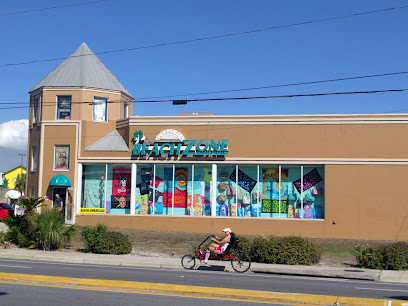
Beach Zone
15.8 km
Discover Beach Zone in St. Pete Beach, FL for stylish swimwear and beach essentials that capture the essence of fun in the sun.
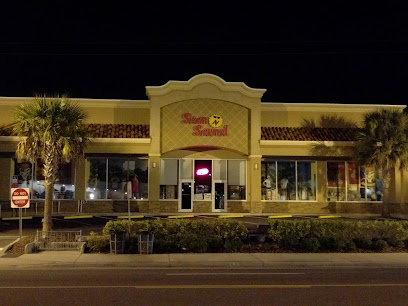
Sun N Sand
16.2 km
Explore Sun N Sand, your ultimate beach entertainment shop in St. Pete Beach, offering everything from surfboards to beach toys for a perfect day at the shore.
Happy Puffer
16.3 km
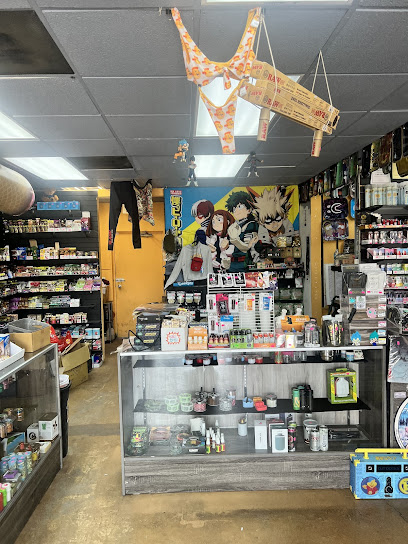
Explore Happy Puffer in St. Pete Beach - your one-stop shop for premium tobacco, hookah, and vaporizer products in a welcoming atmosphere.
Betty
16.3 km
Explore Betty, the charming boutique in St. Pete Beach, offering unique women's clothing and accessories for every occasion.

Best Buddies Boutique
16.4 km
Explore Best Buddies Boutique for unique gifts, stylish finds, and quality pet supplies in the heart of St. Pete Beach, Florida.

Breeza Beachwear
16.6 km
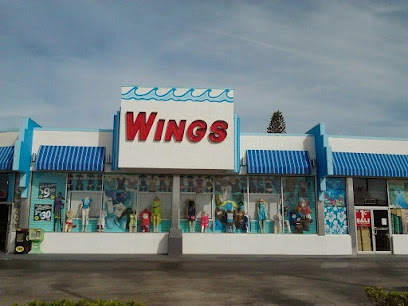
Discover Breeza Beachwear in St. Pete Beach for vibrant swimwear, trendy beach clothing, and unique souvenirs capturing the coastal lifestyle.
Essential bars & hidden hideouts

Shadrack's
11.3 km
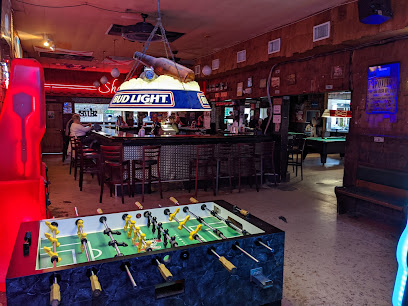
Discover Shadrack's, a vibrant bar and night club in Pass-a-Grille Beach, perfect for cocktails, live music, and a lively atmosphere.
Rowe Bar
13.6 km
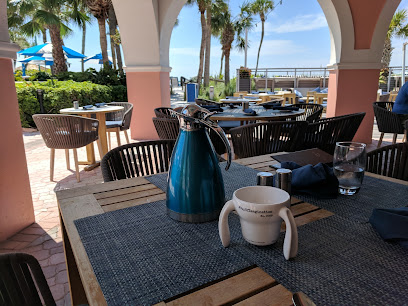
Experience the vibrant atmosphere of Rowe Bar at St Pete Beach, where stunning ocean views meet refreshing drinks and lively entertainment.
360 Rooftop
14.1 km
Experience stunning sunsets and crafted cocktails at 360 Rooftop Lounge in St. Pete Beach, the perfect spot for relaxation and vibrant nightlife.
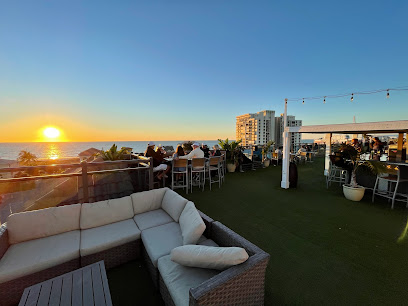
Undertow Beach Bar
14.3 km
Experience the vibrant atmosphere of Undertow Beach Bar, where refreshing cocktails and stunning Gulf views create the perfect beachside escape.
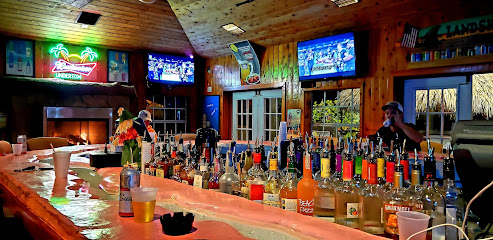
Sandbar Bill's Bar and Grille
14.5 km
Experience beachside bliss at Sandbar Bill's Bar and Grille in St. Pete Beach, a haven for food, drinks, and stunning Gulf views.
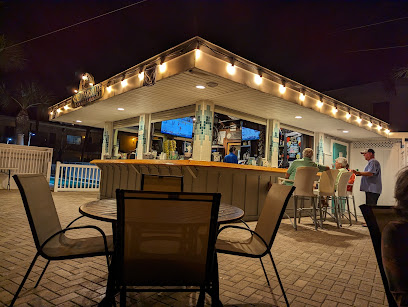
Chris' Beachside Bar
14.7 km
Experience the vibrant atmosphere and delicious offerings of Chris' Beachside Bar, your perfect spot for relaxation and fun at St. Pete Beach.
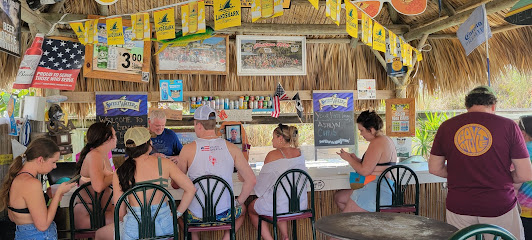
The Drunken Clam
14.8 km
Experience the vibrant atmosphere and mouthwatering American cuisine at The Drunken Clam in St. Pete Beach, where great food meets live entertainment.
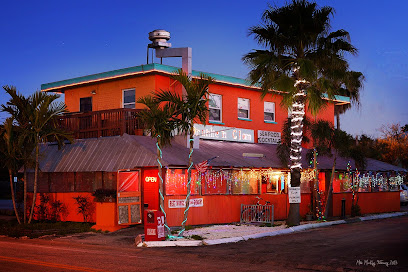
Level 11 Rooftop Bar & Lounge
15.3 km
Discover the stunning Level 11 Rooftop Bar & Lounge in St. Pete Beach, offering breathtaking views, delicious tapas, and crafted cocktails for an unforgettable nightlife experience.
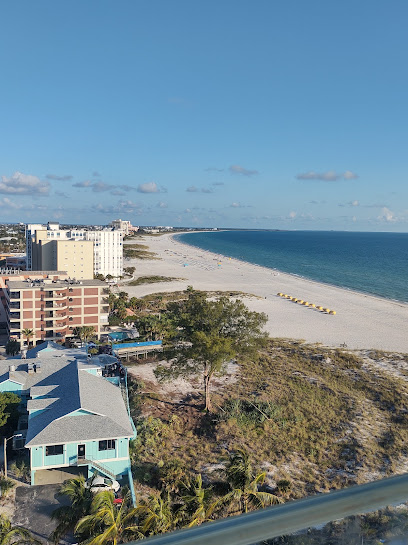
Rum Runners Bar & Grille
15.4 km
Experience the vibrant flavors of American cuisine at Rum Runners Bar & Grille, a tropical getaway in St. Pete Beach, Florida.
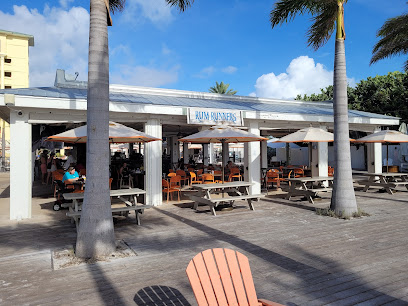
Harry's Beach Bar
15.5 km
Discover Harry's Beach Bar, where live music, delicious American cuisine, and stunning beach views create an unforgettable tropical experience.
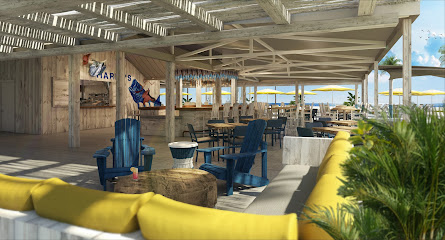
Salty's Tiki Bar and Beach Lounge
15.7 km
Discover the vibrant atmosphere of Salty's Tiki Bar and Beach Lounge, where tropical drinks and stunning beach views await you in St. Pete Beach.
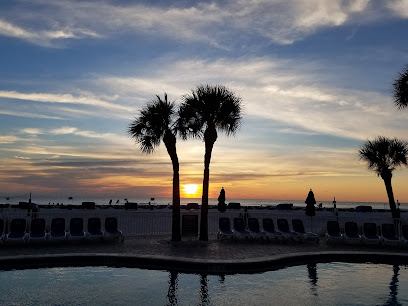
The Cabana Bar
15.9 km
Experience the ultimate beachside relaxation at The Cabana Bar, where tropical cocktails and stunning Gulf views await you in St. Pete Beach.
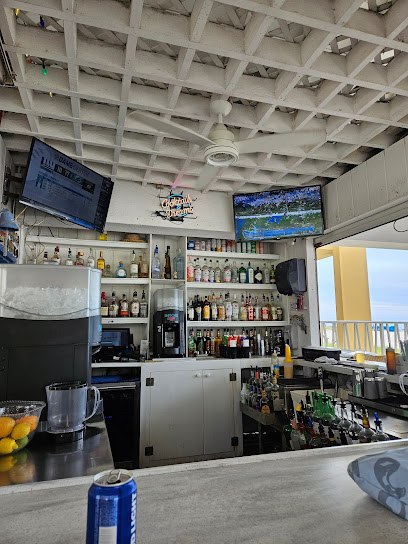
Sandbar Beach Bar
15.9 km
Discover the vibrant atmosphere and stunning views at Sandbar Beach Bar, a perfect getaway for beach lovers and cocktail enthusiasts alike.
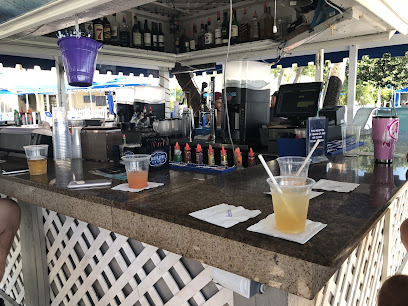
The SandBox Beach Lounge
16.0 km
Experience the tropical charm of The SandBox Beach Lounge, where refreshing cocktails and stunning Gulf views create the perfect beach getaway.
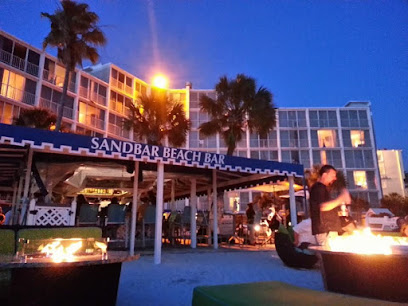
Jimmy B's Beach Bar
16.1 km
Experience the ultimate beachside relaxation at Jimmy B's Beach Bar, where live music and delicious food meet stunning Gulf views.
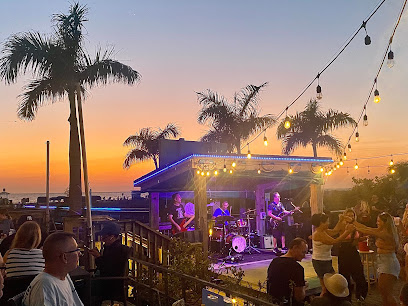
Nightclubs & after hour spots

Mermaids Gentleman's Club
17.1 km
Discover the lively nightlife of Mermaids Gentleman's Club in St. Pete Beach, where entertainment meets an exciting bar scene in a welcoming atmosphere.
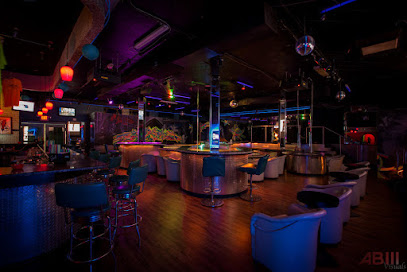
Lana's Place
20.0 km
Discover the vibrant cocktail culture at Lana's Place in Treasure Island, Florida, where delightful drinks and a welcoming atmosphere await every visitor.
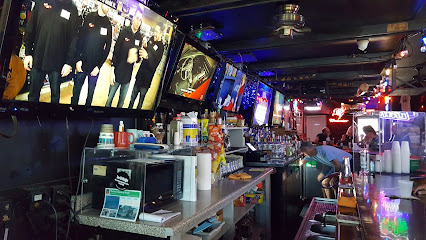
Reggie's Lounge
22.4 km
Discover the vibrant nightlife at Reggie's Lounge, a premier night club in St. Petersburg, Florida, known for its electrifying atmosphere and live entertainment.
L8 Night Flights
23.0 km
Discover the vibrant nightlife at L8 Night Flights, the ultimate event venue in St. Petersburg, Florida, perfect for unforgettable nights out.

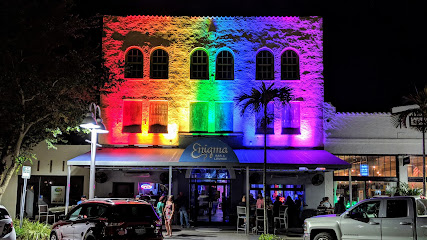
Enigma
23.1 km
Discover Enigma: St. Petersburg's vibrant gay bar and dance club, offering lively music, delicious cocktails, and an inclusive atmosphere for all.
The Estate
23.9 km
Experience the heart of St. Petersburg's nightlife at The Estate, a premier venue for unforgettable events and vibrant dancing.

El Cante
23.9 km
Experience the vibrant nightlife at El Cante, a premier night club in St. Petersburg's Waterfront Arts District with electrifying music and a lively atmosphere.

The One Night Stand
23.9 km
Experience the vibrant nightlife at The One Night Stand in St. Petersburg, Florida, offering handcrafted cocktails, live music, and a welcoming atmosphere.

First Night St Petersburg
24.1 km
Experience the vibrant celebration of art and community at First Night St. Petersburg, a unique New Year's Eve event in the heart of downtown.

Turbo Lounge
25.5 km
Dive into the vibrant nightlife at Turbo Lounge, St. Petersburg's premier night club with electrifying music and an energetic crowd.
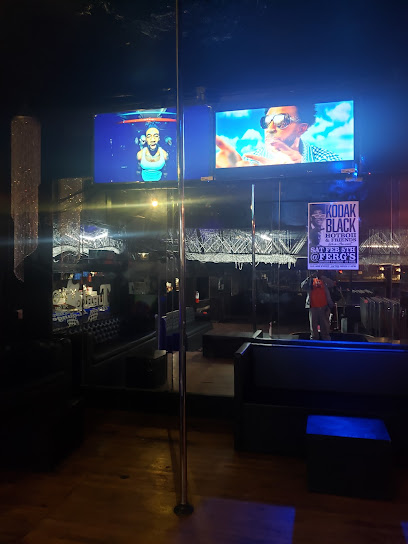
4 Play After Dark
33.4 km
Discover the vibrant nightlife of St. Petersburg at 4 Play After Dark – a thrilling night club and event venue for unforgettable experiences.

Cheetah Lounge
33.5 km
Dive into Sarasota's nightlife at Cheetah Lounge, where entertainment meets elegance in a vibrant adult club setting.

TNA Gentlemen’s Club & Fine Dining
33.7 km
Discover TNA Gentlemen’s Club & Fine Dining: where exquisite dining meets dynamic adult entertainment in the heart of St. Petersburg.
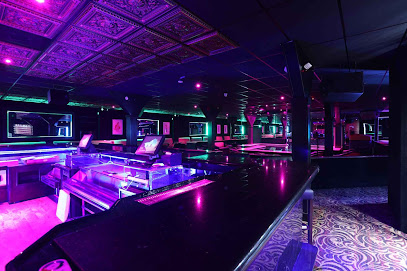
Joyland Live Music Venue
33.8 km
Discover Joyland Live Music Venue, Sarasota's lively hub for live music, dancing, and delicious food in an unforgettable atmosphere.

Amorama Latin Night Club
34.3 km
Dive into the vibrant nightlife at Amorama Latin Night Club, where Latin rhythms and live music create unforgettable memories in Clearwater, Florida.