
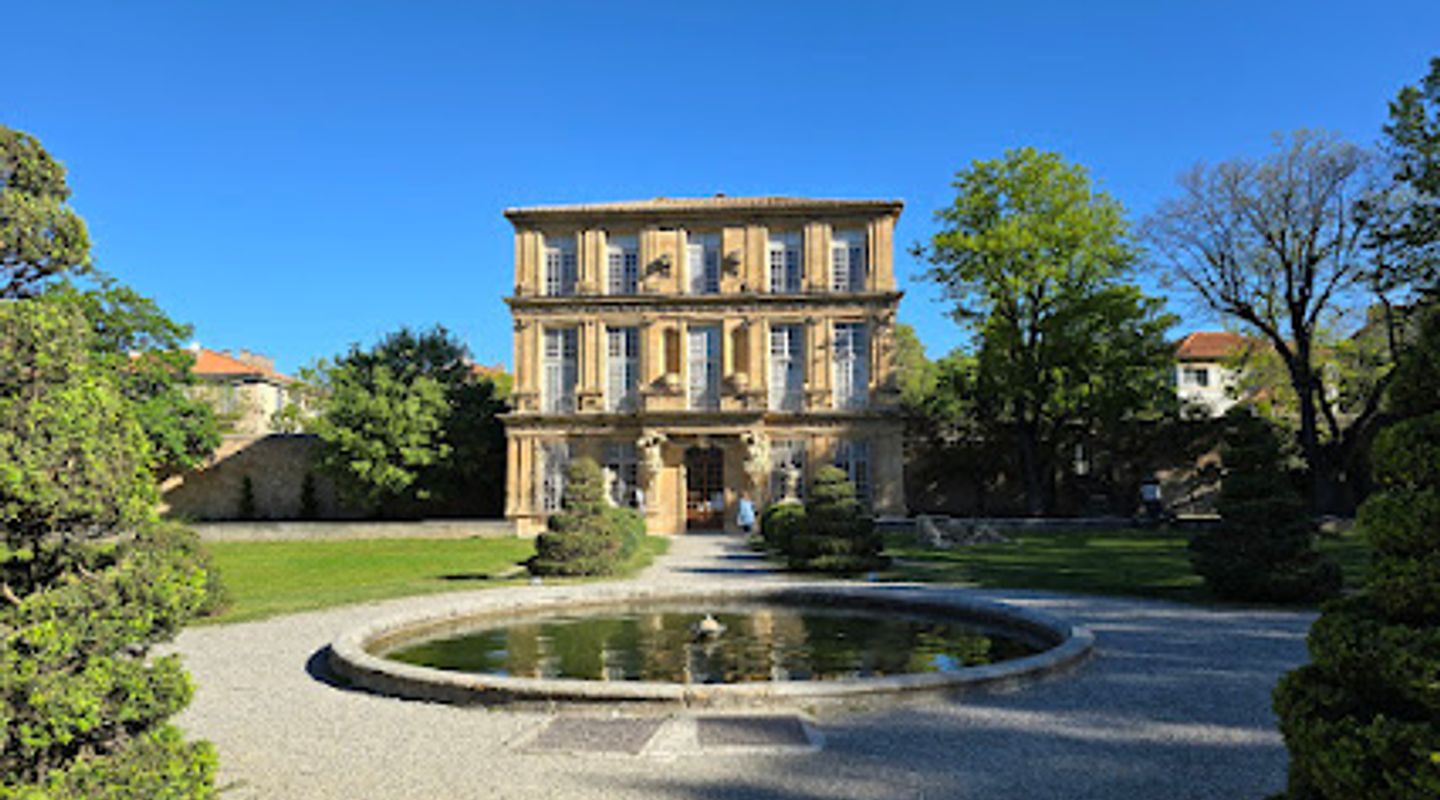
Pavillon Vendôme, Aix En Provence Travel Guide
Discover the Pavillon Vendôme in Aix-en-Provence: a 17th-century architectural gem with exquisite gardens and contemporary art exhibitions.
The Pavillon Vendôme is a 17th-century 'folie' (pleasure pavilion) built by the Duke of Vendôme for his lover. Today, it is a museum showcasing art exhibitions within an elegant French garden setting in Aix-en-Provence.
A brief summary to Pavillon Vendôme
- 13 Rue de la Molle, Aix-en-Provence, 13100, FR
- Click to display
- Click to display
- Monday 10 am-12:30 pm
- Wednesday 10 am-12:30 pm
- Thursday 10 am-12:30 pm
- Friday 10 am-12:30 pm
- Saturday 10 am-12:30 pm
- Sunday 10 am-12:30 pm

Know before you go
Hi, I'm Eve. Here are a few practical things to know before exploring Pavillon Vendôme.
- Visit on the first Sunday of the month for free admission to the museum.
- Explore the French garden surrounding the Pavillon, listed as a historic monument since 1953.
- Check the museum's schedule for temporary art exhibitions, which often showcase contemporary works.
Do you manage this location?
Take control to get all the benefits, like improved information, better appearance, and stronger visibility across AI-powered discovery. Learn more about listing your business on Evendo
Activate your presenceOther nearby places you may find interesting
The closest places of the same kind, if this one is not quite what you had in mind.




Explore Pavillon Vendôme on the Map
A handpicked selection of must-see spots near Pavillon Vendôme, mapped for you.
Unlock the Best of Pavillon Vendôme
Buy tickets
-
No tickets available
Book tours with entry


Getting There
-
Walking
From the Cours Mirabeau, a central point in Aix-en-Provence, walk north along the Rue Clemenceau. Turn left onto Rue de la Molle. The Pavillon Vendôme will be on your left. The walk is approximately 15 minutes. No costs are involved.
-
Public Transport
From the Gare Routière (bus station), take any bus that stops near the 'Arts et Métiers' stop. From there, walk along Rue de la Molle for about 5 minutes. The Pavillon Vendôme will be on your right. A single bus ticket costs €1.10.
-
Taxi/Ride-share
Taxis and ride-sharing services are readily available in Aix-en-Provence. A short trip from the city center to the Pavillon Vendôme will typically cost between €8 and €12, depending on traffic and the specific service used.
Discover more about Pavillon Vendôme













Your all‑in‑one travel companion app
Explore expert travel guides, compare and book tours, experiences, hotels, and more—all from the palm of your hand. Download now for seamless trip planning wherever your wanderlust takes you.


Explore More of Aix En Provence
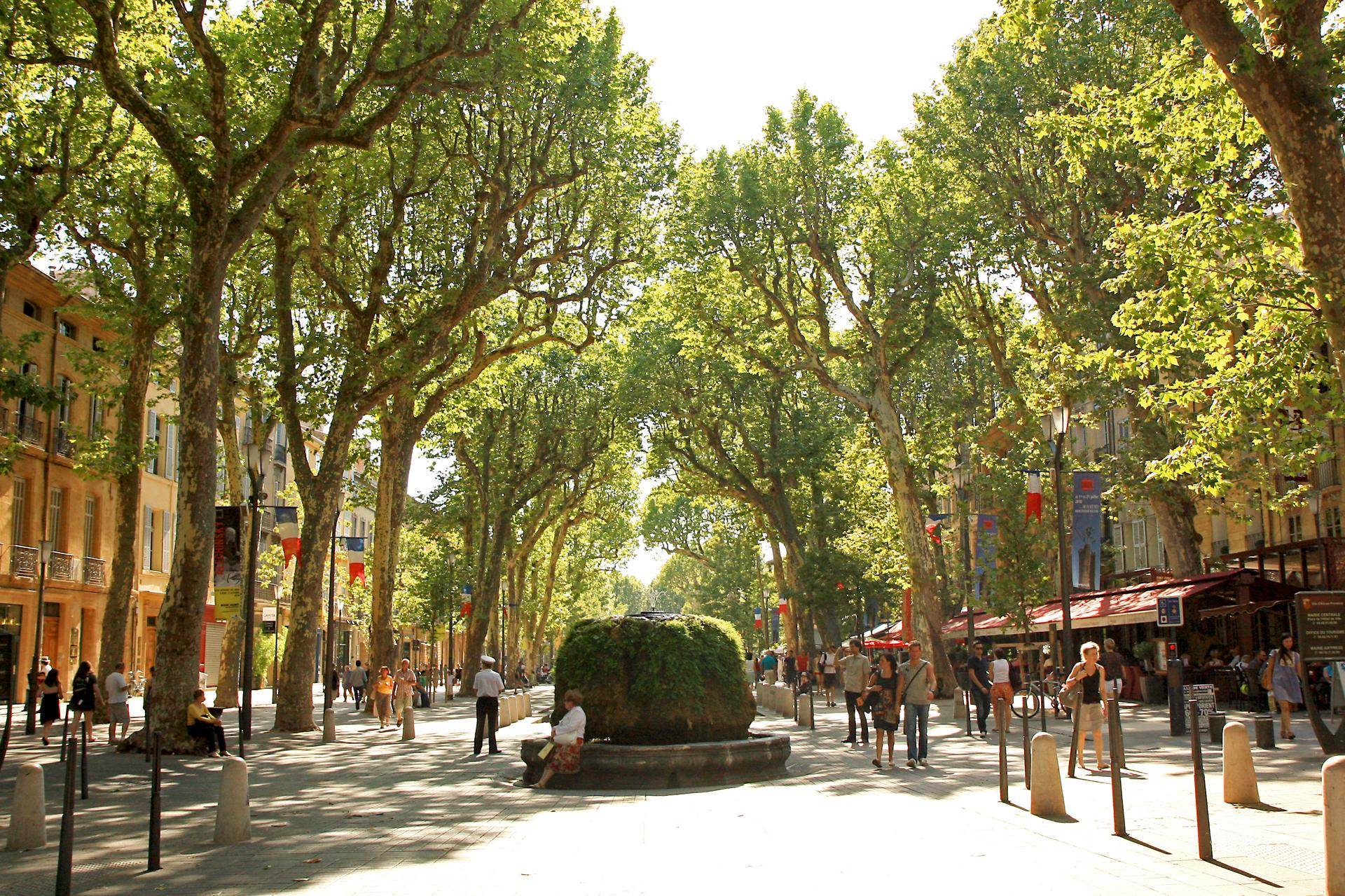
Looking beyond Pavillon Vendôme? Discover Aix En Provence for broader travel guides, local hot-spots, and regional highlights.
Explore Aix En Provence
Discover the Fontaine de Palais du Justice in Aix-en-Provence, a historic fountain offering beauty and a glimpse into the city's vibrant culture.
Explore Tourreluque, a medieval tower in Aix-en-Provence, offering a glimpse into the city's fortified past and panoramic views.
