

Free Franche-Comté Travel Guide & Mobile App
Explore Franche-Comté with free travel guides. Discover regional history, expert tips, proposed trips, and audio guides on web or mobile app.


Explore Franche-Comté for Vauban fortresses, Jura vineyards, forested mountains, distinctive cheeses and historic towns near the Swiss border.
Read more about Franche-Comté
When is the best time to visit Franche-Comté?
Best: June–August · 22–24°C| Month | High (°C) | Rainfall (mm) |
|---|---|---|
| January | 4 | 80 |
| February | 6 | 70 |
| March | 10 | 70 |
| April | 15 | 85 |
| May | 19 | 95 |
| June (best) | 22 | 90 |
| July (best) | 24 | 80 |
| August (best) | 24 | 85 |
| September | 20 | 80 |
| October | 15 | 85 |
| November | 9 | 100 |
| December | 5 | 95 |
Getting to and around Franche-Comté
How to get there
Transportation
Top city travel guides in Franche-Comté
The cities of Franche-Comté, and the easiest places to base yourself.
-

-


Swipe for more cities
Destinations in Franche-Comté
Resorts, valleys and scenic spots worth a trip of their own.
-

-


Swipe for more destinations
Best attractions in Franche-Comté
Franche-Comté’s attractions range from major fortifications to geological landscapes and working food traditions. Besançon’s Citadel combines military architecture with museums, zoological displays and views over the Doubs, while the old city provides a substantial historic setting around it. In the Jura, the Royal Saltworks at Arc-et-Senans and the saline heritage of Salins-les-Bains explain how natural resources shaped regional industry. Arbois, Château-Chalon and the Revermont villages offer wine cellars, vineyard walks and associations with Louis Pasteur. Limestone reculées, waterfalls, forest paths and lakes provide the basis for walking, cycling, canoeing and winter activities, especially in the Haut-Jura. The Chapel of Notre-Dame du Haut at Ronchamp brings internationally important modern architecture into the Haute-Saône landscape, and Belfort’s military heritage gives the southern part of the region a different emphasis. Smaller museums, farm dairies, watchmaking collections and historic houses reward visitors who travel beyond the principal towns.
-
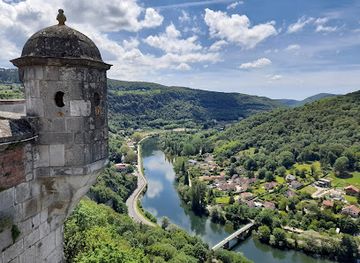
Besançon Citadel
Discover the UNESCO World Heritage-listed Besançon Citadel, a historical fortress with breathtaking views, museums, and a zoo, perfect for all ages.
-
Tourist attraction
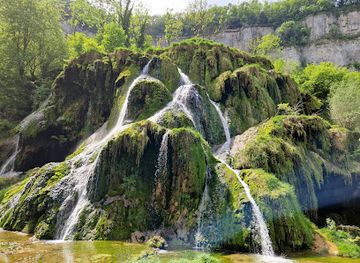
Cascade des tufs
Experience the breathtaking beauty of Cascade des Tufs, a tranquil escape nestled in Baume-les-Messieurs, perfect for hiking and nature lovers.
-
Tourist attraction
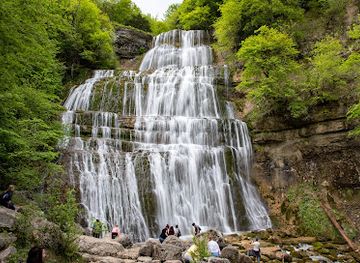
The Hérisson waterfalls
Experience the breathtaking beauty of the Hérisson Waterfalls, where cascading waters and scenic trails create an unforgettable nature escape in the Jura mountains.
-
Tourist attraction
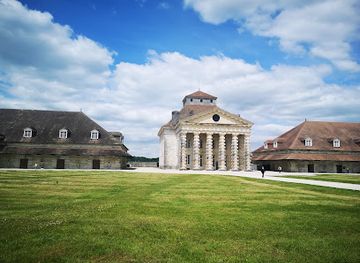
Saline Royale d'Arc-et-Senans
Explore the architectural beauty and historical significance of Saline Royale d'Arc-et-Senans, a UNESCO World Heritage site in France.
Best landmarks in Franche-Comté
The most recognisable landmark in Franche-Comté is the Citadel of Besançon, whose walls follow the summit above the Doubs and demonstrate Vauban’s sophisticated approach to frontier defence. Belfort’s Lion, carved by Frédéric Auguste Bartholdi at the foot of the city’s citadel, commemorates the resistance of the garrison during the Franco-Prussian War and has become a civic symbol. The Royal Saltworks at Arc-et-Senans is equally distinctive, with its ordered eighteenth-century buildings expressing an industrial vision based on salt production. In the Jura, the dramatic reculée of Baume-les-Messieurs forms a natural landmark of cliffs, woodland and a village set within the valley, while the elevated village of Château-Chalon is closely associated with the surrounding vineyards. Ronchamp’s Chapel of Notre-Dame du Haut, with its sculptural roof and irregular walls, is one of the region’s most significant modern buildings. Montbéliard Castle adds a different architectural note through its long connection with Württemberg rulers.
-
Cultural landmark
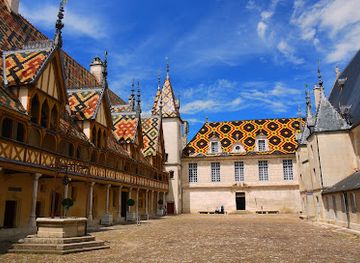
Hôtel-Dieu Museum - Hospices de Beaune
Discover the Hôtel-Dieu Museum in Beaune: a stunning medieval hospital with iconic glazed tile roofs and rich history of Burgundian art and medicine.
-
Tourist attraction
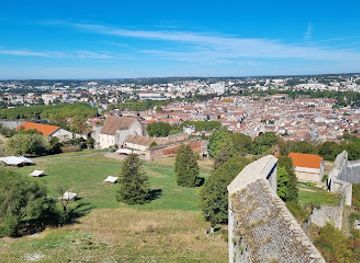
Besançon Citadel
Discover the awe-inspiring Besançon Citadel, a UNESCO World Heritage site filled with history, museums, and stunning views of the Doubs River.
-
Tourist attraction
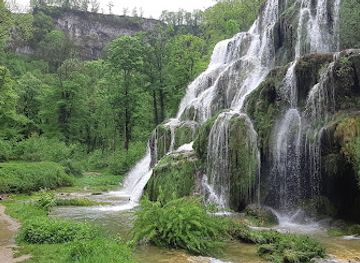
Cascade des tufs
Discover the enchanting Cascade des Tufs in Jura: a natural masterpiece sculpted by water and time, offering year-round beauty and accessible trails.
-
Tourist attraction
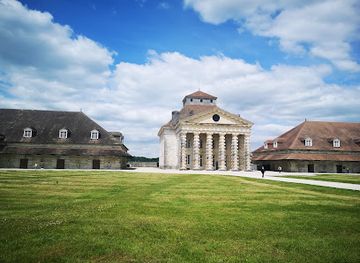
Saline Royale d'Arc-et-Senans
Explore a UNESCO World Heritage Site: a masterpiece of industrial architecture and a center for culture and history in Arc-et-Senans, France.
Explore Franche-Comté on the map
Plan your trip on one map. See where the top cities, national parks and sights are, and book hotels and experiences in a few clicks.
Best hotels in Franche-Comté
Best restaurants in Franche-Comté
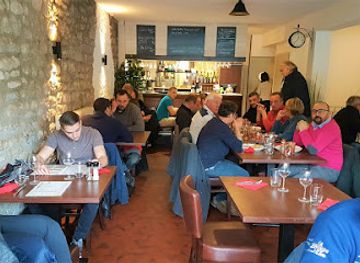
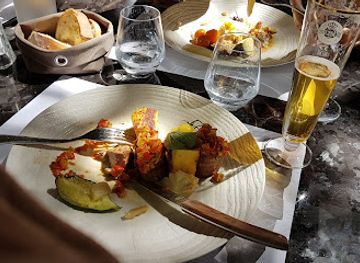
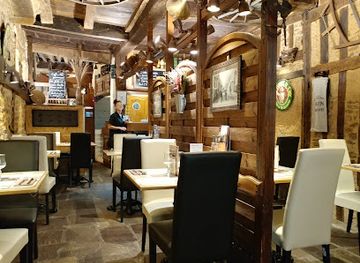
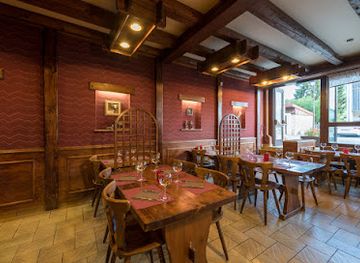
Regional food is closely connected to the Jura’s pastures, forests and smoked-meat traditions. Comté is the defining cheese, available in different ages and often served with bread, potatoes or regional cooking; Morbier and seasonal Mont d’Or offer other distinctive styles. Saucisse de Morteau and other Franche-Comté smoked meats are common in traditional cuisine, while trout from the Jura waterways and forest products appear on some local menus. The vineyards around Arbois and Château-Chalon produce distinctive wines, including vin jaune and vin de paille, alongside more conventional Jura whites and reds. Town restaurants, village auberges, cafés and rural inns range from hearty regional cooking to contemporary interpretations. Markets and fruitières are particularly useful for buying cheese, cured meats and local specialities, while patisseries and bakeries provide an everyday taste of French food culture rather than a separate regional restaurant tradition.
-
Restaurant
La Clocherade
Experience authentic French cuisine at La Clocherade in Besançon – renowned for its exquisite fondue dishes and warm hospitality.
-
Restaurant
Le 1802
Discover the exquisite flavors of France at Le 1802, Besançon's premier restaurant offering a blend of tradition and modern cuisine.
-
Restaurant
Les Tables d'antan
Experience authentic French cuisine at Les Tables d'antan in Besançon – where tradition meets culinary excellence.
-
French
La Taverne Comtoise MÉTABIEF
Experience authentic French cuisine at La Taverne Comtoise in Métabief, where local flavors meet charming ambiance.
Best bars in Franche-Comté
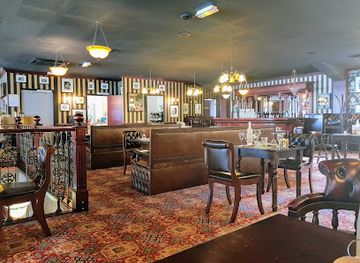
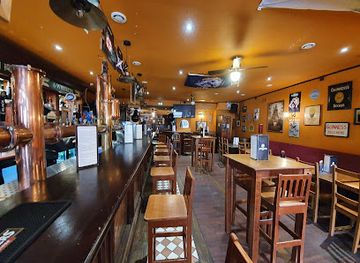
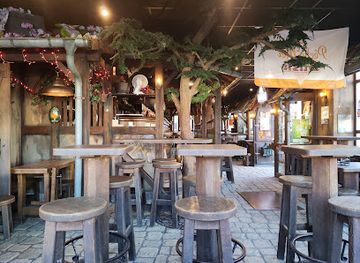
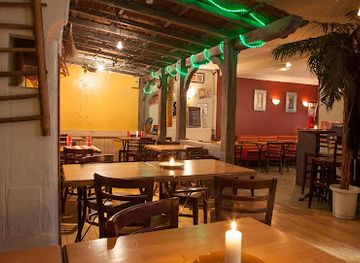
Evening life in Franche-Comté is concentrated in Besançon, Belfort, Montbéliard and the larger Jura towns rather than spread evenly across the countryside. Besançon has the broadest choice of wine bars, cafés, student-oriented venues, live music and late-night establishments, while Belfort and Montbéliard combine bars with cultural programming and occasional live performances. In smaller towns, the traditional café or brasserie remains more important than a dedicated club, and village evenings often centre on restaurants, hotel bars or seasonal events. Jura wine bars and tasting rooms provide an alternative to nightlife based around beer or spirits, particularly in Arbois. Opening arrangements vary considerably in rural areas, so visitors should not expect late services after a day in the mountains and should arrange transport before drinking.
-
Restaurant
Callahan Pub & Brasserie
Discover the vibrant atmosphere and exquisite French cuisine at Callahan Pub & Brasserie, your perfect stop in Besançon.
-
Irish pub
Madigan's
Discover the vibrant atmosphere of Madigan's Irish Pub in Besançon, offering hearty dishes, a wide drink selection, and live entertainment.
-
Bar
The coffee Brass'éliande
Experience the cozy atmosphere and delightful beverages at Brass'éliande, Besançon's favorite coffee and cocktail bar.
-
Bar
Iguane Café
Experience the vibrant nightlife of Besançon at Iguane Café, where locals and tourists gather for drinks and good times.
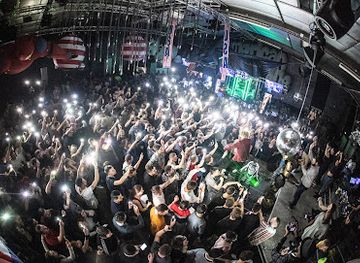
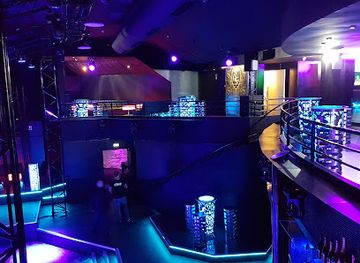
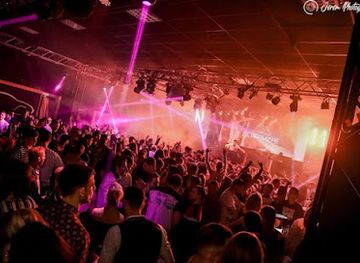
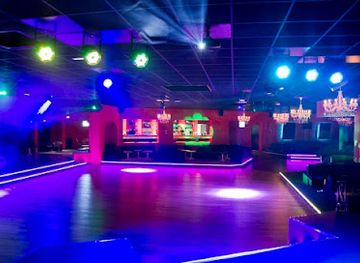
Best nightclubs in Franche-Comté
Evening life in Franche-Comté is concentrated in Besançon, Belfort, Montbéliard and the larger Jura towns rather than spread evenly across the countryside. Besançon has the broadest choice of wine bars, cafés, student-oriented venues, live music and late-night establishments, while Belfort and Montbéliard combine bars with cultural programming and occasional live performances. In smaller towns, the traditional café or brasserie remains more important than a dedicated club, and village evenings often centre on restaurants, hotel bars or seasonal events. Jura wine bars and tasting rooms provide an alternative to nightlife based around beer or spirits, particularly in Arbois. Opening arrangements vary considerably in rural areas, so visitors should not expect late services after a day in the mountains and should arrange transport before drinking.
-
Night club
Le Teasing Club - Besancon
Dive into Besançon's nightlife at Le Teasing Club, a vibrant hub for dance and music lovers. Enjoy unforgettable nights filled with energy and excitement.
-
Disco club
Le QG Club
Dive into Besançon's nightlife at Le QG Club, where electrifying music and vibrant dance floor await you. A must-visit for party lovers!
-
Disco club
La Première - Pontarlier
Discover the vibrant nightlife at La Première in Pontarlier, where pulsating beats and energetic crowds create an unforgettable disco experience.
-
Night club
Bellagio Club Dole
Discover the vibrant nightlife at Bellagio Club Dole, where exceptional drinks and music create unforgettable evenings in the heart of Dole, France.
Best shops in Franche-Comté
Shopping in Franche-Comté is strongest in historic town centres, market towns and specialist food-producing villages rather than in large luxury districts. Besançon offers the widest range of independent shops, bookshops, galleries and everyday retail, while Dole, Arbois, Lons-le-Saunier, Belfort and Montbéliard provide smaller high-street selections in historic settings. Visitors commonly take home Comté, Morbier, seasonal Mont d’Or, saucisse de Morteau and Jura wines, although travel and customs rules should be considered for perishable goods. Fruitères and producers are useful for buying cheese directly, and wine estates around Arbois and Château-Chalon sell bottles suited to transport. Craft shops and galleries may feature ceramics, woodwork, textiles and regional food gifts, while markets offer a more local atmosphere than permanent souvenir outlets. Rural opening patterns can be limited, particularly outside market days and the main tourist season.
-
Shopping mall
La Toison d'or
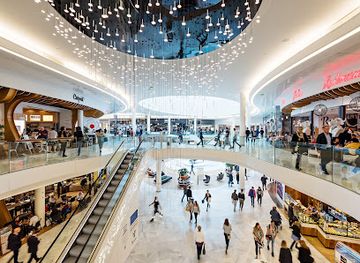
Discover La Toison d'Or, Dijon's premier shopping mall offering a delightful mix of luxury boutiques, popular brands, and gourmet dining options.
-
Shopping mall
La Galerie Chateaufarine
Discover the ultimate shopping experience at La Galerie Chateaufarine, Besançon's premier shopping destination, offering boutiques, dining, and entertainment.
-
Gift shop
Cultura Besançon
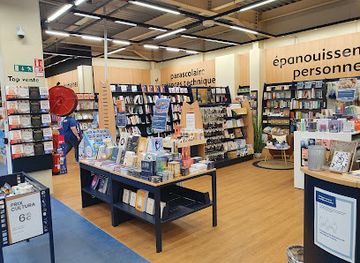
Explore Cultura Besançon, a vibrant gift shop offering unique crafts, books, and local artistry for tourists seeking memorable souvenirs.
-
Shopping mall
Les Passages Pasteur
Explore the vibrant Les Passages Pasteur shopping mall in Besançon, featuring a diverse array of shops, eateries, and entertainment options.

Get your free copy of our complete guide to Franche-Comté, delivered straight to you.
Everything on this page, from attractions and restaurants to essentials and local phrases, in one PDF you can read offline, print or share.
Already have an account? Sign in
Your Franche-Comté guide is ready.
We'll send it to · Not you? Sign out

Getting your guide ready…
We are putting together a fresh copy of the Franche-Comté guide. This can take up to a minute.
This can take a few moments. If your browser asks, choose Allow so the download can start. You'll find the guide in your Downloads folder.
Nothing happened? Download it again
Sorry, the guide is taking longer than usual. Please try again in a minute, or get it by email instead.
Franche-Comté essentials
Currency and Payment
Safety
Emergency Situations
Do's and Don'ts
Local Tips
From Eve
Local phrases worth knowing
You don't need to get them perfect. A few words go a long way, and locals appreciate the effort.
Basics
| English | Local | Say it |
|---|---|---|
| Hello | Salut | [sa-lü] |
| Goodbye | Au revoir | [o ruh-vwahr] |
| Yes | Oui | [wee] |
| No | Non | [nohn] |
| Please/You're welcome | S'il vous plaît | [seel voo pleh] |
| Thank you | Merci | [mehr-see] |
| Excuse me/Sorry | Excusez-moi | [ehk-skew-zay mwah] |
| How are you? | Comment ça va? | [koh-mohn sah vah] |
| Fine. And you? | Bien. Et vous? | [byan. eh voo] |
| Do you speak English? | Parlez-vous anglais? | [par-lay voo ahn-glay] |
| I don't understand | Je ne comprends pas | [zhuh nuh kom-prahn pah] |
Eating & Drinking
| English | Local | Say it |
|---|---|---|
| I'd like to see the menu, please | Je voudrais voir le menu, s'il vous plaît | [zhuh voo-dray vwar luh meh-nu, seel voo pleh] |
| I don't eat meat | Je ne mange pas de viande | [zhuh nuh mahnj pah duh vyahnd] |
| Cheers! | Santé! | [sahn-tay] |
| I would like to pay, please | Je voudrais payer, s'il vous plaît | [zhuh voo-dray pay-ay, seel voo pleh] |
Emergencies
| English | Local | Say it |
|---|---|---|
| Help! | Au secours! | [o se-kur] |
| Go away! | Allez-vous-en! | [ah-lay voo zahn] |
| Call the Police! | Appelez la police! | [ah-peh-lay lah poh-lees] |
| Call a doctor! | Appelez un médecin! | [ah-peh-lay uhn meh-deh-sahn] |
| I'm lost | Je suis perdu | [zhuh swee pair-dü] |
| I'm ill | Je suis malade | [zhuh swee mah-lahd] |
Shopping
| English | Local | Say it |
|---|---|---|
| I'd like to buy... | Je voudrais acheter... | [zhuh voo-dray ah-sheh-tay] |
| I'm just looking | Je regarde juste | [zhuh ruh-gard zhoost] |
| How much is it? | C'est combien? | [seh kohm-byen] |
| That's too expensive | C'est trop cher | [seh troh shair] |
| Can you lower the price? | Pouvez-vous baisser le prix? | [poo-vay voo beh-say luh pree] |
Time & Numbers
| English | Local | Say it |
|---|---|---|
| What time is it? | Quelle heure est-il? | [kel uhr eh-teel] |
| It's one o'clock | Il est une heure | [eel eh tun uhr] |
| Half past (10) | Dix heures et demie | [deez uhr eh duh-mee] |
| Morning | Matin | [mah-tahn] |
| Afternoon | Après-midi | [ah-preh mee-dee] |
| Evening | Soir | [swahr] |
| Yesterday | Hier | [ee-ehr] |
| Today | Aujourd'hui | [oh-zhoor dwee] |
| Tomorrow | Demain | [duh-mahn] |
| 1 | Un | [uhn] |
| 2 | Deux | [duhr] |
| 3 | Trois | [trwah] |
| 4 | Quatre | [katr] |
| 5 | Cinq | [sank] |
| 6 | Six | [sees] |
| 7 | Sept | [set] |
| 8 | Huit | [weet] |
| 9 | Neuf | [nuhf] |
| 10 | Dix | [deez] |
Transport & Directions
| English | Local | Say it |
|---|---|---|
| Where's a/the...? | Où est un/une...? | [oo eh uhn/oon] |
| What's the address? | Quelle est l'adresse? | [kel eh l'a-dress] |
| Can you show me (on the map)? | Pouvez-vous me montrer (sur la carte)? | [poo-vay voo muh mohn-tray (sur lah kart)] |
| When's the next (bus)? | Quand est le prochain (bus)? | [kahn eh luh pro-shan (boos)] |
| A ticket (to ....) | Un billet (pour ....) | [uhn bee-yay (poor ....)] |
History of Franche-Comté
Prehistoric and Gallo-Roman Franche-Comté
The region has a long archaeological record, including prehistoric occupation around the Jura lakes and caves, while the Sequani were an important Iron Age people in the eastern part of Gaul. Roman influence is visible in the development of Vesontio, the ancient settlement on the site of Besançon, which occupied a strategic loop of the Doubs. Roman roads, rural settlements and agricultural organisation connected the area to wider networks, although the mountainous Jura remained more sparsely settled than the river valleys and lowlands.
Burgundian and Medieval County Rule
During the Middle Ages, Franche-Comté developed as the County of Burgundy, distinct from the Duchy of Burgundy to the west. Dole served as an important political and administrative centre, while powerful religious foundations and seigneurial families shaped settlements, agriculture and trade. Hilltop castles, fortified towns and monasteries reflect the region’s position between the Rhône corridor, the Saône basin and Alpine routes. The county passed through several dynastic connections before becoming associated with the Habsburgs and the wider Burgundian Netherlands.
Habsburg Franche-Comté and Frontier Conflict
From the late fifteenth century, Franche-Comté was increasingly tied to the Habsburg dynastic world, and its strategic position made it a contested frontier. The province experienced warfare during the conflicts between the French monarchy and Habsburg Spain, including the French conquest of 1674 under Louis XIV. The eventual Treaty of Nijmegen in 1678 confirmed the annexation of Franche-Comté to France. This transition altered political loyalties and administration while leaving the region’s distinctive architecture, privileges and cross-border connections visible.
Vauban’s Fortifications
After annexation, France invested heavily in the defence of its eastern frontier. Sébastien Le Prestre de Vauban transformed Besançon’s natural stronghold with the Citadel, designed walls and associated defensive works, while Belfort and other strategic sites were strengthened. These fortifications were not isolated monuments: they formed part of a national system intended to control routes through the Jura and protect approaches from the east. Besançon’s citadel remains the clearest expression of this military landscape and is recognised within the UNESCO group of Vauban fortifications.
Salt, Iron and Rural Industry
Salt production was central to the economy of eastern France, and the saline springs at Salins-les-Bains supported an industry that operated for centuries. The Royal Saltworks at Arc-et-Senans, built in the eighteenth century, represents an ambitious attempt to organise production, workers and administration according to Enlightenment planning principles. Beyond salt, ironworking, forestry, glassmaking and small-scale manufacturing developed in different parts of Franche-Comté. These industries helped connect rural communities to regional markets and laid foundations for later mechanised production.
Revolution, Industry and the Rise of Watchmaking
The French Revolution replaced the old provincial order with new departments, yet local economic and cultural links endured. In the nineteenth century, industrialisation expanded around the Belfort and Montbéliard area, where engineering, metalworking and later vehicle production became important. Along the Jura frontier, watchmaking grew through networks shared with neighbouring Switzerland; towns such as Besançon developed expertise in precision timekeeping and mechanical production. The region’s modern identity therefore combines agricultural traditions with technical industries that remain important to its heritage.
Twentieth-Century Architecture and Cultural Heritage
Modern Franche-Comté continued to express itself through both industry and architecture. The Chapel of Notre-Dame du Haut at Ronchamp, created by Le Corbusier in the 1950s, introduced an internationally influential modernist building to the Haute-Saône countryside. Besançon’s watchmaking and scientific institutions, the industrial history of Belfort and Montbéliard, and the preservation of Jura wine and dairy traditions all show how the region has adapted without losing its historical distinctiveness. Today, forts, saltworks, vineyards, museums and working farms form a connected cultural landscape.
Franche-Comté in Photos
Browse through our photo collection highlighting the charm and character of the destination.
Neighbouring regions of Franche-Comté
The closest regions to Franche-Comté, if you have time for more than one.
-

-

-

-

-


Swipe for more regions
Explore more

Explore more of France
Explore France: A land of romance, history, and unparalleled beauty, from the iconic streets of Paris to the serene landscapes of Provence and the luxury of the French Riviera.
Explore France