Background

Camargue: A Wild and Untamed Paradise

Discover the Camargue: A wild and beautiful region in southern France, home to flamingos, white horses, and unique traditions, offering an unforgettable escape into nature.

The Camargue, a sprawling natural region in southern France, is a land of untamed beauty and unique traditions. Situated where the Rhône River meets the Mediterranean Sea, this vast delta is a haven for diverse wildlife, including flamingos, Camargue horses, and bulls. Explore the salt marshes, lagoons, and reed beds that define this remarkable landscape. Immerse yourself in the local culture, shaped by the 'gardians' (cowboys) who tend to the region's iconic animals. Whether you're birdwatching, horseback riding, or simply soaking in the scenery, the Camargue offers an unforgettable escape into a world where nature reigns supreme. Discover the charm of Saintes-Maries-de-la-Mer, a coastal town steeped in Gypsy traditions, or explore the medieval fortress of Aigues-Mortes, a testament to the region's rich history. The Camargue promises an authentic and captivating experience for every traveler.

A brief summary to Camargue

  • FR

Local tips

  • Visit during the shoulder seasons (spring or fall) for pleasant weather and fewer crowds, ideal for birdwatching and outdoor activities.
  • Rent a car to explore the Camargue's vast landscapes at your own pace, as public transportation is limited in certain areas.
  • Pack insect repellent, especially during the summer months, to protect yourself from mosquitoes in the marshy areas.
  • Attend a Camargue bullfight (course camarguaise) for a taste of local tradition, a non-lethal sport showcasing the agility of the bulls and participants.
  • Try the local cuisine, including gardianne de taureau (bull stew) and fresh seafood, at restaurants in Saintes-Maries-de-la-Mer or Aigues-Mortes.
widget icon

Getting There

  • Driving

    From Arles, a common starting point for exploring the Camargue, take the D570 south towards Saintes-Maries-de-la-Mer. This is the main route through the Grande Camargue. The drive itself offers stunning views of the landscape. Be aware that during peak season, traffic can be heavy. Parking is available in Saintes-Maries-de-la-Mer, but it can fill up quickly. Consider parking outside the town center and walking in. Parking fees in Saintes-Maries-de-la-Mer range from €2 to €4 per hour, with daily rates around €15-€20.

  • Public Transport

    From Arles, take bus line A20 operated by liO to Saintes-Maries-de-la-Mer. The journey takes approximately 45 minutes. Check the latest schedules online as they may vary depending on the season. A single ticket costs around €3. The bus drops you off in the center of Saintes-Maries-de-la-Mer, making it easy to explore the town and access the beaches. From Nimes, bus line C32 will take you to Aigues-Mortes in approximately 45 minutes, single ticket costs around €3.

  • Taxi/Ride-Share

    Taxis and ride-sharing services are available in Arles and Nimes, but they can be expensive for traveling to and around the Camargue due to the distances involved. A taxi from Arles to Saintes-Maries-de-la-Mer could cost between €60 and €80. Ride-sharing options may be limited. Consider pre-booking a taxi or ride-share service, especially during peak season.

Unlock the Best of Camargue

Buy tickets

    No tickets available

Book tours with entry

    No tours available

Book tours without entry

    No tours available

Discover more about Camargue

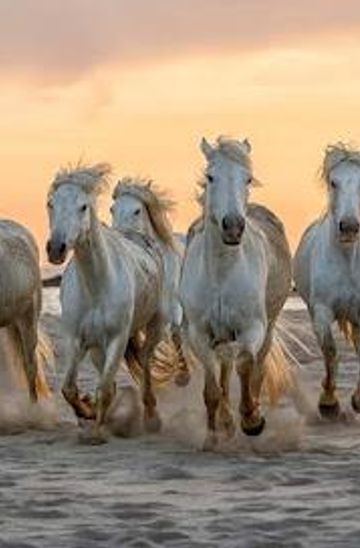
The Camargue, a natural region located south of Arles in France, is a captivating landscape of sprawling wetlands, salt flats, and unique wildlife. This delta, where the Rhône River meets the Mediterranean Sea, is a haven for nature lovers and those seeking an escape from the ordinary. Covering over 930 square kilometers, the Camargue is one of Western Europe's largest river deltas. Its landscape is characterized by vast plains, saltwater lagoons ('étangs'), sandbars, and reed-covered marshes. This unique environment supports an extraordinary array of flora and fauna, making it a crucial stopover for migrating birds and a home to iconic species. The Camargue is perhaps best known for its pink flamingos. These elegant birds thrive in the saltwater lagoons, their vibrant color a striking contrast to the surrounding landscape. The Parc Ornithologique de Pont de Gau, near Saintes-Maries-de-la-Mer, offers excellent opportunities for viewing flamingos and other bird species in their natural habitat. Over 400 species of birds have been identified in the Camargue, making it a paradise for birdwatchers. Another symbol of the Camargue is the Camargue horse, a breed known for its small stature, white coat, and exceptional agility. These horses roam freely in the marshlands, often accompanied by the 'gardians,' the Camargue cowboys. The gardians are skilled horsemen who manage the herds of Camargue bulls, a breed known for its black coat and its role in traditional Camargue bullfighting, a non-lethal sport where participants attempt to remove ribbons from the bull's horns. The Camargue's history is as rich and diverse as its landscape. Humans have inhabited the region for millennia, leaving their mark through agriculture, drainage schemes, and salt production. The Romans recognized the strategic importance of the area, and Arles, located at the northern edge of the Camargue, became a significant Roman city. In the Middle Ages, monks played a crucial role in shaping the Camargue, draining marshes and developing agriculture. The region also became a center for salt production, with salt marshes dotting the landscape. In the 19th century, rice cultivation transformed the Camargue, creating a new agricultural landscape and contributing to the region's economy. The Camargue is divided into three main parts: the Petite Camargue (west of the Petit Rhône), the Grande Camargue (between the two arms of the Rhône), and the Plan du Bourg (east of the Grand Rhône). Each area has its own distinct characteristics, from the agricultural lands in the north to the saltwater lagoons in the south. Several towns and villages offer unique perspectives on the Camargue. Arles, with its Roman ruins and vibrant cultural scene, serves as a gateway to the region. Saintes-Maries-de-la-Mer, a coastal town steeped in Gypsy traditions, is a popular destination for pilgrims and tourists alike. Aigues-Mortes, a medieval fortress town, offers a glimpse into the region's past. The Camargue is a land of traditions, with bullfighting, equestrian events, and religious festivals playing a central role in local culture. The annual Gypsy pilgrimage to Saintes-Maries-de-la-Mer, in honor of Saint Sarah, is a vibrant and colorful event that attracts visitors from around the world. The Camargue is also a protected environment, with the Parc Naturel Régional de Camargue playing a vital role in preserving the region's unique ecosystem. The park offers numerous hiking trails, cycling routes, and observation points, allowing visitors to explore the Camargue's natural beauty while minimizing their impact on the environment. Exploring the Camargue involves immersing yourself in its diverse landscapes. Visit the salt marshes of Salin-de-Giraud, where the pink waters and salt mountains create a surreal and photogenic environment. Discover the reed beds and lagoons of the Étang de Vaccarès, a haven for birdlife. Wander through the rice paddies, a testament to the region's agricultural heritage. The Camargue offers a range of activities for visitors. Horseback riding is a popular way to explore the marshlands, allowing you to connect with the region's equestrian traditions. Birdwatching is a must, with opportunities to spot flamingos, herons, egrets, and a variety of other species. Hiking and cycling trails wind through the park, offering stunning views of the landscape. To truly experience the Camargue, consider visiting a 'manade,' a traditional ranch where Camargue bulls and horses are raised. Participate in a cattle sorting demonstration, learn about the life of the gardians, and savor local specialties such as 'gardianne de taureau,' a hearty bull stew. The Camargue is a destination that appeals to all the senses. The scent of saltwater and wild herbs fills the air, the sound of birdsong echoes across the marshes, and the sight of flamingos taking flight is simply breathtaking. Whether you're seeking adventure, relaxation, or cultural immersion, the Camargue offers an unforgettable experience. From its unique wildlife to its rich history and vibrant traditions, the Camargue is a destination that will stay with you long after you've left. It's a place where nature reigns supreme, where the spirit of the Wild West lives on, and where the beauty of the French countryside is on full display. So, pack your bags, grab your binoculars, and prepare to be captivated by the magic of the Camargue.

Popular Experiences near Camargue

Popular Hotels near Camargue

Select Currency