

Le Suquet (Cannes) Travel Guide - Free
Explore Le Suquet in Cannes with Evendo's free guide. Find the best shops, historic streets, restaurants, and gems on web or mobile.


Le Suquet in Cannes reveals medieval lanes, Provençal markets, harbour views, historic churches and intimate dining above the Croisette on the French Riviera.
Old Cannes on Mont Chevalier
Le Suquet is the oldest part of Cannes, rising on the steep Mont Chevalier immediately west of the Vieux Port. Its narrow, sloping lanes and stairways preserve the shape of a medieval settlement, while the hilltop opens towards the Bay of Cannes, the harbour and the Lérins Islands. This is a different experience from the grand hotels and designer boutiques associated with the Croisette: Le Suquet feels smaller in scale, more residential and closely tied to the city’s early history.Read more about Le Suquet
Streets, Churches and Views
Market Life and Evening Atmosphere
Best attractions in Le Suquet
Le Suquet’s attractions are concentrated on and around Mont Chevalier. The Musée des Explorations du Monde, housed in the former Château de la Castre, presents collections connected with travel, ethnography, antiquities and the arts, while its hilltop position provides broad views over Cannes and the coast. Beside it, Notre-Dame d’Espérance is the old quarter’s principal church and an important stop on the climb. Rue Saint-Antoine offers a more everyday form of sightseeing, with historic façades, small terraces and a direct route through the older settlement. At the foot of the hill, the Marché Forville provides a lively introduction to Provençal produce and local commerce. The Vieux Port is immediately adjacent rather than part of the narrowest historic core, but its quays create a natural continuation of a Le Suquet visit, with views back towards the church and castle.
-
Tourist attraction
Marché Forville
Experience the authentic flavors and vibrant atmosphere of Cannes at Marché Forville, a bustling covered market offering fresh local produce, seafood, and regional specialties.
3 min walk · 0.2 km from neighbourhood centre
-
Tourist attraction
Cannes Sign
Discover global art and history at Musée des Explorations du Monde in Cannes, housed in a medieval castle with panoramic views of the French Riviera.
1 min walk · 0.1 km from neighbourhood centre
-
Tourist attraction
Tour du Masque de fer
Explore the enigma of the Man in the Iron Mask at Cannes's Tour du Masque de Fer, a captivating museum blending history, mystery, and maritime heritage in the heart of the French Riviera.
1 min walk · 0.1 km from neighbourhood centre
-
Tourist attraction
Jetée Joséphine Baker
Stroll along Cannes' Jetée Joséphine Baker for panoramic Mediterranean views, a touch of history, and a tribute to a legendary performer and civil rights icon, easily accessible from the heart of the city.
6 min walk · 0.5 km from neighbourhood centre


Best landmarks in Le Suquet
The defining landmark of Le Suquet is the hilltop group formed by the Château de la Castre, its medieval tower and Notre-Dame d’Espérance. The castle recalls the authority once exercised by the abbey of Lérins over the settlement, while the church marks the parish and civic importance of the old community. Their position above the Vieux Port makes them visible from across the harbour and gives the quarter its distinctive vertical profile. The narrow streets climbing around Rue du Mont-Chevalier and Rue Saint-Antoine are landmarks in a broader urban sense: their alignment preserves the structure of medieval Cannes. At the foot of the slope, Marché Forville is a later but equally important civic feature, representing the commercial life that connected the old hill with the expanding resort town. Together, these places explain Le Suquet’s architectural and historical significance more clearly than any isolated façade.
-
Traditional market
Marché Forville
Experience the vibrant flavors and authentic atmosphere of Provence at Cannes's historic Marché Forville. A culinary delight!
3 min walk · 0.2 km from neighbourhood centre
-
Museum
Musée des explorations du monde
Explore global art and history at Cannes' Musée des Explorations du Monde, nestled in a medieval castle with panoramic views.
1 min walk · 0.1 km from neighbourhood centre
-
Castle
Château de la Castre
Discover panoramic views and world art at Château de la Castre, a medieval castle offering a glimpse into Cannes' rich history and culture.
1 min walk · 0.1 km from neighbourhood centre
-
Observation deck
Le Suquet, old quarter of Cannes
Discover Le Suquet, the soul of Cannes: a historic hilltop neighborhood with stunning views, charming streets & culinary delights.
1 min walk · 0.1 km from neighbourhood centre


Explore Le Suquet on the map
A handpicked selection of must-see spots in Le Suquet, mapped for you.
Best hotels in Le Suquet
Best restaurants in Le Suquet
Le Suquet has one of Cannes’ most concentrated historic dining areas, particularly along Rue Saint-Antoine and the lanes descending towards the port. Restaurants occupy old stone-fronted buildings and range from Provençal cooking and Mediterranean seafood to contemporary menus shaped by the region’s produce. The Marché Forville, at the foot of the hill, is useful for understanding the ingredients associated with the local table, including seasonal fruit and vegetables, fish, olives and other southern French specialities. The quarter’s terraces are closely integrated with the old streets rather than arranged around a single large square, so the setting changes noticeably as the slope rises. Around the harbour, the choice broadens into restaurants serving visitors and maritime trade, while the upper lanes retain a more intimate scale. Menus and venues change, making it sensible to inspect current details locally rather than rely on outdated listings.
-
French
L'Assiette Provençale
Experience authentic French-Mediterranean cuisine at L'Assiette Provençale in Cannes - where every dish tells a story.
2 min walk · 0.1 km from neighbourhood centre
-
Restaurant
Le Bistrot Gourmand
Experience exquisite Haute French and Mediterranean cuisine at Le Bistrot Gourmand in Cannes—where every meal is a celebration of flavor.
3 min walk · 0.2 km from neighbourhood centre
-
French
La Brouette de Grand Mère
Experience authentic French cuisine at La Brouette de Grand Mère in Cannes - where every dish tells a story.
2 min walk · 0.1 km from neighbourhood centre
-
French
Aux Bons Enfants
Indulge in authentic French cuisine at Aux Bons Enfants, Cannes' culinary gem offering delightful dishes and a cozy atmosphere.
3 min walk · 0.2 km from neighbourhood centre


Best bars in Le Suquet
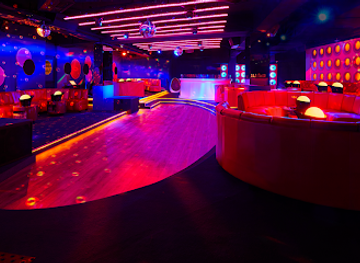
Le Suquet is primarily an evening restaurant quarter rather than Cannes’ main clubbing district. After sunset, Rue Saint-Antoine and the lower lanes fill with diners, wine drinkers and visitors moving between the old hill and the harbour, creating a social atmosphere without the large-scale nightlife associated with dedicated club areas elsewhere in the city. Bars are generally connected with restaurants, terraces and the wider port district, while the upper residential lanes become quieter as the evening progresses. Live music and late-night events may occur in Cannes but should not be assumed to take place within Le Suquet itself. The quarter suits an unhurried dinner followed by a walk through illuminated streets and towards the waterfront, with consideration for residents important on the narrow lanes.
-
Irish pub
Byron
Discover Byron, an Irish pub in Cannes offering authentic cuisine, a vibrant atmosphere, and live entertainment for an unforgettable experience.
5 min walk · 0.4 km from neighbourhood centre
-
Pub
The Quay's Irish Pub
Discover The Quay's Irish Pub in Cannes: a perfect blend of Irish charm and Mediterranean vibes, offering delicious food and great drinks with stunning views.
2 min walk · 0.2 km from neighbourhood centre
-
Bar
Cristal Bar
Discover the vibrant atmosphere of Cristal Bar in Cannes, where exquisite cocktails, aromatic coffee, and delightful tapas await you.
2 min walk · 0.2 km from neighbourhood centre
-
Lounge
Charlys wine bar cannes Kate &charly
Discover the vibrant nightlife of Cannes at Charly's Wine Bar, a perfect blend of relaxation and excitement with an extensive wine selection.
2 min walk · 0.2 km from neighbourhood centre


Best nightclubs in Le Suquet
Le Suquet is primarily an evening restaurant quarter rather than Cannes’ main clubbing district. After sunset, Rue Saint-Antoine and the lower lanes fill with diners, wine drinkers and visitors moving between the old hill and the harbour, creating a social atmosphere without the large-scale nightlife associated with dedicated club areas elsewhere in the city. Bars are generally connected with restaurants, terraces and the wider port district, while the upper residential lanes become quieter as the evening progresses. Live music and late-night events may occur in Cannes but should not be assumed to take place within Le Suquet itself. The quarter suits an unhurried dinner followed by a walk through illuminated streets and towards the waterfront, with consideration for residents important on the narrow lanes.
-
Lounge
Charlys wine bar cannes Kate &charly
Experience the vibrant nightlife of Cannes at Charly's Wine Bar, where exquisite wines meet lively entertainment in a chic setting.
2 min walk · 0.2 km from neighbourhood centre
-
Cocktail bar
L'endroit cannes
Discover the vibrant cocktail culture at L'endroit Cannes, where exquisite drinks meet a cozy lounge atmosphere on the French Riviera.
2 min walk · 0.1 km from neighbourhood centre
-
Night club
Bisous Bisous Club
Unleash the night at Bisous Bisous Club, Cannes' ultimate nightlife destination for dancing, cocktails, and unforgettable memories.
7 min walk · 0.5 km from neighbourhood centre
-
Night club
Club - Au Son des Guitares
Discover the heart of Cannes nightlife at Au Son des Guitares - where music, dance, and unforgettable experiences await.
12 min walk · 1.0 km from neighbourhood centre



Best shops in Le Suquet
Shopping in Le Suquet is centred less on large retail streets than on food, small businesses and the market edge of the old quarter. Marché Forville, just below the hill, is the principal shopping experience, with stalls associated with Provençal produce, flowers and prepared foods; its character is closer to a working city market than to a souvenir arcade. Rue Saint-Antoine and the surrounding lanes contain restaurants, delicatessen-style businesses and visitor-oriented shops, although the range is modest compared with Cannes’ central boutiques and the luxury retail around the Croisette. The quarter is a good place to browse regional ingredients and edible gifts, while the streets themselves offer architectural interest between purchases. For fashion, jewellery and international brands, visitors generally need to continue into the centre of Cannes rather than expect Le Suquet to function as a major shopping district.
-
Traditional market
Marché Forville
Experience the essence of Cannes at Marché Forville, a vibrant traditional market filled with local produce and artisanal delights.
3 min walk · 0.2 km from neighbourhood centre
-
Department store
Galeries Lafayette Cannes
Experience the charm of Galeries Lafayette Cannes, your ultimate shopping haven for luxury fashion and local treasures in the heart of the French Riviera.
9 min walk · 0.7 km from neighbourhood centre
-
Clothing store
CHANEL CANNES
Discover the epitome of luxury fashion at CHANEL Cannes, offering a stunning range of clothing, jewelry, and perfumes along the iconic Croisette.
9 min walk · 0.7 km from neighbourhood centre
-
Gift basket store
JUST IN PROVENCE
Explore Just In Provence in Cannes for unique gift baskets filled with local delicacies and artisanal crafts that embody the spirit of the region.
2 min walk · 0.1 km from neighbourhood centre


Le Suquet essentials
Getting There
Getting Around
Safety
Emergency Situations
Do's and Don'ts
Local Tips

From Eve
Local phrases worth knowing
You don't need to get them perfect. A few words go a long way, and locals appreciate the effort.
Basics
| English | Local | Say it |
|---|---|---|
| Hello | Bonjour | [bohn-zhoor] |
| Goodbye | Au revoir | [oh ruh-vwahr] |
| Yes | Oui | [wee] |
| No | Non | [nohn] |
| Please/You're welcome | S'il vous plaît/De rien | [seel voo pleh/duh ryehn] |
| Thank you | Merci | [mehr-see] |
| Excuse me/Sorry | Excusez-moi/Désolé | [ehk-skuh-zay mwah/dey-zoh-lay] |
| How are you? | Comment ça va? | [koh-mohn sah vah?] |
| Fine. And you? | Bien. Et toi? | [byehn. ay twah?] |
| Do you speak English? | Parlez-vous anglais? | [pahr-lay voo ong-glay?] |
| I don't understand | Je ne comprends pas | [zhuh nuh kohm-prahnd pah] |
Eating & Drinking
| English | Local | Say it |
|---|---|---|
| I'd like to see the menu, please | Je voudrais voir la carte, s'il vous plaît | [zhuh voo-dray vwahr lah kart, seel voo pleh] |
| I don't eat meat | Je ne mange pas de viande | [zhuh nuh mahnj pah duh vyand] |
| Cheers! | Santé! | [sahn-tay] |
| I would like to pay, please | Je voudrais payer, s'il vous plaît | [zhuh voo-dray pay-ay, seel voo pleh] |
Emergencies
| English | Local | Say it |
|---|---|---|
| Help! | Au secours! | [oh suh-koor] |
| Go away! | Allez-vous en! | [ah-lay voo zahn] |
| Call the Police! | Appelez la police! | [ah-peh-lay lah poh-lees] |
| Call a doctor! | Appelez un médecin! | [ah-peh-lay uh meh-duh-sahn] |
| I'm lost | Je suis perdu | [zhuh swee pair-doo] |
| I'm ill | Je suis malade | [zhuh swee mah-lahd] |
Shopping
| English | Local | Say it |
|---|---|---|
| I'd like to buy... | Je voudrais acheter... | [zhuh voo-dray ah-sheh-tay] |
| I'm just looking | Je regarde juste | [zhuh ruh-gahrd zhoost] |
| How much is it? | Combien ça coûte? | [kohm-byen sah koot?] |
| That's too expensive | C'est trop cher | [say troh shair] |
| Can you lower the price? | Pouvez-vous baisser le prix? | [poo-vay voo beh-say luh pree?] |
Time & Numbers
| English | Local | Say it |
|---|---|---|
| What time is it? | Quelle heure est-il? | [kell er ay-teel] |
| It's one o'clock | Il est une heure | [eel ay oon er] |
| Half past (10) | Dix et demi | [deez ay meed] |
| Morning | Matin | [mah-tahn] |
| Afternoon | Après-midi | [ah-pray mee-dee] |
| Evening | Soir | [swah] |
| Yesterday | Hier | [yehr] |
| Today | Aujourd'hui | [oh-zhoor-dwee] |
| Tomorrow | Demain | [duh-mahn] |
| 1 | Un | [uh] |
| 2 | Deux | [duh] |
| 3 | Trois | [twah] |
| 4 | Quatre | [kah-truh] |
| 5 | Cinq | [sank] |
| 6 | Six | [sees] |
| 7 | Sept | [sept] |
| 8 | Huit | [wheat] |
| 9 | Neuf | [nuhf] |
| 10 | Dix | [deez] |
Transport & Directions
| English | Local | Say it |
|---|---|---|
| Where's a/the...? | Où est...? | [oo ay...] |
| What's the address? | Quelle est l'adresse? | [kell ay lah-dress] |
| Can you show me (on the map)? | Pouvez-vous me montrer (sur la carte)? | [poo-vay voo muh mohn-tray (soor lah kart)] |
| When's the next (bus)? | Quand est le prochain (bus)? | [kahn ay luh proh-shahn (boos)] |
| A ticket (to ....) | Un billet (pour ...) | [uhn bee-yay (poor ...)] |
History of Le Suquet
The Medieval Settlement on Mont Chevalier
Le Suquet developed on Mont Chevalier, the hill around which the early settlement of Cannes grew. Its elevated position offered a defensible site above the coast, and the winding street pattern reflects gradual medieval development rather than a planned modern grid. The hill was closely associated with the powerful abbey of Lérins, whose monks acquired land and influence in the area. The quarter’s name is generally linked to the Provençal word for a summit or small hill, an apt description of its position above the harbour.
Castle, Parish and Fortified Hill
During the medieval period, the abbots of Lérins established a fortified complex on the hill, now represented chiefly by the Château de la Castre and its surviving tower. The Church of Notre-Dame d’Espérance was built in the sixteenth and seventeenth centuries as the settlement’s parish church, giving the summit a religious as well as defensive role. Around these buildings, houses, workshops and narrow lanes formed the compact old quarter that remains recognisable today.
From Fishing Village to Resort Town
For centuries, the community below and around Le Suquet was linked to fishing, coastal trade and the agricultural hinterland of Provence. Cannes changed sharply in the nineteenth century after British and European visitors began wintering on the coast, encouraging villas, hotels, roads and a more international economy. Although the resort’s later growth shifted attention towards the Croisette and the waterfront, Le Suquet retained its older street plan and remained the clearest physical reminder of Cannes before large-scale tourism.
A Historic Quarter in Contemporary Cannes
In the modern city, Le Suquet has been maintained as a historic and cultural district rather than absorbed into the broad avenues of the resort centre. The former castle became the Musée des Explorations du Monde, while the hill’s restaurants and small public spaces support a visitor economy alongside established residential life. The Marché Forville at the foot of the slope continues the area’s connection with everyday commerce, linking the medieval quarter to Cannes’ central market and port.
Le Suquet in Photos
Browse through our photo collection highlighting the charm and character of the destination.
Neighbourhoods near Le Suquet
The closest neighbourhoods to Le Suquet, if you have time for more than one stop.
-

-


Swipe for more neighbourhoods
Explore more
Explore more of Cannes
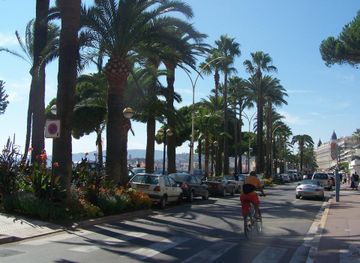
Cannes, France blends Riviera beaches, film history, Old Town streets, Provençal markets and island escapes with elegant Mediterranean sightseeing.
Explore Cannes