Bords de Loire, Centre Val De Loire Travel Guide
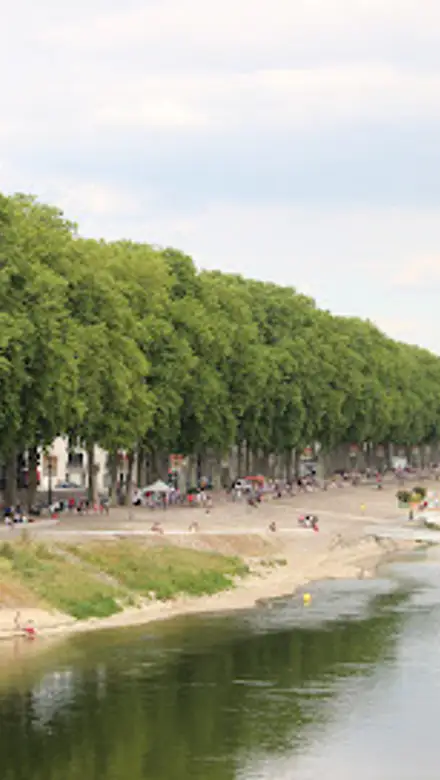
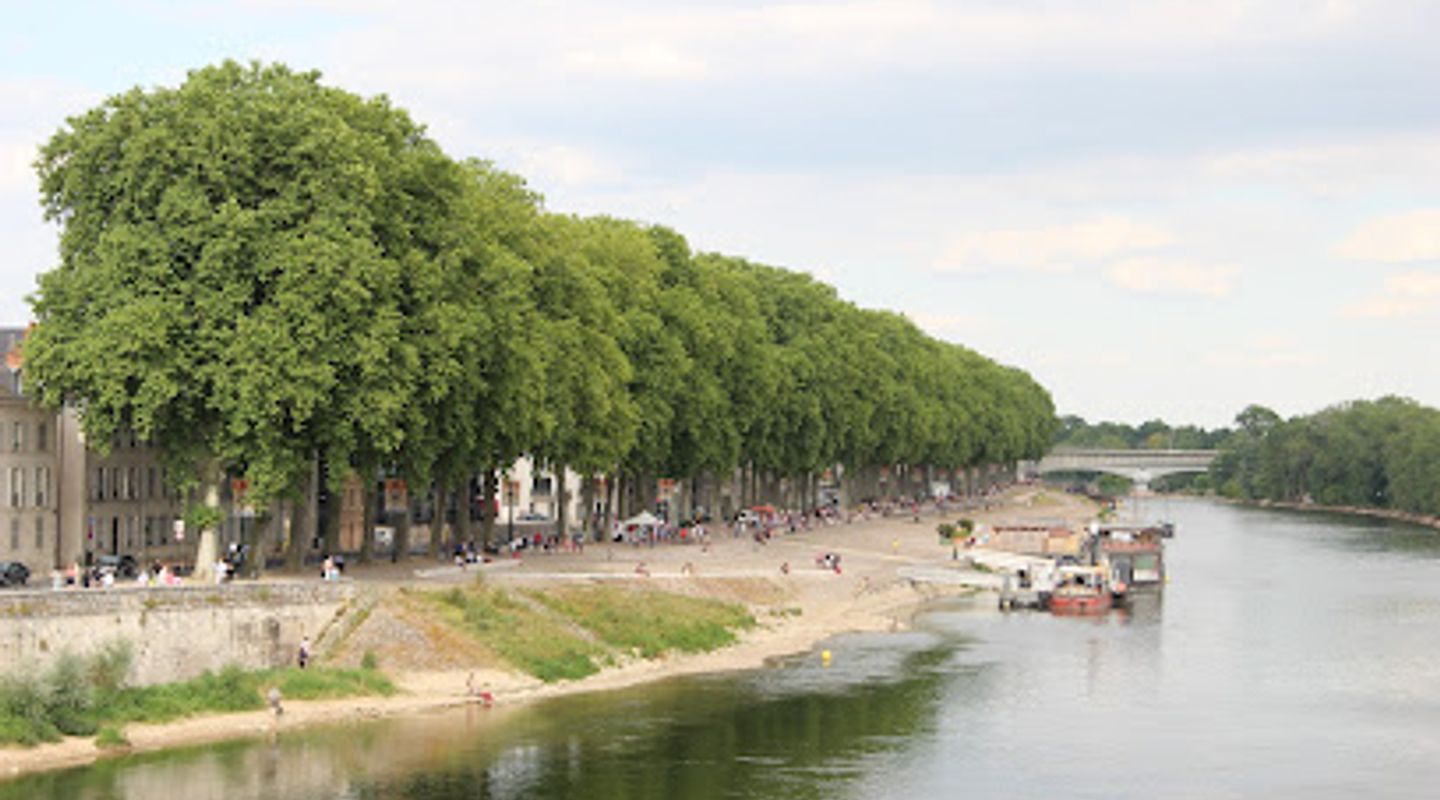
Discover the heart of Orléans along the Bords de Loire: a historic waterfront offering scenic strolls, vibrant culture, and a deep connection to the river's legacy in the Loire Valley.
The Bords de Loire, or banks of the Loire River, offer a captivating experience in Orléans, France. This area is more than just a scenic waterfront; it's the historical and cultural heart of the city, reflecting its deep connection to the Loire, a UNESCO World Heritage site. Stroll along the redeveloped quays, admire the diverse architecture, or relax at a guinguette (riverside bar) during the warmer months. The riverbanks provide a perfect respite after exploring the historic city center, offering picturesque views and a chance to connect with nature. Whether you're interested in history, outdoor activities, or simply soaking in the atmosphere, the Bords de Loire is a must-visit destination that encapsulates the essence of Orléans. The area provides a refreshing escape and a unique perspective on this historic city, making it an essential part of any visit to Orléans.
A brief summary to Bords de Loire
- Bourgogne, Orléans, 45000, FR
- Click to display

Know before you go
Hi, I'm Eve. Here are a few practical things to know before exploring Bords de Loire.
- Visit during the Loire Festival (every two years) to witness a spectacular gathering of traditional river vessels and enjoy various festivities.
- Rent a bike and explore the Loire à Vélo cycle route, which offers scenic views of the river and surrounding countryside.
- Enjoy a picnic along the riverbank, especially during sunset, for a memorable experience.
Do you manage this location?
Take control to get all the benefits, like improved information, better appearance, and stronger visibility across AI-powered discovery. Learn more about listing your business on Evendo
Activate your presenceOther nearby places you may find interesting
The closest places of the same kind, if this one is not quite what you had in mind.
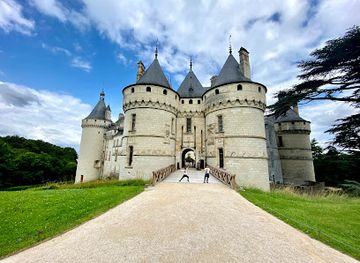
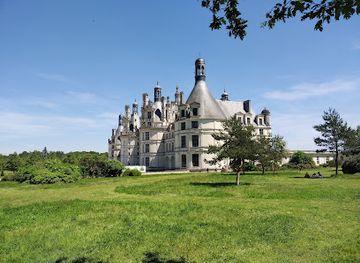
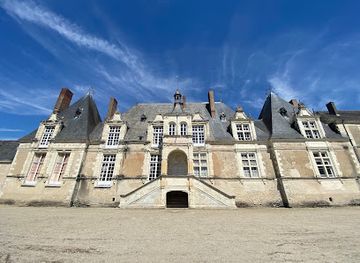
Explore Bords de Loire on the Map
A handpicked selection of must-see spots near Bords de Loire, mapped for you.
Unlock the Best of Bords de Loire
Buy tickets
-
No tickets available
Book tours with entry
-
No tours available
Book tours without entry

Getting There
-
Walking
From the Cathédrale Sainte-Croix, walk north towards the Place du Martroi, then continue north-east, following the signs for the Loire River. The riverbanks are a short 5-10 minute walk from the city center. As you approach the river, you'll see the Quai du Châtelet, a central access point to the Bords de Loire.
-
Public Transport
From Gare d'Orléans, take Tram A towards Hôpital de la Source and get off at the De Gaulle stop. From there, walk north-east for about 5 minutes towards the river. Alternatively, several bus lines serve the city center; check the local TAO network for the most convenient route to a stop near Place du Martroi, then walk towards the river.
-
Driving
If driving, parking is available at several car parks near the city center and the Bords de Loire. Car Park Les Halles Châtelet (43 place du Châtelet) and Car Park Les Halles Charpenterie (Place de Loire) are both conveniently located. Parking rates typically start at €0.60 per 15 minutes, with daily rates around €18.80. Evening rates (6 PM to 5 AM) are around €3. Weekly rates are also available for approximately €38.
Discover more about Bords de Loire













Your all‑in‑one travel companion app
Explore expert travel guides, compare and book tours, experiences, hotels, and more—all from the palm of your hand. Download now for seamless trip planning wherever your wanderlust takes you.


Explore More of Centre Val De Loire
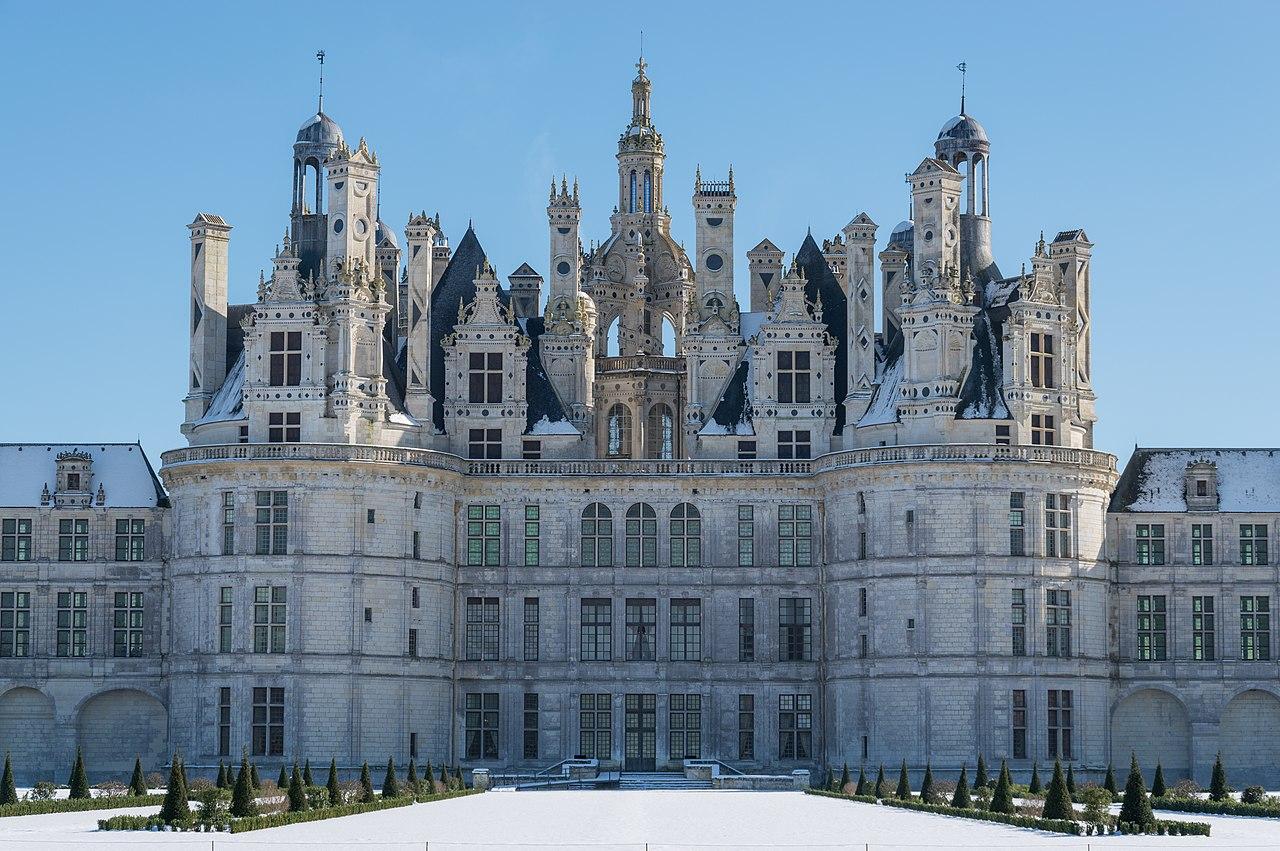
Looking beyond Bords de Loire? Discover Centre Val De Loire for broader travel guides, local hot-spots, and regional highlights.
Explore Centre Val De Loire
Discover Kid's Paradise Blois, the ultimate indoor amusement park near Blois, offering year-round fun with acrobatic courses, ball pits, and dedicated play areas for kids of all ages in a safe, climate-controlled environment.
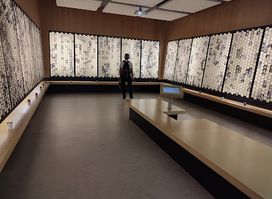
Reflect on history at the Cercil Museum in Orléans, a memorial to the children of Vel d'Hiv, offering poignant exhibits and educational resources on the Holocaust.