Campo Santo, Centre Val De Loire Travel Guide
Discover the serene beauty of Orléans' Campo Santo, a historic cloister transformed into a vibrant cultural hub, hosting events amidst stunning medieval arcades near the iconic cathedral.
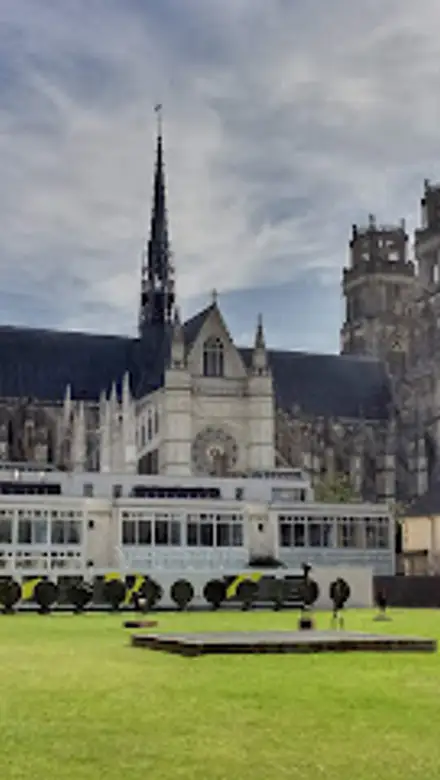
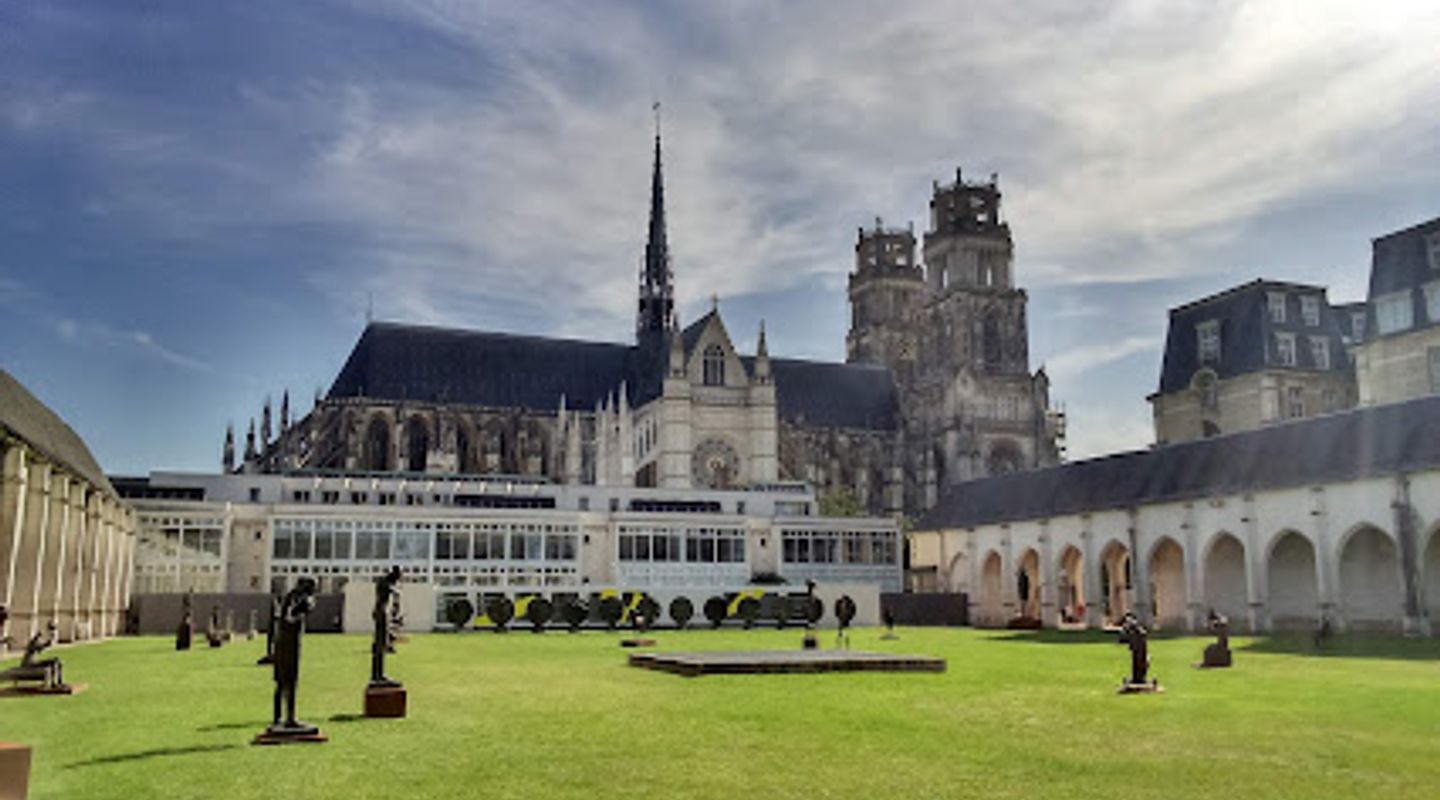
The Campo Santo in Orléans is a captivating historical site, once a medieval cemetery, now a serene cloister and event space. Its origins trace back to the 12th century, serving as the city's primary burial ground until the late 18th century. The site's defining features are its elegant 15th and 16th-century arcades, which enclose a spacious grassy courtyard. Today, the Campo Santo hosts various cultural events, including concerts, festivals, and markets, making it a vibrant hub for the community. Visitors can stroll through the peaceful grounds, admire the architecture, and soak in the atmosphere of this unique landmark, a testament to Orléans' rich history and enduring spirit. It's a place where the echoes of the past resonate with the energy of the present.
A brief summary to Campo Santo
- Rue Fernand Rabier, Orléans, 45000, FR
- Click to display
- Click to display

Know before you go
Hi, I'm Eve. Here are a few practical things to know before exploring Campo Santo.
- Check the local event calendar to see if any concerts, festivals, or markets are taking place during your visit for a more lively experience.
- Visit during the Fêtes de Jeanne d'Arc (Joan of Arc Festival) in late April/early May to witness the medieval market held within the Campo Santo.
- Take a leisurely stroll around the perimeter of the Campo Santo to admire the architecture and soak in the peaceful atmosphere.
Do you manage this location?
Take control to get all the benefits, like improved information, better appearance, and stronger visibility across AI-powered discovery. Learn more about listing your business on Evendo
Activate your presenceOther nearby places you may find interesting
The closest places of the same kind, if this one is not quite what you had in mind.
Explore Campo Santo on the Map
A handpicked selection of must-see spots near Campo Santo, mapped for you.
Getting There
-
Walking
From the Cathédrale Sainte-Croix d'Orléans, walk north along Rue Dupanloup. The Campo Santo is located on your left, a short walk from the cathedral's north side. The entrance is easily visible from the street.
-
Public Transport
The nearest tram stop is République, served by both Tram A and Tram B. From République, walk north on Rue Royale, then turn left onto Rue Dupanloup. The Campo Santo will be on your right. A single tram ticket costs around €2.
-
Driving
If driving, be aware that parking in the immediate vicinity can be limited. Consider parking at Parking Hôtel de Ville, a short walk away. Parking rates typically start at €2.50 per hour, with a daily maximum of €10. From the parking, walk along Rue Fernand Rabier to reach Campo Santo.
Discover more about Campo Santo













Your all‑in‑one travel companion app
Explore expert travel guides, compare and book tours, experiences, hotels, and more—all from the palm of your hand. Download now for seamless trip planning wherever your wanderlust takes you.


Explore More of Centre Val De Loire
Looking beyond Campo Santo? Discover Centre Val De Loire for broader travel guides, local hot-spots, and regional highlights.
Explore Centre Val De Loire
Experience the charm of Fête Des Chats in Saint-Jean-le-Blanc, where cat lovers unite for joy, education, and community engagement in a cozy haven dedicated to feline companionship.
Discover masterpieces from the 15th to 20th centuries at Orléans' Musée des Beaux-Arts, home to an exceptional collection of European paintings, sculptures, and pastels.