Statue of Jean Calvin: A Reformation Landmark in Orléans
Discover the Statue of Jean Calvin in Orléans, a tribute to the Reformation leader and a symbol of the city's rich religious history and intellectual heritage, reflecting his time studying law here.
The Statue of Jean Calvin in Orléans stands as a tribute to the influential theologian and reformer who significantly shaped Protestantism. Located near the Saint-Pierre Empont cloister, the bronze statue commemorates Calvin's time as a law student in the city during the 16th century. Sculpted by Daniel Leclercq, it depicts a young Calvin, symbolizing his intellectual pursuits and the early stages of his theological development. The statue serves as a reminder of Orléans' historical importance as a center of learning and religious thought during the Reformation. Visitors can reflect on Calvin's legacy and the impact of his ideas on Christianity while exploring this serene and historically rich site. The statue is a highlight for those interested in religious history and the Reformation era, offering a tangible connection to a key figure who changed the course of religious thought.
A brief summary to Statue of Jean Calvin
- 1 Rue du Cloître Saint-Pierre Empont, Orléans, 45000, FR
- Monday 12 am-12 am
- Tuesday 12 am-12 am
- Wednesday 12 am-12 am
- Thursday 12 am-12 am
- Friday 12 am-12 am
- Saturday 12 am-12 am
- Sunday 12 am-12 am
Local tips
- Combine your visit with a tour of the nearby Orléans Cathedral and the historic city center to fully appreciate the area's rich history.
- Take a moment for quiet reflection in the Saint-Pierre Empont cloister near the statue, offering a peaceful respite and a connection to the past.
- Visit during the annual Fêtes Johanniques (Joan of Arc Festival) in late April/early May to experience Orléans' vibrant cultural celebrations.

Getting There
-
Walking
From the Orléans Cathedral (Cathédrale Sainte-Croix d'Orléans), walk southwest along Rue Jeanne d'Arc. Turn right onto Rue Dupanloup, then left onto Rue du Cloître Saint-Pierre Empont. The Statue of Jean Calvin will be on your right, near the cloister. The walk is approximately 5 minutes and is straightforward.
-
Public Transport
If arriving by tram, the closest stop is 'Cathédrale-Halmagrand'. From there, walk southwest along Rue Jeanne d'Arc, then turn right onto Rue Dupanloup, followed by a left onto Rue du Cloître Saint-Pierre Empont. The statue is a short walk from the tram stop. A single tram ticket costs approximately €1.60.
-
Taxi/Ride-Share
A taxi or ride-share from Orléans city center to the Statue of Jean Calvin will typically cost between €8 and €12, depending on traffic and the specific location of your starting point. Ask the driver to take you to 1 Rue du Cloître Saint-Pierre Empont.
-
Driving
If driving, be aware that parking near the statue is limited. Consider parking in the Cheval Rouge car park (27 Rue Charles Sanglier), which is a 5-minute walk away. Parking rates at Cheval Rouge start at €0.60 for 15 minutes, with a flat rate of €18.80 from 9:00 to 24:00. Alternatively, look for street parking, but be mindful of parking regulations.
Discover more about Statue of Jean Calvin
Iconic landmarks you can’t miss

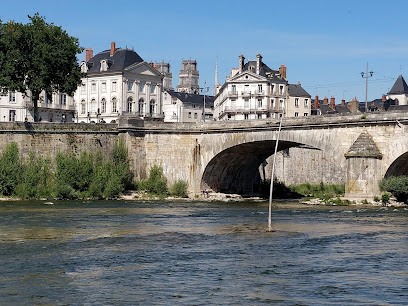
Pont George V
0.5 km
Discover Pont George V in Orléans: a historic bridge offering stunning views, rich history, and a perfect spot for a leisurely stroll.
Comité Régional du Tourisme du Centre - Val de Loire
0.8 km
Plan your Loire Valley adventure with expert advice and resources from the official regional tourism board in Orléans.
My Loire Valley
0.9 km
Explore the enchanting My Loire Valley, where stunning châteaux, picturesque landscapes, and exquisite French cuisine await every traveler.
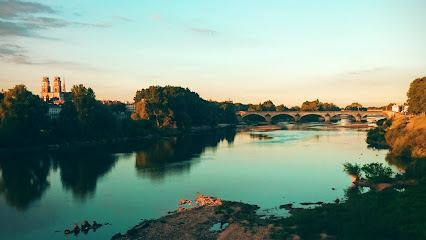
Restes de l'ancien pont de Meung-sur-Loire
17.3 km
Discover the serene remains of an ancient bridge in Meung-sur-Loire, a testament to history and engineering along the Loire River.
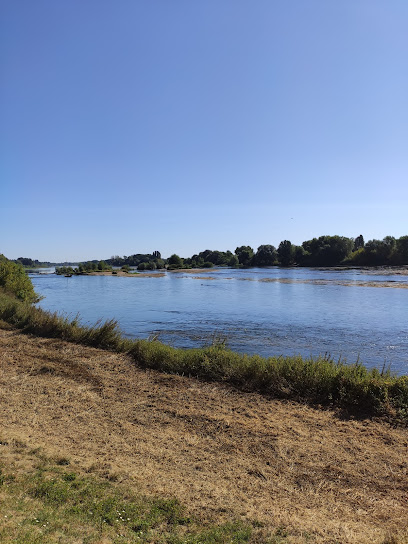
Relais de Chambord
43.5 km
Experience Renaissance luxury at Relais de Chambord, a boutique hotel offering breathtaking views and unparalleled access to Château de Chambord.

Observatoire Loire
53.0 km
Explore the ecological and cultural wonders of the Loire River at this engaging museum and tour center.
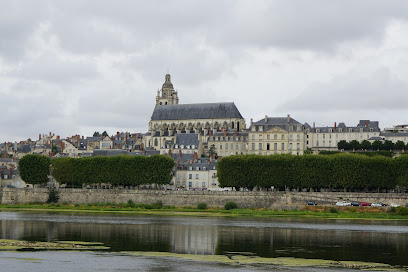
Le Loir-et-Cher en Val de Loire
54.7 km
Explore the heart of the Loire Valley. Your gateway to châteaux, culture, and unforgettable experiences in Loir-et-Cher.
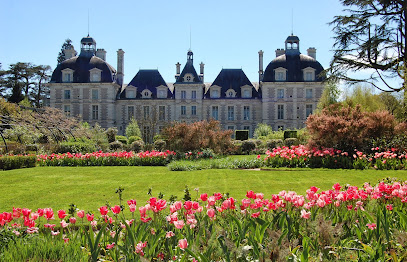
Loire High Water Marks
55.2 km
Discover the historic Loire High Water Marks in Blois, a breathtaking landmark that showcases the power of nature and rich cultural heritage of France.
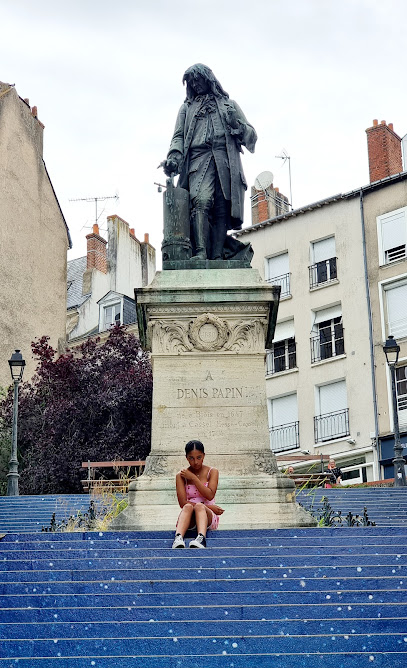
Denis Papin Monument
55.3 km
Discover the Denis Papin Monument in Blois: a tribute to a visionary inventor with panoramic views from an art-adorned monumental staircase.
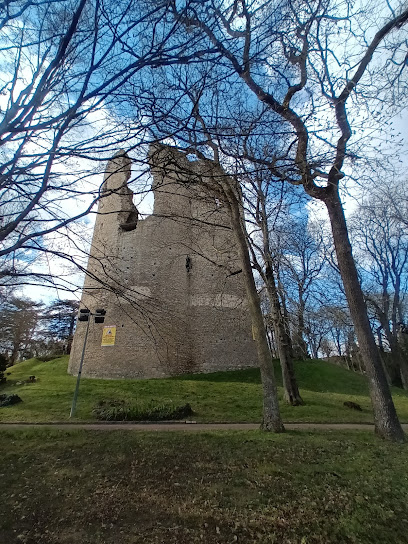
Château d'Étampes
62.5 km
Explore the ruins of Château d'Étampes, a medieval royal castle, and discover the unique Tour de Guinette, a testament to French history.
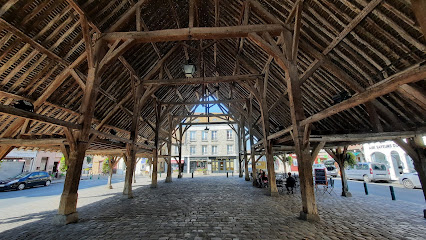
Halle de Milly-la-Forêt
69.7 km
Discover the historic Halle de Milly-la-Forêt, a 15th-century market hall hosting weekly markets and events in the heart of a charming French town.
Wine Trotters, private wine tours Loire Valley
75.1 km
Experience the exquisite wines and breathtaking landscapes of Loire Valley with personalized tours from Wine Trotters. A journey through France's wine heritage.
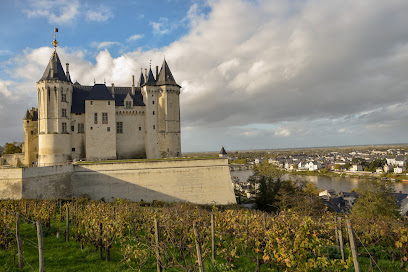
Château de Fontainebleau
81.0 km
Explore the Château de Fontainebleau, a UNESCO site with 700 years of royal history, art, and architecture, from medieval origins to Napoleon's era.
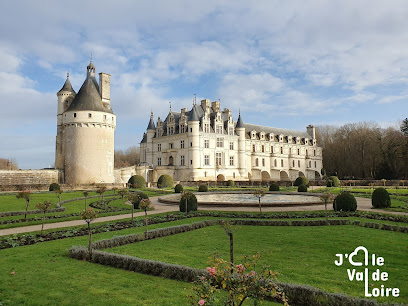
J'aime le Val de Loire
81.5 km
Explore the stunning beauty and rich culture of the Loire Valley at J'aime le Val de Loire, your gateway to unforgettable experiences.
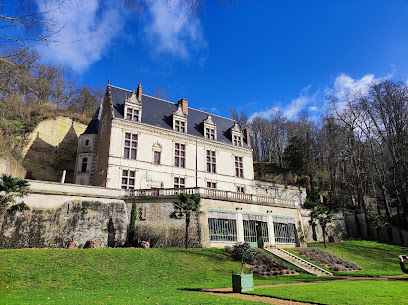
Château Gaillard
87.2 km
Discover Château Gaillard in Amboise: Where French Royalty embraced the Italian Renaissance, birthing France's first Renaissance gardens and orangerie.
Unmissable attractions to see

Cathédrale Sainte-Croix d'Orléans
0.2 km
Discover centuries of history and architectural grandeur at the Cathédrale Sainte-Croix d'Orléans, a magnificent Gothic masterpiece with stunning stained glass and royal connections.
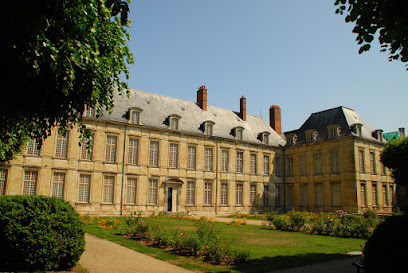
Musée des Beaux-Arts d'Orléans
0.3 km
Discover masterpieces from the 15th to 20th centuries at Orléans' Musée des Beaux-Arts, home to an exceptional collection of European paintings, sculptures, and pastels.
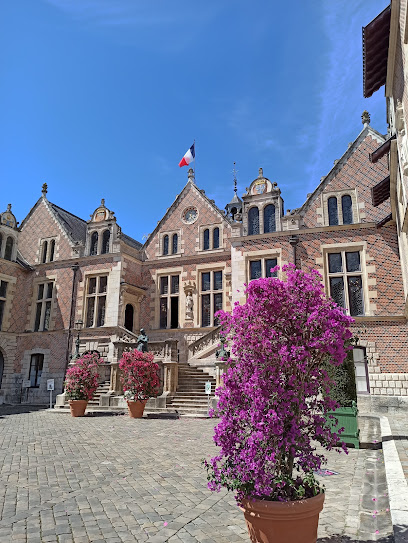
Campo Santo
0.3 km
Discover the serene beauty of Orléans' Campo Santo, a historic cloister transformed into a vibrant cultural hub, hosting events amidst stunning medieval arcades near the iconic cathedral.
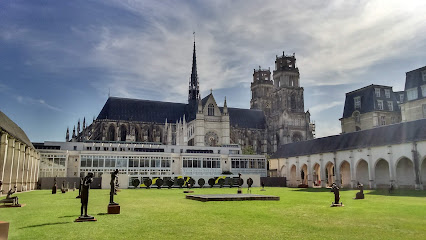
Cercil Museum - Memorial Children Du Vel D'hiv
0.4 km
Reflect on history at the Cercil Museum in Orléans, a memorial to the children of Vel d'Hiv, offering poignant exhibits and educational resources on the Holocaust.
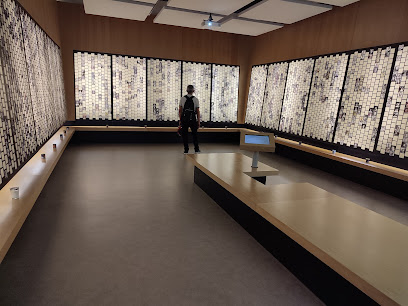
Statue de Jeanne d'Arc
0.4 km
Equestrian statue of Joan of Arc in Orléans, a symbol of French courage and faith, standing tall in Place du Martroi, commemorating her pivotal role in liberating the city.
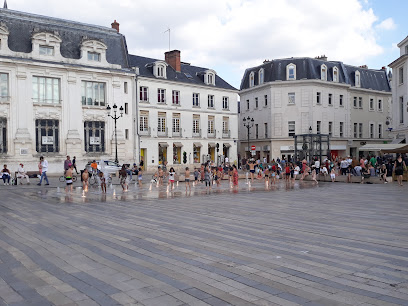
Bords de Loire
0.8 km
Discover the heart of Orléans along the Bords de Loire: a historic waterfront offering scenic strolls, vibrant culture, and a deep connection to the river's legacy in the Loire Valley.
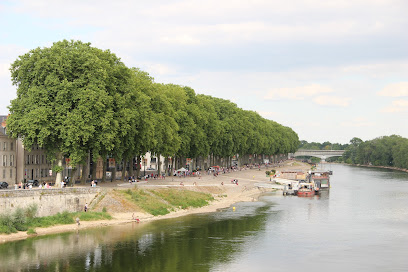
Parc Pasteur
0.8 km
Escape to Parc Pasteur in Orléans: A historic green space with stunning sculptures, remarkable trees, and family-friendly attractions, perfect for a relaxing day out.
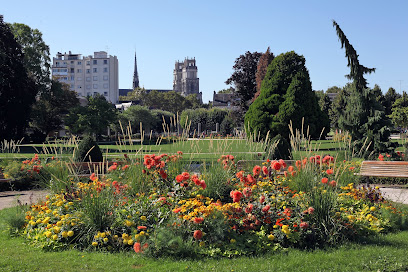
MOBE - Muséum d'Orléans pour la Biodiversité et l'Environnement
0.9 km
Explore the wonders of biodiversity at Orléans' Muséum d'Orléans pour la Biodiversité et l'Environnement, a modern museum with interactive exhibits for all ages, fostering environmental awareness.
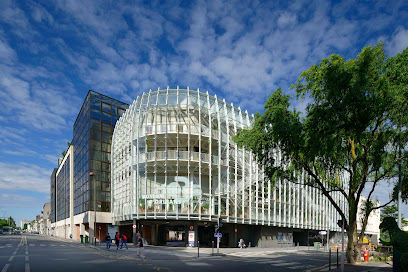
FRAC Centre
1.0 km
Explore the intersection of art and architecture at FRAC Centre-Val de Loire in Orléans, featuring radical designs, thought-provoking exhibitions, and a dynamic cultural program.
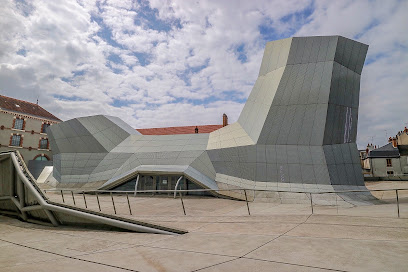
Fête Des Chats
1.5 km
Experience the charm of Fête Des Chats in Saint-Jean-le-Blanc, where cat lovers unite for joy, education, and community engagement in a cozy haven dedicated to feline companionship.
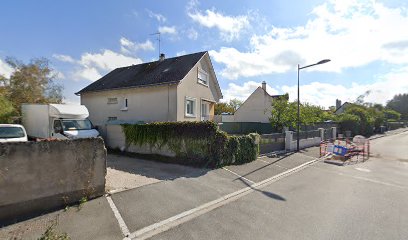
Base de loisirs de l'Île Charlemagne
2.4 km
Discover Île Charlemagne: Orléans' premier recreation destination offering sandy beaches, water sports, adventure activities, and scenic nature trails for an unforgettable outdoor experience.
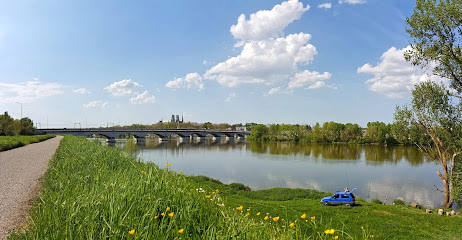
OLIVET
4.0 km
Discover Olivet: A charming French town near Orléans with a rich history, picturesque river landscapes, and a tranquil escape into the heart of the Loire Valley.
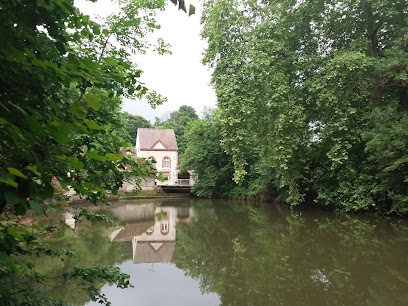
Parc Floral de la Source
6.3 km
Discover a breathtaking floral paradise in Orléans, where themed gardens, exotic wildlife, and historical charm combine for an unforgettable experience in the Loire Valley.
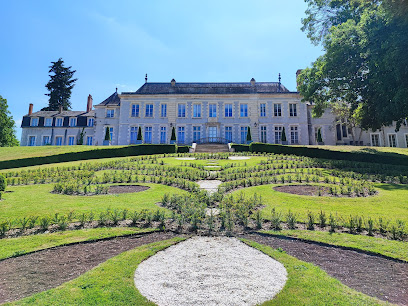
Château de Charbonnière
7.2 km
Discover the charm of Château de Charbonnière, a captivating castle and park that embodies the rich history and natural beauty of Saint-Jean-de-Braye.
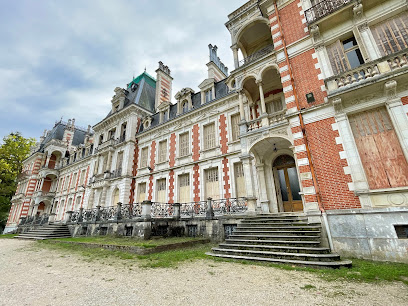
Pointe de Courpain-Confluence de la Loiret et la Loire
8.9 km
Discover the natural beauty of Pointe de Courpain in Saint-Pryvé-Saint-Mesmin, where the Loiret and Loire rivers meet within a protected nature reserve, offering tranquil trails and diverse wildlife.
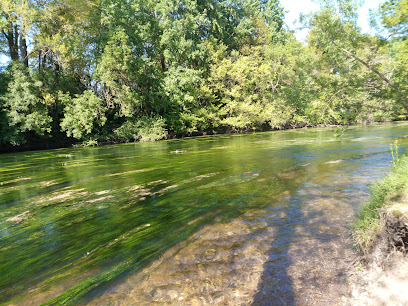
Essential places to dine

La Table - Christophe Hay et Loïs Bée
8.7 km
Savor exquisite French cuisine at La Table - Christophe Hay et Loïs Bée in Ardon, where every dish tells a story of culinary artistry.
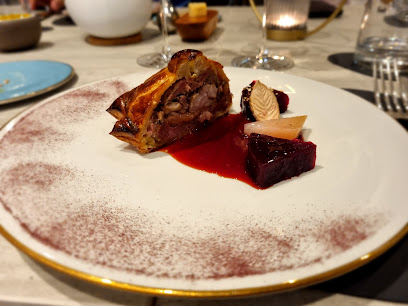
La Grande Tour
12.2 km
Experience exquisite French fine dining at La Grande Tour in Saint-Ay - where tradition meets modern culinary artistry.
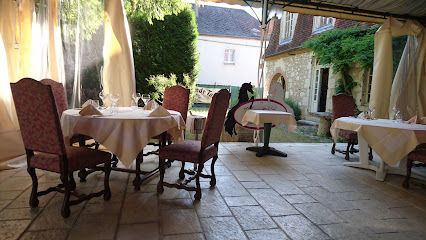
L'Ovale de Loire
17.3 km
Experience exquisite French cuisine and warm hospitality at L'Ovale de Loire in Meung-sur-Loire, where every meal is a celebration of local flavors.
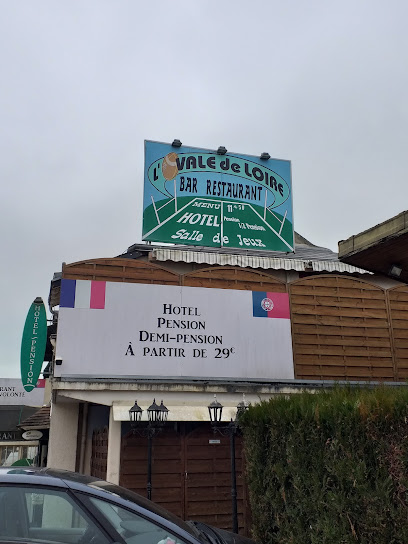
Le Relais Louis XI
17.4 km
Discover exquisite French cuisine at Le Relais Louis XI in Meung-sur-Loire – where history meets modern elegance for dining and romantic getaways.
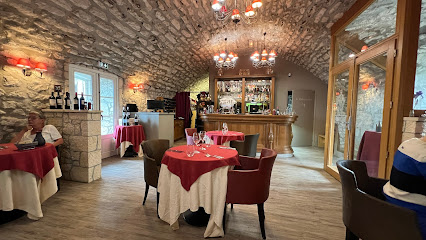
À la maison
18.0 km
Experience authentic French cuisine at À la maison in Meung-sur-Loire, where every dish reflects culinary passion and local flavors.
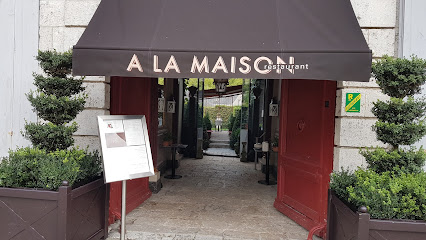
Au Clos des Vignes
20.4 km
Experience exquisite French cuisine at Au Clos des Vignes in Baule - where every meal is a celebration of flavor.
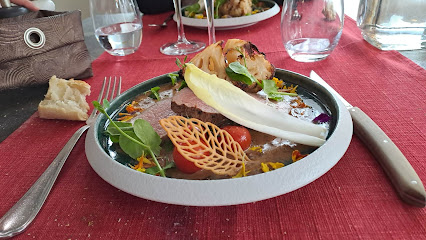
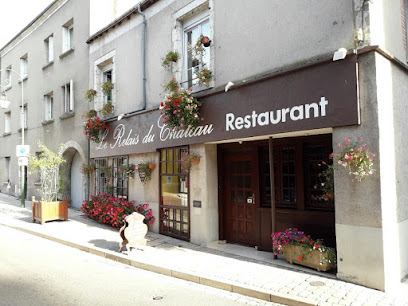
Le Relais Du Château
24.6 km
Discover authentic French cuisine at Le Relais Du Château in Beaugency—where culinary excellence meets warm hospitality.
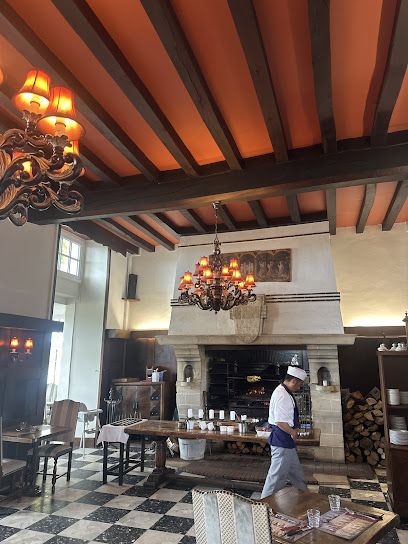
Restaurant la rôtisserie des moines
24.6 km
Experience authentic French cuisine at Restaurant la rôtisserie des moines in Beaugency – where every meal is a celebration of local flavors.
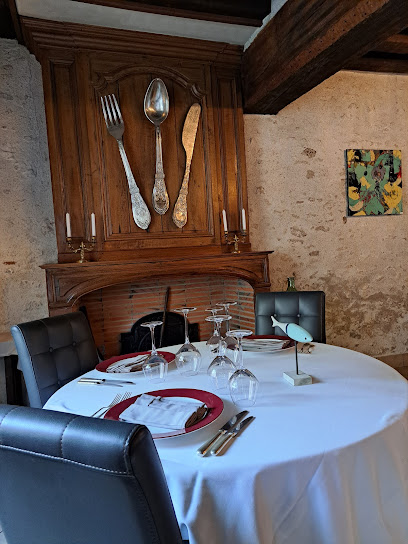
Le P'tit Bateau
24.7 km
Experience fine dining at Le P'tit Bateau in Beaugency - where traditional French cuisine meets modern elegance.
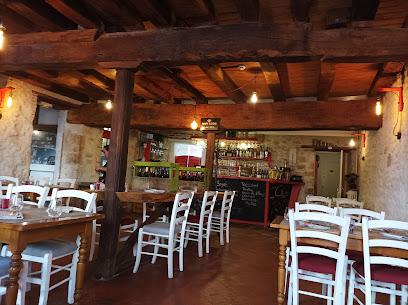
Restaurant Chez Henri II Beaugency
24.7 km
Experience the essence of French gastronomy at Restaurant Chez Henri II in beautiful Beaugency.
La bouchée
24.7 km
Savor exquisite French cuisine at La Bouchée in Beaugency, where tradition meets taste in a cozy atmosphere.
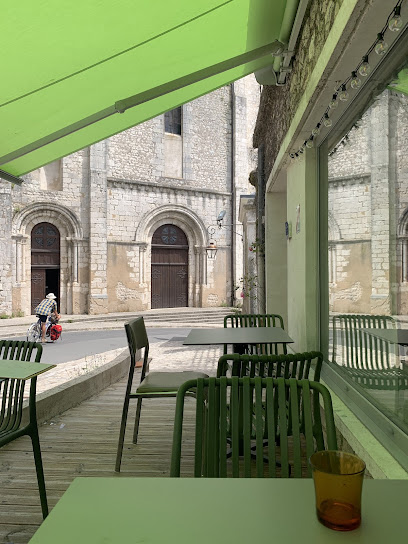
Epicerie Fine-Made in Loire
24.8 km
Discover exquisite French cuisine at Epicerie Fine-Made in Loire, where local flavors meet charming ambiance.
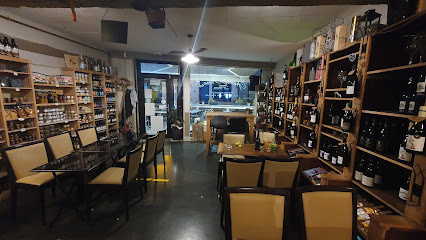
Restaurant Les Pieds sous la Table d'Adeline
24.9 km
Experience exquisite French cuisine at Restaurant Les Pieds sous la Table d'Adeline in Beaugency – where every meal is a celebration of flavor.
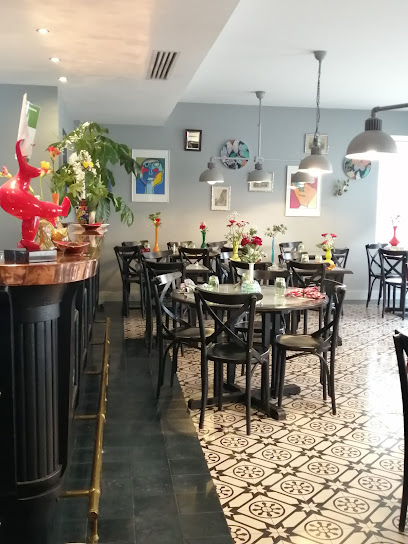
Le Bistrot du Coin
30.2 km
Experience authentic French cuisine at Le Bistrot du Coin in Saint-Laurent-Nouan – where tradition meets taste in a cozy atmosphere.
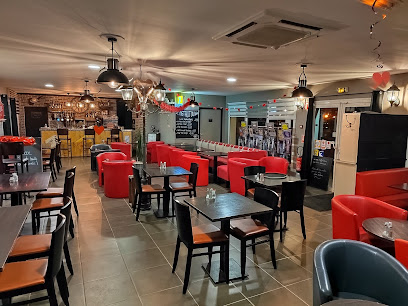
Le Rhinocéros
35.6 km
Experience authentic French cuisine at Le Rhinocéros in Saint-Laurent-Nouan—where every dish tells a story of flavor and tradition.
Markets, malls and hidden boutiques

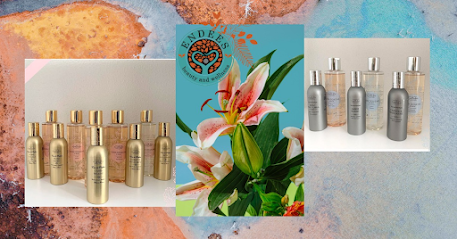
Endees
38.5 km
Discover the art of fragrance at Endees, where exquisite perfumes and personalized service await every scent enthusiast.
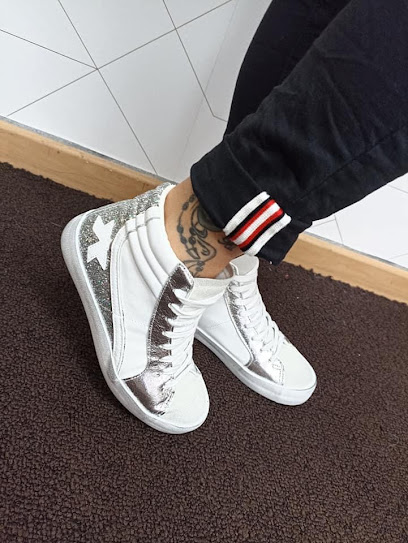
Côté Style
87.7 km
Discover unique fashion and quality clothing at Côté Style, your go-to clothing store in Nogent-le-Roi for a stylish shopping experience.
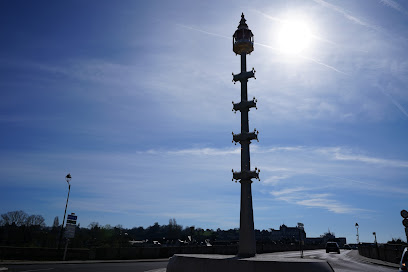
La Tour d'Or Blanc de J.M. Othoniel
87.8 km
Explore La Tour d'Or Blanc de J.M. Othoniel, a captivating cultural landmark in Amboise, France, blending contemporary art with historical charm.
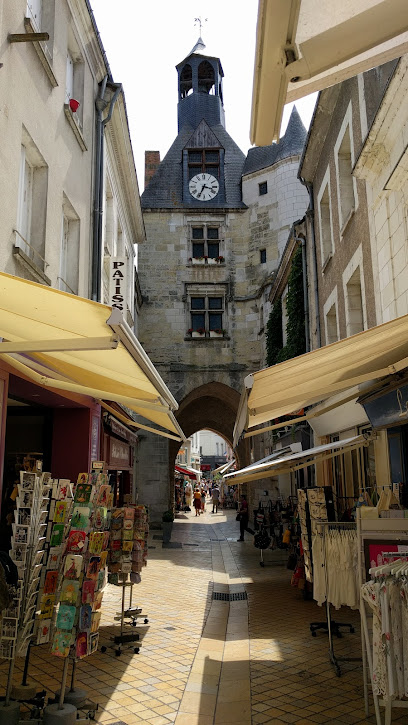
Tour de l'Horloge
87.9 km
Discover stunning views and rich history at the Tour de l'Horloge in Amboise, a must-see observation deck overlooking the Loire River.
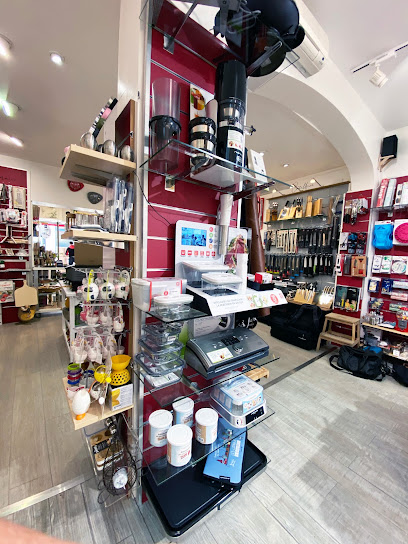
Un Coin de France Sarl
88.0 km
Explore culinary treasures at Un Coin de France Sarl, a kitchen supply store in the heart of Amboise, offering quality tools for every chef.
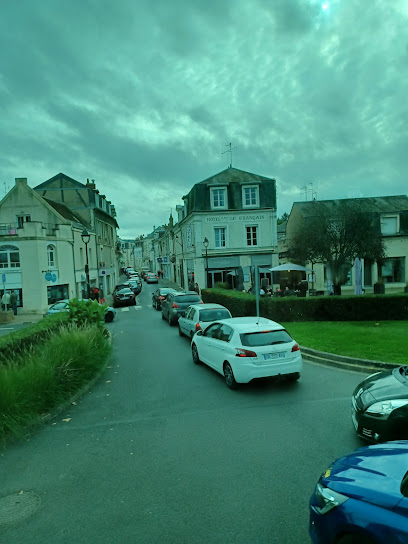
Touraine Voyages
88.3 km
Explore the enchanting Loire Valley with Touraine Voyages, your expert travel agency in Amboise for personalized tours and unforgettable experiences.
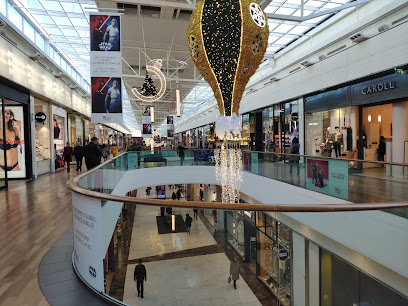
Carré Sénart
92.5 km
Discover Carré Sénart: A shopping paradise in Lieusaint with diverse stores, delicious dining, and exciting entertainment options.
Cultura
93.8 km
Discover a vibrant cultural hub in Saint-Doulchard, where art, crafts, music, and more come together in a unique shopping experience.
Essential bars & hidden hideouts

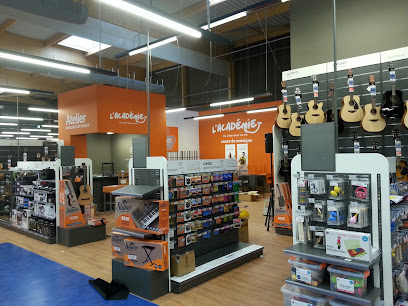
Garden Ice Café
0.2 km
Experience the vibrant atmosphere and delicious cuisine at Garden Ice Café, the perfect spot for tourists in Orléans.
La brasserie du Four à Briques
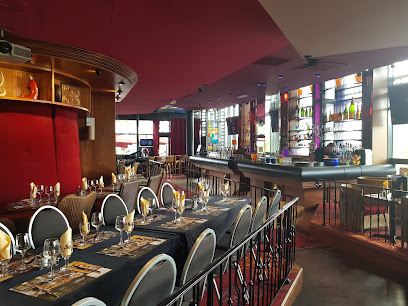
2.7 km
Experience the best of local craft beers and a cozy ambiance at La Brasserie du Four à Briques in Saint-Pryvé-Saint-Mesmin.
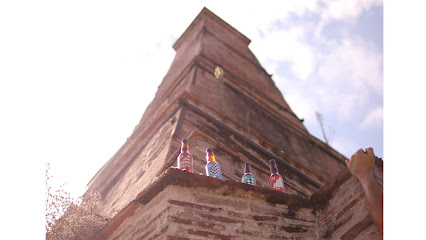
Restaurant L'atypique Orléans - Karaoke - Soirées Dansantes
4.1 km
Dive into a vibrant atmosphere of karaoke, dance, and delicious cuisine at Restaurant L'atypique in Orléans for an unforgettable night out.
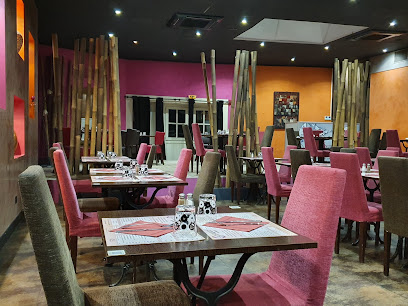
Sarl The Black Pearl
4.1 km
Sarl The Black Pearl: Experience the finest seafood in La Chapelle-Saint-Mesmin, where culinary excellence meets a welcoming atmosphere.
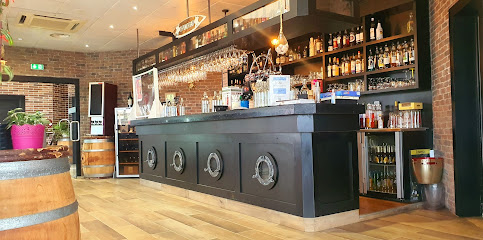
Bar du Mail
6.7 km
Experience the local culture at Bar du Mail, a cozy bar in Saint-Hilaire-Saint-Mesmin offering drinks, snacks, and a welcoming atmosphere.
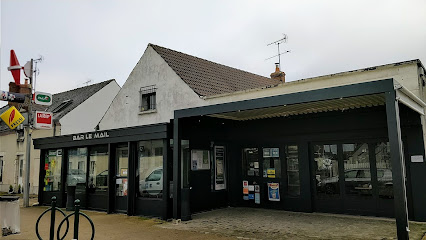
O langue d’Oc
6.8 km
Experience the essence of Languedoc at O langue d’Oc, a charming bar and brewery in Olivet, offering craft beers and local delicacies in a vibrant setting.
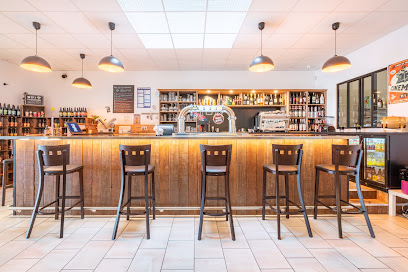
Mouss’bat
10.8 km
Experience the artisan craft of brewing at Mouss’bat, a charming brewpub in Chaingy, where every sip tells a story.
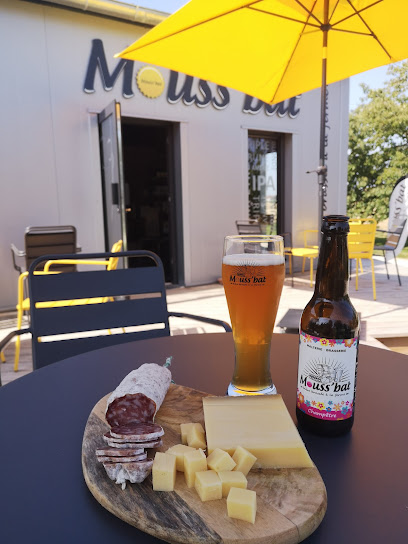
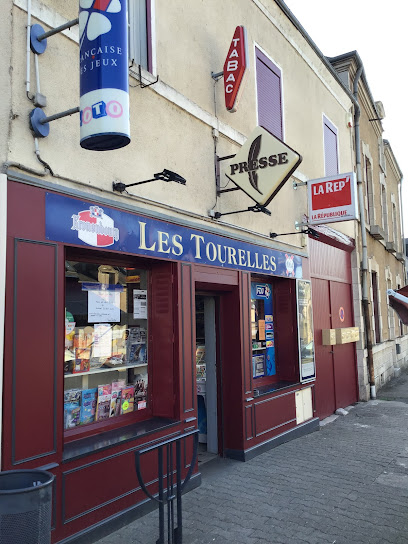
Les Tourelles
15.3 km
Explore the authentic French experience at Les Tourelles, a charming bar tabac in the heart of Huisseau-sur-Mauves, perfect for relaxation and local culture.
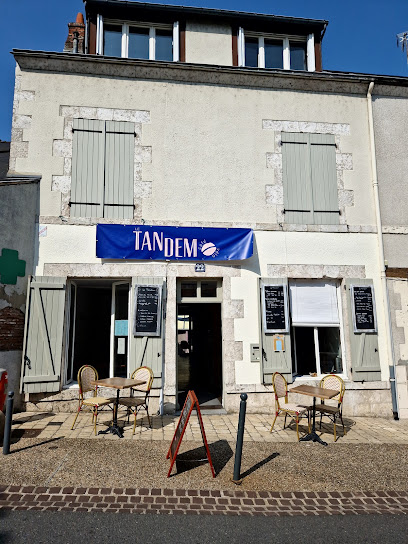
Le Tandem Café-Vélo
18.0 km
Discover the perfect blend of cycling and culinary delights at Le Tandem Café-Vélo in Meung-sur-Loire, where local flavors meet bike-friendly services.
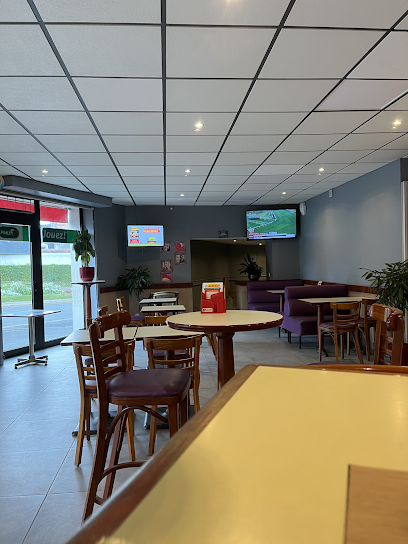
Bar de la Haute Croix
18.0 km
Experience the authentic charm of Meung-sur-Loire at Bar de la Haute Croix, a cozy bar tabac with local flavors and a friendly atmosphere.
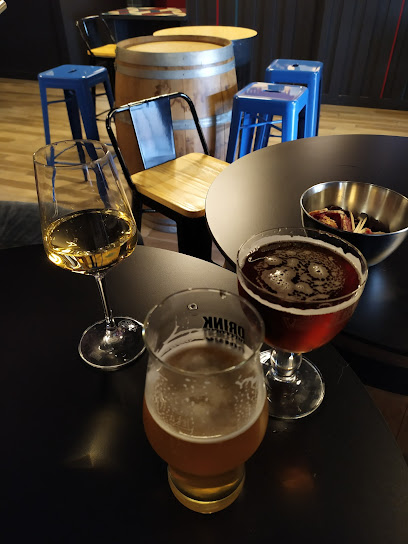
V and B Baule
19.1 km
Discover V and B Baule, a vibrant bar and wine cellar perfect for tasting local wines and craft beers in a cozy atmosphere.
Le Baulois
20.4 km
Discover the local charm at Le Baulois, a cozy bar and tobacco shop in Baule, perfect for unwinding after a day of exploration.
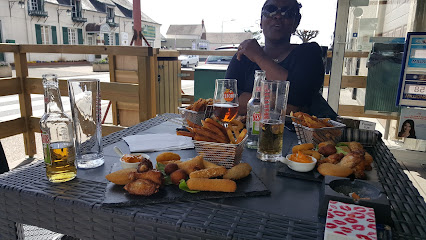
Le P'tit Mess
22.8 km
Experience local charm at Le P'tit Mess, where drinks, games, and good company come together in Messas.
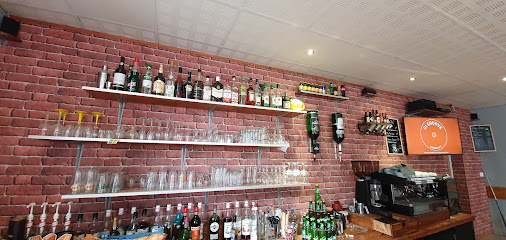
La cabane de Loire
24.4 km
Discover the charm of La Cabane de Loire, a cozy bar and snack bar along the scenic Loire River in Beaugency, where local flavors meet picturesque views.
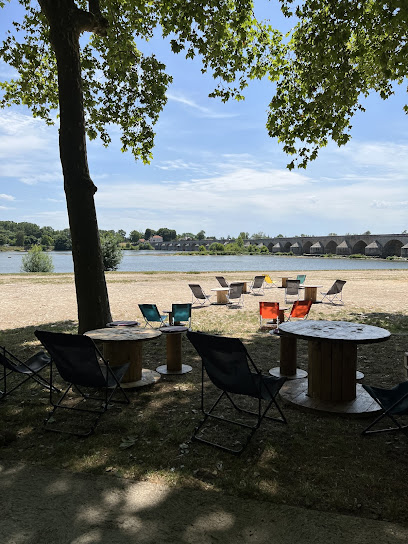
Au coin du Pont
24.6 km
Experience the vibrant spirit of Beaugency at Au Coin du Pont, where great drinks and picturesque views come together for an unforgettable night.
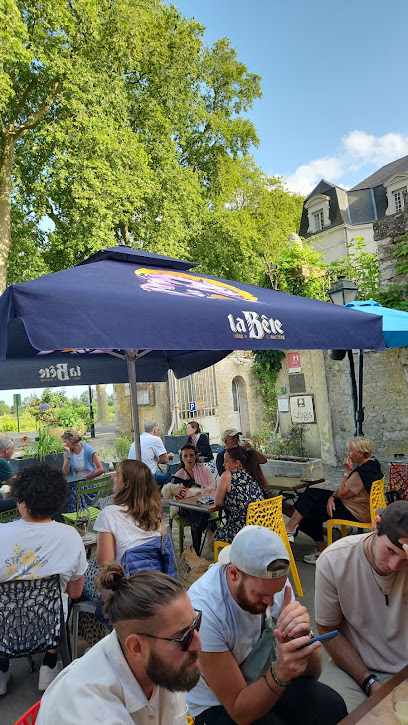
Nightclubs & after hour spots

Nova Club
2.2 km
Discover the electrifying nightlife at Nova Club, Orléans' premier disco destination for dancing and fun.
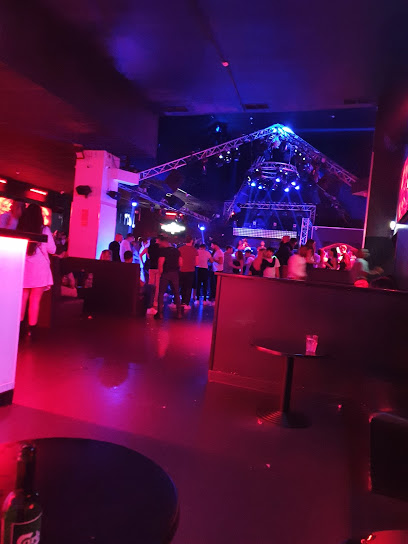
RHINOCLUB
35.6 km
Dive into the pulsating nightlife of RHINOCLUB in Saint-Laurent-Nouan, where vibrant music and electrifying energy create unforgettable nights.
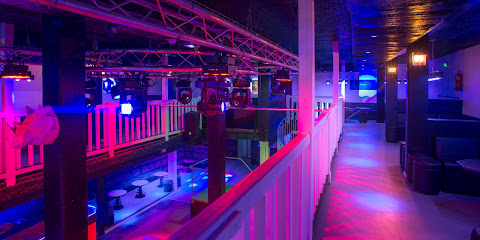
Le Tango
35.6 km
Discover the vibrant nightlife at Le Tango, a premier disco club in Saint-Laurent-Nouan, where music and dance come alive!
Chousy Grillz - La Chapelle-Saint-Martin-en-Plaine
42.5 km
Chousy Grillz: Where the Night Comes Alive in La Chapelle-Saint-Martin-en-Plaine's Premier Night Club Experience.

kb9club
54.9 km
Dive into the electrifying nightlife of Blois at kb9club, where music and dance create unforgettable memories.
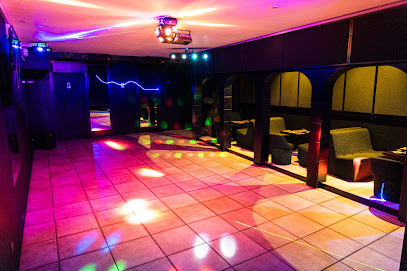
L'elite Club - Blois
54.9 km
Experience the vibrant nightlife at L'elite Club in Blois, where energetic music and stylish atmosphere create unforgettable nights.

The New Vegas
93.1 km
Dive into the electrifying nightlife at The New Vegas, the top disco club in La Croix-en-Touraine, offering unforgettable dance experiences and vibrant entertainment.
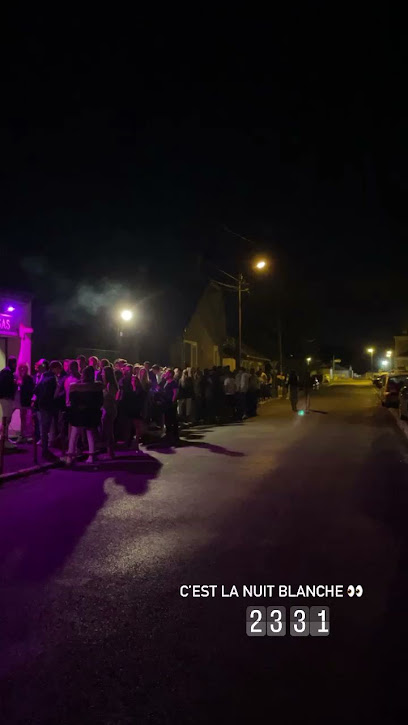
L'EMPIRE CLUB
95.0 km
Experience the vibrant nightlife at L'EMPIRE CLUB in Chilly-Mazarin, where music, dancing, and fun await you until dawn.