Salses Fortress, Languedoc Coast Travel Guide
Explore a masterpiece of military architecture at Salses Fortress, a historic border stronghold between France and Spain.
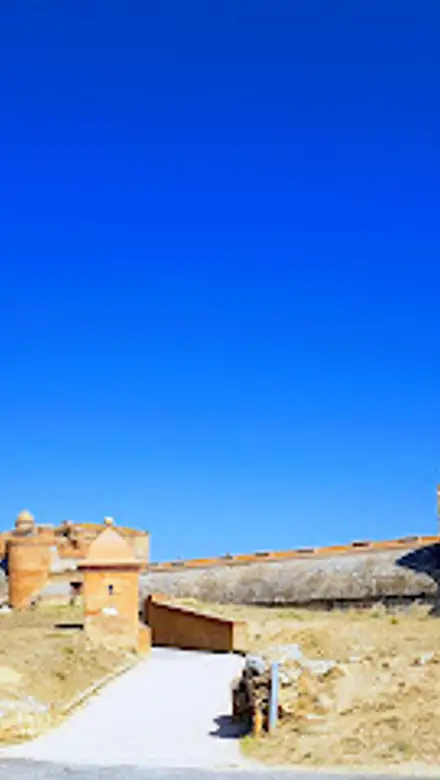
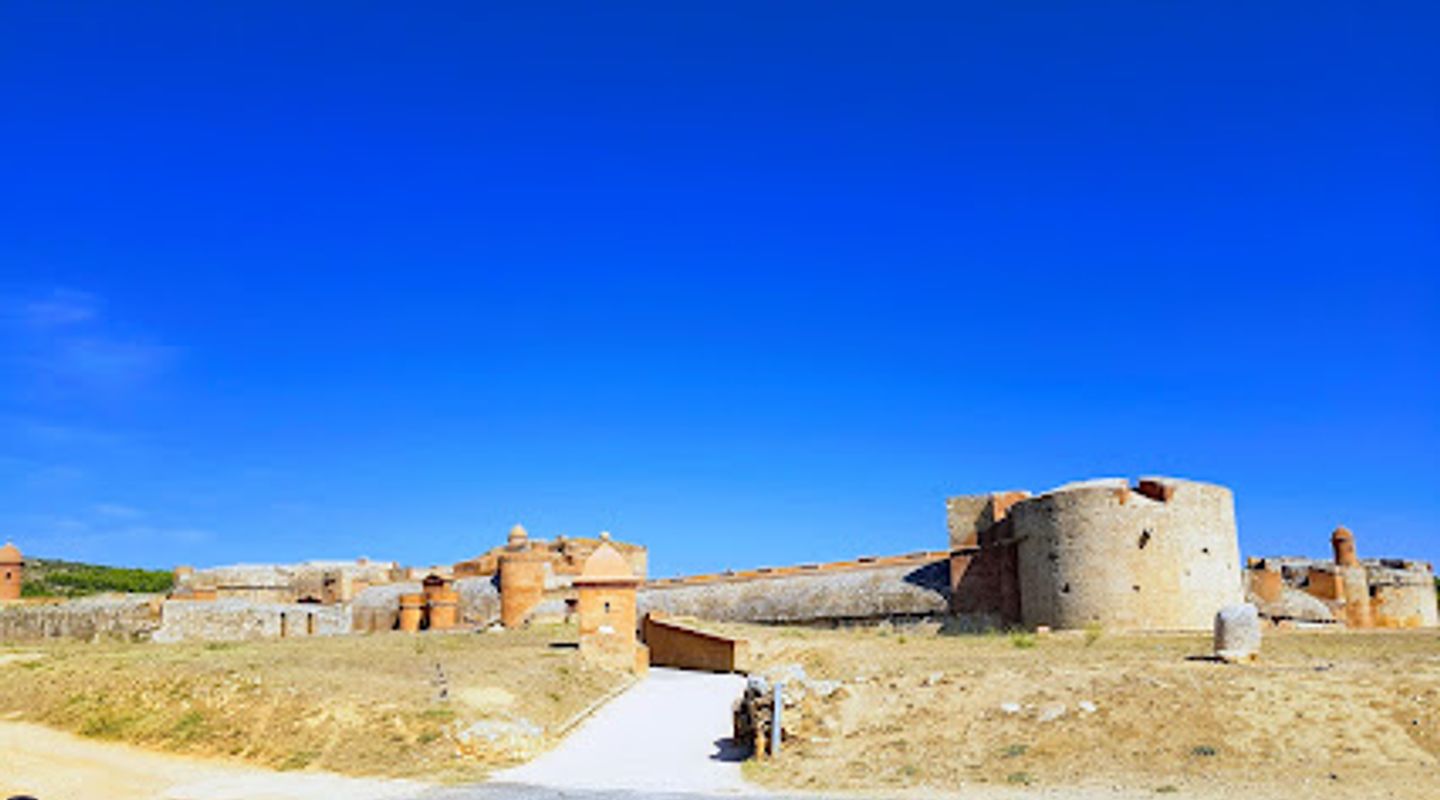
The Forteresse de Salses, a commanding fortress in Salses-le-Château, France, stands as a remarkable example of military architecture from the late 15th and early 16th centuries. Built by the Spanish to guard the border with France, it blends medieval castle design with modern artillery defenses. Conquered by the French in 1642, it embodies centuries of conflict and shifting borders.
A brief summary to Salses Fortress
- Le Portichol, Salses-le-Château, 66600, FR
- Click to display
- Click to display
- Monday 10 am-6:30 pm
- Wednesday 10 am-6:30 pm
- Thursday 10 am-6:30 pm
- Friday 10 am-6:30 pm
- Saturday 10 am-6:30 pm
- Sunday 10 am-6:30 pm

Know before you go
Hi, I'm Eve. Here are a few practical things to know before exploring Salses Fortress.
- Wear comfortable shoes to explore the fortress's many levels and corridors.
- Check the official website for special events, workshops, and temporary exhibitions.
- Consider a guided tour to fully appreciate the fortress's history and architectural significance.
- Visit during the off-season for a less crowded experience.
Do you manage this location?
Take control to get all the benefits, like improved information, better appearance, and stronger visibility across AI-powered discovery. Learn more about listing your business on Evendo
Activate your presenceOther nearby places you may find interesting
The closest places of the same kind, if this one is not quite what you had in mind.
Explore Salses Fortress on the Map
A handpicked selection of must-see spots near Salses Fortress, mapped for you.
Getting There
-
Public Transport
From Perpignan, take a train to Salses-le-Château station. The journey typically takes around 15 minutes and costs between €1 and €3. From the station, the fortress is approximately a 15-minute walk. Alternatively, bus line 135 connects Perpignan to Salses-le-Château, with a 10-minute walk from the bus stop to the fortress.
-
Walking
From the center of Salses-le-Château, the fortress is easily accessible on foot. Follow the signs towards the Forteresse de Salses. The walk is relatively short and offers views of the surrounding landscape.
-
Car
If driving from Montpellier, take the A9 motorway towards Perpignan and exit at Salses-le-Château (exit 40). From Perpignan, take the N9 towards Narbonne. Free, unguarded parking is available near the fortress and along the railroad line. A municipal parking lot is available with charges and supervision from mid-June to mid-September. Parking is prohibited near the fortress.
Discover more about Salses Fortress













Your all‑in‑one travel companion app
Explore expert travel guides, compare and book tours, experiences, hotels, and more—all from the palm of your hand. Download now for seamless trip planning wherever your wanderlust takes you.


Explore More of Languedoc Coast
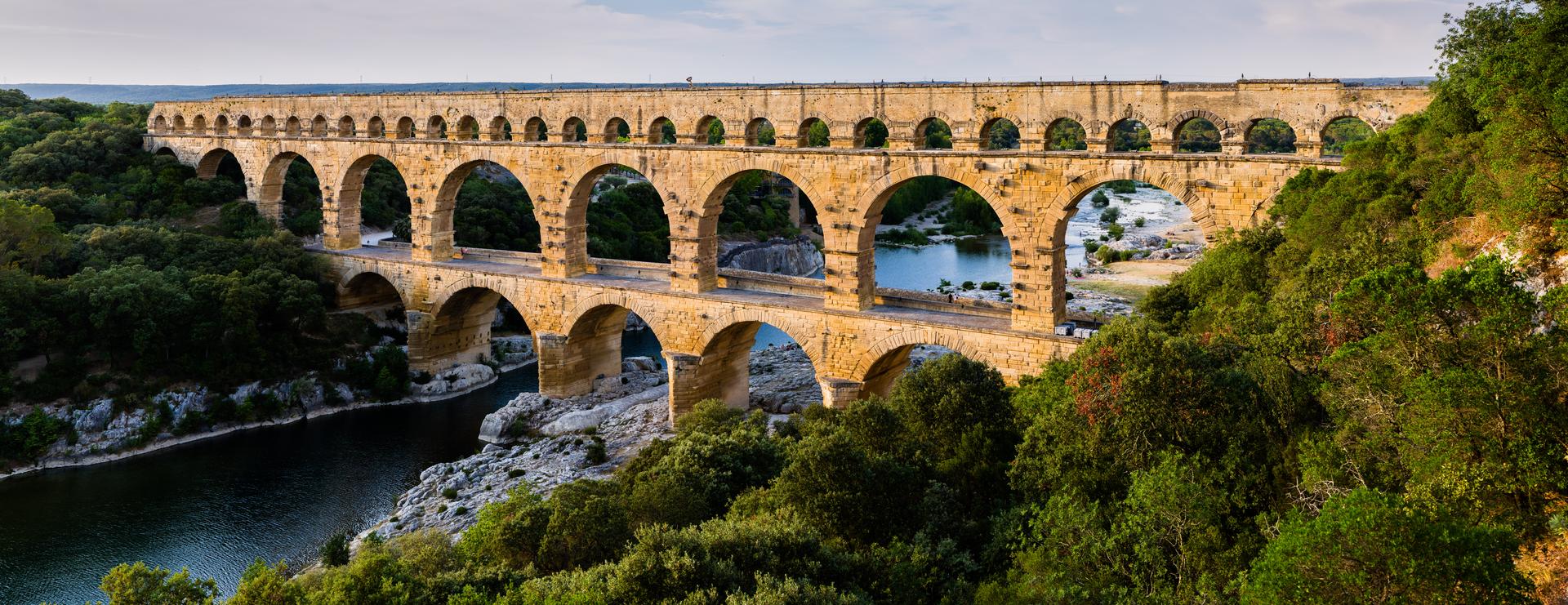
Looking beyond Salses Fortress? Discover Languedoc Coast for broader travel guides, local hot-spots, and regional highlights.
Explore Languedoc Coast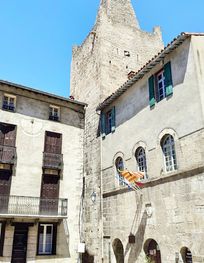
Explore Villefranche-de-Conflent's UNESCO-listed ramparts: a journey through medieval and 17th-century military architecture in the heart of the French Pyrenees.
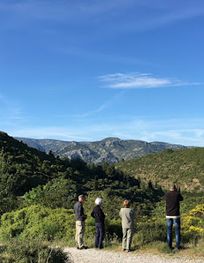
Explore Languedoc-Roussillon's diverse birdlife with expert-led tours and day trips from Birding Languedoc in the heart of Feuilla, France.