Cézanne's Studio: A Pilgrimage for Art Lovers
Discover the world of Paul Cézanne at his preserved studio in Aix-en-Provence, where the father of modern art created his masterpieces, offering an intimate glimpse into his creative process.
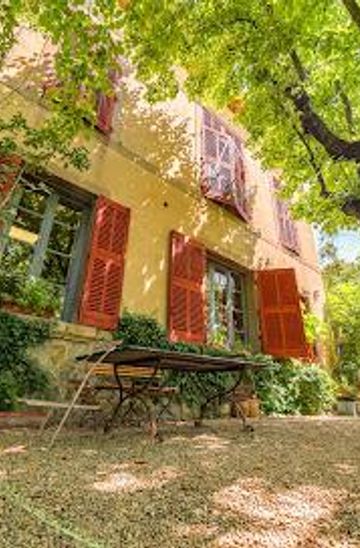
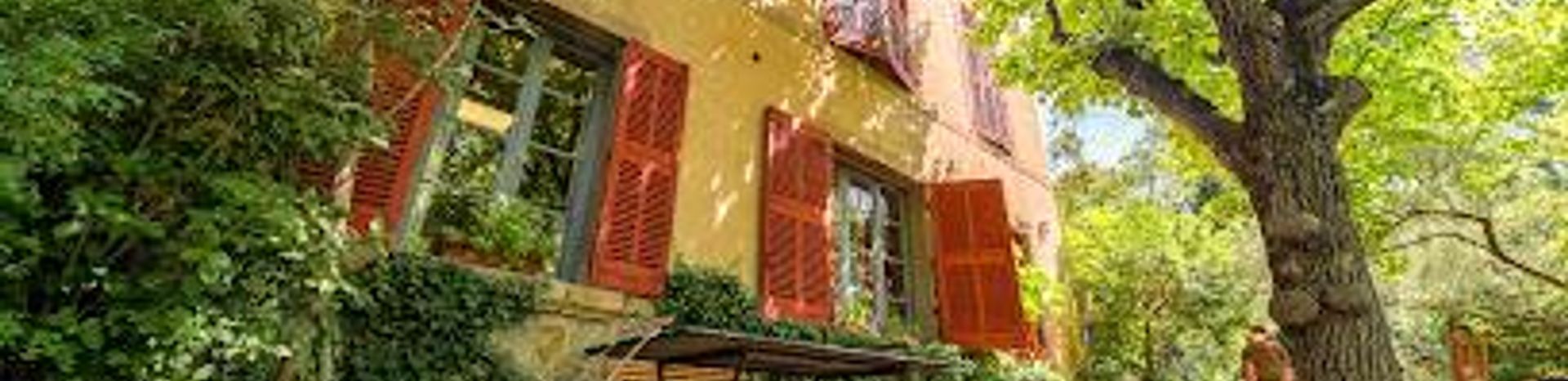
Step into the world of Paul Cézanne at his meticulously preserved studio in Aix-en-Provence. Located on the Lauves hill, this is where the 'father of modern art' spent the last years of his life, creating masterpieces that would revolutionize the art world. The studio remains as he left it, filled with his personal belongings, painting equipment, and the very objects that inspired his iconic still lifes. Experience the palpable presence of the artist in this intimate space, where the light and silence echo Cézanne's dedication to his craft. A visit offers a unique glimpse into the daily life and creative process of a true master, making it an essential destination for art enthusiasts seeking a deeper connection with Cézanne's legacy. The studio reopens on June 28, 2025, after renovations.
A brief summary to Cézanne's studio
- 9 Av. Paul Cézanne, Aix-en-Provence, 13100, FR
- Click to display
- Click to display

Know before you go
Hi, I'm Eve. Here are a few practical things to know before exploring Cézanne's studio.
- Book your visit in advance through the Aix-en-Provence Tourist Office, as access to the studio is by guided tour only.
- Allow ample time to explore the surrounding Lauves hill and the Terrain des Peintres for inspiring views of Montagne Sainte-Victoire.
- Combine your visit with a trip to the Musée Granet in Aix-en-Provence to see a selection of Cézanne's paintings.
- Wear comfortable shoes, as the walk to the studio involves a slight uphill climb.
- Note that the studio is closed for renovations and will reopen on June 28, 2025.
Do you manage this location?
Take control to get all the benefits, like improved information, better appearance, and stronger visibility across AI-powered discovery. Learn more
Activate your presence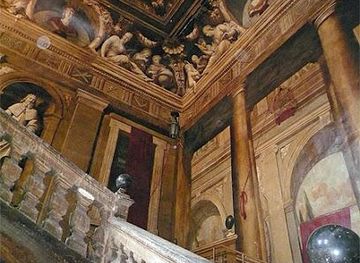
Getting There
-
Public Transport
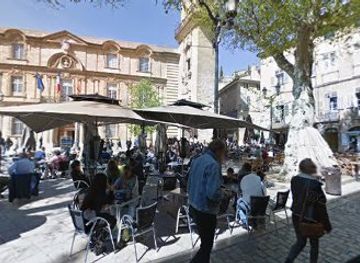
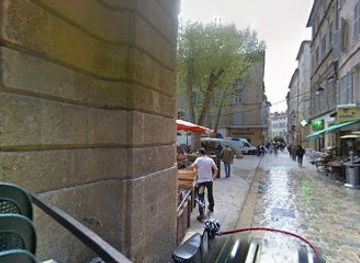
From the Aix-en-Provence city center (e.g., near the Rotonde fountain), take bus line 5 towards 'P+R Brunet'. Get off at the 'Cézanne' stop, which is a short walk (approximately 2 minutes) down Avenue Paul Cézanne to the studio. The bus runs frequently, with departures approximately every 20 minutes. A single ticket costs around €1.50.
-
Taxi/Ride-Share
A taxi or ride-share from the city center of Aix-en-Provence (e.g., from the train station or the Rotonde) to Cézanne's studio is a quick and convenient option. The ride typically takes about 5-10 minutes, depending on traffic. Expect to pay between €5-€7 for the trip.
-
Walking
For those who enjoy a scenic walk, it's possible to walk from the city center to Cézanne's studio. From the Rotonde fountain, head north along Avenue Paul Cézanne. The walk is approximately 1.3 km and takes about 15-20 minutes, with a gentle uphill slope. Follow Avenue Paul Cézanne, and the studio will be on your left.
-
Driving
If driving, from the Aix-en-Provence tourist office, take the ring road as far as Boulevard Aristide Briand, then turn right towards Puyricard/Hôpital, and continue straight on until you reach the Lauves workshop. Limited street parking is available near the studio on Avenue Paul Cézanne, but it can be challenging to find a spot, especially during peak season. Consider parking in the Pasteur car park, which is approximately 600 meters from the studio and involves a slightly steep walk. Parking fees at Pasteur car park are approximately €2.20 per hour.
Discover more about Cézanne's studio
Explore the best of what Cézanne's studio has to offer













More about Provence
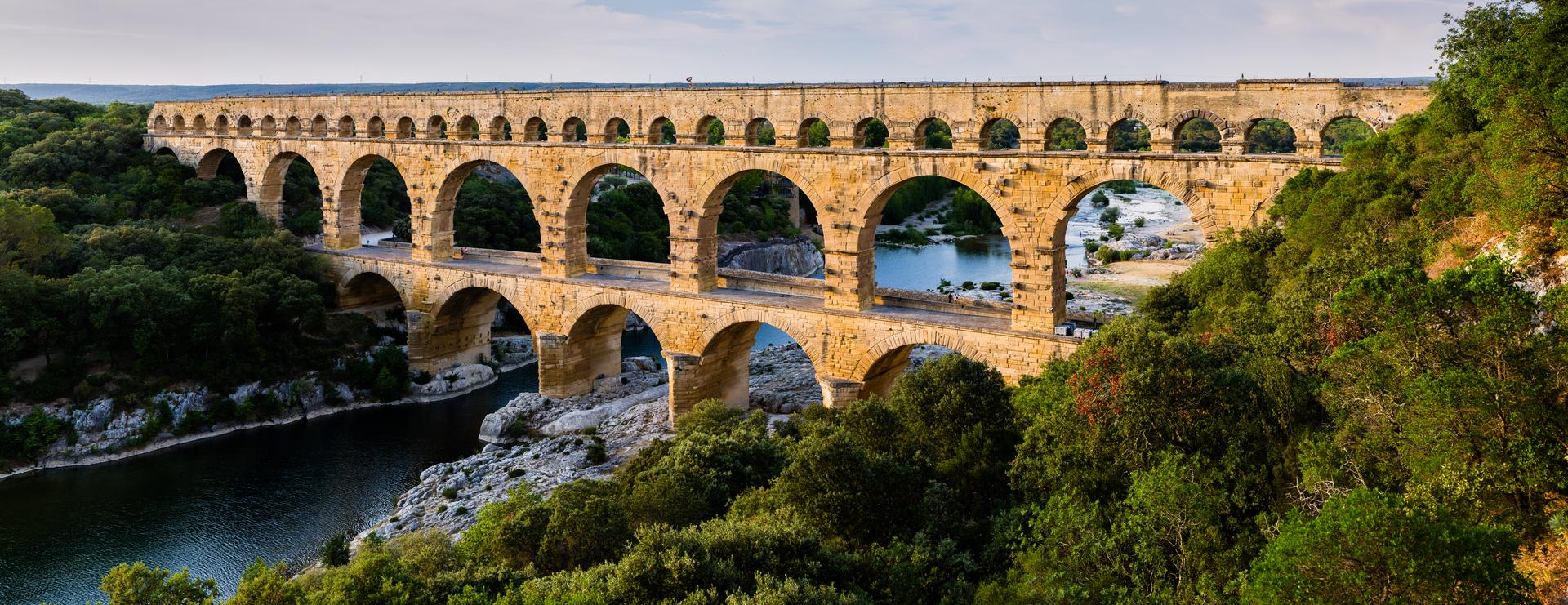
Discover the enchanting allure of Provence, France, where rolling lavender fields, historic towns, and Mediterranean coastline offer a perfect escape.
Tell me more about Provence
Discover the heart of Provence at Château de Beaupré, a family-run vineyard since 1855, offering organic wines, historic charm, and unforgettable events just minutes from Aix-en-Provence.

Discover a hidden gem in Aix-en-Provence: Hôtel de Châteaurenard, home to a breathtaking 17th-century trompe-l'œil staircase and a royal connection to Louis XIV.