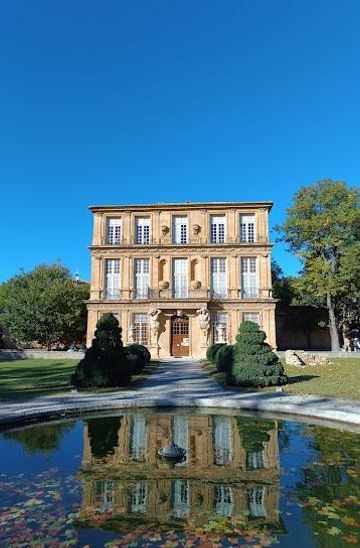
Pavillon Vendôme: A Baroque Jewel in Aix-en-Provence
Discover the Pavillon Vendôme in Aix-en-Provence: a 17th-century architectural gem housing art collections and a French garden, offering a glimpse into Provence's aristocratic past.
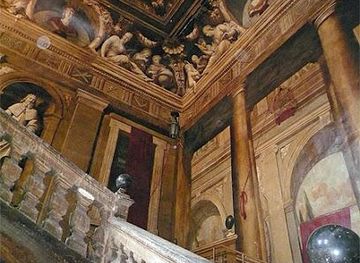
The Pavillon Vendôme, a captivating 17th-century mansion, stands as a testament to the elegance and prosperity of Aix-en-Provence. Built by the Duke of Vendôme, grandson of King Henry IV, the pavilion is rumored to have been a love nest for his affair with 'la Belle du Canet'. Today, it houses a museum showcasing works from the 17th to the early 20th centuries, including an impressive collection of graphic arts. Surrounded by a meticulously recreated French garden, the Pavillon offers visitors a serene escape into a world of aristocratic splendor and artistic heritage. Its stunning architecture, complete with baroque atlantes and intricate interior details, makes it a must-see destination for those seeking a glimpse into Provence's rich history and cultural legacy. The Pavillon Vendôme provides a unique opportunity to explore a beautifully preserved example of classical architecture and immerse oneself in the ambiance of a bygone era.
A brief summary to Pavillon Vendôme
- 13 Rue de la Molle, Aix-en-Provence, 13100, FR
- Click to display
- Click to display
- Monday 10 am-12:30 pm
- Wednesday 10 am-12:30 pm
- Thursday 10 am-12:30 pm
- Friday 10 am-12:30 pm
- Saturday 10 am-12:30 pm
- Sunday 10 am-12:30 pm

Know before you go
Hi, I'm Eve. Here are a few practical things to know before exploring Pavillon Vendôme.
- Visit during the off-season (spring or fall) to avoid crowds and enjoy a more peaceful experience in the gardens and museum.
- Check the museum's schedule for temporary exhibitions of contemporary art, which often provide a fresh perspective on the Pavillon's historical context.
- Take advantage of the guided tours offered on Wednesdays and Saturdays to learn more about the Pavillon's history and architecture.
- Combine your visit with a stroll through the nearby Célony neighborhood, known for its charming streets and historic buildings.
- Pack a picnic to enjoy in the Pavillon's French garden, a perfect spot for relaxation and contemplation.
Do you manage this location?
Take control to get all the benefits, like improved information, better appearance, and stronger visibility across AI-powered discovery. Learn more
Activate your presence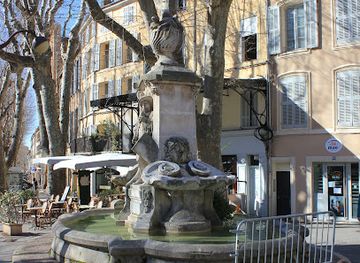
Getting There
-
Walking
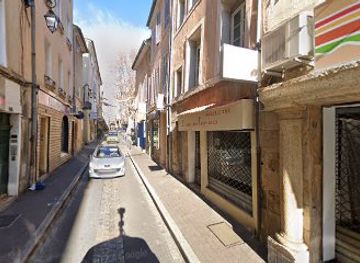
From the Cours Mirabeau, a central thoroughfare in Aix-en-Provence, walk north along Rue de la Molle for approximately 10-15 minutes. The Pavillon Vendôme will be on your left, set back from the street behind its formal garden. Look for the distinctive façade with baroque sculptures framing the entrance. The walk is mostly flat and straightforward, passing shops and residences.
-
Public Transport
Several bus lines stop near the Pavillon Vendôme. The closest stops are Silvacanne and Bourse, each about a 5-6 minute walk to the museum. Check local bus schedules for the Aix en Bus network (lines 04, 12, 16, 17, 240) for the most up-to-date information. A single ticket costs approximately €1.20 and can be purchased on board (cash only) or at automatic machines.
-
Taxi/Ride-Share
A taxi or ride-share from the city center (e.g., Cours Mirabeau) to the Pavillon Vendôme is a short ride, typically costing between €8-€12, depending on traffic and time of day. Specify the address, 13 Rue de la Molle, to the driver. Note that availability may vary, especially during peak tourist season.
-
Driving
Driving directly to the Pavillon Vendôme is possible, but parking in the immediate vicinity is limited. Several paid parking lots are available within a 10-15 minute walk, including Parking Carnot and Parking Rotonde. Expect to pay around €2.50-€3.50 per hour or €15-€20 for a full day. Consider using a Park and Ride car park on the outskirts of the city and taking a bus to avoid city center traffic and parking challenges.
Discover more about Pavillon Vendôme
Explore the best of what Pavillon Vendôme has to offer













More about Provence

Discover the enchanting allure of Provence, France, where rolling lavender fields, historic towns, and Mediterranean coastline offer a perfect escape.
Tell me more about Provence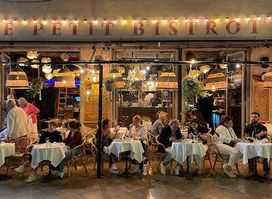
Experience the heart of Aix-en-Provence at Place Richelme, a historic square alive with the colors, scents, and flavors of a traditional Provençal market, surrounded by charming cafes.
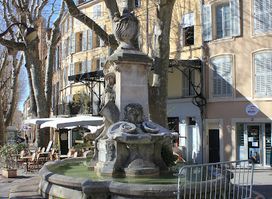
Discover Fontaine Pascal in Aix-en-Provence: a historic fountain showcasing Provençal artistry and resilience, fed by thermal waters and steeped in local charm.