

Ecusson (Montpellier) Travel Guide - Free
Explore Ecusson in Montpellier with Evendo's free guide. Find the best shops, historic streets, restaurants, and gems on web or mobile.


Ecusson, Montpellier’s historic centre, pairs medieval lanes, grand squares, street cafés, independent shops, museums and southern French city life.
A Historic Centre with a Southern Rhythm
Ecusson is Montpellier’s old town, a compact, largely pedestrianised centre enclosed by the routes of the former medieval fortifications. Its name, meaning “shield”, reflects the shape of the historic district on a city map. Within its dense web of lanes, grand civic spaces open unexpectedly between tall town houses, university buildings, churches, cafés and small shops. The area sits at the heart of Montpellier, but its atmosphere is more intimate than the city’s broad boulevards and newer quarters.Read more about Ecusson
Lanes, Courtyards and Civic Squares
Culture, Food and Everyday Life
Best attractions in Ecusson
Ecusson’s attractions are closely woven into its streets rather than gathered in one complex. The Cathédrale Saint-Pierre, with its imposing porch and connection to the former episcopal quarter, is one of the old centre’s defining sights, while the nearby Jardin de la Canourgue offers a quieter interlude beneath mature trees and around historic fountains. The Musée Fabre, at the eastern side of the historic centre, presents major European painting alongside changing exhibitions, and La Panacée introduces contemporary art within a former medical and university setting. The medieval Mikvé, a ritual bathing site, can be visited through organised access rather than as a casual walk-in monument. Place de la Comédie, Place Jean-Jaurès and Place Saint-Roch provide contrasting settings for watching city life, and the lanes between them reveal courtyards, carved doorways and changing façades.
-
Tourist attraction
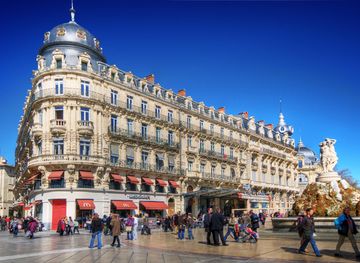
Place de la Comédie
Discover the vibrant heart of Montpellier at Place de la Comédie, a historical landmark filled with culture, cafes, and stunning architecture.
5 min walk · 0.4 km from neighbourhood centre
-
Tourist attraction
Arc de Triomphe
Explore the Arc de Triomphe in Montpellier, a stunning historical landmark that encapsulates the city's rich culture and architectural heritage.
4 min walk · 0.3 km from neighbourhood centre
-
Tourist attraction
Jardin des plantes de Montpellier
Explore the historic Jardin des Plantes de Montpellier, a serene botanical garden filled with diverse flora and picturesque landscapes perfect for relaxation.
5 min walk · 0.4 km from neighbourhood centre
-
Tourist attraction
Musée Fabre
Explore the rich collection of Musée Fabre in Montpellier, showcasing art from the Renaissance to contemporary masterpieces.
3 min walk · 0.3 km from neighbourhood centre


Best landmarks in Ecusson
Ecusson’s landmarks show how Montpellier’s religious, academic and civic histories overlap. The Cathédrale Saint-Pierre is the most commanding, distinguished by its monumental entrance porch and its position beside the former medical and university precinct. The medieval Mikvé provides a rare, intimate reminder of the Jewish community that existed in medieval Montpellier, although access is generally arranged through guided visits. At the eastern edge, the Opéra Comédie gives Place de la Comédie its formal focus, while the city’s historic town houses reveal the prosperity of merchants and officials who reshaped the centre over successive centuries. Place de la Canourgue, with its fountains, planted space and surrounding buildings, offers a more secluded landmark setting. The Arc de Triomphe stands immediately beyond the western edge of Ecusson at the entrance to the Peyrou area, so it is best described as an adjacent monument rather than part of the old town’s interior.
-
Historical landmark
Place de la Comédie
Explore the vibrant and historic Place de la Comédie in Montpellier, a lively square brimming with culture, stunning architecture, and local charm.
5 min walk · 0.4 km from neighbourhood centre
-
Historical landmark
Arc de Triomphe
Discover the grandeur of the Arc de Triomphe in Montpellier, an iconic historical landmark steeped in history and architectural beauty.
4 min walk · 0.3 km from neighbourhood centre
-
Botanical garden
Jardin des plantes de Montpellier
Explore the breathtaking Jardin des Plantes de Montpellier, an enchanting botanical garden showcasing diverse plant species and serene landscapes for every nature lover.
5 min walk · 0.4 km from neighbourhood centre
-
Promenade
Promenade du Peyrou
Discover the enchanting Promenade du Peyrou in Montpellier, a blend of historical architecture, lush gardens, and breathtaking views that captivate every visitor.
6 min walk · 0.5 km from neighbourhood centre


Explore Ecusson on the map
A handpicked selection of must-see spots in Ecusson, mapped for you.
Best hotels in Ecusson
Best restaurants in Ecusson
Dining in Ecusson reflects the centre’s mixture of students, residents, visitors and long-established Montpellier businesses. Around Rue de l’Ancien Courrier, Rue de l’Aiguillerie, Rue de l’Argenterie and the lanes leading towards Saint-Roch, visitors find cafés, bakeries, wine bars, casual international food and restaurants drawing on southern French ingredients. Menus often make room for Mediterranean flavours, vegetables, seafood and regional wines, while small daytime businesses suit a quick pastry or coffee between museum visits. The streets around Place Jean-Jaurès and Place Saint-Roch are especially associated with terrace dining and evening meals, although the character changes from one side street to the next. Food shopping is more dispersed than in a single central market, so the pleasure lies in combining a meal with the independent shops and bakeries encountered while walking through the historic fabric.
-
French
Les Fils À Maman Montpellier
Experience the vibrant flavors of French cuisine at Les Fils À Maman Montpellier - where tradition meets modernity in every bite.
5 min walk · 0.4 km from neighbourhood centre
-
Mediterranean
Rosemarie
Savor exquisite Mediterranean and French cuisine at Rosemarie in Montpellier—where every dish tells a story.
3 min walk · 0.2 km from neighbourhood centre
-
Restaurant
Les Bains de Montpellier
Savor exquisite French cuisine at Les Bains de Montpellier—where culinary art meets luxurious dining in a stunning ambiance.
6 min walk · 0.5 km from neighbourhood centre
-
Restaurant
The Beehive
Discover the flavors of American and British cuisine at The Beehive in Montpellier – a cozy spot for food lovers seeking comfort and quality.
5 min walk · 0.4 km from neighbourhood centre


Best bars in Ecusson
After dark, Ecusson is one of Montpellier’s principal areas for informal evening life, though its nightlife is concentrated in bars, terraces and small venues rather than a single club strip. Place Jean-Jaurès, the streets around Rue de l’Aiguillerie and the approaches to Saint-Roch fill with students, residents and visitors meeting for drinks, while wine bars and cocktail-focused venues occupy many of the old centre’s renovated ground floors. Cultural evenings may extend into live music, small performances or events connected with the city’s creative institutions, but specific programmes change regularly. The historic lanes can be atmospheric at night, yet they carry sound easily, so visitors should keep conversations and departures considerate near homes. Larger late-night venues are more commonly found beyond the immediate historic core, while Ecusson’s strength is its walkable sequence of bars and outdoor tables.
-
Irish pub
Fitzpatrick's Irish Pub
Experience the warmth of Irish hospitality at Fitzpatrick's Irish Pub, Montpellier's go-to destination for authentic cuisine and vibrant nightlife.
4 min walk · 0.3 km from neighbourhood centre
-
Bar
The Shakespeare
Experience the best of British pub culture and delicious gastropub cuisine at The Shakespeare in Montpellier.
2 min walk · 0.2 km from neighbourhood centre
-
Pub
Triskell Montpellier
Explore Montpellier's vibrant nightlife at Triskell, a lively pub offering a wide selection of drinks and a welcoming atmosphere for all.
3 min walk · 0.2 km from neighbourhood centre
-
Pub
Le Rebuffy
Discover the vibrant charm of Le Rebuffy Pub in Montpellier, where great drinks, lively atmosphere, and local culture unite for an unforgettable experience.
2 min walk · 0.1 km from neighbourhood centre


Best nightclubs in Ecusson
After dark, Ecusson is one of Montpellier’s principal areas for informal evening life, though its nightlife is concentrated in bars, terraces and small venues rather than a single club strip. Place Jean-Jaurès, the streets around Rue de l’Aiguillerie and the approaches to Saint-Roch fill with students, residents and visitors meeting for drinks, while wine bars and cocktail-focused venues occupy many of the old centre’s renovated ground floors. Cultural evenings may extend into live music, small performances or events connected with the city’s creative institutions, but specific programmes change regularly. The historic lanes can be atmospheric at night, yet they carry sound easily, so visitors should keep conversations and departures considerate near homes. Larger late-night venues are more commonly found beyond the immediate historic core, while Ecusson’s strength is its walkable sequence of bars and outdoor tables.
-
Night club
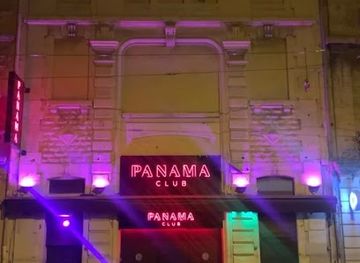
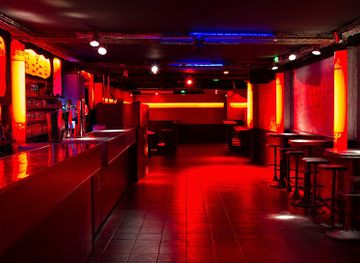
Le PANAMA CLUB
Discover the vibrant nightlife of Montpellier at Le PANAMA CLUB, a premier night club offering a unique blend of music, dance, and local culture.
7 min walk · 0.6 km from neighbourhood centre
-
Night club
PZ City Club
Discover the electrifying nightlife of Montpellier at PZ City Club, where top DJs and vibrant crowds create unforgettable evenings.
7 min walk · 0.5 km from neighbourhood centre
-
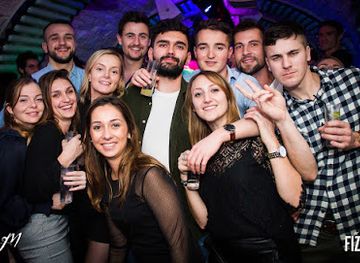
Disco club
Le Fizz
Dive into the vibrant nightlife of Montpellier at Le Fizz, where eclectic music and a lively atmosphere create unforgettable memories.
3 min walk · 0.2 km from neighbourhood centre
-
Night club
Cargo - Montpellier
Cargo in Montpellier: A must-visit night club and bar offering vibrant nightlife, eclectic music, and a lively atmosphere for unforgettable evenings.
8 min walk · 0.7 km from neighbourhood centre
Best shops in Ecusson
Shopping in Ecusson is concentrated along pedestrian streets and compact side lanes where independent businesses occupy historic ground floors. Rue de l’Ancien Courrier and the streets around Rue de l’Argenterie are associated with fashion, accessories, gifts and specialist retail, while Rue de l’Aiguillerie mixes boutiques, cafés and design-oriented businesses. Bookshops, delicatessens, bakeries and small lifestyle shops provide a more local counterpoint to national chains, and the area around Saint-Roch is useful for combining retail with food and evening activity. The old centre is not a single covered-market district, so visitors should expect a dispersed collection of shops rather than one browsing destination. Its appeal lies in the changing scale of the streets, the independent character of many premises and the way shopping naturally folds into an architectural walk through Montpellier’s historic core.
-
Women's clothing store
Des Filles à la Vanille
Discover unique fashion, exquisite perfumes, and charming home goods at Des Filles à la Vanille, your go-to boutique in Montpellier.
3 min walk · 0.2 km from neighbourhood centre
-
Metaphysical supply store
Shop Lisa
Explore the mystical treasures at Shop Lisa, Montpellier's premier metaphysical supply store offering crystals, spiritual artifacts, and more.
2 min walk · 0.2 km from neighbourhood centre
-
Book store
Easter Egg La petite boutique des cultures geeks
Discover Easter Egg, Montpellier's premier book store and figurine shop, where pop culture and literature come together in a vibrant and welcoming atmosphere.
3 min walk · 0.3 km from neighbourhood centre
-
Gift shop
De La Luce
Discover a charming gift shop in Montpellier, offering unique fashion accessories and handcrafted home goods that reflect local artistry.
4 min walk · 0.3 km from neighbourhood centre


Ecusson essentials
Getting There
Getting Around
Safety
Emergency Situations
Do's and Don'ts
Local Tips

From Eve
Local phrases worth knowing
You don't need to get them perfect. A few words go a long way, and locals appreciate the effort.
Basics
| English | Local | Say it |
|---|---|---|
| Hello | Bonjour | [bohn-zhoor] |
| Goodbye | Au revoir | [oh ruh-vwahr] |
| Yes | Oui | [wee] |
| No | Non | [nohn] |
| Please/You're welcome | S'il vous plaît/De rien | [seel voo pleh/dee RYEHn] |
| Thank you | Merci | [mehr-see] |
| Excuse me/Sorry | Excusez-moi/Désolé | [ehks-kew-zay mwah/deh-zoh-lay] |
| How are you? | Comment ça va? | [koh-mohn sah vah] |
| Fine. And you? | Bien. Et vous? | [byahn. ay voo] |
| Do you speak English? | Parlez-vous anglais? | [par-lay voo ahn-glay] |
| I don't understand | Je ne comprends pas | [zhuh nuh kohm-prahnd pah] |
Eating & Drinking
| English | Local | Say it |
|---|---|---|
| I'd like to see the menu, please | Je voudrais voir le menu, s'il vous plaît | [zhuh voo-dray vwahr luh muh-nyuh, seel voo pleh] |
| I don't eat meat | Je ne mange pas de viande | [zhuh nuh mahnj pah duh vyand] |
| Cheers! | Santé! | [sahn-tay] |
| I would like to pay, please | Je voudrais payer, s'il vous plaît | [zhuh voo-dray pay-ay, seel voo pleh] |
Emergencies
| English | Local | Say it |
|---|---|---|
| Help! | Au secours! | [oh suh-koor] |
| Go away! | Allez-vous en! | [ah-lay voo zahn] |
| Call the Police! | Appelez la police! | [ah-peh-lay lah poh-lees] |
| Call a doctor! | Appelez un médecin! | [ah-peh-lay uh mayd-sahn] |
| I'm lost | Je suis perdu | [zhuh swee pair-doo] |
| I'm ill | Je suis malade | [zhuh swee mah-lahd] |
Shopping
| English | Local | Say it |
|---|---|---|
| I'd like to buy... | Je voudrais acheter... | [zhuh voo-dray ah-shuh-tay] |
| I'm just looking | Je regarde juste | [zhuh ruh-gahrd zhoost] |
| How much is it? | Combien ça coûte? | [kohm-byen sah koot] |
| That's too expensive | C'est trop cher | [say troh shair] |
| Can you lower the price? | Pouvez-vous baisser le prix? | [poo-veh voo beh-say luh pree] |
Time & Numbers
| English | Local | Say it |
|---|---|---|
| What time is it? | Quelle heure est-il? | [kell uhr ay-teel] |
| It's one o'clock | Il est une heure | [eel ay tun uhr] |
| Half past (10) | Dix heures et demie | [dees uhr ay duh-mee] |
| Morning | Matin | [mah-tahn] |
| Afternoon | Après-midi | [ah-pray mee-dee] |
| Evening | Soir | [swahr] |
| Yesterday | Hier | [yehr] |
| Today | Aujourd'hui | [oh-zhoor-dwee] |
| Tomorrow | Demain | [duh-mahn] |
| 1 | Un | [uhn] |
| 2 | Deux | [duh] |
| 3 | Trois | [twah] |
| 4 | Quatre | [kah-truh] |
| 5 | Cinq | [sank] |
| 6 | Six | [sees] |
| 7 | Sept | [sept] |
| 8 | Huit | [weet] |
| 9 | Neuf | [nuf] |
| 10 | Dix | [dees] |
Transport & Directions
| English | Local | Say it |
|---|---|---|
| Where's a/the...? | Où se trouve...? | [oo suh troov] |
| What's the address? | Quelle est l'adresse? | [kell ay lah-dress] |
| Can you show me (on the map)? | Pouvez-vous me montrer (sur la carte)? | [poo-veh voo muh mohn-tray (soor lah kart)] |
| When's the next (bus)? | Quand est le prochain (bus)? | [kahn ay luh proh-shahn (boos)] |
| A ticket (to ....) | Un billet (pour ....) | [uhn bee-yay (poor)] |
History of Ecusson
Medieval Foundations and the Shield
Montpellier’s historic centre developed around the medieval settlement that grew into an important commercial and intellectual city. The name Ecusson refers to the shield-like outline formed by the old fortified town, although the district’s present streets reflect many centuries of rebuilding rather than one unchanged medieval plan. Trade, craft activity and the presence of religious institutions shaped the dense urban fabric, while the city’s schools and later university helped give the centre a lasting scholarly role. Traces of early development survive in the narrow, irregular lanes, vaulted spaces and remnants of older buildings embedded within later façades.
The Royal City Expands
From the seventeenth century onwards, Montpellier’s central streets acquired a more formal architectural character as prosperous merchants, office holders and institutions built or remodelled town houses. The widening and embellishment of important routes connected the old centre with newer parts of the city, while religious buildings and civic residences contributed to its changing appearance. The area around the present Place de la Comédie became increasingly important as Montpellier expanded beyond its medieval enclosure. These periods left Ecusson with a layered cityscape in which restrained classical façades, older lanes and substantial institutional buildings stand close together.
Boulevards, Modernisation and Preservation
Nineteenth-century urban improvements transformed the edges of Ecusson as former defensive lines gave way to boulevards and new public spaces. The Comédie became a major gathering point, and improved roads and rail connections strengthened Montpellier’s commercial and administrative importance. Modernisation brought changes to streets, utilities and buildings, but the historic core retained much of its compact plan. Later preservation efforts recognised the cultural value of the old centre, helping protect its town houses, religious buildings and public spaces while allowing shops, services, housing and educational institutions to continue occupying the district.
A Living Centre in Contemporary Montpellier
In the late twentieth and early twenty-first centuries, Ecusson became increasingly pedestrian-friendly and developed a strong cultural and independent-retail presence alongside its established residential life. Restoration of historic buildings and investment in public spaces made the centre more attractive to visitors, while cafés, restaurants, galleries and bars adapted to a growing evening economy. The area has also faced familiar pressures associated with successful historic centres, including tourism, rising demand for central housing and the changing balance between local services and visitor-oriented businesses. Ecusson nevertheless remains an active part of Montpellier rather than a solely heritage-focused quarter.
Ecusson in Photos
Browse through our photo collection highlighting the charm and character of the destination.
Neighbourhoods near Ecusson
The closest neighbourhoods to Ecusson, if you have time for more than one stop.
-

-

-

-

-


Swipe for more neighbourhoods
Explore more
Explore more of Montpellier
Montpellier blends medieval lanes, Mediterranean culture, lively squares, grand university traditions and easy access to beaches, vineyards and Languedoc heritage.
Explore Montpellier