

Free La Massana Travel Guide & Mobile App
Plan your La Massana trip with Evendo. Get free guides to top attractions, restaurants, hotels, and bars. Web access or download the mobile app.


La Massana, Andorra, pairs Pyrenean villages, Pal Arinsal skiing, Comapedrosa trails and Romanesque heritage with mountain culture and cuisine.
Mountain Setting and Parish Life
La Massana lies in north-western Andorra, where the Valira del Nord valley rises towards the peaks of the Pyrenees. The town is the administrative centre of a parish that includes mountain villages such as Pal, Arinsal, Erts, Sispony, Anyós and Xixerella. Its character is shaped by altitude, forests and steep-sided valleys: the centre has practical shops, cafés and restaurants, while the surrounding settlements retain stone houses, Romanesque churches and the atmosphere of an Andorran mountain community.Read more about La Massana
Outdoor Landscapes
Villages, Heritage and Contemporary Culture
When is the best time to visit La Massana?
Best: June, August–September · 23–27°C| Month | High (°C) | Rainfall (mm) |
|---|---|---|
| January | 7 | 80 |
| February | 8 | 70 |
| March | 13 | 60 |
| April | 17 | 50 |
| May | 21 | 40 |
| June (best) | 25 | 30 |
| July | 28 | 20 |
| August (best) | 27 | 20 |
| September (best) | 23 | 30 |
| October | 18 | 50 |
| November | 12 | 60 |
| December | 8 | 70 |
Getting to and around La Massana
How to get there
Transportation
Best attractions in La Massana
La Massana’s attractions range from high mountain scenery to carefully preserved village heritage. The Comapedrosa Natural Park is the parish’s great natural setting, with trails leading through forests, meadows and rugged valleys beneath Andorra’s highest peak. In winter, Pal Arinsal provides skiing and snow activities across the Pal and Arinsal sectors; in warmer months, the area becomes a base for hiking and mountain biking. Pal itself is notable for Sant Climent de Pal, one of Andorra’s finest Romanesque churches, while Sispony’s Casa Rull Museum presents the domestic world of a prosperous farming family. The Iron Route adds an artistic and industrial dimension, placing contemporary sculptures along paths associated with Andorra’s former iron production. In La Massana town, the Romanesque Interpretation Centre and parish church help introduce the architecture and traditions of the surrounding valleys.
-
Observation deck
Mirador Roc Del Quer | Canillo
Experience breathtaking panoramic views from a suspended platform in the Andorran Pyrenees, where nature and art combine for an unforgettable vista.
20 min drive · 6.7 km from city centre
-
Monument
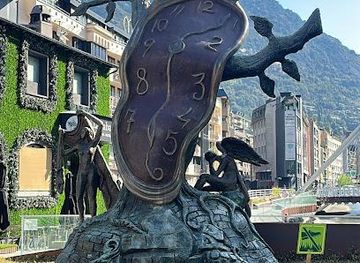
La Noblesse du Temps
Admire Salvador Dalí's iconic melting clock sculpture, La Noblesse du Temps, in the heart of Andorra la Vella's Plaça de la Rotonda.
12 min drive · 4.0 km from city centre
-
Park
Parc Central
Escape to Andorra la Vella's largest park: a green oasis with art, playgrounds, and tranquil paths in the city center.
13 min drive · 4.3 km from city centre
-
Catholic church
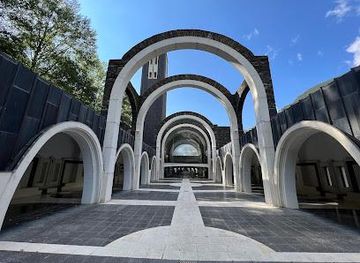
Sanctuary Basilica of Our Lady of Meritxell
Discover the spiritual and cultural heart of Andorra at the Sanctuary Basilica of Our Lady of Meritxell, a modern architectural marvel in a serene mountain setting.
19 min drive · 6.3 km from city centre


Best landmarks in La Massana
Sant Climent de Pal is La Massana’s most recognisable historic landmark, a carefully proportioned Romanesque church whose stone walls and bell tower embody the medieval architecture of Andorra’s mountain valleys. In La Massana town, Sant Iscle and Santa Victòria serves as the parish’s principal church and remains an important point of local identity. Casa Rull in Sispony is significant for a different reason: the restored house reveals how a substantial Andorran farming family organised domestic life, work and storage before modern tourism transformed the economy. The villages themselves, especially Pal, contribute to the architectural character through slate-roofed houses, stone walls and narrow lanes. Higher in the parish, Comapedrosa’s summit is a natural landmark rather than a built monument, symbolising the scale and environmental importance of La Massana’s mountain territory.
-
Observation deck
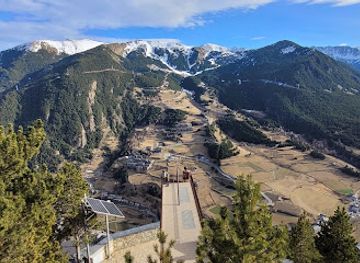
Mirador Roc Del Quer | Canillo
Experience breathtaking panoramic views from a suspended platform at Mirador Roc del Quer, offering a unique perspective of the Andorran Pyrenees.
20 min drive · 6.7 km from city centre
-
Monument
La Noblesse du temps - de Salvador Dalí
A surreal masterpiece by Salvador Dalí in Andorra la Vella, La Noblesse du Temps is a melting clock sculpture symbolizing the fluidity of time.
12 min drive · 4.0 km from city centre
-
Park
Parc Central
Discover Parc Central in Andorra la Vella: a modern urban park with playgrounds, art, and walking paths for relaxation and recreation.
13 min drive · 4.3 km from city centre
-
 Hotel
HotelAnyósPark The Mountain & Wellness Resort
Experience mountain serenity at AnyósPark: wellness facilities, stunning views, and family-friendly activities in the heart of Andorra.
19 min walk · 1.5 km from city centre
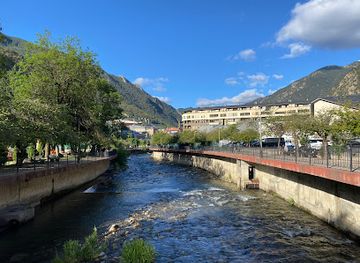
Explore La Massana on the map
Plan your La Massana trip on one map. See where the top attractions, landmarks, restaurants, bars and hotels are, find what's near where you're staying, and book hotels and experiences in a few clicks.
Best hotels in La Massana
Best restaurants in La Massana
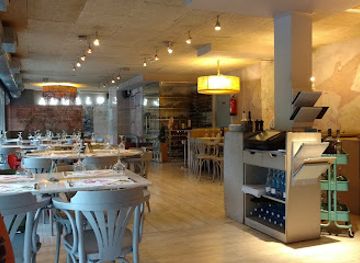
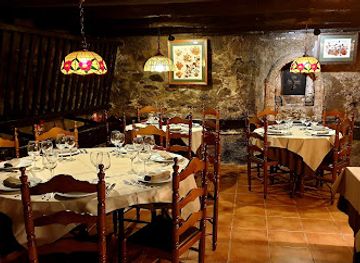
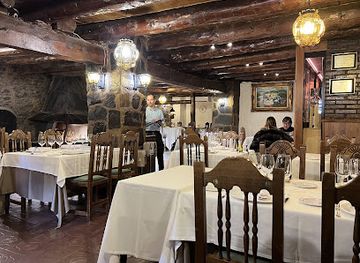
Dining in La Massana reflects Andorra’s mountain geography and Catalan and Pyrenean traditions. Traditional bordes, once rural barns and farm buildings, serve hearty dishes such as trinxat, a preparation of potato, cabbage and pork; escudella, a substantial winter stew; grilled meats; game when in season; and embotits, the region’s cured sausages. Cheese, mushrooms and mountain herbs also appear in local cooking, while pastries and seasonal produce provide lighter alternatives. Restaurants in La Massana and Arinsal range from informal cafés to established mountain dining rooms, with broader choice in the town than in smaller villages. Sispony, Pal and the roads through the parish offer atmospheric settings in converted stone buildings, although opening patterns can vary outside the main seasons. Andorran and Catalan influences sit comfortably alongside contemporary European menus shaped by the international ski community.
-
Pizza
Pizzeria Restaurant Angelo La Massana
Experience authentic Italian cuisine at Pizzeria Restaurant Angelo in La Massana, featuring delicious wood-fired pizzas and a welcoming atmosphere.
2 min walk · 0.2 km from city centre
-
Restaurant
Borda Xicoies (Antiga Raubert)
Discover authentic Andorran cuisine at Borda Xicoies in La Massana – where tradition meets flavor amidst stunning mountain views.
6 min drive · 2.0 km from city centre
-
Restaurant
La Borda de l'Avi
Discover La Borda de l'Avi: A culinary gem in La Massana offering authentic Andorran dishes in a cozy setting amidst breathtaking mountain views.
12 min walk · 1.0 km from city centre
-
Restaurant
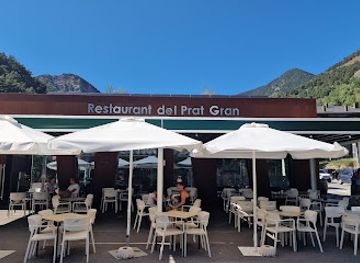
RESTAURANT - BAR PRAT GRAN
Experience authentic Andorran flavors at Restaurant - Bar Prat Gran in La Massana – delicious food in a cozy setting awaits you.
9 min walk · 0.7 km from city centre
Best bars in La Massana
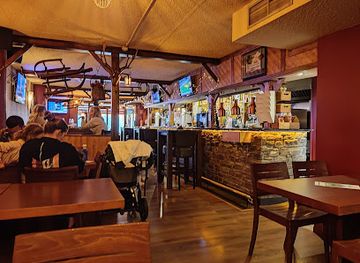
La Massana’s evenings are more convivial than metropolitan, with cafés, hotel bars and informal drinking spots concentrated in the town and in Arinsal. Arinsal has the liveliest après-ski atmosphere, particularly during the winter season, when visitors gather after skiing for drinks, music and relaxed socialising. La Massana itself is better suited to quiet dinners, conversation and low-key evenings, while larger clubs and a wider selection of late venues are found in Andorra la Vella and Escaldes-Engordany. Seasonal festivals and village celebrations may add live music or public entertainment, but programming changes throughout the year. Visitors should expect mountain-resort nightlife rather than a dense club district, and should take care on steep roads when travelling between settlements after dark.
-
Restaurant
Borda Xicoies (Antiga Raubert)
Experience the authentic flavors of Andorra at Borda Xicoies, a charming restaurant in La Massana offering a delightful taste of local cuisine.
6 min drive · 2.0 km from city centre
-
Bar
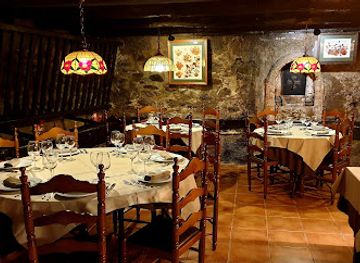
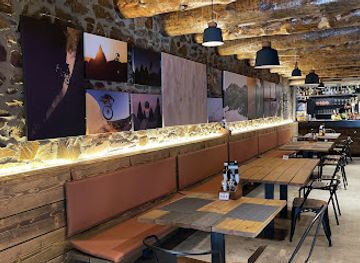
COMMENCAL SPOT
Experience the vibrant atmosphere and culinary delights at COMMENCAL SPOT, the ultimate bar and restaurant in La Massana, Andorra.
12 min walk · 1.0 km from city centre
-
Bar
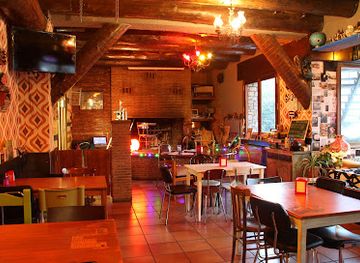
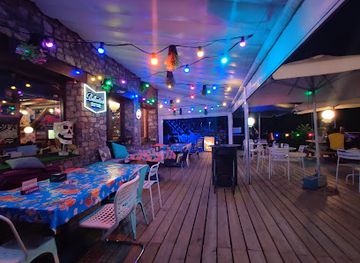
Mon Bohemi
Discover the vibrant atmosphere and eclectic flavors at Mon Bohemi, La Massana's premier bar and dinner theater experience.
2 min walk · 0.2 km from city centre
-
English
Hunters Sports Bar & Grill
Hunters Sports Bar & Grill: A delightful English dining experience in the heart of Arinsal, perfect for tourists seeking comfort food and a vibrant atmosphere.
12 min drive · 4.0 km from city centre
Best nightclubs in La Massana
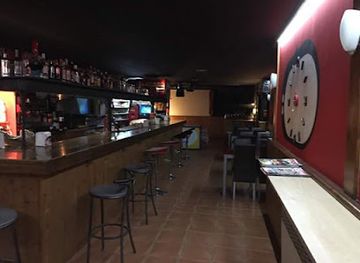
La Massana’s evenings are more convivial than metropolitan, with cafés, hotel bars and informal drinking spots concentrated in the town and in Arinsal. Arinsal has the liveliest après-ski atmosphere, particularly during the winter season, when visitors gather after skiing for drinks, music and relaxed socialising. La Massana itself is better suited to quiet dinners, conversation and low-key evenings, while larger clubs and a wider selection of late venues are found in Andorra la Vella and Escaldes-Engordany. Seasonal festivals and village celebrations may add live music or public entertainment, but programming changes throughout the year. Visitors should expect mountain-resort nightlife rather than a dense club district, and should take care on steep roads when travelling between settlements after dark.
-
Bar
Mon Bohemi
Discover Mon Bohemi: A lively bar and restaurant in La Massana offering delicious food, entertainment, and an unforgettable dining experience.
2 min walk · 0.2 km from city centre
-
Disco club
Klub Andorra
Discover the vibrant nightlife of Andorra la Vella at Klub Andorra, the ultimate disco club experience for party lovers.
13 min drive · 4.4 km from city centre
-
Disco club
Kapital Andorra
Experience the electrifying nightlife at Kapital Andorra, a premier disco club offering unforgettable nights filled with music, dancing, and vibrant energy.
14 min drive · 4.5 km from city centre
-
Bar
BAR CIUTAT INVICTA
Experience the vibrant atmosphere of Bar Ciutat Invicta in La Massana, where local flavors and friendly vibes meet stunning Andorran views.
1 min walk · 0.1 km from city centre


Best shops in La Massana
Shopping in La Massana is practical and locally oriented rather than centred on a large retail district. The town has supermarkets, outdoor-equipment shops, sports retailers, small specialist businesses and services supporting residents and visitors to Pal Arinsal. In the villages, independent shops and craft outlets may offer local food products, woollen goods, souvenirs and items associated with mountain life, although selection is more limited and seasonal than in Andorra la Vella. Visitors interested in Andorran flavours can look for cheeses, cured meats, preserves, chocolate and wines from the country’s small-scale producers. The parish’s most distinctive purchase may be an artisan object or regional product connected with its rural heritage, while extensive tax-free shopping and international brands are concentrated in the capital and Escaldes rather than La Massana’s village streets.
-
Department store
Pyrénées Andorra
Discover the ultimate shopping experience at Pyrénées Andorra, where luxury meets local charm in the heart of Andorra la Vella.
12 min drive · 4.0 km from city centre
-
Electronics Retail and Repair Shop
Fnac Andorra
Explore Fnac Andorra for the latest electronics, books, and multimedia in the heart of Andorra la Vella.
12 min drive · 4.0 km from city centre
-
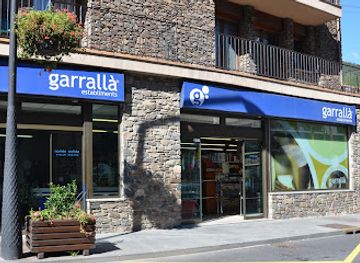
Supermarket
Establiments GARRALLÀ
Experience the essence of Andorran cuisine at Establiments GARRALLÀ, your go-to supermarket for local and international flavors.
4 min walk · 0.4 km from city centre
-
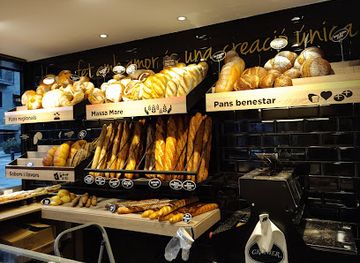
Bakery
Granier La Massana
Experience the best of Andorran baking at Granier La Massana, where every treat is a delicious journey into local flavors.
3 min walk · 0.2 km from city centre


Get your free copy of our complete guide to La Massana, delivered straight to you.
Everything on this page, from attractions and restaurants to essentials and local phrases, in one PDF you can read offline, print or share.
Already have an account? Sign in
Your La Massana guide is ready.
We'll send it to · Not you? Sign out

Getting your guide ready…
We are putting together a fresh copy of the La Massana guide. This can take up to a minute.
This can take a few moments. If your browser asks, choose Allow so the download can start. You'll find the guide in your Downloads folder.
Nothing happened? Download it again
Sorry, the guide is taking longer than usual. Please try again in a minute, or get it by email instead.
La Massana essentials
Currency and Payment
Safety
Emergency Situations
Do's and Don'ts
Local Tips
From Eve
Local phrases worth knowing
You don't need to get them perfect. A few words go a long way, and locals appreciate the effort.
Basics
| English | Local | Say it |
|---|---|---|
| Hello | Hola | [oh-lah] |
| Goodbye | Adéu | [ah-deh-oo] |
| Yes | Sí | [see] |
| No | No | [no] |
| Please/You're welcome | Si us plau/De res | [see oos plow/deh res] |
| Thank you | Gràcies | [grah-see-ehs] |
| Excuse me/Sorry | Perdoni/Ho sento | [pehr-doh-nee/oh sehn-toh] |
| How are you? | Com estàs? | [kohm ehs-tahs] |
| Fine. And you? | Bé. I tu? | [beh/ee too] |
| Do you speak English? | Parles anglès? | [pahr-lehs ahn-glehs] |
| I don't understand | No entenc | [no ehn-tenk] |
Eating & Drinking
| English | Local | Say it |
|---|---|---|
| I'd like to see the menu, please | M'agradaria veure la carta, si us plau | [mah-grah-dee-ah veh-oo-reh lah kahr-tah, see oos plow] |
| I don't eat meat | No menjo carn | [no mehn-hoh kahrn] |
| Cheers! | Salut! | [sah-lookt] |
| I would like to pay, please | Voldria pagar, si us plau | [vohl-dree-ah pah-gahr, see oos plow] |
Emergencies
| English | Local | Say it |
|---|---|---|
| Help! | Ajuda! | [ah-zhoo-dah] |
| Go away! | Ves-te'n! | [vehs-tehn] |
| Call the Police! | Truca la policia! | [troo-kah lah poh-lee-see-ah] |
| Call a doctor! | Truca un metge! | [troo-kah oon meht-geh] |
| I'm lost | Estic perdut/perduda | [ehs-teek pehr-dooh/pehr-doo-dah] |
| I'm ill | Estic malalt/malalta | [ehs-teek mah-lahlt/mah-lahlt-ah] |
Shopping
| English | Local | Say it |
|---|---|---|
| I'd like to buy... | M'agradaria comprar... | [mah-grah-dee-ah kohm-prahr] |
| I'm just looking | Només estic mirant | [noh-mehs ehs-teek mee-rahnt] |
| How much is it? | Quant val? | [koo-ahnt val] |
| That's too expensive | Això és massa car | [eye-shoh ehs mah-sah kahr] |
| Can you lower the price? | Pots baixar el preu? | [poh-tss bah-shahr ehl preh-oo] |
Time & Numbers
| English | Local | Say it |
|---|---|---|
| What time is it? | Quina hora és? | [kee-nah oh-rah ehs] |
| It's one o'clock | És la una en punt | [ehs lah oo-nah ehn poont] |
| Half past (10) | Dos quarts de onze | [dohs kwahrts deh ohn-zeh] |
| Morning | Matí | [mah-tee] |
| Afternoon | Tarda | [tahr-dah] |
| Evening | Vespre | [vehs-preh] |
| Yesterday | Ahir | [ah-eer] |
| Today | Avui | [ah-voo-ee] |
| Tomorrow | Demà | [deh-mah] |
| 1 | Un | [oon] |
| 2 | Dos | [dohs] |
| 3 | Tres | [trehs] |
| 4 | Quatre | [kwah-truh] |
| 5 | Cinc | [seengk] |
| 6 | Sis | [sees] |
| 7 | Set | [seht] |
| 8 | Vuit | [vweet] |
| 9 | Nou | [noh] |
| 10 | Deu | [deh-oo] |
Transport & Directions
| English | Local | Say it |
|---|---|---|
| Where's a/the...? | On és un/el...? | [ohn ehs oon/ehl] |
| What's the address? | Quina és l'adreça? | [kee-nah ehs luh-dreh-sah] |
| Can you show me (on the map)? | Em pots ensenyar (al mapa)? | [ehm poh-tss ehn-sehn-yahr (ahl mah-pah)] |
| When's the next (bus)? | Quan és el proper (autobús)? | [kwan ehs ehl proh-pehr (ow-toh-boos)] |
| A ticket (to ....) | Un bitllet (a ....) | [oon bee-yet (ah)] |
History of La Massana
A Pyrenean Parish Takes Shape
La Massana developed within Andorra’s long-established valley communities, whose livelihoods depended on small-scale agriculture, livestock, forestry and access to mountain pastures. The parish’s villages grew along routes linking the Valira del Nord valley with high passes and neighbouring valleys. Like other Andorran parishes, La Massana was shaped by local communal institutions and by the political arrangement between the Bishop of Urgell and the Count of Foix, whose rights in Andorra evolved into the country’s distinctive co-principality. The settlement pattern visible today, with dispersed villages rather than one dense urban centre, reflects this mountainous geography and the historic importance of household farming.
Romanesque Churches and Rural Faith
The Romanesque churches of the parish belong to the medieval religious landscape of the Andorran valleys. Sant Climent de Pal, with its simple stone form and slender bell tower, is among the best-known examples, while Sant Iscle and Santa Victòria in La Massana expresses the importance of a parish church within the community. These buildings served as places of worship, meeting and identity in settlements where religious and social life were closely connected. Their comparatively modest scale reflects local resources and mountain traditions rather than the monumental architecture found in larger European centres. Today, the churches preserve evidence of the parish’s medieval links with the wider cultural world of the Pyrenees.
Household, Land and Seasonal Work
For centuries, La Massana’s economy revolved around the borda, a rural building used for storing hay and housing livestock, and around houses that combined family life with agricultural work. Casa Rull in Sispony, now a museum, records this social order through its rooms, tools and domestic arrangements. Mountain meadows supported summer grazing, while forests supplied timber and slopes were cultivated where conditions allowed. The resulting landscape was neither untouched wilderness nor intensively farmed countryside, but a managed mosaic of fields, woodland, paths and pasture. This rural system began to weaken as Andorra’s economy shifted towards commerce, construction and tourism during the twentieth century.
Roads, Trade and Modernisation
Improved roads transformed La Massana’s relationship with the rest of Andorra during the nineteenth and twentieth centuries. Better connections encouraged trade, reduced the isolation of highland villages and made it easier for residents to work beyond the parish. The broader country’s economic transformation accelerated after the Second World War, when tourism, retail and construction expanded rapidly. La Massana retained its agricultural and village identity but gained services, housing and transport links suited to a more mobile population. The growth of winter tourism added a new economic layer, especially in the Arinsal and Pal valleys, where slopes that had once been used mainly for pastoral purposes became part of a ski landscape.
The Rise of Winter Tourism
Skiing became a major force in the parish’s modern development. The Pal and Arinsal sectors evolved into an important winter sports area, bringing lifts, pistes, accommodation and seasonal employment to the upper valleys. Arinsal in particular became associated with a younger, international visitor scene, while Pal retained a more village-like setting among forests and traditional buildings. Tourism influenced local architecture and infrastructure, yet the parish continued to protect and present its older heritage through churches, museums and village conservation. The ski area’s later integration within Pal Arinsal strengthened La Massana’s profile as a base for both winter sports and summer mountain activities.
Protected Landscapes and Present Identity
The creation of the Comapedrosa Natural Park in 2003 marked a modern recognition of the ecological and scenic importance of the parish’s high mountains. Covering the valleys and slopes around Andorra’s highest peak, the park supports hiking, environmental education and the conservation of alpine habitats. La Massana’s contemporary identity now rests on several overlapping strands: Romanesque heritage, village life, outdoor recreation, mountain hospitality and the careful interpretation of rural traditions. Events, museums and walking routes help connect these elements, while the parish’s natural setting continues to limit and define urban expansion. The result is a destination where tourism is closely tied to the landscape rather than separated from it.
Travel experiences inspired by this city
-
 12 Day Trip
Family Trekking Escape in Aigüestortes i Estany de Sant Maurici
Family hiking in Spain’s Aigüestortes i Estany de Sant Maurici: alpine lakes, scenic trails, refugios, and Catalan mountain cuisine—tips from a Nepali chef.
12 Day Trip
Family Trekking Escape in Aigüestortes i Estany de Sant Maurici
Family hiking in Spain’s Aigüestortes i Estany de Sant Maurici: alpine lakes, scenic trails, refugios, and Catalan mountain cuisine—tips from a Nepali chef.
 12 Aug 2026
By Rama Thapa -
 9 Day Trip
Exploring the Majestic Pyrenees: A Hiking Adventure with My Wife
Join us as we embark on a thrilling hiking adventure in the Pyrenees Mountains, discovering breathtaking landscapes and hidden gems with my wife.
9 Day Trip
Exploring the Majestic Pyrenees: A Hiking Adventure with My Wife
Join us as we embark on a thrilling hiking adventure in the Pyrenees Mountains, discovering breathtaking landscapes and hidden gems with my wife.
 5 Mar 2026
By Giorgos Georgiou -
 9 Day Trip
A Solo Retreat in Aigüestortes National Park
Discover the serene beauty of Aigüestortes National Park on a solo journey, exploring stunning landscapes and finding inspiration in nature.
9 Day Trip
A Solo Retreat in Aigüestortes National Park
Discover the serene beauty of Aigüestortes National Park on a solo journey, exploring stunning landscapes and finding inspiration in nature.
 15 Oct 2025
By Maria Bakker -
 8 Day Trip
Solo Adventure in Aigüestortes National Park
Explore the breathtaking landscapes of Aigüestortes National Park on a solo journey, embracing nature and photography in the heart of Spain.
8 Day Trip
Solo Adventure in Aigüestortes National Park
Explore the breathtaking landscapes of Aigüestortes National Park on a solo journey, embracing nature and photography in the heart of Spain.
 10 Oct 2025
By Daniel Young -
 13 Day Trip
Solo Adventure in Aigüestortes: Embracing Nature's Splendor
Explore the captivating landscapes of Aigüestortes i Estany de Sant Maurici National Park on a solo adventure, reconnecting with nature in the heart of the Pyrenees.
13 Day Trip
Solo Adventure in Aigüestortes: Embracing Nature's Splendor
Explore the captivating landscapes of Aigüestortes i Estany de Sant Maurici National Park on a solo adventure, reconnecting with nature in the heart of the Pyrenees.
 5 Jul 2025
By Frida Kristiansen
Swipe for more travel diaries
La Massana in Photos
Browse through our photo collection highlighting the charm and character of the destination.
Cities near La Massana
The closest cities to La Massana, if you have time for more than one stop.
-

-

-
-
-


Swipe for more cities
Explore more
Explore more of Andorra
Explore Andorra: A mountain paradise offering stunning landscapes, world-class skiing, tax-free shopping, and rich cultural experiences in the heart of the Pyrenees.
Explore Andorra