

Free Pas de la Casa Travel Guide & Mobile App
Plan your Pas de la Casa trip with Evendo. Get free guides to top attractions, restaurants, hotels, and bars. Web access or download the mobile app.


Pas de la Casa, Andorra’s high-altitude ski resort, combines Grandvalira slopes, Pyrenean scenery, winter sports, après-ski energy and easy access from France.
Life Above the Tree Line
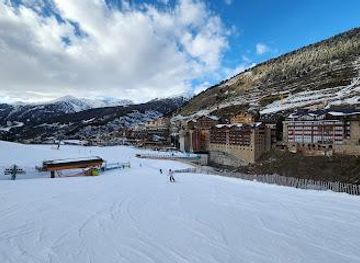
Pas de la Casa stands at around 2,080 metres in Andorra’s eastern Pyrenees, close to the French border and beneath the Port d’Envalira. Its high-altitude setting gives the settlement a distinctly alpine character: apartment buildings, ski shops, cafés and bars cluster around slopes that begin close to the town centre, while the surrounding peaks remain open and windswept above the tree line. In winter, the resort is one of the main access points to Grandvalira, Andorra’s extensive ski domain.Read more about Pas de la Casa
A Resort Shaped by the Mountains
Borderland Atmosphere
When is the best time to visit Pas de la Casa?
Best: July–September · 16–19°C| Month | High (°C) | Rainfall (mm) |
|---|---|---|
| January | 2 | 30 |
| February | 3 | 25 |
| March | 4 | 30 |
| April | 5 | 35 |
| May | 10 | 50 |
| June | 16 | 70 |
| July (best) | 19 | 80 |
| August (best) | 19 | 70 |
| September (best) | 16 | 50 |
| October | 12 | 40 |
| November | 7 | 35 |
| December | 5 | 30 |
Getting to and around Pas de la Casa
How to get there
Transportation
Best attractions in Pas de la Casa
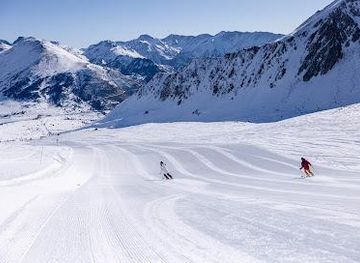
Pas de la Casa’s principal attraction is its immediate access to Grandvalira, where pistes and lifts spread across Andorra’s eastern mountain sectors and offer skiing and snowboarding in winter. The resort itself is compact, with equipment shops, cafés and terraces arranged around a high-altitude centre that feels more like a working ski base than an old Pyrenean village. The Port d’Envalira provides a dramatic viewpoint over the surrounding peaks when accessible, while the Envalira Tunnel illustrates the engineering required to connect Andorra with France. In warmer months, the snow-free landscape opens to hiking, road cycling and mountain excursions, with broad views across exposed ridges and valleys. The nearby Grau Roig sector, reached within the Grandvalira area rather than forming part of the town centre, offers a quieter setting for enjoying the mountain environment. The Església de Sant Pere adds a modest cultural stop amid the modern resort buildings.
-
Ski resort
Grandvalira Estació de Ski Grau Roig
Experience world-class skiing and snowboarding in the Andorran Pyrenees at Grandvalira Grau Roig, a winter paradise with stunning alpine scenery.
9 min drive · 3.0 km from city centre
-
Ski resort
Station de ski de Porté-Puymorens
Experience exhilarating skiing and stunning Pyrenean scenery at Station de Ski de Porté-Puymorens, a family-friendly resort close to Andorra.
18 min drive · 6.1 km from city centre
-
Ski resort
Grandvalira Estació de Ski Soldeu
Experience world-class skiing and vibrant après-ski in the heart of the Andorran Pyrenees at Grandvalira Estació de Ski Soldeu.
19 min drive · 6.4 km from city centre
-
Church
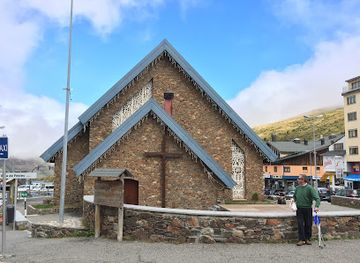
Esglesia de Sant Pere | Pas de la Casa
Discover a modern church in Pas de la Casa, offering a tranquil space with unique art and a welcoming community atmosphere.
2 min walk · 0.2 km from city centre

Best landmarks in Pas de la Casa
The Església de Sant Pere is Pas de la Casa’s principal religious landmark, a modest church that offers a point of local identity within a predominantly modern resort. The Port d’Envalira, rising above the settlement, is the area’s defining geographic landmark and one of the highest paved mountain passes in Europe; its route expresses the historic importance of crossing the eastern Pyrenees. Beneath the pass, the Envalira Tunnel is a major piece of transport infrastructure that has made the connection with France less dependent on exposed high roads during difficult conditions. The Pas de la Casa border and customs area also carry symbolic importance, marking the town’s role as Andorra’s high-mountain gateway to France. Unlike Andorra la Vella or some older villages, the resort has few historic buildings, and its architectural character is chiefly defined by twentieth-century apartment blocks, commercial frontages and ski infrastructure.
-
Restaurant
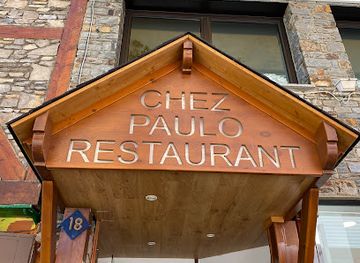
Chez Paulo Pas
Experience the heart of Andorran hospitality with a French twist at Chez Paulo Pas, where alpine flavors meet warm, inviting ambiance.
3 min walk · 0.3 km from city centre
-
Restaurant
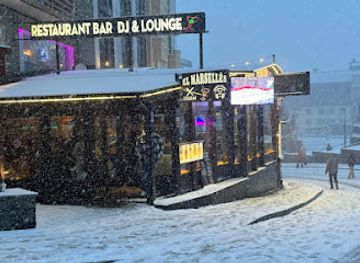
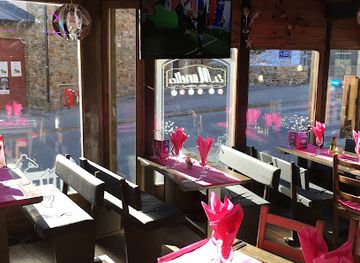
Restaurant El Marselles
Experience culinary delights and a lively atmosphere at El Marselles, Pas de la Casa's favorite restaurant and bar lounge.
5 min walk · 0.4 km from city centre
-
Restaurant
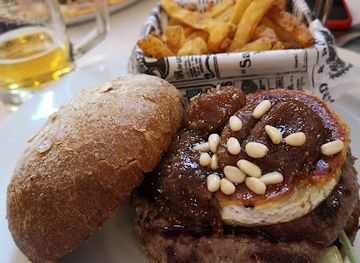
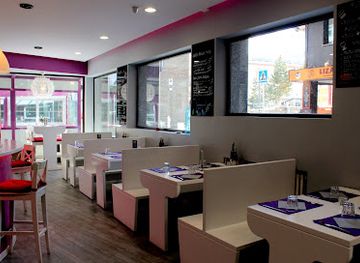
Oh Burger Lounge
Trendy burger lounge in Pas de la Casa offering gourmet burgers, pizzas, and French-American inspired dishes. Vegetarian-friendly!
4 min walk · 0.3 km from city centre
-
Restaurant
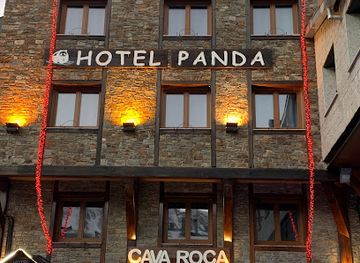
CAVA ROCA GRILL BAR
Savor grilled specialties and a vibrant atmosphere at CAVA ROCA GRILL BAR, a top dining destination in Pas de la Casa, Andorra.
2 min walk · 0.1 km from city centre

Explore Pas de la Casa on the map
Plan your Pas de la Casa trip on one map. See where the top attractions, landmarks, restaurants, bars and hotels are, find what's near where you're staying, and book hotels and experiences in a few clicks.
Best hotels in Pas de la Casa
Best restaurants in Pas de la Casa
Dining in Pas de la Casa reflects its role as an international ski resort and border settlement. Mountain cooking is represented by Andorran and Pyrenean favourites such as escudella, a hearty broth traditionally associated with winter, trinxat made with potato, cabbage and pork, and grilled meats suited to the cold climate. Restaurants and cafés in the central streets also serve French, Spanish, Italian and other European dishes, catering to visitors spending full days on the slopes. Casual breakfasts, takeaway food and après-ski snacks are easy to find, while supermarkets and bakeries provide practical provisions for self-catering apartments. The resort has less of the long-established market and farmhouse dining culture found in some lower valleys, but its food scene is useful, varied and strongly shaped by seasonal ski tourism and cross-border visitors.
-
Fast Food
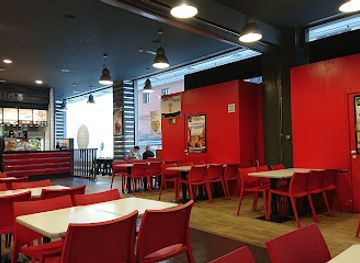
McDonald's
Discover delicious American fast food at McDonald's in Pas de la Casa - perfect for fueling your adventures in the Pyrenees!
2 min walk · 0.2 km from city centre
-
Restaurant
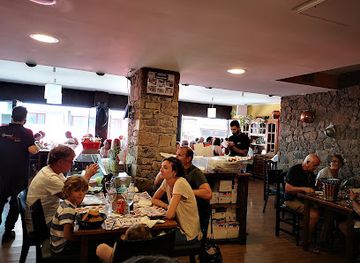
Chez Paulo Pas
Experience exceptional dining at Chez Paulo Pas in El Pas de la Casa - where local flavors meet international cuisine.
3 min walk · 0.3 km from city centre
-
Restaurant
Restaurant El Marselles
Experience authentic Andorran cuisine at Restaurant El Marselles in Pas de la Casa – where every dish tells a story.
5 min walk · 0.4 km from city centre
-
Restaurant
Oh Burger Lounge
Discover the flavors of Pas de la Casa at Oh Burger Lounge – where gourmet burgers meet cozy ambiance in the heart of Andorra.
4 min walk · 0.3 km from city centre
Best bars in Pas de la Casa
After dark, Pas de la Casa is one of Andorra’s livelier resort centres, particularly during the ski season. Bars around the central streets cater to different moods, from relaxed drinks and conversation to music-led après-ski venues and late-night dancing. The atmosphere is international and seasonally dependent, with much of the evening activity concentrated around visitors returning from the Grandvalira slopes. Restaurants, sports bars and informal venues provide alternatives to clubbing, while the compact layout makes it possible to move between the main entertainment areas on foot. The resort should not be confused with Andorra la Vella’s broader cultural and nightlife programme: Pas de la Casa’s evening identity is primarily recreational, youthful and linked to winter sports. Visitors should remain considerate in apartment buildings and check local transport arrangements before staying out late.
-
Bar
Restaurant El Marselles
Discover the flavors of Andorra at Restaurant El Marselles, a vibrant bar and restaurant in Pas de la Casa serving local delicacies and exquisite wines.
5 min walk · 0.4 km from city centre
-
Restaurant
Oh Burger Lounge
Experience gourmet burgers in the heart of Pas de la Casa at Oh Burger Lounge - a culinary haven for burger lovers.
4 min walk · 0.3 km from city centre
-
Restaurant
CAVA ROCA GRILL BAR
Discover a delightful blend of local flavors and warm hospitality at CAVA ROCA GRILL BAR in Pas de la Casa, perfect for every foodie.
2 min walk · 0.1 km from city centre
-
Grill
RESTAURANT CAL PADRÍ
Discover the rich flavors of Andorra at Restaurant Cal Padrí, a premier grill destination in Pas de la Casa, perfect for families and food enthusiasts.
4 min walk · 0.3 km from city centre


Best nightclubs in Pas de la Casa
After dark, Pas de la Casa is one of Andorra’s livelier resort centres, particularly during the ski season. Bars around the central streets cater to different moods, from relaxed drinks and conversation to music-led après-ski venues and late-night dancing. The atmosphere is international and seasonally dependent, with much of the evening activity concentrated around visitors returning from the Grandvalira slopes. Restaurants, sports bars and informal venues provide alternatives to clubbing, while the compact layout makes it possible to move between the main entertainment areas on foot. The resort should not be confused with Andorra la Vella’s broader cultural and nightlife programme: Pas de la Casa’s evening identity is primarily recreational, youthful and linked to winter sports. Visitors should remain considerate in apartment buildings and check local transport arrangements before staying out late.
-
Bar
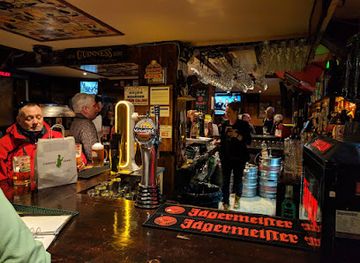
Paddy's Irish Bar
Discover the vibrant atmosphere and authentic Irish experience at Paddy's Irish Bar in Pas de la Casa, a top destination for nightlife and culture.
4 min walk · 0.4 km from city centre
-
Bar
Red Lion Pub
Experience the lively atmosphere of Red Lion Pub in Pas de la Casa, a popular bar offering a great selection of drinks and vibrant nightlife.
4 min walk · 0.3 km from city centre
-
Bar
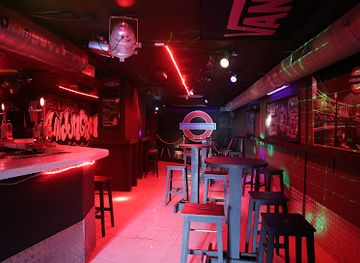
The Underground Bar
Discover the vibrant nightlife at The Underground Bar in El Pas de la Casa, where cozy ambiance meets a lively atmosphere perfect for unwinding after exploring.
4 min walk · 0.4 km from city centre
-
Disco club
BILBORD NIGHTCLUB
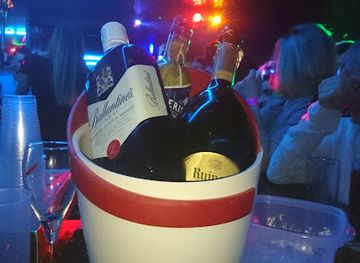
Discover the electrifying nightlife at Bilbord Nightclub in Pas de la Casa, where music and dancing create unforgettable memories.
4 min walk · 0.4 km from city centre

Best shops in Pas de la Casa
Shopping in Pas de la Casa is closely tied to its border position and winter-resort economy. Central streets contain sports retailers, ski and snowboard equipment shops, outdoor-clothing specialists, supermarkets, pharmacies and convenience stores serving visitors staying in self-catering apartments. The commercial atmosphere is practical and international rather than centred on traditional craft markets, and products commonly reflect mountain recreation, travel needs and Andorran retail culture. Visitors may also find confectionery, perfumes, tobacco and alcohol among the goods associated with shopping in Andorra, but customs allowances and regulations can apply when crossing the border, so purchases should be checked before departure. The resort’s independent shops and seasonal outlets are concentrated near the main streets and ski access, while larger-scale retail and a wider selection of boutiques are found elsewhere in Andorra rather than in Pas de la Casa itself.
-
Store
Pyrénées Andorra
Explore Pyrénées Andorra for a unique shopping experience nestled in the scenic mountains of Pas de la Casa.
2 min walk · 0.2 km from city centre
-
Wine store
Cave Passion
Explore a diverse selection of local and international wines at Cave Passion in El Pas de la Casa, the perfect stop for wine enthusiasts.
2 min walk · 0.2 km from city centre
-
Clothing store
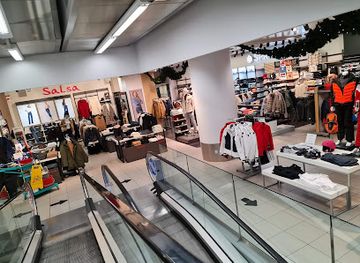
It Pas
Discover It Pas in Pas de la Casa: Your ultimate destination for stylish clothing and winter essentials in the heart of the Andorran mountains.
3 min walk · 0.2 km from city centre
-
Electronics store
fnac Andorra
Discover the ultimate electronics destination in Andorra at FNAC, where technology meets culture and entertainment for every traveler.
2 min walk · 0.2 km from city centre


Get your free copy of our complete guide to Pas de la Casa, delivered straight to you.
Everything on this page, from attractions and restaurants to essentials and local phrases, in one PDF you can read offline, print or share.
Already have an account? Sign in
Your Pas de la Casa guide is ready.
We'll send it to · Not you? Sign out

Getting your guide ready…
We are putting together a fresh copy of the Pas de la Casa guide. This can take up to a minute.
This can take a few moments. If your browser asks, choose Allow so the download can start. You'll find the guide in your Downloads folder.
Nothing happened? Download it again
Sorry, the guide is taking longer than usual. Please try again in a minute, or get it by email instead.
Pas de la Casa essentials
Currency and Payment
Safety
Emergency Situations
Do's and Don'ts
Local Tips
From Eve
Local phrases worth knowing
You don't need to get them perfect. A few words go a long way, and locals appreciate the effort.
Basics
| English | Local | Say it |
|---|---|---|
| Hello | Hola | [oh-lah] |
| Goodbye | Adéu | [ah-deh-oo] |
| Yes | Sí | [see] |
| No | No | [noh] |
| Please/You're welcome | Si us plau/De res | [see oos plow/deh res] |
| Thank you | Gràcies | [grah-syes] |
| Excuse me/Sorry | Perdoni/Ho sento | [pair-doh-nee/oh sent-oh] |
| How are you? | Com estàs? | [kom es-tahs] |
| Fine. And you? | Bé. I tu? | [bay/e too] |
| Do you speak English? | Parles anglès? | [par-les ahng-les] |
| I don't understand | No entenc | [noh en-tenk] |
Eating & Drinking
| English | Local | Say it |
|---|---|---|
| I'd like to see the menu, please | Voldria veure la carta, si us plau | [vol-dree-ah vew-reh lah car-tah, see oos plow] |
| I don't eat meat | No menjo carn | [noh men-jo karn] |
| Cheers! | Salut! | [sa-loot] |
| I would like to pay, please | Voldria pagar, si us plau | [vol-dree-ah pah-gar, see oos plow] |
Emergencies
| English | Local | Say it |
|---|---|---|
| Help! | Ajuda! | [ah-zhoo-dah] |
| Go away! | Vés-te'n! | [veys-ten] |
| Call the Police! | Truca a la Policia! | [troo-kah ah lah poh-lee-syah] |
| Call a doctor! | Truca al metge! | [troo-kah al meh-tche] |
| I'm lost | Estic perdut | [es-teek per-doot] |
| I'm ill | Estic malalt | [es-teek mah-lalt] |
Shopping
| English | Local | Say it |
|---|---|---|
| I'd like to buy... | Voldria comprar... | [vol-dree-ah kom-prar] |
| I'm just looking | Només miro | [no-mays mee-roh] |
| How much is it? | Quant val? | [kwant val] |
| That's too expensive | Això és massa car | [ay-sho es mah-sah kar] |
| Can you lower the price? | Podries baixar el preu? | [po-drees bah-shar el prew] |
Time & Numbers
| English | Local | Say it |
|---|---|---|
| What time is it? | Quina hora és? | [kee-nah or-ah es] |
| It's one o'clock | És la una en punt | [es lah oo-nah en punt] |
| Half past (10) | Les deu i mitja | [les dew ee meet-jah] |
| Morning | Matí | [ma-teeh] |
| Afternoon | Tarda | [tar-dah] |
| Evening | Vespre | [ves-preh] |
| Yesterday | Ahir | [ah-eer] |
| Today | Avui | [ah-vwee] |
| Tomorrow | Demà | [deh-mah] |
| 1 | Un | [oon] |
| 2 | Dos | [doss] |
| 3 | Tres | [tress] |
| 4 | Quatre | [kwa-truh] |
| 5 | Cinc | [sink] |
| 6 | Sis | [sees] |
| 7 | Set | [set] |
| 8 | Vuit | [vweet] |
| 9 | Nou | [noh] |
| 10 | Deu | [dew] |
Transport & Directions
| English | Local | Say it |
|---|---|---|
| Where's a/the...? | On és un/el...? | [on es oon/ehl] |
| What's the address? | Quina és la direcció? | [kee-nah es lah dee-rek-syo] |
| Can you show me (on the map)? | Em pots ensenyar (al mapa)? | [em pots en-sehn-yar (al mah-pah)] |
| When's the next (bus)? | Quan és el proper (autobús)? | [kwan es el proh-per (ow-toh-boos)] |
| A ticket (to ....) | Un bitllet (a ....) | [oon bee-yet (ah)] |
History of Pas de la Casa
A High Mountain Passage
Pas de la Casa developed beside the route over the Port d’Envalira, the high pass connecting Andorra with the Ariège area of France. For much of Andorra’s history, this was an exposed mountain crossing rather than an urban settlement. The severe climate and altitude limited permanent habitation, while movement through the pass was shaped by seasonal conditions, trade and the practical difficulties of crossing the eastern Pyrenees. The name, commonly understood as “pass of the house”, reflects the presence of a mountain shelter or house associated with the route. The strategic importance of the passage increased as modern roads made regular travel between Andorra and France more feasible.
Roads and Frontier Development
The modern identity of Pas de la Casa emerged during the twentieth century as road infrastructure improved and the border crossing became a more important link between Andorra and France. Buildings, shops and services gradually appeared around the road and customs area, creating a settlement focused on transport, commerce and seasonal visitors rather than traditional agriculture. The opening of the Envalira Tunnel in 2002 provided a lower and more weather-protected alternative to the pass, while the high route remained an important part of the area’s landscape and identity. This transport history helps explain the resort’s practical, modern appearance.
The Birth of Ski Tourism
Winter tourism transformed Pas de la Casa from a mountain passage into a resort. Ski infrastructure began developing in the 1950s, with the ski station commonly dated to 1957, encouraging the construction of accommodation, restaurants, rental shops and lifts. The settlement’s high elevation offered a strong natural advantage for snow sports, although it also exposed the town to wind and severe winter weather. As skiing became central to Andorra’s visitor economy, Pas de la Casa grew rapidly and acquired the dense apartment-building form visible today. Its development belongs to the wider twentieth-century shift from seasonal mountain travel to organised Pyrenean tourism.
Integration with Grandvalira
The linking of ski sectors across Andorra’s eastern valleys created Grandvalira, a large ski area that includes Pas de la Casa, neighbouring Grau Roig and other eastern resorts. This integration broadened the range of pistes and mountain routes available from the town, while connecting Pas de la Casa more closely to Andorra’s international winter-sports economy. The resort’s historical importance is therefore less about ancient monuments than about the social and economic transformation of a remote frontier environment. Today, its streets, lifts and seasonal businesses reflect the growth of mountain recreation, cross-border mobility and Andorra’s modern tourism infrastructure.
Pas de la Casa in Photos
Browse through our photo collection highlighting the charm and character of the destination.
Cities near Pas de la Casa
The closest cities to Pas de la Casa, if you have time for more than one stop.
-

-

-

-
-


Swipe for more cities
Explore more
Explore more of Andorra
Explore Andorra: A mountain paradise offering stunning landscapes, world-class skiing, tax-free shopping, and rich cultural experiences in the heart of the Pyrenees.
Explore Andorra