

Thabor-Saint Hélier (Rennes) Travel Guide - Free
Explore Thabor-Saint Hélier in Rennes with Evendo's free guide. Find the best shops, historic streets, restaurants, and gems on web or mobile.


Thabor-Saint Hélier in Rennes pairs the Thabor gardens, Saint-Melaine heritage, railway-town character, cultural venues and refined local dining.
Gardens and Historic Character
Thabor-Saint Hélier brings together two closely connected sides of Rennes: the landscaped calm of Parc du Thabor and the more urban, outward-looking streets around the Saint-Hélier railway quarter. To the north, the park occupies the former gardens of the Benedictine abbey of Saint-Melaine, with formal parterres, a rose garden, mature trees, an orangery and winding paths that provide one of the city’s most rewarding places for a walk. The church of Notre-Dame-en-Saint-Melaine stands at the park’s edge, linking the gardens to Rennes’ religious and architectural history.Read more about Thabor-Saint Hélier
Streets, Culture and Everyday Life
A Walk Between Two Landscapes
Best attractions in Thabor-Saint Hélier
The principal attraction is Parc du Thabor, a substantial urban garden combining formal French parterres, an English-style landscape, a rose garden, mature trees, an orangery and ornamental features associated with the former Benedictine estate. Its paths offer changing views and a calm contrast to the traffic of the station quarter. At the northern edge, Notre-Dame-en-Saint-Melaine provides a direct link to the site’s monastic past and is worth viewing alongside the park rather than as an isolated monument. Rue Saint-Hélier offers a different experience, with urban architecture, cafés and the Théâtre National de Bretagne forming a cultural route towards Rennes station. The nearby Vilaine and central quays can be incorporated into a longer walk, although they lie beyond the neighbourhood’s clearest garden-and-station identity.
-
Tourist attraction
Park Hamelin Oberthur
Discover a serene escape in Rennes at Parc Hamelin Oberthür, a historic botanical garden offering tranquility and natural beauty.
2 min walk · 0.1 km from neighbourhood centre
-
Botanical garden
Jardin Botanique et Roseraie
Discover Rennes' enchanting Parc du Thabor, a harmonious blend of French, English, and botanical gardens in the heart of the city.
6 min walk · 0.5 km from neighbourhood centre
-
Observation deck
Volière du Parc du Thabor
Discover exotic birds in a historic setting at the Volière du Parc du Thabor, a charming aviary in Rennes' beautiful Parc du Thabor.
9 min walk · 0.7 km from neighbourhood centre
-
Tourist attraction
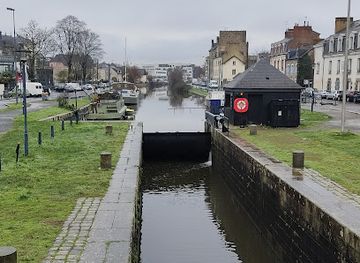
Écluse de Saint-Martin
Discover the historic Écluse de Saint-Martin in Rennes: a charming canal lock offering a peaceful escape and a glimpse into Brittany's past.
6 min drive · 1.8 km from neighbourhood centre


Best landmarks in Thabor-Saint Hélier
Parc du Thabor is the neighbourhood’s defining landmark, valued not simply as green space but as the surviving public expression of a former monastic garden transformed during the nineteenth century. Its formal flower beds, botanical planting, orangery and contrasting landscape styles give the site a clearly designed architectural and horticultural identity. Notre-Dame-en-Saint-Melaine, standing beside the park, anchors the area’s religious history and remains one of the most recognisable buildings in this part of Rennes. On the southern side, the Théâtre National de Bretagne is a major contemporary cultural landmark on rue Saint-Hélier, marking the route towards the railway station. The station itself belongs to the wider railway quarter, but its proximity explains the district’s urban scale, movement and continuing connection with the rest of Rennes.
-
Tourist attraction
Parc du Thabor
Explore the enchanting Parc du Thabor in Rennes, a stunning urban park filled with beautiful gardens, serene pathways, and vibrant culture, perfect for relaxation and discovery.
8 min walk · 0.7 km from neighbourhood centre
-
Tourist attraction
Cathédrale Saint-Pierre
Explore the stunning Cathédrale Saint-Pierre, a Gothic masterpiece in Rennes that showcases rich history and breathtaking architecture.
5 min drive · 1.6 km from neighbourhood centre
-
Historical landmark
Portes Mordelaises - Site historique Rennes centre
Discover the historical charm of Portes Mordelaises, a medieval landmark in Rennes that offers a glimpse into the city's rich heritage.
5 min drive · 1.8 km from neighbourhood centre
-
Cultural landmark
Palais Saint-Georges
Explore the architectural beauty and cultural significance of Palais Saint-Georges, a must-visit landmark in Rennes, France.
12 min walk · 1.0 km from neighbourhood centre


Explore Thabor-Saint Hélier on the map
A handpicked selection of must-see spots in Thabor-Saint Hélier, mapped for you.
Best hotels in Thabor-Saint Hélier
Best restaurants in Thabor-Saint Hélier
Dining in Thabor-Saint Hélier is shaped less by a single food market or culinary speciality than by its position between Rennes’ central streets, the park and the railway station. Rue Saint-Hélier and the connecting roads offer cafés, bakeries and restaurants suited to breakfast, a light meal or an evening before a performance, while the quieter streets near Thabor provide a more residential setting. Menus reflect the wider Breton and French dining culture of Rennes, with crêpes, galettes, seafood and seasonal cooking available across the city, alongside contemporary cafés and international options. The station side is practical for travellers and theatre-goers, whereas the park edge is better suited to a slower café stop. For a wider choice of specialist food shops and restaurants, the central shopping streets and markets are nearby but should not be confused with the neighbourhood itself.
-
Crêperie
La Fabrique St Georges
Experience the authentic taste of Brittany at La Fabrique St Georges - where every crêpe tells a story.
15 min walk · 1.2 km from neighbourhood centre
-
Restaurant
La Terrasse du Thabor
Discover La Terrasse du Thabor: where exquisite French cuisine meets serene natural beauty in Rennes' enchanting park.
10 min walk · 0.8 km from neighbourhood centre
-
Restaurant
Le Café des Bains
Experience authentic French bistro dining at Le Café des Bains in Rennes with delightful cuisine and a cozy atmosphere.
13 min walk · 1.1 km from neighbourhood centre
-
Crêperie
Crêperie du Thabor
Discover authentic Brittany flavors at Crêperie du Thabor in Rennes—where every crêpe tells a delicious story.
15 min walk · 1.2 km from neighbourhood centre


Best bars in Thabor-Saint Hélier
Evenings in Thabor-Saint Hélier are more cultural and restaurant-led than club-oriented. The Théâtre National de Bretagne on rue Saint-Hélier brings theatre, dance and other performing arts to the district, creating a natural focus for pre- and post-show drinks. Cafés and bars around the surrounding central streets offer informal places to continue an evening, while the station quarter has a practical, mixed urban atmosphere rather than a concentrated strip of nightclubs. Near Parc du Thabor, residential streets become markedly quieter after dark, so visitors should not expect the park itself to function as a nightlife venue. Rennes’ larger late-night offer extends into other central areas, readily reached from Saint-Hélier by foot or public transport.
-
Pub
Penny Lane
Discover the lively atmosphere of Penny Lane, a premier pub and cocktail bar in Rennes, perfect for music lovers and nightlife enthusiasts alike.
16 min walk · 1.3 km from neighbourhood centre
-
Bar
Tiffany's Pub Rennes
Experience the vibrant nightlife at Tiffany's Pub in Rennes, offering craft beers and a lively atmosphere for an unforgettable evening.
8 min walk · 0.6 km from neighbourhood centre
-
Bar
Ty Anna Tavarn
Discover the vibrant energy of Ty Anna Tavarn, a lively bar in Rennes known for its live music and welcoming atmosphere.
5 min drive · 1.5 km from neighbourhood centre
-
Bar
Le Tivoli
Discover the vibrant ambiance of Le Tivoli, a cozy bar and café in Rennes, where locals and tourists gather for delightful drinks and a taste of local culture.
14 min walk · 1.1 km from neighbourhood centre


Best nightclubs in Thabor-Saint Hélier
Evenings in Thabor-Saint Hélier are more cultural and restaurant-led than club-oriented. The Théâtre National de Bretagne on rue Saint-Hélier brings theatre, dance and other performing arts to the district, creating a natural focus for pre- and post-show drinks. Cafés and bars around the surrounding central streets offer informal places to continue an evening, while the station quarter has a practical, mixed urban atmosphere rather than a concentrated strip of nightclubs. Near Parc du Thabor, residential streets become markedly quieter after dark, so visitors should not expect the park itself to function as a nightlife venue. Rennes’ larger late-night offer extends into other central areas, readily reached from Saint-Hélier by foot or public transport.
-
Night club
1988 Live Club
Discover the rhythmic heart of Rennes at 1988 Live Club, where unforgettable nights come alive with electrifying music and vibrant energy.
5 min drive · 1.6 km from neighbourhood centre
-
Disco club
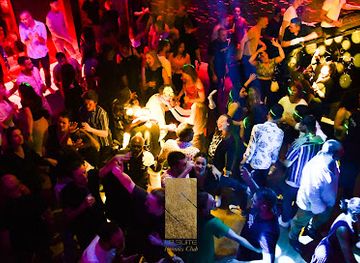
The Club Suite
Discover the electrifying nightlife of Rennes at The Club Suite, where music and dance come alive in a vibrant atmosphere.
17 min walk · 1.4 km from neighbourhood centre
-
Disco club
El Teatro - Rennes
Discover the vibrant nightlife at El Teatro, Rennes' premier disco club, where excitement and music come alive every night.
5 min drive · 1.6 km from neighbourhood centre
-
Club
BATCHI
Discover BATCHI in Rennes: A vibrant clubbing experience blending dance, drinks, and a welcoming LGBTQ+ atmosphere.
16 min walk · 1.2 km from neighbourhood centre



Best shops in Thabor-Saint Hélier
Shopping in Thabor-Saint Hélier is local and mixed rather than organised around a large retail centre. Rue Saint-Hélier and its connecting streets contain everyday businesses, cafés and smaller independent shops, with the railway side adding practical services for commuters and travellers. The park edge is primarily residential and cultural, so visitors should not expect a dense concentration of boutiques or specialist retailers within the gardens’ immediate surroundings. Rennes’ wider central shopping area lies close by, offering a broader selection of fashion, books, design goods and food shops, while the city’s established markets are elsewhere and should not be attributed to Thabor-Saint Hélier. The neighbourhood’s appeal for shoppers is therefore its walkable relationship to central retail streets, combined with the quieter atmosphere and architecture around the park.
-
Gift shop
Chouette ! Votre boutique de créateurs à Rennes
Explore Chouette! in Rennes for unique, locally crafted gifts and stylish accessories that embody the spirit of French creativity.
5 min drive · 1.5 km from neighbourhood centre
-
Gourmet grocery store
Les Sucrés Salés de Saint Hélier
Explore the gourmet treasures of Les Sucrés Salés de Saint Hélier in Rennes, where local flavors meet exquisite international delights.
10 min walk · 0.8 km from neighbourhood centre
-
Vintage clothing store
Rossignol de mes amours
Explore Rossignol de mes amours, Rennes' premier vintage clothing store, where every piece tells a story and style meets history.
10 min walk · 0.8 km from neighbourhood centre
-
Gift shop
Le Grenier des Anges
Explore the charm of Le Grenier des Anges, a treasure trove of unique gifts and stylish dresses in the heart of Rennes, perfect for every traveler.
16 min walk · 1.3 km from neighbourhood centre


Thabor-Saint Hélier essentials
Getting There
Getting Around
Safety
Emergency Situations
Do's and Don'ts
Local Tips

From Eve
Local phrases worth knowing
You don't need to get them perfect. A few words go a long way, and locals appreciate the effort.
Basics
| English | Local | Say it |
|---|---|---|
| Hello | Bonjour | [bohn-zhoor] |
| Goodbye | Au revoir | [oh ruh-vwahr] |
| Yes | Oui | [wee] |
| No | Non | [nohn] |
| Please/You're welcome | S'il vous plaît/De rien | [seel voo pleh/duh ryehn] |
| Thank you | Merci | [mehr-see] |
| Excuse me/Sorry | Excusez-moi/Désolé | [ehk-skew-zay mwa/deh-zoh-lay] |
| How are you? | Comment ça va? | [koh-mohn sa vah] |
| Fine. And you? | Bien. Et vous? | [byehn/eh voo] |
| Do you speak English? | Parlez-vous anglais? | [par-lay voo ahn-glay] |
| I don't understand | Je ne comprends pas | [zhuh nuh kohm-prahnd pah] |
Eating & Drinking
| English | Local | Say it |
|---|---|---|
| I'd like to see the menu, please | Je voudrais voir la carte, s'il vous plaît | [zhuh voo-dray vwahr lah kahrt, seel voo pleh] |
| I don't eat meat | Je ne mange pas de viande | [zhuh nuh mahnj pah duh vyahnd] |
| Cheers! | Santé! | [sahn-tay] |
| I would like to pay, please | Je voudrais payer, s'il vous plaît | [zhuh voo-dray peh-yay, seel voo pleh] |
Emergencies
| English | Local | Say it |
|---|---|---|
| Help! | Au secours! | [oh suh-koor] |
| Go away! | Allez-vous en! | [ah-lay voo zah] |
| Call the Police! | Appelez la police! | [ah-peh-lay lah poh-lees] |
| Call a doctor! | Appelez un médecin! | [ah-peh-lay uh may-duh-sahn] |
| I'm lost | Je suis perdu | [zhuh swee pehr-doo] |
| I'm ill | Je suis malade | [zhuh swee mah-lahd] |
Shopping
| English | Local | Say it |
|---|---|---|
| I'd like to buy... | Je voudrais acheter... | [zhuh voo-dray zheh-tay...] |
| I'm just looking | Je regarde juste | [zhuh ruh-gard zheh-stuh] |
| How much is it? | Combien ça coûte? | [kohm-byen sah koot] |
| That's too expensive | C'est trop cher | [say troh shehr] |
| Can you lower the price? | Pouvez-vous baisser le prix? | [poo-veh voo beh-say luh pree] |
Time & Numbers
| English | Local | Say it |
|---|---|---|
| What time is it? | Quelle heure est-il? | [kell uhr eh-teel] |
| It's one o'clock | Il est une heure | [eel eh tun uhr] |
| Half past (10) | Dix et demie | [dees ay duh-mee] |
| Morning | Matin | [mah-tahn] |
| Afternoon | Après-midi | [ah-pray-mee-dee] |
| Evening | Soir | [swahr] |
| Yesterday | Hier | [ee-yehr] |
| Today | Aujourd'hui | [oh-zhoor-dwee] |
| Tomorrow | Demain | [duh-man] |
| 1 | Un | [uhn] |
| 2 | Deux | [duh] |
| 3 | Trois | [twah] |
| 4 | Quatre | [kah-truh] |
| 5 | Cinq | [sank] |
| 6 | Six | [sees] |
| 7 | Sept | [sept] |
| 8 | Huit | [weet] |
| 9 | Neuf | [nuf] |
| 10 | Dix | [dees] |
Transport & Directions
| English | Local | Say it |
|---|---|---|
| Where's a/the...? | Où est...? | [oo eh...] |
| What's the address? | Quelle est l'adresse? | [kell eh lah-dress] |
| Can you show me (on the map)? | Pouvez-vous me montrer (sur la carte)? | [poo-veh voo muh mohn-tray (sir lah kahrt)] |
| When's the next (bus)? | Quand est le prochain (bus)? | [kahn eh luh proh-shain (boos)] |
| A ticket (to ....) | Un billet (pour ....) | [uhn bee-yay (poor)] |
History of Thabor-Saint Hélier
The Saint-Melaine Abbey Gardens
The northern part of the neighbourhood developed around the Benedictine abbey of Saint-Melaine, an important religious foundation whose presence shaped the area’s name and land use for centuries. The abbey stood beyond the historic core of Rennes, surrounded by gardens and cultivated land rather than the dense urban fabric seen today. Notre-Dame-en-Saint-Melaine, the surviving church associated with the site, preserves the clearest architectural reminder of this ecclesiastical past. The gardens later became the basis of the Thabor estate, allowing a former monastic landscape to remain central to the neighbourhood even as Rennes expanded around it.
From Monastic Estate to Public Park
During the nineteenth century, the former abbey gardens were reshaped as a public park. The landscape architect Denis Bühler redesigned the site in the 1860s, combining French-style parterres with an English garden, botanical planting and ornamental features. This arrangement established the essential character of Parc du Thabor: a carefully composed urban garden that provides both formal views and informal woodland walks. The transformation reflected the wider remaking of Rennes as a modern municipal city, while retaining the historical association with Saint-Melaine and making the grounds accessible as a civic amenity.
Railways and Saint-Hélier Expansion
The arrival of the railway in Rennes in 1857 altered the southern and eastern approaches to the city and encouraged development around the Saint-Hélier route. Streets leading towards the station acquired a more commercial and residential character, linking the older central districts with new patterns of movement and employment. Saint-Hélier consequently became a threshold between Rennes’ historic centre and its railway quarter. Its buildings and street plan reflect successive phases of urban growth rather than a single planned architectural style, with older parish connections existing alongside nineteenth-century expansion and later redevelopment.
A Modern Cultural and Residential Quarter
In the twentieth and twenty-first centuries, Thabor-Saint Hélier remained a mixed residential area while its position between the park, the station and the centre gave it increasing cultural importance. The Théâtre National de Bretagne established a major performing-arts presence on rue Saint-Hélier, adding contemporary public life to a corridor already shaped by transport and commerce. Renovated housing, changing businesses and improved connections around Rennes station have continued to alter the southern part of the neighbourhood. The result is a district where the enduring landscape of Thabor and Saint-Melaine coexists with the movement and cultural infrastructure of a modern regional capital.
Thabor-Saint Hélier in Photos
Browse through our photo collection highlighting the charm and character of the destination.
Neighbourhoods near Thabor-Saint Hélier
The closest neighbourhoods to Thabor-Saint Hélier, if you have time for more than one stop.
-

-


Swipe for more neighbourhoods
Explore more

Explore more of Rennes
Rennes, France, pairs medieval streets and Breton culture with lively markets, museums, student energy and easy access to Brittany's coast and countryside.
Explore Rennes