

Place Plumereau (Tours) Travel Guide - Free
Explore Place Plumereau in Tours with Evendo's free guide. Find the best shops, historic streets, restaurants, and gems on web or mobile.


Place Plumereau in Tours pairs medieval timber-framed houses, lively café terraces, historic streets and easy access to the Loire and Vieux Tours.
Medieval Streets and Timber-Framed Houses
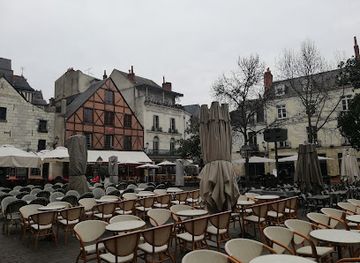
Place Plumereau is the social centre of Vieux Tours, the historic quarter west of the modern city centre. Its broad cobbled square is enclosed by restored medieval and Renaissance buildings, many with timber frames, projecting upper storeys and plastered façades in warm, varied colours. The surrounding streets, including Rue du Change, Rue du Grand Marché and Rue du Commerce, form a compact pedestrian area where architectural details reward slow exploration. Although the square is now associated with cafés and evening gatherings, its character comes from the surviving fabric of the old town rather than from any single monument.Read more about Place Plumereau
Life Around the Square
Old Tours and the Wider City
Best attractions in Place Plumereau
Place Plumereau's principal attraction is the square itself, where a group of restored medieval and Renaissance houses creates one of Tours' most recognisable urban scenes. Walk slowly around the perimeter to compare timber-framed façades, plaster colours, overhanging floors and stone ground levels, then follow Rue du Change and Rue du Grand Marché through the surrounding pedestrian quarter. The nearby Basilica of Saint Martin, rebuilt in the nineteenth century over the site associated with Saint Martin's tomb, adds a major religious landmark to the walk, while the Tour Charlemagne and the Tour de l'Horloge preserve fragments of the earlier basilica complex. The old quarter also rewards less structured exploration: small courtyards, independent galleries, specialist shops and side streets reveal how the historic centre functions beyond its busiest terrace. The Loire is close enough to extend the outing towards riverside promenades and bridges.
-
Tourist attraction
Cathédrale Saint-Gatien
Explore Tours' Cathédrale Saint-Gatien, a stunning Gothic masterpiece with a rich history and breathtaking stained glass.
11 min walk · 0.9 km from neighbourhood centre
-
Tourist attraction
Jardin botanique de Tours
Discover a serene escape in Tours' oldest public garden, featuring diverse plant collections, themed gardens, and animal encounters.
18 min walk · 1.4 km from neighbourhood centre
-
Tourist attraction
Basilique Saint-Martin de Tours
Discover the Basilique Saint-Martin in Tours, a Neo-Byzantine masterpiece built upon centuries of faith and the tomb of France's beloved Saint Martin.
2 min walk · 0.2 km from neighbourhood centre
-
Tourist attraction
Château de Tours
Explore contemporary art within the walls of a medieval castle, a unique cultural experience in the heart of Tours.
12 min walk · 0.9 km from neighbourhood centre


Best landmarks in Place Plumereau
The defining landmark of Place Plumereau is its ensemble of medieval and Renaissance town houses, particularly the timber-framed façades with projecting upper floors that line the square and adjoining streets. Their importance lies in the survival of an urban landscape rather than in a single monumental building: narrow plots, irregular alignments and mixed timber-and-masonry construction convey how the old town developed. Close by, the Basilica of Saint Martin marks the site associated with one of Tours' most important religious figures, while the Tour Charlemagne and Tour de l'Horloge are visible remnants of the former basilica complex. The square's name itself is a local historical marker, recalling Charles Plumereau and the later civic reshaping of the old quarter. Together these structures connect everyday city life with Tours' medieval, religious and nineteenth-century history.
-
Historical landmark
Vieux Tours
Discover the enchanting medieval beauty and vibrant atmosphere of Vieux Tours, a historical landmark in the heart of France.
1 min walk · 0.1 km from neighbourhood centre
-
Monument
Collégiale Saint Martin et Tour Charlemagne
Explore the breathtaking Collégiale Saint Martin and Tour Charlemagne in Tours, France, where history and stunning architecture come together.
2 min walk · 0.1 km from neighbourhood centre
-
Historical landmark
Place Plumereau
Experience the historical allure and vibrant atmosphere of Place Plumereau in Tours, a must-visit landmark for tourists seeking culture and charm.
1 min walk · 0.1 km from neighbourhood centre
-
Tourist attraction
Place Jean Jaurès
Explore the vibrant atmosphere and cultural richness of Place Jean Jaurès in Tours, a must-visit destination for every traveler.
9 min walk · 0.7 km from neighbourhood centre


Explore Place Plumereau on the map
A handpicked selection of must-see spots in Place Plumereau, mapped for you.
Best hotels in Place Plumereau
Best restaurants in Place Plumereau
Dining around Place Plumereau is shaped by the pedestrian streets and the historic buildings that house cafés, bistros, crêperies, wine bars and restaurants. Terraces dominate the square in good weather, while Rue du Grand Marché and the lanes towards Rue du Commerce offer a broader range of informal meals and evening dining. Menus in the central old town may draw on familiar regional cooking from Touraine, including local cheeses, rillettes and Loire Valley wines, alongside modern French food and international options suited to a student and visitor-oriented quarter. The square is convenient for a meal with an architectural setting, but it is worth comparing adjoining streets rather than choosing solely by the view. Market shopping and specialist food retailers elsewhere in central Tours can also supplement restaurant visits with regional produce and picnic ingredients.
-
Brasserie
Brasserie Irish Company
Experience authentic French cuisine at Brasserie Irish Company in Tours – where tradition meets vibrant pub culture.
1 min walk · 0.1 km from neighbourhood centre
-
Restaurant
La Manufacture
Discover La Manufacture: A delightful restaurant in Tours offering exquisite European cuisine and a warm atmosphere for an unforgettable dining experience.
1 min walk · 0.1 km from neighbourhood centre
-
Italian
Le Cappucino
Experience authentic Italian cuisine at Le Cappucino in Tours - where every dish tells a story.
1 min walk · 0.1 km from neighbourhood centre
-
French
La Plume Blanche
Experience the heart of French cuisine at La Plume Blanche in Tours - where tradition meets modern flair in every dish.
1 min walk · 0.1 km from neighbourhood centre


Best bars in Place Plumereau
After dark, Place Plumereau is known primarily for its café terraces, bars and sociable evening atmosphere rather than for large nightclubs. The surrounding pedestrian lanes contain a concentration of places for beer, wine, cocktails and casual gatherings, giving the quarter a livelier character than many residential parts of central Tours. Student life contributes to the evening energy, while the old façades and compact streets create a setting that feels more intimate than a dedicated entertainment district. Noise and crowds are greatest around the square itself, with quieter residential lanes only a short walk away. Visitors seeking live performances or larger late-night venues may need to look beyond Vieux Tours, so current listings should be checked separately rather than assuming every bar operates late or offers regular music.
-
Bar
Brasserie Irish Company
Discover the vibrant atmosphere and delectable menu at Brasserie Irish Company, a top dining bar in Tours blending Irish and French culinary traditions.
1 min walk · 0.1 km from neighbourhood centre
-
Bar
La Manufacture
Discover La Manufacture in Tours: A vibrant bar and brasserie serving exquisite European cuisine and local specialties in a charming setting.
1 min walk · 0.1 km from neighbourhood centre
-
Bar
Café Bar Au Temps des Rois
Discover the heart of Tours at Café Bar Au Temps des Rois, where delightful drinks and local flavors meet in a charming atmosphere.
1 min walk · 0.1 km from neighbourhood centre
-
Bar
MC Cool's
Discover the lively ambiance of MC Cool's, a top bar in Tours offering a diverse drink menu and a vibrant nightlife experience.
1 min walk · 0.1 km from neighbourhood centre



Best nightclubs in Place Plumereau
After dark, Place Plumereau is known primarily for its café terraces, bars and sociable evening atmosphere rather than for large nightclubs. The surrounding pedestrian lanes contain a concentration of places for beer, wine, cocktails and casual gatherings, giving the quarter a livelier character than many residential parts of central Tours. Student life contributes to the evening energy, while the old façades and compact streets create a setting that feels more intimate than a dedicated entertainment district. Noise and crowds are greatest around the square itself, with quieter residential lanes only a short walk away. Visitors seeking live performances or larger late-night venues may need to look beyond Vieux Tours, so current listings should be checked separately rather than assuming every bar operates late or offers regular music.
-
Cocktail bar
Bar Café Chaud
Experience the pulse of Tours at Bar Café Chaud, where cocktails, dancing, and live jazz come together for an unforgettable night out.
1 min walk · 0.1 km from neighbourhood centre
-
Bar
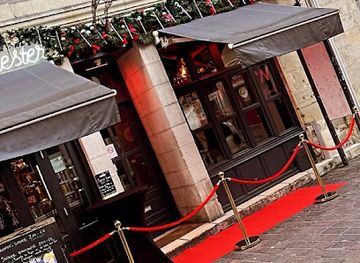
The Winchester
Discover the vibrant nightlife at The Winchester in Tours, a premier bar and club offering cocktails, live music, and energetic dance floors.
2 min walk · 0.2 km from neighbourhood centre
-
Disco club
Le Marquis - Tours
Discover the vibrant nightlife at Le Marquis - Tours, where electrifying music and late-night dancing create unforgettable memories.
1 min walk · 0.1 km from neighbourhood centre
-
Night club
Citizen Bar
Discover the pulse of Tours' nightlife at Citizen Bar, where great music and vibrant atmosphere await every night.
2 min walk · 0.1 km from neighbourhood centre


Best shops in Place Plumereau
Shopping around Place Plumereau is concentrated in small independent businesses rather than a single covered market or large retail complex. The pedestrian streets leading towards Rue du Grand Marché and Rue du Commerce contain boutiques, gift shops, galleries, bookshops and specialist food outlets, with the exact mix changing as businesses come and go. Visitors can browse regional wines and foods, French clothing and accessories, design-led gifts and locally themed products, although the square is more strongly associated with cafés and heritage architecture than with destination shopping. Rue Nationale, nearby, provides a larger mainstream retail selection, while Tours' regular markets elsewhere in the city are better suited to a substantial produce shop. The most rewarding retail experience in the old quarter comes from combining browsing with attention to the historic shopfronts and converted medieval buildings.
-
Vintage clothing store
Shop Vintage
Discover unique vintage clothing at Shop Vintage in Tours, blending timeless style with modern flair for the ultimate shopping experience.
3 min walk · 0.2 km from neighbourhood centre
-
Vintage clothing store
Victoryshop
Discover unique fashion pieces at Victoryshop, a charming vintage clothing store in the heart of Tours.
1 min walk · 0.1 km from neighbourhood centre
-
Clothing store
Monsieur Chris
Explore the chic collections at Monsieur Chris, where French elegance meets contemporary fashion in the heart of Tours.
1 min walk · 0.1 km from neighbourhood centre
-
Gift shop
FLEURENPLUME Concept Store
Discover unique gifts and stylish home decor at FLEURENPLUME Concept Store in Tours, the perfect shopping destination for tourists seeking local charm.
7 min walk · 0.5 km from neighbourhood centre


Place Plumereau essentials
Getting There
Getting Around
Safety
Emergency Situations
Do's and Don'ts
Local Tips

From Eve
Local phrases worth knowing
You don't need to get them perfect. A few words go a long way, and locals appreciate the effort.
Basics
| English | Local | Say it |
|---|---|---|
| Hello | Bonjour | [bon-zhoor] |
| Goodbye | Au revoir | [oh ruh-vwahr] |
| Yes | Oui | [wee] |
| No | Non | [nohn] |
| Please/You're welcome | S'il vous plaît / De rien | [seel voo pleh / deh ryen] |
| Thank you | Merci | [mehr-see] |
| Excuse me/Sorry | Excusez-moi / Désolé | [ex-koo-zay mwah / day-zoh-lay] |
| How are you? | Comment ça va? | [kom-mohn sah vah] |
| Fine. And you? | Bien. Et vous? | [byen. ay voo] |
| Do you speak English? | Parlez-vous anglais? | [par-lay voo ahn-glay] |
| I don't understand | Je ne comprends pas | [zhuh nuh kohm-prahnd pah] |
Eating & Drinking
| English | Local | Say it |
|---|---|---|
| I'd like to see the menu, please | Je voudrais voir le menu, s'il vous plaît | [zhuh voo-dray vwahr luh muh-nyuh, seel voo pleh] |
| I don't eat meat | Je ne mange pas de viande | [zhuh nuh mahnj pah duh vee-and] |
| Cheers! | Santé! | [sahn-tay] |
| I would like to pay, please | Je voudrais payer, s'il vous plaît | [zhuh voo-dray pay-ay, seel voo pleh] |
Emergencies
| English | Local | Say it |
|---|---|---|
| Help! | À l'aide! | [ah layd] |
| Go away! | Allez-vous en! | [ah-lay voo ahn] |
| Call the Police! | Appelez la police! | [ah-puh-lay lah poh-lees] |
| Call a doctor! | Appelez un médecin! | [ah-puh-lay uh may-deh-sahn] |
| I'm lost | Je suis perdu | [zhuh swee pair-doo] |
| I'm ill | Je suis malade | [zhuh swee mah-lahd] |
Shopping
| English | Local | Say it |
|---|---|---|
| I'd like to buy... | Je voudrais acheter... | [zhuh voo-dray zah-shay...] |
| I'm just looking | Je regarde juste | [zhuh ruh-gard zhust] |
| How much is it? | Combien ça coûte? | [kohm-byen sah koot] |
| That's too expensive | C'est trop cher | [say troh sher] |
| Can you lower the price? | Pouvez-vous baisser le prix? | [poo-vay voo bay-say luh pree] |
Time & Numbers
| English | Local | Say it |
|---|---|---|
| What time is it? | Quelle heure est-il? | [kel er ay-teel] |
| It's one o'clock | Il est une heure | [eel ay oon er] |
| Half past (10) | Dix heures et demi | [dees er ay dem-ee] |
| Morning | Matin | [mah-tahn] |
| Afternoon | Après-midi | [ah-pray-mee-dee] |
| Evening | Soir | [swahr] |
| Yesterday | Hier | [ee-ehr] |
| Today | Aujourd'hui | [oh-zhoor-dwee] |
| Tomorrow | Demain | [duh-man] |
| 1 | Un | [uhn] |
| 2 | Deux | [duh] |
| 3 | Trois | [twah] |
| 4 | Quatre | [kah-truh] |
| 5 | Cinq | [sank] |
| 6 | Six | [sees] |
| 7 | Sept | [set] |
| 8 | Huit | [weet] |
| 9 | Neuf | [nurf] |
| 10 | Dix | [dees] |
Transport & Directions
| English | Local | Say it |
|---|---|---|
| Where's a/the...? | Où est...? | [oo eh...] |
| What's the address? | Quelle est l'adresse? | [kel eh lah-dress] |
| Can you show me (on the map)? | Pouvez-vous me montrer (sur la carte)? | [poo-vay voo muh mohn-tray (surr lah kart)] |
| When's the next (bus)? | Quand est le prochain (bus)? | [kahnd eh luh pro-shahn (bus)] |
| A ticket (to ....) | Un billet (pour ....) | [uhn bee-yay (poor)] |
History of Place Plumereau
From Medieval Parish to Market Quarter
The area around present-day Place Plumereau developed within the medieval town of Tours, west of the main Roman and later commercial core. Its earlier associations included the parish of Saint-Pierre-le-Puellier, whose name survived in local references before the square acquired its present identity. The surrounding streets connected homes, workshops, religious foundations and trading activity, while the Loire and the town's bridges supported movement between Tours and the wider region. Much of the built environment visible today reflects the prosperity of the late medieval period, when timber-framed houses with narrow plots and overhanging upper floors were characteristic of the expanding town.
The Houses of Old Tours
The buildings surrounding Place Plumereau date chiefly from the fifteenth and sixteenth centuries, although many have been altered, rebuilt or restored over time. Their timber frames, masonry ground floors and projecting storeys reflect both local building practice and the commercial value of narrow urban plots. The nearby streets served a mixture of trades and domestic life rather than functioning solely as a ceremonial square. Fires, changing property ownership and later adaptations altered the medieval fabric, but enough historic structures survived to preserve the scale and irregularity of the old quarter.
A Square Named Plumereau
The square was named after Charles Plumereau, a nineteenth-century local figure associated with Tours; the name replaced the older Saint-Pierre-le-Puellier designation in modern municipal usage. This renaming formed part of the gradual reorganisation of the historic quarter as the city developed beyond its medieval core. For many years the area was not presented primarily as a leisure destination, and some old buildings suffered from neglect or insensitive alterations. Its later importance therefore depends not only on medieval survival but also on changing attitudes towards historic urban fabric.
Restoration and the Protected Old Town
The conservation of Vieux Tours accelerated during the twentieth century, particularly after post-war France introduced stronger mechanisms for protecting historic urban areas. Restoration work in the quarter repaired timber-framed façades, clarified historic streetscapes and adapted old buildings for shops, cafés and housing. This process helped make Place Plumereau one of Tours' best-known public spaces, while also changing its social and commercial balance. The square now combines resident life with tourism and hospitality, a contemporary role built upon the preservation of the surrounding medieval townscape.
Place Plumereau in Photos
Browse through our photo collection highlighting the charm and character of the destination.
Neighbourhoods near Place Plumereau
The closest neighbourhoods to Place Plumereau, if you have time for more than one stop.
-

-


Swipe for more neighbourhoods
Explore more

Explore more of Tours
Tours, France, pairs Renaissance streets and Loire Valley heritage with lively cafés, cathedral vistas, celebrated markets and easy château excursions.
Explore Tours