

Free Samtskhe-Javakheti Travel Guide & Mobile App
Explore Samtskhe-Javakheti with free travel guides. Discover regional history, expert tips, proposed trips, and audio guides on web or mobile app.


Explore Samtskhe-Javakheti for Vardzia, Rabati Castle, Borjomi's forests, volcanic lakes and Georgia's layered southern heritage.
Read more about Samtskhe-Javakheti
When is the best time to visit Samtskhe-Javakheti?
Best: June–August · 23–27°C| Month | High (°C) | Rainfall (mm) |
|---|---|---|
| January | 3 | 31 |
| February | 4 | 28 |
| March | 9 | 36 |
| April | 14 | 40 |
| May | 19 | 51 |
| June (best) | 23 | 45 |
| July (best) | 27 | 40 |
| August (best) | 26 | 35 |
| September | 22 | 30 |
| October | 16 | 35 |
| November | 9 | 40 |
| December | 2 | 35 |
Getting to and around Samtskhe-Javakheti
How to get there
Transportation
Top city travel guides in Samtskhe-Javakheti
The cities of Samtskhe-Javakheti, and the easiest places to base yourself.
-

-

-


Swipe for more cities
Destinations in Samtskhe-Javakheti
Resorts, valleys and scenic spots worth a trip of their own.
-

-

-


Swipe for more destinations
Best attractions in Samtskhe-Javakheti
Samtskhe-Javakheti's attractions range from major medieval monuments to expansive highland landscapes. Vardzia is the region's defining historical visit: its cliffside rooms, churches and passageways reveal the scale of a medieval monastic and defensive settlement. Around Akhaltsikhe, Rabati Castle introduces the region's Georgian, Ottoman and imperial layers, while nearby fortresses and churches reward travellers who follow the Mtkvari valley beyond the main town. Borjomi offers mineral-water traditions, a landscaped central park and access to forested trails in and around the Borjomi-Kharagauli protected landscape. Abastumani combines a mountain-resort setting with the historic Abastumani Astrophysical Observatory and walks through coniferous forests. The eastern districts are more spacious and austere, with Javakheti National Park, volcanic terrain, wetlands and lakes including Paravani, Saghamo, Madatapa and Kartsakhi. These areas are particularly suited to birdwatching, landscape photography and slow road travel, although services are limited and weather can be severe. Historic villages, Armenian churches, rural markets and roadside viewpoints complete an attraction landscape defined less by dense infrastructure than by distance, geology and cultural variety.
-
Tourist attraction
Borjomi Central Park
Discover Borjomi Central Park: A historic spa town oasis with mineral springs, scenic cable car rides & family-friendly attractions in the heart of Georgia.
-
Historical landmark
Vardzia
Explore Vardzia, Georgia's ancient cave monastery: a journey through history, art, and faith carved into the mountainside.
-
Bridge
White Bridge
Discover the architectural beauty and vibrant atmosphere of the White Bridge in Kutaisi, an iconic landmark that enchants every visitor.
-
Park
Amirani's Park
Escape to nature in Bakuriani's Amirani's Park: lush greenery, scenic views, and family-friendly fun in a tranquil mountain setting.


Best landmarks in Samtskhe-Javakheti
Rabati Castle in Akhaltsikhe is Samtskhe-Javakheti's most recognisable urban landmark. Its walls, towers, mosque, church and civic buildings illustrate the strategic and religious complexity of a frontier town, although much of the visible complex has been restored. Vardzia is more than an archaeological attraction: the honeycombed cliff above the Mtkvari remains a powerful symbol of medieval Georgian statecraft and monastic culture, with the Church of the Dormition at its core. In Borjomi, the mineral-water tradition is expressed through the resort town's park, springs and historic urban setting, while Abastumani's observatory gives the forested resort a scientific as well as therapeutic identity. The volcanic cone and shorelines around Javakheti's high lakes form a different kind of landmark, marked by open horizons rather than monumental architecture. Atskuri's fortress and historic religious remains, along with scattered defensive sites across the Mtkvari valley, show how strongly geography influenced the region's past. Together these places define a landscape where fortified routes, water, cliffs and upland horizons are as significant as individual buildings.
-
City park
Borjomi Central Park
Experience the natural beauty and tranquility of Borjomi Central Park, a must-visit destination in Georgia, perfect for relaxation and exploration.
-
Heritage museum
Akhaltsikhe (Rabati) Castle
Explore the rich history and stunning architecture of Akhaltsikhe Castle, a heritage museum that showcases Georgia's cultural legacy.
-
Historical landmark
Vardzia
Discover the awe-inspiring Vardzia cave monastery in Georgia, a UNESCO World Heritage site filled with rich history and stunning medieval architecture.
-
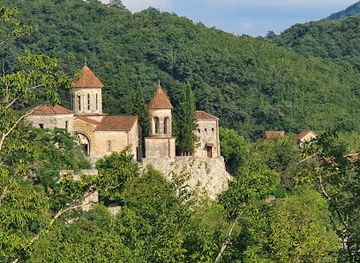
Monastery
Motsameta Monastery
Explore Motsameta Monastery, a serene spiritual haven in Georgia, surrounded by breathtaking landscapes and rich history.


Explore Samtskhe-Javakheti on the map
Plan your trip on one map. See where the top cities, national parks and sights are, and book hotels and experiences in a few clicks.
Best hotels in Samtskhe-Javakheti
Best restaurants in Samtskhe-Javakheti
Dining in Samtskhe-Javakheti combines familiar Georgian cooking with Meskhetian and highland traditions. Restaurants and family-run eateries in Akhaltsikhe and Borjomi commonly serve khinkali, khachapuri, grilled meats, beans, salads with walnuts and seasonal vegetables, while rural meals may place greater emphasis on dairy, bread and preserved foods. Meskhetian specialities include tenili cheese, traditionally pulled into fine strands and shaped into a distinctive compact form, as well as regional variations of filled breads such as meskhuri khachapuri. Javakheti's Armenian cultural influence is also reflected in home cooking and bakery traditions, though menus vary considerably between communities. Borjomi's mineral water is the region's best-known drink product, and local shops may also stock honey, preserves, cheese and dried fruit from surrounding farms. Food markets and village shops are useful for provisions on long excursions, since remote lake districts have few places to eat. In towns, the most reliable choices range from informal cafés and bakeries to Georgian restaurants and family tables arranged through local accommodation.
-
Georgian
Restaurant Mimino
Discover delicious Georgian cuisine at Restaurant Mimino in Akhaltsikhe – where tradition meets flavor in a cozy setting.
-
Georgian
Restaurant Chiko
Discover the rich flavors of Georgian cuisine at Restaurant Chiko in Aspindza - a true culinary delight for every traveler.
-
Georgian
Restaurant Kevri
Discover authentic Georgian cuisine at Restaurant Kevri in Khashuri - a true taste of tradition awaits you.
-
Restaurant
Old Bar-Restaurant Akhaltsikhe
Experience authentic Georgian cuisine at Old Bar-Restaurant Akhaltsikhe – where delicious flavors meet warm hospitality.


Best bars in Samtskhe-Javakheti
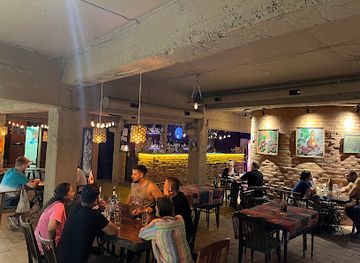
Nightlife in Samtskhe-Javakheti is modest and concentrated in Borjomi and Akhaltsikhe rather than organised around large club districts. Evening life generally centres on Georgian restaurants, hotel lounges, cafés and traditional pubs where visitors can try local wine, beer or chacha alongside food. Akhaltsikhe has the broadest choice of places for a later meal or drink, while Borjomi's resort setting brings a quieter mix of cafés, restaurants and seasonal evening activity. In Abastumani, evenings are more about the mountain atmosphere and dark skies than late-night entertainment. Smaller towns and Javakheti villages usually close early, and transport between settlements after dark can be limited. Live music and cultural programmes may appear at individual venues or during seasonal events, but schedules change. Visitors should treat nightlife as an extension of regional dining and hospitality rather than expect a major nightclub scene.
-
Wine bar
Wine vibes
Discover the essence of Georgian wines at Wine Vibes in Kutaisi, where every sip tells a story of tradition and flavor.
-
Restaurant
Dimitri’s Wine Cellar and Restaurant
Experience the best of Georgian cuisine and fine wines at Dimitri’s Wine Cellar and Restaurant in Borjomi, a culinary haven for all travelers.
-
Restaurant
Old Bar-Restaurant Akhaltsikhe
Experience the essence of Georgian cuisine at Old Bar-Restaurant Akhaltsikhe, where every dish tells a story of tradition and flavor.
-
Bar
Kantora 19
Discover the vibrant fusion of local and international cuisine at Kantora 19, a top destination in Akhaltsikhe for food lovers and travelers alike.


Best nightclubs in Samtskhe-Javakheti
Nightlife in Samtskhe-Javakheti is modest and concentrated in Borjomi and Akhaltsikhe rather than organised around large club districts. Evening life generally centres on Georgian restaurants, hotel lounges, cafés and traditional pubs where visitors can try local wine, beer or chacha alongside food. Akhaltsikhe has the broadest choice of places for a later meal or drink, while Borjomi's resort setting brings a quieter mix of cafés, restaurants and seasonal evening activity. In Abastumani, evenings are more about the mountain atmosphere and dark skies than late-night entertainment. Smaller towns and Javakheti villages usually close early, and transport between settlements after dark can be limited. Live music and cultural programmes may appear at individual venues or during seasonal events, but schedules change. Visitors should treat nightlife as an extension of regional dining and hospitality rather than expect a major nightclub scene.
-
Night club
Night Office
Dive into the electrifying nightlife of Tbilisi at Night Office, where music, dance, and unforgettable experiences await you.
-
Brewpub
Lager Bräu
Experience authentic Georgian brews and traditional cuisine at Lager Bräu, the must-visit brewpub in Akhaltsikhe.
-
Bar
Ziari Bar•ზიარი ბარი
Experience the vibrant nightlife of Kutaisi at Ziari Bar, where great music and affordable drinks create the perfect evening atmosphere.
-
Bar
Fresh Juices - Georgian traditional alcohol (Wine, Chacha, Cognac)
Discover the finest Georgian wines and traditional spirits at Fresh Juices in Gogasheni – a true taste of heritage and culture.


Best shops in Samtskhe-Javakheti
Shopping in Samtskhe-Javakheti is centred on practical market culture, regional food and locally made goods rather than large retail complexes. Akhaltsikhe has the region's broadest selection of supermarkets, everyday shops, bakeries and market stalls, while Borjomi offers visitor-oriented stores selling mineral water, honey, preserves, dried fruit, herbs and small souvenirs. Local cheeses, including Meskhetian tenili cheese when available, make distinctive food gifts, though travellers should consider packaging and border regulations before buying dairy products. Markets and village shops are useful for bread, fruit, vegetables and provisions for journeys into Javakheti, where retail options become sparse. Artisans and small galleries may offer feltwork, textiles, woodwork, ceramics or religious items, but supply varies and should not be assumed to be permanent. In historic areas, compare handmade goods with mass-produced souvenirs and ask about provenance when purchasing antiques or old-looking objects. The most rewarding purchases tend to be edible regional products and modest craft items rather than luxury goods.
-
Supermarket
Okey Supermarket
Explore the vibrant flavors of Georgia at Okey Supermarket, the perfect stop for local delicacies and essential goods in Akhaltsikhe.
-
Stationery store
პაპირონი Papironi - საკანცელარიო მაღაზია
Explore Papironi in Akhaltsikhe: Your one-stop stationery store offering books, supplies, and unique local treasures.
-
Shopping mall
Dzveli Store
Discover shopping, dining, and cultural treasures at Dzveli Store, the premier shopping destination in Aspindza, Georgia.
-
Coffee shop
Coffeex Akhalkalaki
Discover the rich flavors of coffee at Coffeex Akhalkalaki, a cozy haven for relaxation and socializing in the heart of the city.


Get your free copy of our complete guide to Samtskhe-Javakheti, delivered straight to you.
Everything on this page, from attractions and restaurants to essentials and local phrases, in one PDF you can read offline, print or share.
Already have an account? Sign in
Your Samtskhe-Javakheti guide is ready.
We'll send it to · Not you? Sign out

Getting your guide ready…
We are putting together a fresh copy of the Samtskhe-Javakheti guide. This can take up to a minute.
This can take a few moments. If your browser asks, choose Allow so the download can start. You'll find the guide in your Downloads folder.
Nothing happened? Download it again
Sorry, the guide is taking longer than usual. Please try again in a minute, or get it by email instead.
Samtskhe-Javakheti essentials
Currency and Payment
Safety
Emergency Situations
Do's and Don'ts
Local Tips
From Eve
Local phrases worth knowing
You don't need to get them perfect. A few words go a long way, and locals appreciate the effort.
Basics
| English | Local | Say it |
|---|---|---|
| Hello | გამარჯობა | [gamarjoba] |
| Goodbye | ნახვამდის | [nakhvamdis] |
| Yes | დიახ | [diakh] |
| No | არა | [ara] |
| Please/You're welcome | გთხოვთ | [gtxovt] |
| Thank you | მადლობა | [madloba] |
| Excuse me/Sorry | ბოდიშით | [bodishit] |
| How are you? | როგორ ხარ? | [rogor khar?] |
| Fine. And you? | კარგად. და შენ? | [kargad. da shen?] |
| Do you speak English? | ინგლისური გსმენიათ? | [inglisuri gsmeniat?] |
| I don't understand | შეიძლება ვერ ვხვდები | [sheidzleba ver vkhvdebi] |
Eating & Drinking
| English | Local | Say it |
|---|---|---|
| I'd like to see the menu, please | მინდა მენიუს ნახვა, გთხოვთ | [minda menyus nakhava, gtxovt] |
| I don't eat meat | ხორცს ვერ ვჭამ | [khorts ver vch'am] |
| Cheers! | სიხარულით! | [sikharulit!] |
| I would like to pay, please | მინდა გადახდა, გთხოვთ | [minda gadaxda, gtxovt] |
Emergencies
| English | Local | Say it |
|---|---|---|
| Help! | შველა! | [shvela!] |
| Go away! | გაქცევა! | [gak'ceva!] |
| Call the Police! | გამოიძახეთ პოლიცია! | [gamoidzakhet politsia!] |
| Call a doctor! | გამოიძახეთ ექიმი! | [gamoidzakhet eqimi!] |
| I'm lost | დაკარგული ვარ | [dak'arguli var] |
| I'm ill | მგრძნობელობა მაქვს | [mgzrvnebola makvs] |
Shopping
| English | Local | Say it |
|---|---|---|
| I'd like to buy... | მინდა ვიყიდო... | [minda viqido...] |
| I'm just looking | მხოლოდ ვათვალიერებ | [mkholod vathvaliereb] |
| How much is it? | რამდენია მისი ფასი? | [ramdenia misi pasi?] |
| That's too expensive | ეს ძალიან ძვირი არის | [es dzalian dzviri aris] |
| Can you lower the price? | შეგიძლიათ ფასის დაწევა? | [sheidzliat pasis datseva?] |
Time & Numbers
| English | Local | Say it |
|---|---|---|
| What time is it? | რამდენი საათია? | [ramdeni saatia?] |
| It's one o'clock | ერთი საათია | [erti saatia] |
| Half past (10) | ნახევარი (10) | [nakhavari (10)] |
| Morning | დილა | [dila] |
| Afternoon | საღამო | [saghamo] |
| Evening | საღამო | [saghamo] |
| Yesterday | წინასწარ | [ts'inats'ar] |
| Today | დღეს | [dghe] |
| Tomorrow | ხვალ | [khval] |
| 1 | ერთი | [erti] |
| 2 | ორი | [ori] |
| 3 | სამი | [sami] |
| 4 | ოთხი | [otkh'i] |
| 5 | ხუთი | [khuti] |
| 6 | ექვსი | [ekvsi] |
| 7 | შვიდი | [shvidi] |
| 8 | რვა | [rva] |
| 9 | ცხრა | [tskhr'a] |
| 10 | ათი | [ati] |
Transport & Directions
| English | Local | Say it |
|---|---|---|
| Where's a/the...? | სად არის ...? | [sad aris ...?] |
| What's the address? | რა არის მისამართი? | [ra aris misamarti?] |
| Can you show me (on the map)? | შეგიძლიათ მაჩვენოთ (ქარტაზე)? | [sheidzliat machanot (khartaze)?] |
| When's the next (bus)? | როდის არის შემდეგი (ავტობუსი)? | [rodis aris shemdeg (avtobusi)?] |
| A ticket (to ....) | ბილეთი (მდე ...) | [bileti (mde ...)] |
History of Samtskhe-Javakheti
Ancient Meskheti and Early Fortified Settlements
Samtskhe formed part of the ancient south-western Georgian cultural sphere traditionally associated with the Meskhi people. Its valleys connected the Georgian interior with Anatolia and the Armenian highlands, giving settlements in the area strategic importance. Fortified locations, ancient churches and archaeological remains testify to long occupation, although the region's historical record reflects successive political powers rather than a single uninterrupted state. The combination of defensible gorges, fertile river valleys and routes across the Lesser Caucasus shaped settlement patterns that remain visible around Akhaltsikhe, Atskuri and the Mtkvari valley.
The Medieval Georgian Kingdom and Vardzia
Samtskhe became especially important during the consolidation of the medieval Georgian kingdom. Under King George III and Queen Tamar in the late twelfth and early thirteenth centuries, the Mtkvari valley was strengthened as a route and defensive zone. Vardzia, carved into the Erusheti mountain above the river, developed as a monastic and fortified complex linked with this period. An earthquake later damaged part of the cliff settlement, while military incursions reduced its political importance. Its surviving churches, tunnels and chambers nevertheless preserve one of Georgia's most distinctive medieval legacies.
The Principality of Samtskhe
From the fourteenth century, Samtskhe was governed for long periods by the Jakeli dynasty, whose rulers operated the principality of Samtskhe from their stronghold at Akhaltsikhe. The principality occupied a frontier position between Georgian kingdoms and powerful neighbours, including Ottoman and Persian states. The Jakelis supported fortifications, churches and urban development, but their autonomy was increasingly pressured by regional empires. The political history of this period helps explain the concentration of defensive architecture in the region and the mixed cultural influences found in its historic towns.
Ottoman Rule and Frontier Exchange
The Ottoman Empire gradually incorporated Samtskhe into its administrative system during the sixteenth century, and the region remained an Ottoman frontier for several centuries. Akhaltsikhe, known in Ottoman contexts as Ahıska, was an important administrative and commercial centre. Islamic architecture and communities became part of the local historical landscape, alongside older Georgian Christian traditions. Trade, migration and military movement connected the area with eastern Anatolia and the wider Ottoman world. Rabati's mosque, baths and fortifications reflect this period, although the present complex also includes later reconstruction and restoration.
Russian Imperial Incorporation and Resort Development
Russian imperial forces took Akhaltsikhe in the early nineteenth century, and Samtskhe-Javakheti was subsequently incorporated into the Russian imperial system. New administrative structures, military roads and settlement policies altered the region's political and demographic balance. In the nineteenth and early twentieth centuries, Borjomi developed as a resort associated with mineral water, parkland and imperial-era travel, while Abastumani became known as a mountain health resort. The period left visible traces in civic buildings, resort architecture and transport links, as well as in changing patterns of land ownership and migration.
Soviet Transformation and the Meskhetian Deportation
During the Soviet period, collective agriculture, state administration and new infrastructure reshaped rural life across the region. A particularly painful event occurred in 1944, when Stalin's government deported the Meskhetian Muslim population from southern Georgia to Central Asia. Many families were unable to return for decades, and the consequences remain part of the region's social and historical memory. Soviet planning also affected Borjomi, Abastumani and the highland agricultural districts, while industrial and extractive activity altered some landscapes. Modern Samtskhe-Javakheti continues to reflect the legacies of both Soviet policy and earlier population movements.
Independent Georgia and Heritage Renewal
Since Georgia regained independence in 1991, Samtskhe-Javakheti has experienced renewed attention to cultural heritage, regional roads, tourism and protected landscapes. The restoration of Rabati Castle and the presentation of Vardzia have made the region more accessible to international visitors, while Borjomi remains one of the country's best-known resort towns. Javakheti's lakes and wetlands have gained importance for conservation and birdwatching. At the same time, the region continues to face practical challenges associated with remoteness, harsh winters, rural depopulation and the need to balance tourism with the preservation of historic sites and local communities.
Samtskhe-Javakheti in Photos
Browse through our photo collection highlighting the charm and character of the destination.
Neighbouring regions of Samtskhe-Javakheti
The closest regions to Samtskhe-Javakheti, if you have time for more than one.
-

-

-

-

-


Swipe for more regions
Explore more

Explore more of Georgia
Discover Georgia: A vibrant mix of ancient history, stunning landscapes, and warm hospitality at the crossroads of Europe and Asia.
Explore Georgia