David Gareji Monastery: A Cave Complex on the Georgian-Azerbaijani Border
Explore a historic cave monastery complex on the Georgian-Azerbaijani border, featuring stunning landscapes and ancient religious art.
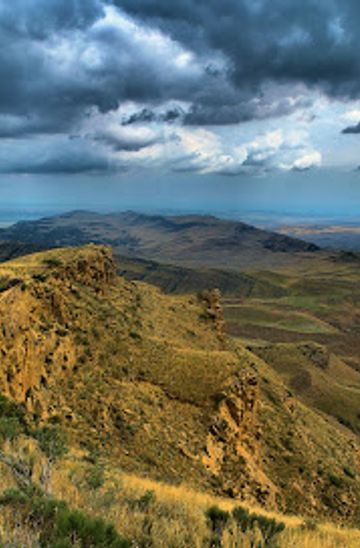
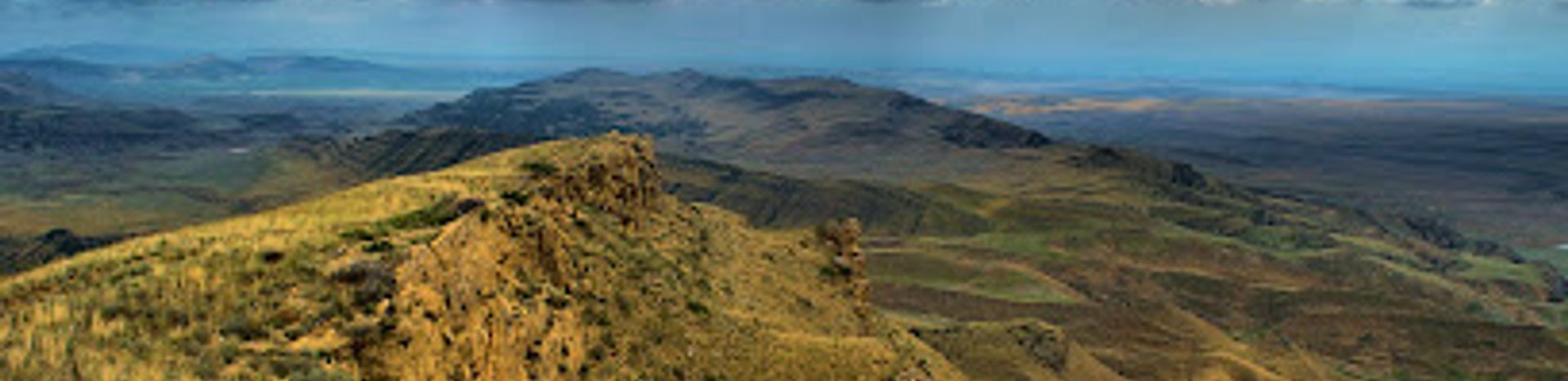
The David Gareji monastery complex is a network of cave monasteries dating back to the 6th century, founded by St. David Garejeli, one of the thirteen Assyrian monks who arrived to spread Christianity in Georgia. Carved into the slopes of Mount Gareja in Kakheti, near the border with Azerbaijan, the complex features hundreds of cells, churches, chapels, and living quarters hewn from the rock face.
A brief summary to David Gareji monastery
- C9WG+WHP, Udabno, GE

Know before you go
Hi, I'm Eve. Here are a few practical things to know before exploring David Gareji monastery.
- Wear comfortable shoes as the terrain is rocky and some hiking is required.
- Bring water and snacks, as there are no shops or cafes nearby.
- Dress modestly; it's a functioning religious site, so cover shoulders and knees.
- Check the border status, as some parts are near the Azerbaijan border and entry may be restricted.
- Go early to avoid the heat and enjoy quiet surroundings.
Do you manage this location?
Take control to get all the benefits, like improved information, better appearance, and stronger visibility across AI-powered discovery. Learn more
Activate your presence

Getting There
-
Driving
The David Gareji Monastery is located approximately 70 km southeast of Tbilisi. The easiest way to reach it is by car, taking around 2 to 2.5 hours. Take the Kakheti Highway and follow signs toward Udabno village, the closest settlement. From Udabno, it's a short drive to the monastery. The road to David Gareji is mostly paved, with a compact gravel section near Udabno. A vehicle with high clearance is recommended. Parking is available at the monastery. Expect to pay around 9-13 USD for fuel.
-
Shuttle Service
Gareji Line offers a shuttle service from Tbilisi to David Gareji, departing from Pushkin Square (near Liberty Square). The round trip costs 40 GEL per person. The shuttle typically departs at 11:00 AM and returns to Tbilisi around 7:00-8:00 PM. The journey takes approximately 2 hours each way. This option includes a stop for dinner in Udabno.
Discover more about David Gareji monastery
Explore the best of what David Gareji monastery has to offer













More about Kvemo Kartli
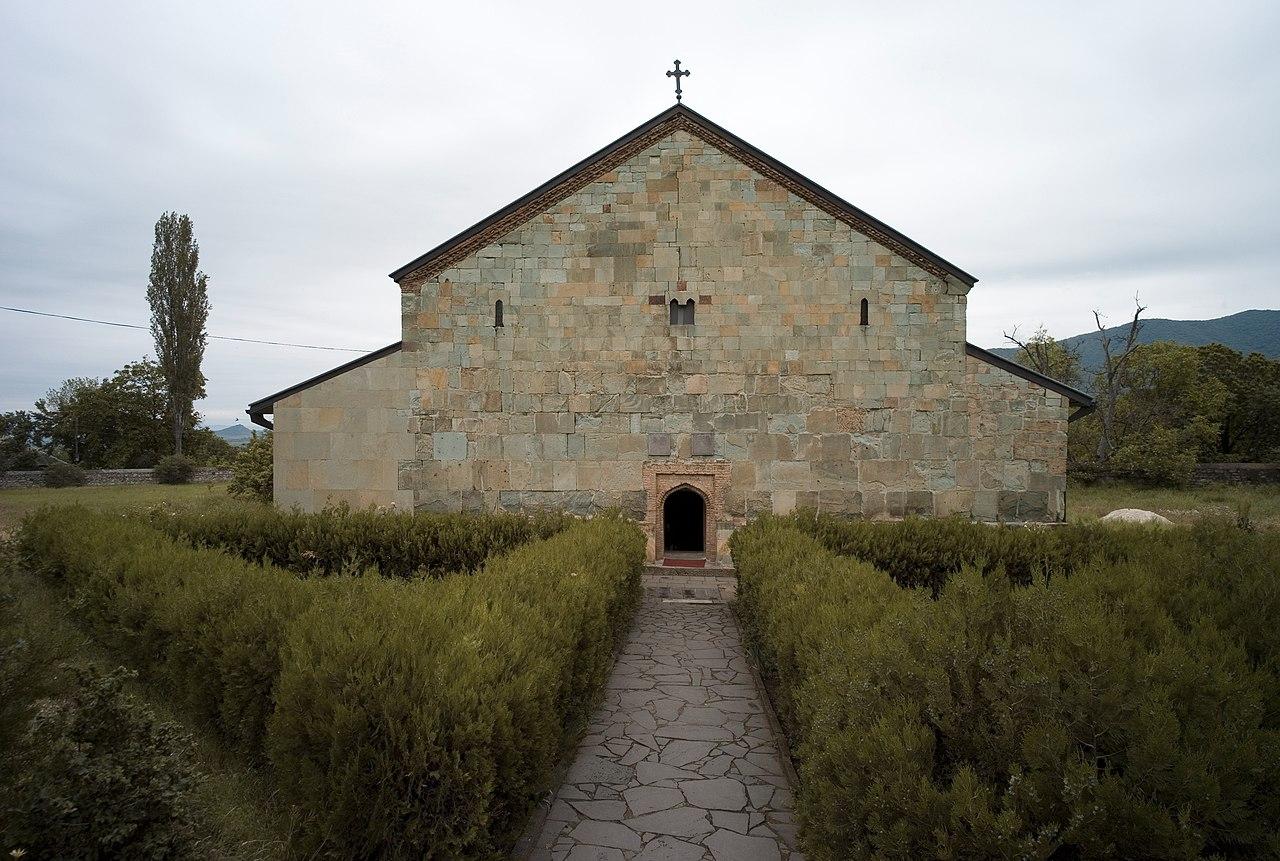
Discover Kvemo Kartli, a hidden gem in Georgia, where ancient history, stunning landscapes, and vibrant traditions await.
Tell me more about Kvemo Kartli
A place for reflection and remembrance, honoring the courage and sacrifice of Georgians during World War II in the heart of Sighnaghi.
Discover Kakheti, Georgia: a historic wine region with stunning landscapes, ancient monasteries, and unparalleled cultural experiences.