

Blood Mountain, Georgia Travel Guide
Explore Blood Mountain in Georgia: Hike to the highest peak on the Georgia Appalachian Trail and discover rich history, breathtaking views, and serene nature.
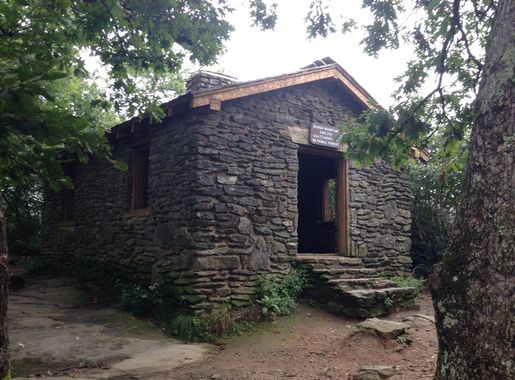
Blood Mountain is the highest peak on the Georgia section of the Appalachian Trail, standing at 4,458 feet. This majestic mountain offers breathtaking views, making it a favorite among hikers and nature enthusiasts. The hike to the summit is moderately challenging but well worth the effort, as the panoramic vistas of the surrounding Chattahoochee National Forest are simply stunning. Blood Mountain is rich in history and folklore. The name itself is thought to originate from a bloody battle fought between the Cherokee and Creek Indians. As you hike, you might come across ancient stone mounds and other remnants of the area's past, adding an intriguing historical layer to your adventure. One of the mountain's highlights is the Blood Mountain Shelter, a stone structure built in 1934 by the Civilian Conservation Corps. This shelter is a popular spot for Appalachian Trail hikers to rest and take in the incredible scenery. Whether you're a seasoned hiker or a beginner, Blood Mountain offers a memorable experience with its natural beauty, historical significance, and serene environment.

Know before you go
Hi, I'm Eve. Here are a few practical things to know before exploring Blood Mountain.
- Carry enough water and snacks, as there are no amenities along the trail.
- Wear sturdy hiking boots, as the trail can be rocky and steep in places.
- Visit in autumn for the best views of fall foliage.
- Arrive early to avoid crowds, especially on weekends.
- Check the weather forecast before you go, as conditions can change quickly at higher elevations.
Explore Blood Mountain: Things to Do, Places to Eat, Hotels & More
Handpicked recommendations for top attractions, local dining, accommodations, and more

Best attractions in Blood Mountain
Top-rated picks
Best Attractions

National Botanical Garden
Explore the National Botanical Garden in Tbilisi, a lush paradise showcasing Georgia's diverse flora and stunning landscapes.

Gelati Monastery
Experience the serene beauty and rich history of Gelati Monastery, a stunning UNESCO World Heritage site in the heart of Georgia.

Geghard Monastery
Discover the breathtaking beauty and spiritual significance of Geghard Monastery, a UNESCO World Heritage site nestled in the stunning Armenian countryside.

Creekstone Winery
Discover the charm of Creekstone Winery in Sautee Nacoochee, Georgia, where exceptional wines meet breathtaking landscapes for a memorable experience.


Best restaurants in Blood Mountain
Top-rated picks
Best Restaurants

Barbarestan
Experience authentic Georgian cuisine at Barbarestan in Tbilisi - where tradition meets modernity in every delicious bite.

Drunk Cherry Restaurant
Discover authentic Georgian flavors at Drunk Cherry Restaurant in Gudauri - where culinary tradition meets stunning mountain views.

Restaurant Tabla
Discover the flavors of Georgia at Restaurant Tabla – where tradition meets taste in Tbilisi's vibrant dining scene.

Sakhli # 11
Discover the essence of Georgia at Sakhli #11, where authentic cuisine meets warm hospitality in the heart of Tbilisi's Old Town.

Best bars in Blood Mountain
Top-rated picks
Best Bars

Fabrika Tbilisi
Discover the vibrant cultural scene at Fabrika Tbilisi, where history meets creativity in a dynamic urban space.

Cafe Stamba
Experience the vibrant fusion of Georgian flavors and modern charm at Cafe Stamba, a top bar and cafe in Old Tbilisi.

Marco Polo Hotel Gudauri
Discover luxury and adventure at Marco Polo Hotel Gudauri, your gateway to the stunning Kazbegi region and its breathtaking landscapes.

Wine Factory N1
Experience the rich flavors of Georgian cuisine and exceptional wines at Wine Factory N1, a must-visit destination in Old Tbilisi.

Best nightclubs in Blood Mountain
Top-rated picks
Best Nightclubs

Night Office
Dive into Tbilisi's vibrant nightlife at Night Office, where music, dance, and culture blend for an unforgettable experience.

Safe Night Club
Discover Tbilisi's vibrant nightlife at Safe Night Club, where electrifying music and an inviting atmosphere await you.

Mtkvarze
Experience the electrifying nightlife at Mtkvarze, Tbilisi’s premier night club, where music and dancing come alive along the scenic Mtkvari River.

Night Life
Experience the vibrant nightlife of Tbilisi at this top disco club, where music, dance, and fun come together for an unforgettable evening.

Best shops in Blood Mountain
Top-rated picks
Best Shops

Tbilisi Mall
Explore Tbilisi Mall, the ultimate shopping and entertainment destination in Tbilisi, Georgia, combining diverse shops, delicious dining, and family-friendly fun.

Galleria Tbilisi
Discover Galleria Tbilisi: A modern shopping haven blending tradition and contemporary flair in the heart of Georgia's capital.

Dezerter Bazaar
Experience the vibrant life of Tbilisi at Dezerter Bazaar, a bustling market filled with fresh produce, local delicacies, and cultural charm.

Dry Bridge Market
Explore the Dry Bridge Market in Tbilisi for a delightful mix of art, culture, and unique finds that reflect Georgia's rich heritage.

Explore Blood Mountain on the Map
A handpicked selection of must-see spots in Blood Mountain, mapped for you.
Blood Mountain Essentials
-
Blood Mountain is located in the Chattahoochee National Forest in Georgia. The nearest major airport is Hartsfield-Jackson Atlanta International Airport, about 90 miles away. From Atlanta, you can rent a car and drive to the mountain, which takes approximately 2 hours. Alternatively, you can take a bus to Gainesville, Georgia, and then hire a taxi or use ride-sharing services to reach Blood Mountain.
-
The best way to explore Blood Mountain and its surroundings is by car. There are no public transportation options that directly service Blood Mountain. Car rentals are available at Hartsfield-Jackson Atlanta International Airport, and driving allows you to explore the scenic routes at your own pace. Parking is available at various trailheads and visitor centers. For those who prefer not to drive, guided tours and shuttle services are also available.
-
The official currency is the US Dollar (USD). Credit and debit cards are widely accepted in nearby towns and at most tourist facilities. However, it's advisable to carry some cash for small purchases, especially if you plan to visit rural areas or local markets. ATMs are available in towns like Blairsville and Dahlonega, but it’s wise to withdraw sufficient cash before heading into the more remote areas.
-
Blood Mountain is generally safe for tourists, but it’s important to take standard precautions. Keep an eye on your belongings and avoid leaving valuables in your car, especially at trailheads. While violent crime is rare, petty theft can occur. Always stay on marked trails and carry a map or GPS device. Cell phone service can be spotty, so inform someone about your hiking plans. Be cautious of wildlife and weather conditions, especially during winter months.
-
In case of emergency, dial 911 for immediate assistance. The nearest hospitals are located in Blairsville and Dahlonega. It’s recommended to carry a first aid kit and know basic first aid procedures. For minor health issues, there are pharmacies in nearby towns. Ensure you have travel insurance that covers medical emergencies and outdoor activities. Park rangers can also provide assistance, and emergency shelters are available at some trailheads.
-
Fashion: Do wear comfortable hiking gear and sturdy shoes. Dress in layers to accommodate changing weather conditions. Avoid wearing flashy jewelry. Religion: There are no specific religious customs to observe, but always be respectful of any local cultural practices. Public Transport: Public transport is limited, so plan your travel accordingly. Don't rely on public transport for getting around the mountain. Greetings: A simple hello or a nod is generally sufficient. Locals are friendly and welcoming. Eating & Drinking: Do try local cuisine in nearby towns. Carry sufficient water and snacks when hiking. Don’t litter; always carry out what you carry in.
-
To experience Blood Mountain like a local, consider visiting during the less busy weekdays. Early mornings offer the best chance to see wildlife and enjoy the serene environment. Participate in local events and festivals in nearby towns like Dahlonega's Gold Rush Days. Engage with locals at farmers' markets for fresh produce and unique crafts. Explore hidden trails and lesser-known viewpoints for a more intimate experience with nature.
When is the best time to visit Blood Mountain?
Useful Local Phrases for Blood Mountain
You don't need to speak the language perfectly. Even learning a few simple words can make conversations warmer—and locals usually appreciate the effort.
— Eve

Here are the phrases I use most often in Blood Mountain. Try a few—you'll be surprised how far they go! 😊
❤️
-
- HelloHowdy
[haw-dee] - GoodbyeSee ya
[see yah] - YesYup
[yuhp] - NoNah
[nah] - Please/You're welcomePlease/No problem
[pleez / no problum] - Thank youThanks
[thanks] - Excuse me/SorryPardon me/My bad
[pahr-dun mee / my bad] - How are you?How ya doin'?
[how yuh doin] - Fine. And you?Fine. And you?
[fine. and yuh?] - Do you speak English?Ya speak English?
[yah speak ing-glish] - I don't understandI ain't followin'
[I aint fah-luh-win]
- HelloHowdy
-
- I'd like to see the menu, pleaseI'd like to see what ya got
[I'd like to see whut yuh got] - I don't eat meatI don't eat meat
[I don't eat meat] - Cheers!Cheers!
[cheers] - I would like to pay, pleaseI'm ready to settle up
[I'm ready to settle up]
- I'd like to see the menu, pleaseI'd like to see what ya got
-
- Help!Help!
[help] - Go away!Git!
[git] - Call the Police!Ring up the Sheriff!
[Ring up the Sheriff] - Call a doctor!Get a doc!
[Get a doc] - I'm lostI'm turned around
[I'm turned around] - I'm illI feel poorly
[I feel poorly]
- Help!Help!
-
- I'd like to buy...I wanna pick up...
[I wanna pick up] - I'm just lookingI'm just browsin'
[I'm just brow-sin] - How much is it?How much fer that?
[How much fur that] - That's too expensiveThat's steep
[That's steep] - Can you lower the price?Can ya do better on the price?
[Can yuh do better on the price]
- I'd like to buy...I wanna pick up...
-
- What time is it?What's the time?
[What's the time] - It's one o'clockIt's one o'clock
[It's one o'clock] - Half past (10)Half past ten
[Half past ten] - MorningMornin'
[mornin] - AfternoonAfternoon
[Afternoon] - EveningEvenin'
[evenin] - YesterdayYest'day
[Yest'day] - TodayToday
[Today] - TomorrowTomorra
[Tomorra] - 1One
[wun] - 2Two
[too] - 3Three
[three] - 4Four
[four] - 5Five
[five] - 6Six
[six] - 7Seven
[sev-en] - 8Eight
[aight] - 9Nine
[nine] - 10Ten
[ten]
- What time is it?What's the time?
-
- Where's a/the...?Where's the...?
[Where's the] - What's the address?What's the address?
[What's the address] - Can you show me (on the map)?Can you show me (on the map)?
[Can you show me (on the map)] - When's the next (bus)?When's the next (bus)?
[When's the next (bus)] - A ticket (to ....)A ticket (to ....)
[A ticket (to ....)]
- Where's a/the...?Where's the...?
History of Blood Mountain
-
Blood Mountain, the highest peak on the Georgia section of the Appalachian Trail, is a place steeped in history and cultural significance. With an elevation of 4,458 feet, it offers panoramic views and is a popular destination for hikers and history enthusiasts alike.
-
Blood Mountain holds great significance for the Cherokee and Creek Native American tribes. The mountain's name is believed to come from a historic battle fought between these two tribes. This ancient conflict left a lasting impression on the land, and the mountain's name serves as a reminder of the area's pre-colonial history.
-
The first European settlers in the area arrived in the late 1700s. These early explorers were drawn by the region's natural beauty and resources. Blood Mountain became a landmark for these settlers as they navigated and mapped the uncharted territories of what is now northern Georgia.
-
During the American Civil War, Blood Mountain served as a strategic lookout point. Both Confederate and Union forces used the mountain to observe troop movements and plan their maneuvers. The mountain's vantage point provided critical insights during this tumultuous period in American history.
-
In 1937, Blood Mountain became an integral part of the Appalachian Trail, a 2,190-mile long-distance hiking trail that stretches from Georgia to Maine. The Blood Mountain Shelter, built by the Civilian Conservation Corps in the 1930s, still stands as a testament to the trail's enduring legacy.
-
Today, Blood Mountain is a popular destination for hikers, nature lovers, and outdoor enthusiasts. The mountain's trails offer a range of experiences, from challenging ascents to leisurely walks. Each year, thousands of visitors come to experience its natural beauty, rich history, and cultural significance.
Neighbouring destination travel guides
Browse our curated selection of top destinations, scenic points, and must-visit spots in the area.



Your all‑in‑one travel companion app
Explore expert travel guides, compare and book tours, experiences, hotels, and more—all from the palm of your hand. Download now for seamless trip planning wherever your wanderlust takes you.


Explore More of Georgia

Looking beyond Blood Mountain? Discover Georgia for broader travel guides, local hot-spots, and regional highlights.
Explore GeorgiaBlood Mountain in Photos
Browse through our photo collection highlighting the charm and character of the destination.


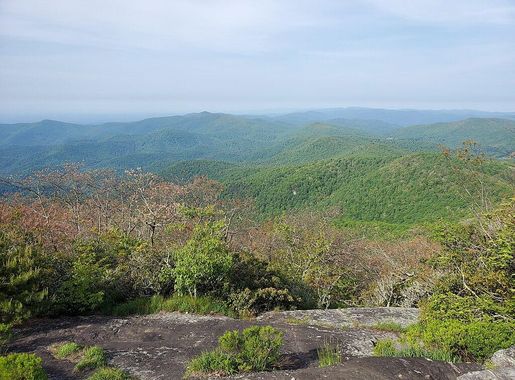




Blood Mountain: The Crown Jewel of North Georgia's Wilderness
Blood Mountain is the highest peak on the Georgia section of the Appalachian Trail, standing at 4,458 feet. This majestic mountain offers breathtaking views, making it a favorite among hikers and nature enthusiasts. The hike to the summit is moderately challenging but well worth the effort, as the panoramic vistas of the surrounding Chattahoochee National Forest are simply stunning. Blood Mountain is rich in history and folklore. The name itself is thought to originate from a bloody battle fought between the Cherokee and Creek Indians. As you hike, you might come across ancient stone mounds and other remnants of the area's past, adding an intriguing historical layer to your adventure. One of the mountain's highlights is the Blood Mountain Shelter, a stone structure built in 1934 by the Civilian Conservation Corps. This shelter is a popular spot for Appalachian Trail hikers to rest and take in the incredible scenery. Whether you're a seasoned hiker or a beginner, Blood Mountain offers a memorable experience with its natural beauty, historical significance, and serene environment.