Ninotsminda cathedral, Kakheti Travel Guide
Explore the ruins of Ninotsminda Cathedral, a cornerstone of Georgian architecture and a symbol of enduring faith in the Kakheti region.
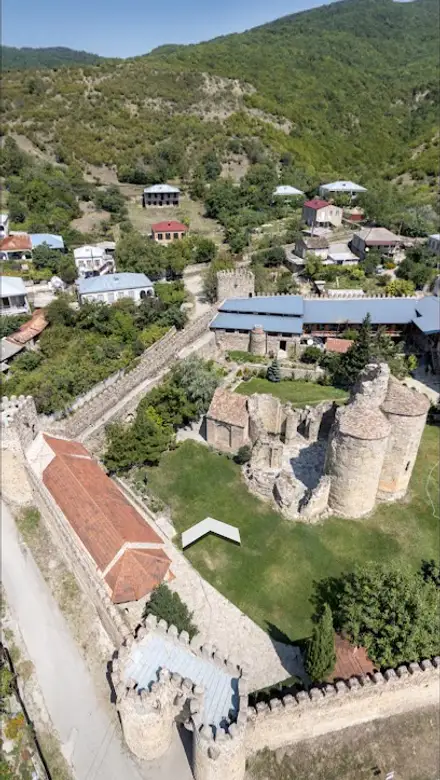
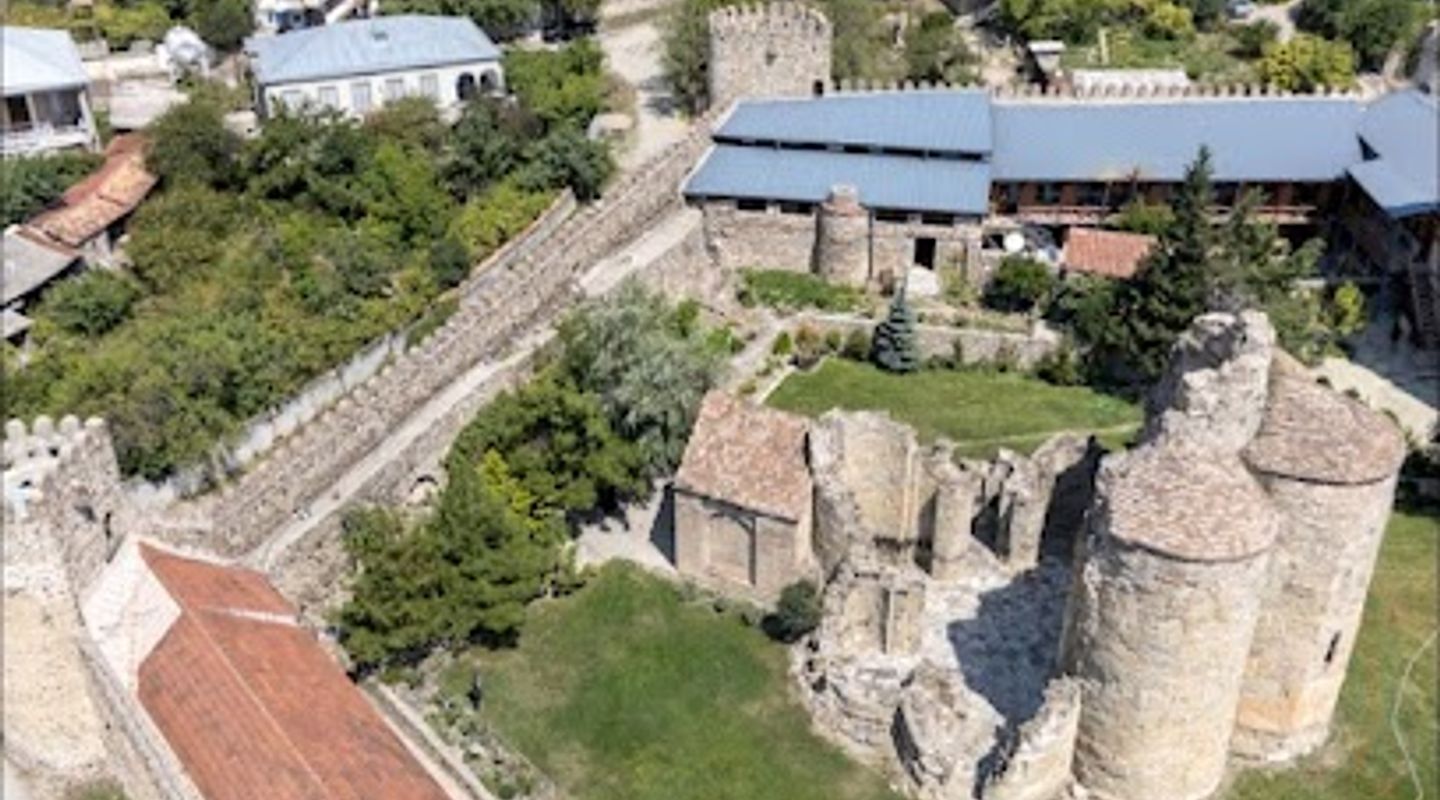
The Ninotsminda Cathedral, located in the Kakheti region of Georgia, is a significant monument showcasing early Georgian ecclesiastical architecture. Though largely in ruins due to earthquakes, it remains a powerful symbol of Georgian history and faith, with parts of its 6th-century structure still standing.
A brief summary to Ninotsminda cathedral
- P7PX+M4M, Ninotsminda, GE
- Click to display
- Monday 10 am-4:30 pm
- Tuesday 10 am-4:30 pm
- Wednesday 10 am-4:30 pm
- Thursday 10 am-4:30 pm
- Friday 10 am-4:30 pm
- Saturday 10 am-5:30 pm
- Sunday 9 am-4:30 pm

Know before you go
Hi, I'm Eve. Here are a few practical things to know before exploring Ninotsminda cathedral.
- Wear comfortable shoes, as the ground is uneven due to the ruins.
- Dress respectfully when visiting the cathedral, as it is an active religious site.
- Take your time to explore the grounds and appreciate the historical significance of the site.
- Check the opening hours in advance, as they may vary.
Do you manage this location?
Take control to get all the benefits, like improved information, better appearance, and stronger visibility across AI-powered discovery. Learn more about listing your business on Evendo
Activate your presenceOther nearby places you may find interesting
The closest places of the same kind, if this one is not quite what you had in mind.
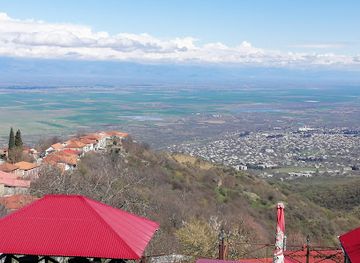
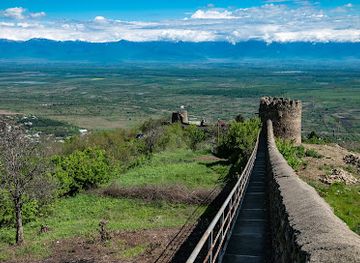
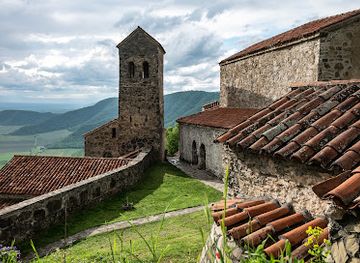
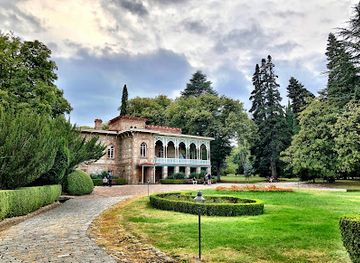
Explore Ninotsminda cathedral on the Map
A handpicked selection of must-see spots near Ninotsminda cathedral, mapped for you.
Getting There
-
Public Transport
From Tbilisi, take a marshrutka (minibus) from Didube Bus Station to Sagarejo. From Sagarejo, Ninotsminda is a short local bus or taxi ride away. The marshrutka from Tbilisi to Sagarejo costs approximately 5-7 GEL. A taxi from Sagarejo to Ninotsminda will cost around 10-15 GEL.
-
Car
If driving from Tbilisi, take the E117 highway. The journey to Ninotsminda is approximately 1.5-2 hours. Parking is available near the cathedral. Be aware that road conditions can vary, so drive carefully. There are no tolls on this route. Fuel costs for the round trip will be approximately 30-40 GEL.
Discover more about Ninotsminda cathedral













Your all‑in‑one travel companion app
Explore expert travel guides, compare and book tours, experiences, hotels, and more—all from the palm of your hand. Download now for seamless trip planning wherever your wanderlust takes you.


Explore More of Kakheti
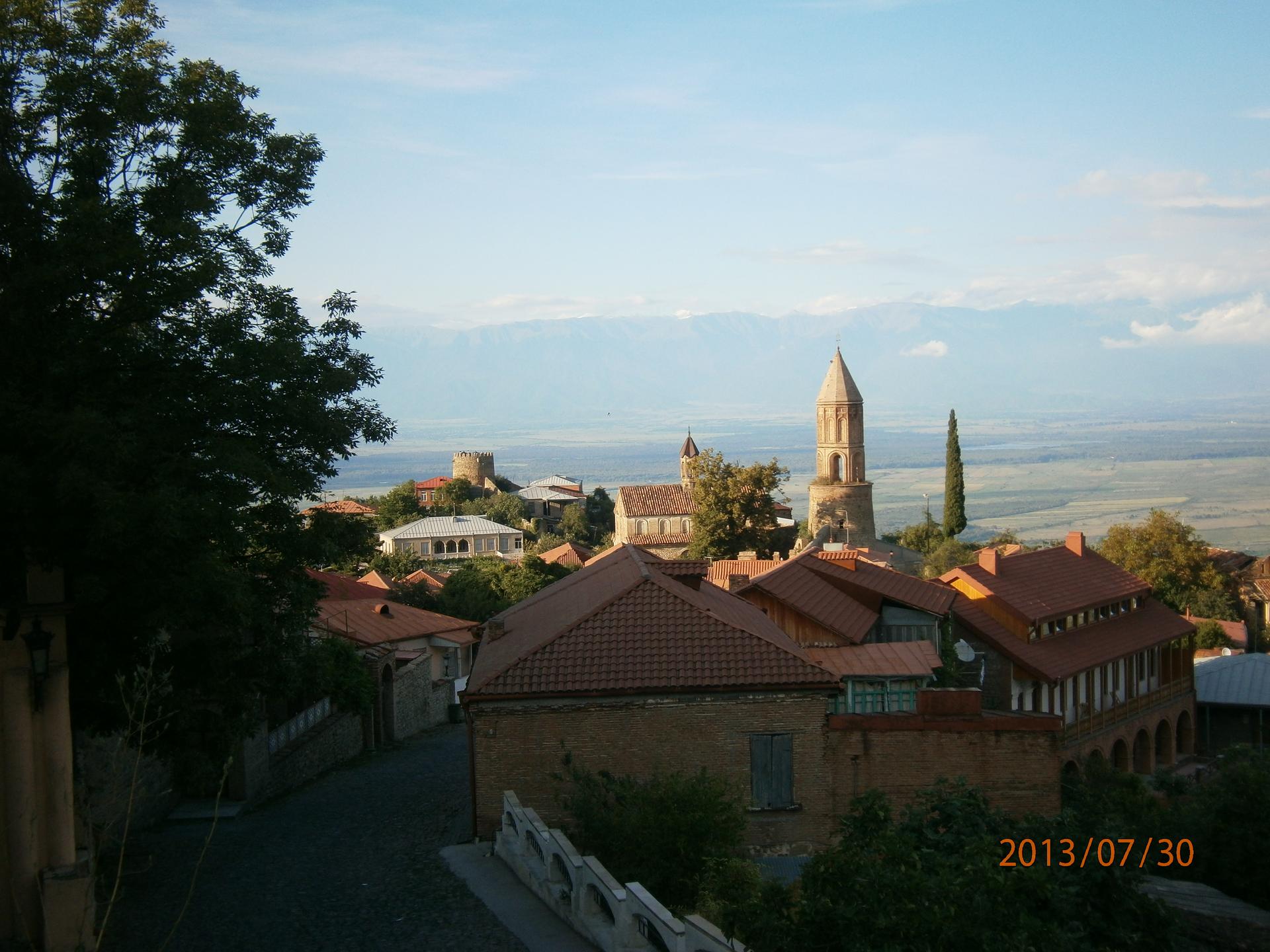
Looking beyond Ninotsminda cathedral? Discover Kakheti for broader travel guides, local hot-spots, and regional highlights.
Explore Kakheti