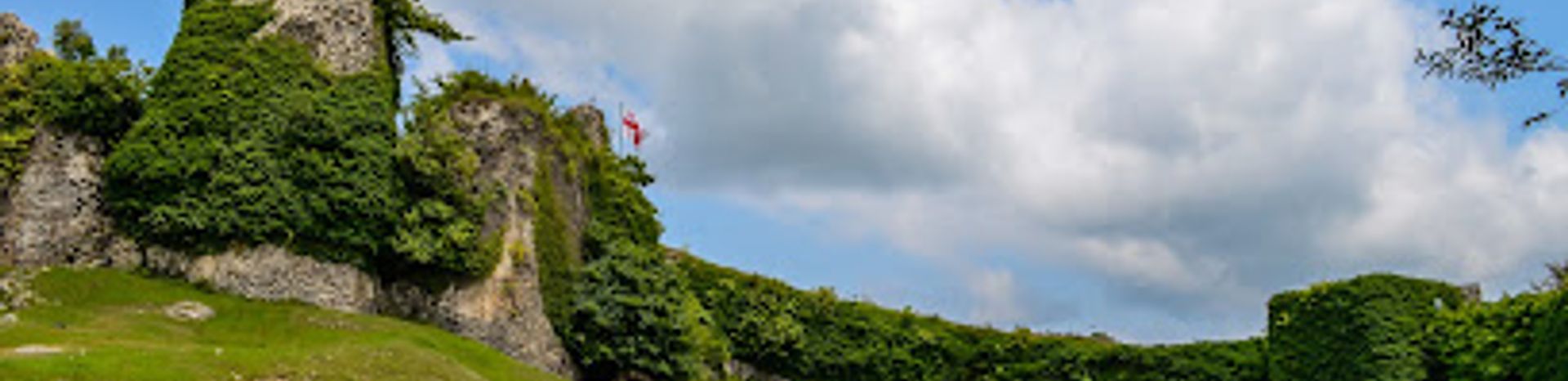
Castle of Rukhi: A Sentinel of Mingrelia
Explore the historic Castle of Rukhi in Samegrelo, Georgia: a 17th-century fortress offering stunning views and a glimpse into the region's past.
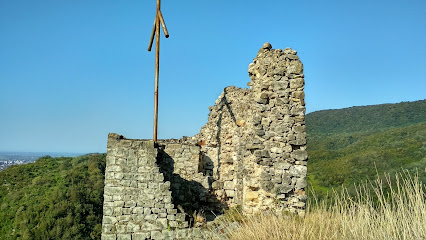
The Castle of Rukhi, built in 1647 by Levan II Dadiani, stands as a testament to Georgia's rich history in the Samegrelo region. This fortress was a vital defense against the Ottoman Empire and fostered regional trade. Today, it welcomes visitors to explore its ruins and enjoy panoramic views.
A brief summary to Castle of Rukhi
- HV73+WMQ, Rukhi, GE
- Monday 12 am-12 am
- Tuesday 12 am-12 am
- Wednesday 12 am-12 am
- Thursday 12 am-12 am
- Friday 12 am-12 am
- Saturday 12 am-12 am
- Sunday 12 am-12 am
Local tips
- Wear comfortable shoes to explore the uneven terrain within the castle grounds.
- Visit early in the morning or late in the afternoon for the best lighting for photography.
- Check the local weather forecast before your visit to dress appropriately for outdoor exploration.

Getting There
-
Public Transport
From Zugdidi, take a marshrutka (minibus) towards Rukhi. These depart regularly from the Zugdidi central bus station. The journey to Rukhi village takes approximately 10-15 minutes. Once in Rukhi, the castle is a short, clearly signposted walk from the main road. The marshrutka fare is around 1 GEL.
-
Taxi
Taxis are readily available in Zugdidi. A taxi ride from Zugdidi city center to the Castle of Rukhi takes about 10 minutes. Expect to pay around 5.5 GEL for the trip. You can hail a taxi on the street or use a ride-hailing app.
Discover more about Castle of Rukhi
Iconic landmarks you can’t miss

Samegrelo DMO
6.3 km
Explore the cultural richness and natural beauty of Samegrelo in Georgia, where tradition meets adventure in every corner.
მენძელი/ The Host
6.8 km
Experience the authentic taste of Georgia at The Host in Zugdidi, a must-visit restaurant offering traditional cuisine in a warm, inviting atmosphere.
"Sisatura" – Ethno village
8.7 km
Experience the charm of Sisatura, an ethno village in Georgia where tradition meets breathtaking landscapes and authentic cuisine.
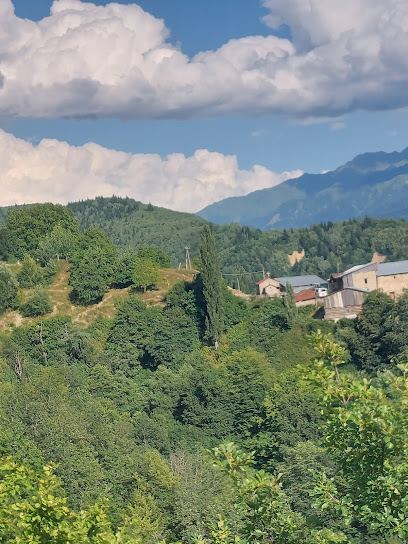
Daraselia61
12.0 km
Experience the charm of Georgian hospitality at Daraselia61, a cozy guesthouse in Opachkhapu, offering delicious breakfasts and a warm atmosphere.
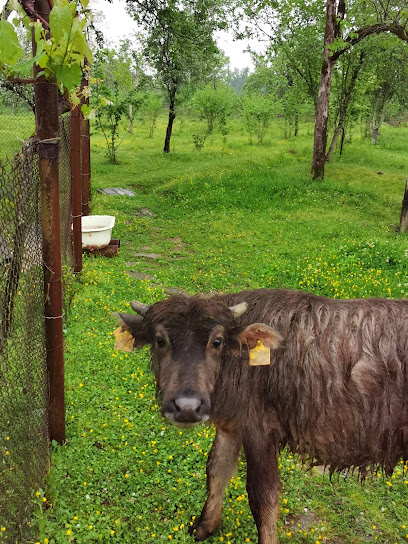
Ramaz cirgvava
12.4 km
Discover the breathtaking trails and serene beauty of Ramaz Cirgvava, a hidden gem for hiking enthusiasts in Pakhulani, Georgia.

Papantskviris lake
21.3 km
Discover the tranquil beauty of Papantskviris Lake, a stunning swimming lake in Sakirio, Georgia, perfect for relaxation and outdoor adventures.
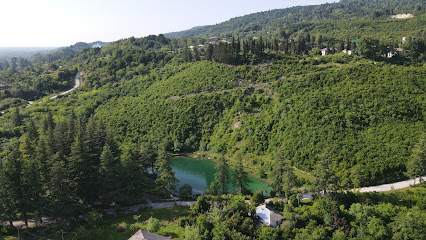
Labarashi castle
25.9 km
Discover the breathtaking Labarashi Castle in Potskho Etseri, a historical landmark offering stunning views and a rich tapestry of Georgian heritage.
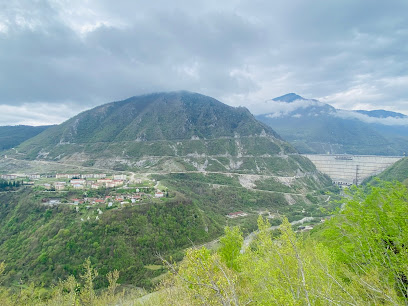
Bedia Cathedral
28.2 km
Experience the awe-inspiring Bedia Cathedral, a historical Orthodox church in Georgia celebrated for its breathtaking architecture and spiritual significance.
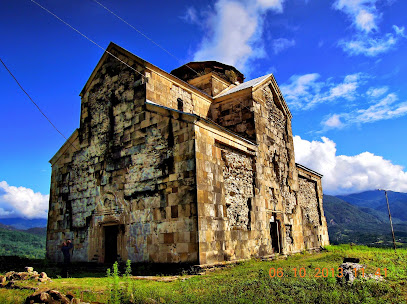
Tomas Sakhli Hotel
36.2 km
Experience the enchanting blend of history and comfort at Tomas Sakhli Hotel near Nokalakevi Fortress in Senaki, Georgia.
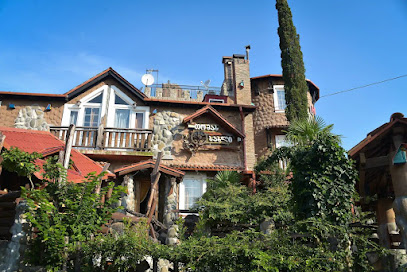
NokiHome Guest House
36.7 km
Discover NokiHome Guest House in Gakhomela, where comfort meets the charm of Georgian hospitality amidst breathtaking natural beauty.
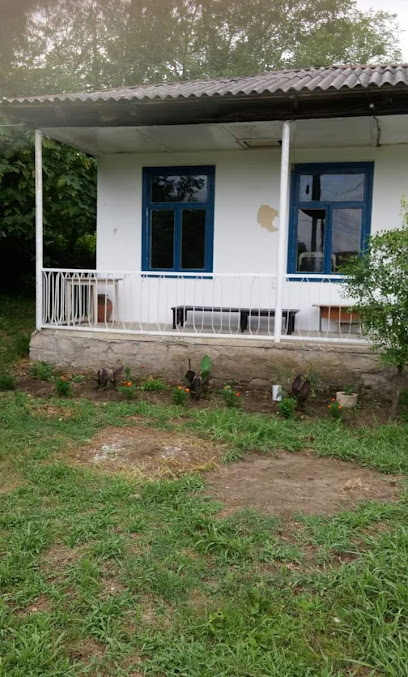
CAFE-BAR CANIONEL
44.5 km
Experience the warmth of Georgian hospitality at Cafe-Bar Canionel, a cozy retreat in Martvili-Taleri-Chkhorotsku, perfect for travelers and locals alike.
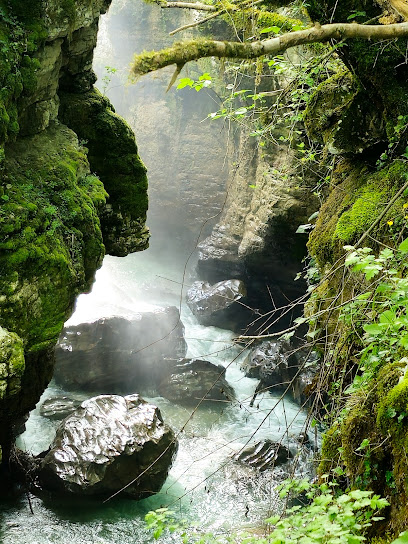
Surmava Palace
44.6 km
Discover the enchanting Surmava Palace in Martvili, where modern luxury meets traditional Georgian charm amidst stunning landscapes.
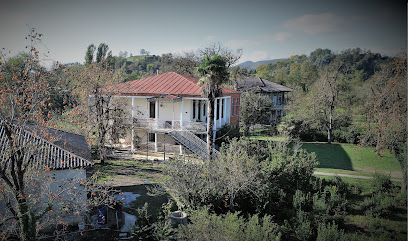
Balda Guest House
45.6 km
Experience the warmth of Georgian hospitality at Balda Guest House, your family-friendly retreat in the heart of Martvili's stunning landscapes.
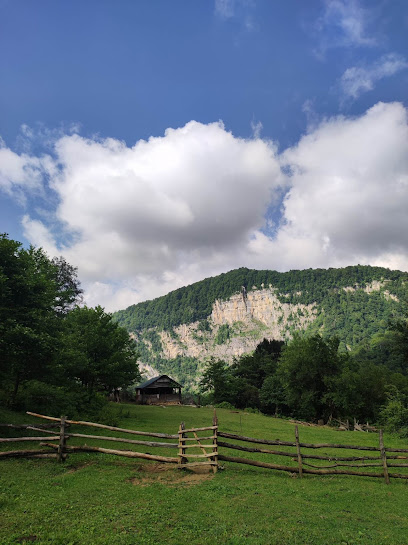
Cha Cha Backpackers
45.6 km
Experience the warmth of Georgian hospitality at Cha Cha Backpackers in Martvili, your ideal base for adventure and cultural exploration.
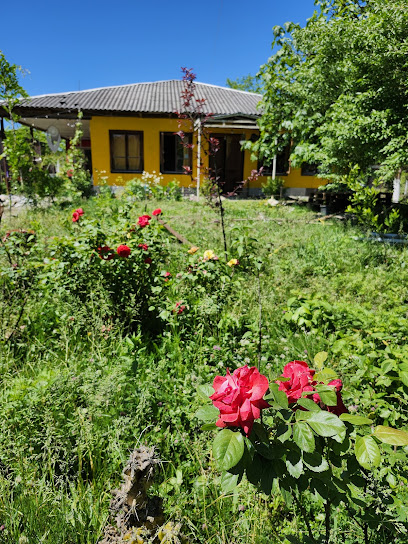
parna cottage - ფარნას ოდა
45.7 km
Explore the beauty of Martvili at Parna Cottage, your family-friendly retreat with accommodation and adventure in stunning surroundings.
Unmissable attractions to see

Dadiani Palace Museum
6.1 km
Explore the opulent Dadiani Palace Museum in Zugdidi, a treasure trove of Georgian history, art, and European connections.
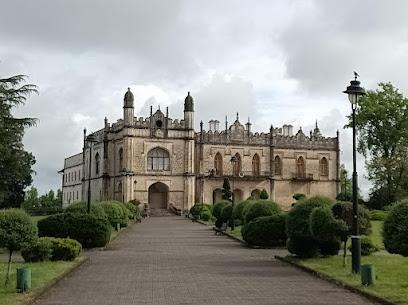
Botanical Garden Lake
6.3 km
Discover tranquility at Zugdidi's Botanical Garden Lake: A historic oasis with diverse flora, serene waters, and peaceful landscapes for nature lovers.
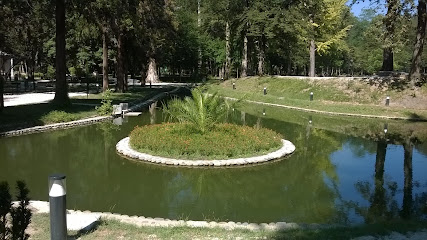
Zugdidi Botanical Garden
6.4 km
Discover a world of botanical beauty and history at Zugdidi Botanical Garden, a serene oasis in the heart of Samegrelo, Georgia.
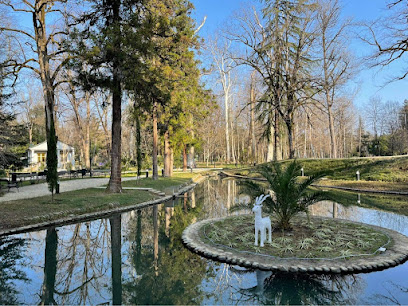
Zugdidi Boulevard
6.7 km
Escape to Zugdidi Boulevard: A blend of nature, history, and community in the heart of Zugdidi, Georgia. Perfect for a relaxing stroll.
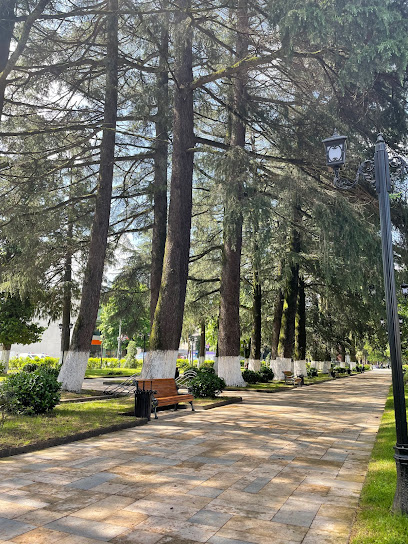
Chakvinji Fortress
14.5 km
Explore the ancient Chakvinji Fortress in Samegrelo, Georgia, offering stunning views and a glimpse into the region's rich history.
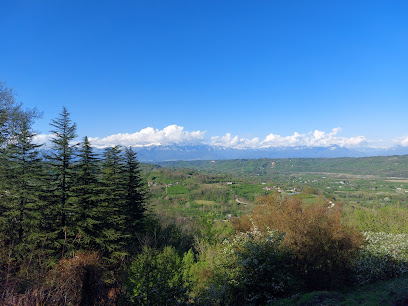
Tsaishi Cathedral
15.8 km
Discover Tsaishi Cathedral: A historic Georgian gem with stunning architecture and rich cultural heritage.
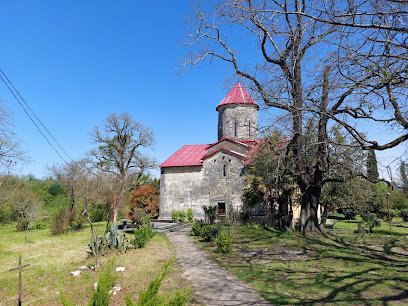
კოჩანა
23.1 km
Explore Chkhorotsku, a serene Georgian village offering rich culture, stunning nature, and authentic experiences away from the city bustle.
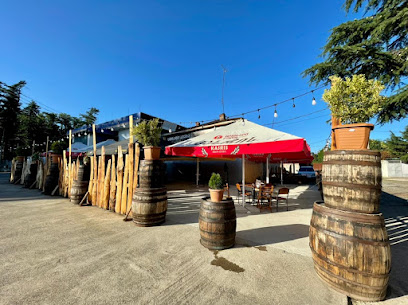
Svan Tower (svanuri k'oshk'i)
23.5 km
Explore the historic Svan Tower in Jvari, Georgia, a medieval marvel offering stunning views and a glimpse into Svan culture.
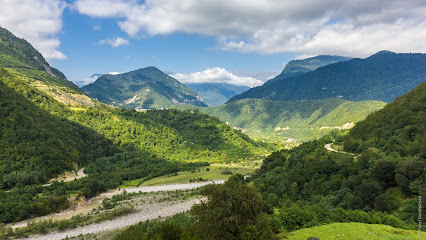
Trail head to Instra waterfall
26.1 km
Discover the serene beauty of Instra Waterfall, a picturesque hike through Georgia's lush landscapes leading to a refreshing natural wonder.
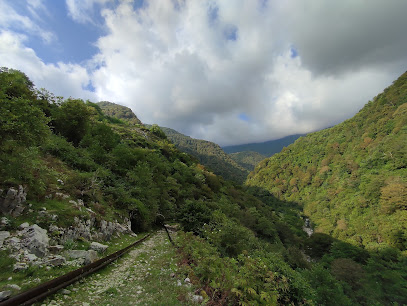
Intsra Waterfall
27.7 km
Discover the enchanting Intsra Waterfall near Chkvaleri, Georgia: a hidden natural wonder with a mystical atmosphere and refreshing turquoise pool.
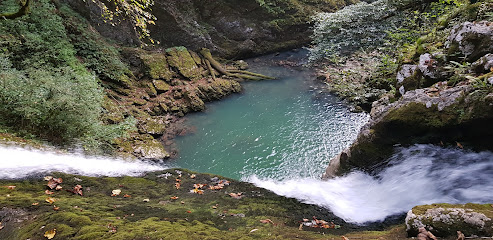
Sulfur Spring Nokalakevi
35.7 km
Experience the therapeutic waters and historical charm of Sulfur Spring Nokalakevi, a natural haven near the ancient Archaeopolis in Georgia.
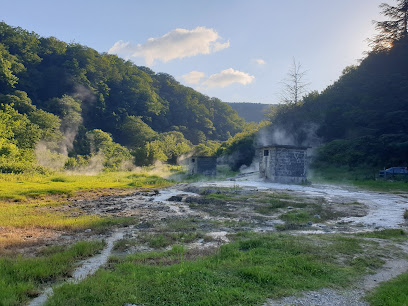
Nokalakevi Fortress
36.2 km
Explore the ancient Nokalakevi Fortress in Georgia, a stunning historical site offering breathtaking views and a rich tapestry of history.
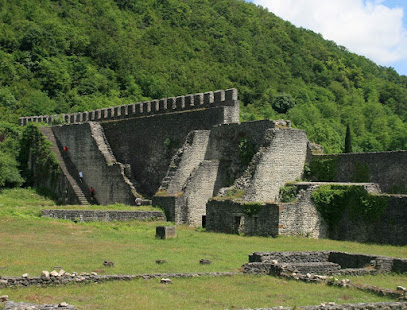
Shkhepi Fortress
36.9 km
Explore Shkhepi Fortress near Senaki: a historic Georgian monument with stunning views and architecture dating back to the 4th century.
Tobavarchkhili Lake
40.0 km
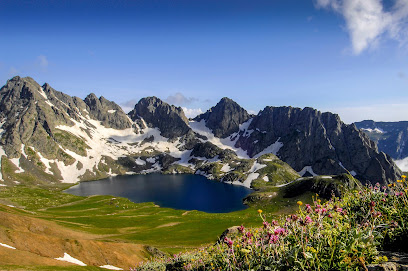
Discover Tobavarchkhili Lake: Trek to Georgia's stunning alpine jewel in the remote Egrisi Mountains for an unforgettable wilderness experience.
Odo’s Winery - ოდოს მეღვინეობა
41.1 km
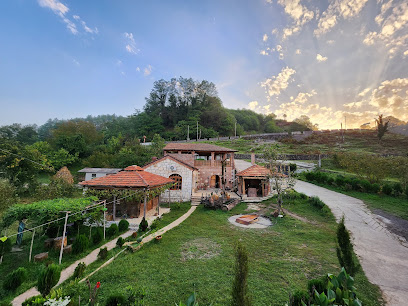
Experience Georgian winemaking traditions at Odo's Winery in Martvili, with organic wines, local cuisine, and family hospitality.
Essential places to dine

Folk House
6.2 km
Discover the heart of Georgia at Folk House – where authentic flavors meet warm hospitality in Zugdidi.
Big Beni
13.5 km
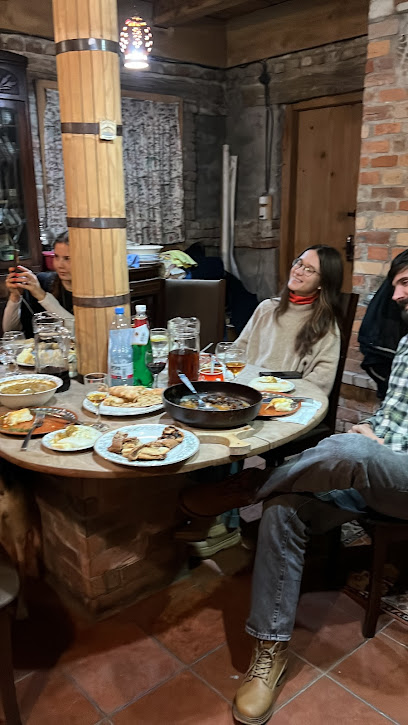
Discover the vibrant flavors and rich traditions of Georgia at Big Beni - a culinary gem in Lia.
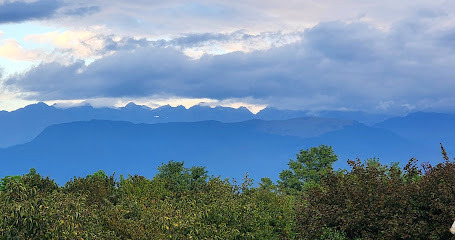
Khoko Restaurant
29.6 km
Discover authentic Georgian cuisine at Khoko Restaurant in Zugdidi - where every meal tells a story of tradition and flavor.
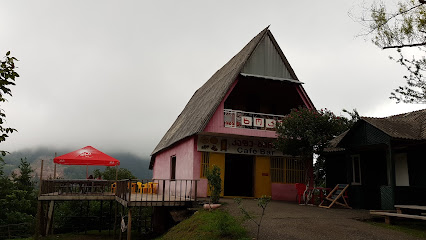
Restaurant Luka
36.5 km
Experience authentic Georgian cuisine at Restaurant Luka in Chveletana – where every meal tells a story of rich tradition and flavor.
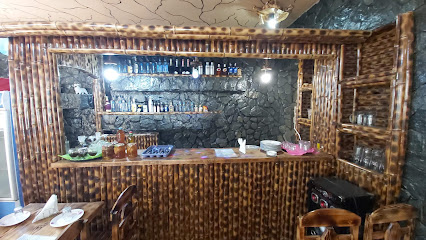
Patara Enguri River Observation Point
37.0 km
Discover breathtaking views and tranquility at Patara Enguri River Observation Point in Mestia, Georgia - a nature lover's paradise.
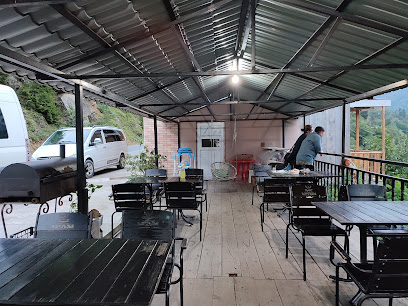
Lakada
37.1 km
Discover the heart of Georgian cuisine at Lakada in Senaki – where tradition meets flavor in every bite.
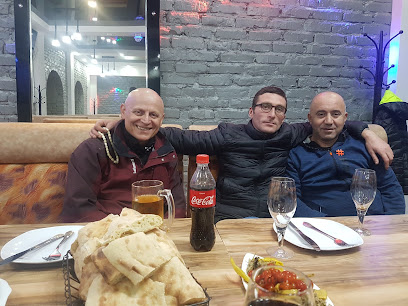
Riverfront Restaurant
37.1 km
Experience authentic Georgian flavors amidst stunning riverside views at Riverfront Restaurant in Zugdidi-Jvari-Mestia-Lasdili.
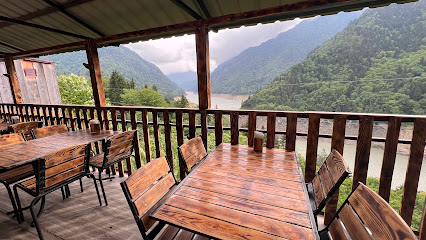
restaurant "Kolkheti"
37.4 km
Discover the flavors of Georgia at Kolkheti restaurant in Senaki—where tradition meets taste in every dish.
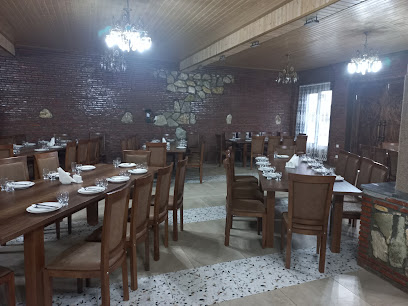
Sanapiro Restaurant
45.0 km
Experience authentic Georgian flavors at Sanapiro Restaurant in Martvili - a culinary delight that reflects the heart of Georgia's rich gastronomic culture.
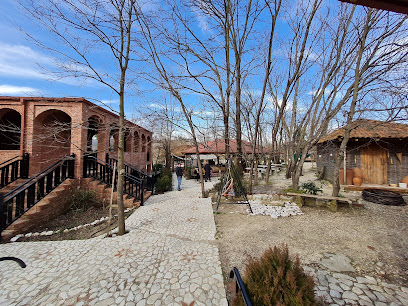
Lasha's Ethno House
45.5 km
Discover the heart of Georgian cuisine at Lasha's Ethno House in Martvili - where every dish is a celebration of tradition.
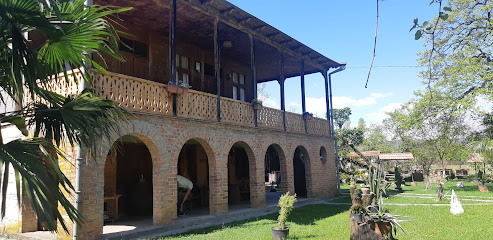
La Fiesta / ლა ფიესტა
45.7 km
Savor authentic Georgian cuisine at La Fiesta in Martvili - where flavors come alive amidst warm hospitality.
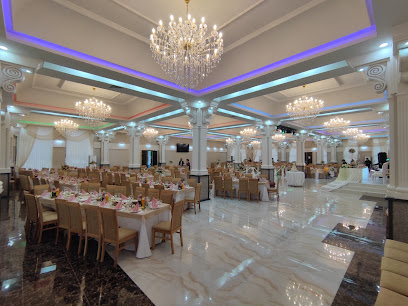
Tsitshvari
45.8 km
Discover authentic Georgian flavors at Tsitshvari - where every meal is an experience amidst stunning landscapes.
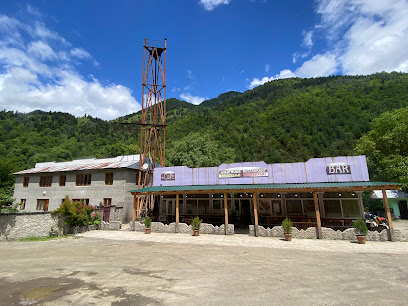
Restaurant tobari
52.0 km
Discover the flavors of Georgia at Restaurant Tobari in Lukhi - a culinary gem offering authentic dishes in a warm atmosphere.
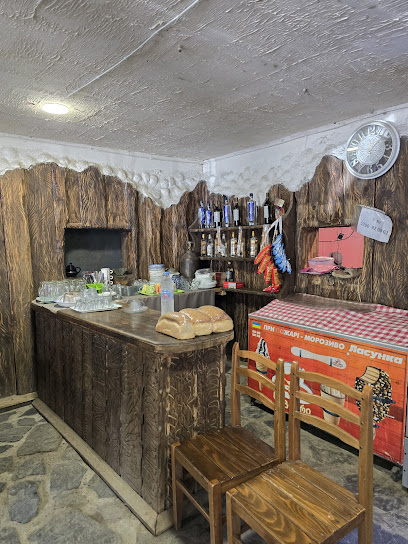
Marani
53.3 km
Discover the rich flavors of Georgia at Marani – a top destination for authentic cuisine and local wines in Khoni.
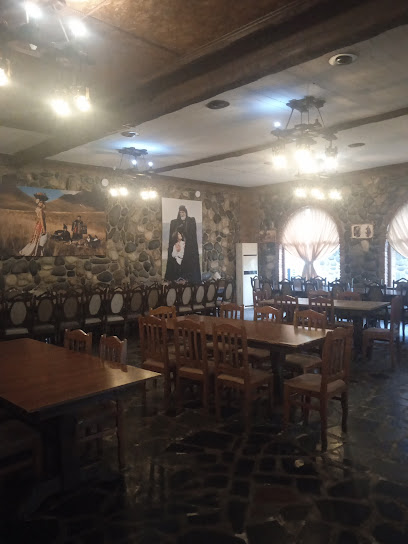
restaurant abkhazeti
58.7 km
Experience authentic Georgian cuisine at Restaurant Abkhazeti in Grigoleti—home to delightful flavors and warm hospitality.
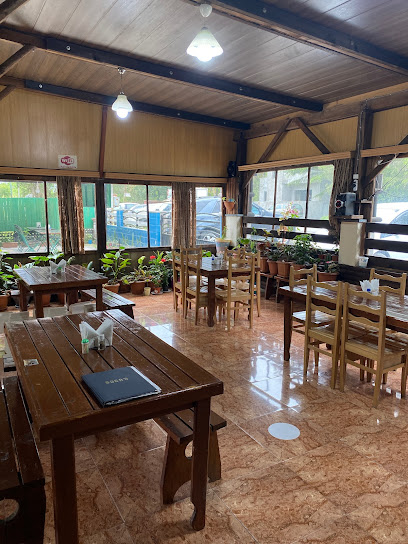
Markets, malls and hidden boutiques

ვიშლისთი - wishlist
6.9 km
Explore Wishlist in Zugdidi, Georgia, where joy and imagination come together in a delightful toy store experience for all ages.

Zugdidi Mall
6.9 km
Experience shopping, dining, and entertainment all in one place at Zugdidi Mall, the heart of Zugdidi's vibrant retail scene.
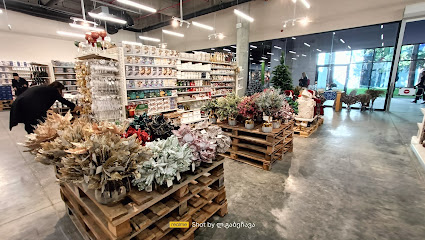
tamaris magazia
15.3 km
Discover local flavors and authentic Georgian products at Tamaris Magazia, a charming grocery store in the heart of Pakhulani.
Foodland
18.2 km
Discover the vibrant flavors of Georgia at Foodland, a local grocery store in Tsalenjikha offering fresh produce and traditional snacks.
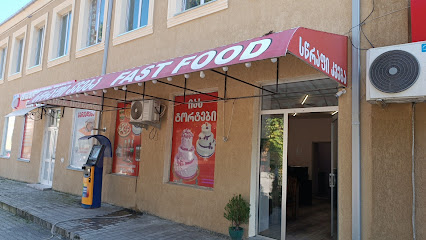
Nargiz's tea
18.7 km
Explore the essence of Georgian culture at Nargiz's Tea - a charming gift shop offering exquisite local teas and unique handcrafted souvenirs.
Jeo Demo
18.8 km
Experience shopping, dining, and entertainment at Jeo Demo Shopping Mall in Tsalenjikha, Georgia – a vibrant hub for tourists and locals alike.
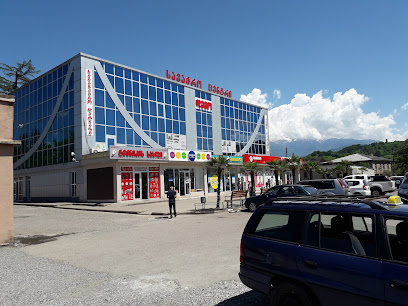
Magniti
18.8 km
Explore local flavors and traditional delights at Magniti Supermarket in Tsalenjikha, the heart of Georgia's culinary experience.
Building Materials Store
22.8 km
Explore Chkhorotsku's premier building materials store, offering a wide selection and expert advice for all your construction needs.
Tuntia
22.9 km
Explore the authentic flavors of Georgia at Tuntia, the bustling supermarket in Chkhorotsku, where local produce meets cultural charm.
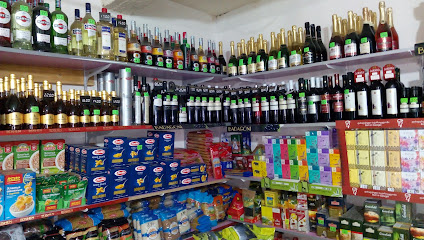
Malaniebis Mamuli
23.5 km
Explore the unique handmade crafts at Malaniebis Mamuli in Chkhorotsku, a true gem for tourists seeking authentic Georgian souvenirs.
Maka's Store
23.8 km
Discover unique local products and authentic Georgian craftsmanship at Maka's Store in Jgali, a delightful shopping experience for tourists.
Mukhuri's Royal Bee
26.1 km
Experience authentic Georgian flavors at Mukhuri's Royal Bee, your go-to grocery store in Legakhare for fresh produce and local specialties.
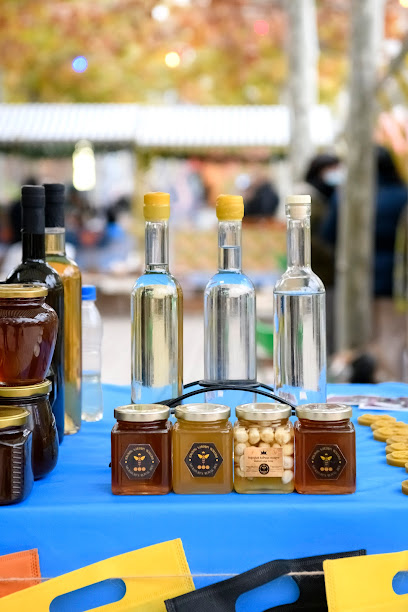
Minimarket
27.5 km
Discover the essence of Georgia through local products at Minimarket in Mukhuri, your go-to grocery store for authentic flavors.
Mirgatia . მირგატია
37.0 km
Discover the essence of Georgian craftsmanship at Mirgatia, a charming craft store in Senaki offering unique handmade treasures and interactive workshops.

Abasha central bazaar
48.8 km
Discover the essence of Abasha at the Central Bazaar, a lively market showcasing local produce and artisan crafts in the heart of Georgia.
Essential bars & hidden hideouts

Egrisi beer bar
5.5 km
Discover the vibrant beer culture of Zugdidi at Egrisi Beer Bar, where local flavors meet a cozy atmosphere for perfect relaxation.
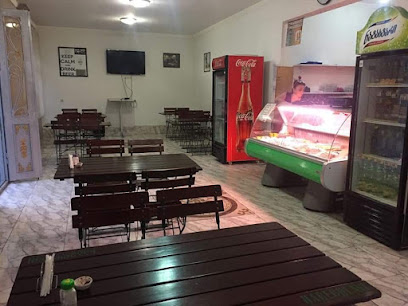
FunPub
6.9 km
Experience the vibrant nightlife of Zugdidi at FunPub, the ultimate destination for delicious food, craft beer, and a lively atmosphere.
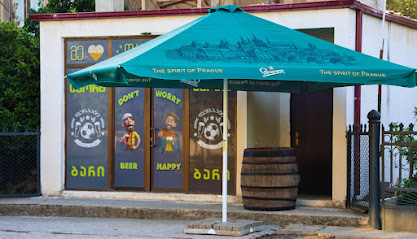
BEER CORNER
7.2 km
Experience the vibrant atmosphere of Beer Corner in Zugdidi, where local charm meets an extensive selection of drinks and friendly faces.
9Bar
30.7 km
Immerse yourself in the lively nightlife at 9Bar, the perfect beachside bar and night club experience in Anaklia, Georgia.

High Bar
46.2 km
Discover the charm of High Bar in Martvili, where cozy ambiance meets refreshing drinks in a perfect blend of local culture and hospitality.
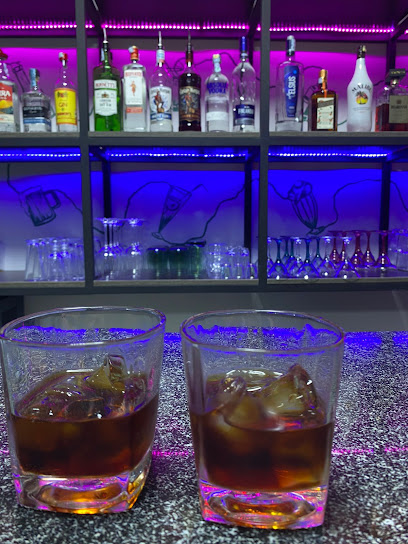
,,Beer House'' Pub-Restaurant
49.0 km
Discover the lively Beer House Pub-Restaurant in Poti, offering a fantastic selection of beers and delectable cuisine in a vibrant atmosphere.
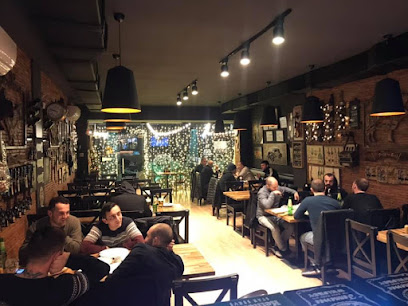
არტ კაფე art kafe
55.2 km
Experience the artistic charm of Art Kafe in Lanchkhuti, where creativity meets relaxation in a vibrant bar setting.
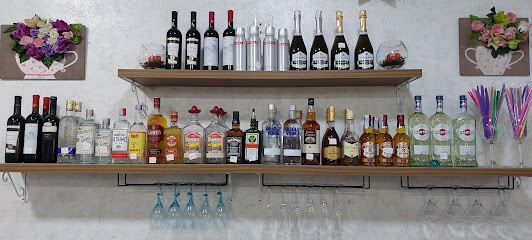
chicheqsa
56.8 km
Experience the vibrant atmosphere and local flavors at Chicheqsa, the must-visit bar in the heart of Samtredia, Georgia.
Vakhtangi's House
62.0 km
Discover the essence of Georgian hospitality at Vakhtangi's House, a charming bar in Vazisubani offering local drinks and delightful ambiance.
SandBar
63.9 km
Discover the lively ambiance at SandBar in Ureki, where refreshing drinks and a vibrant atmosphere await you.
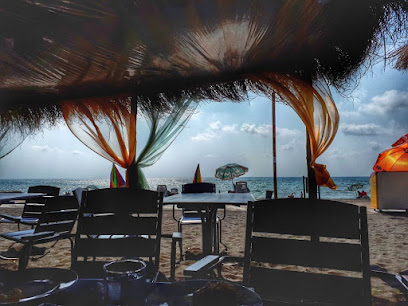
Bar
64.6 km
Discover Ureki's vibrant bar scene, perfect for relaxation, socializing, and enjoying local flavors in a casual atmosphere.
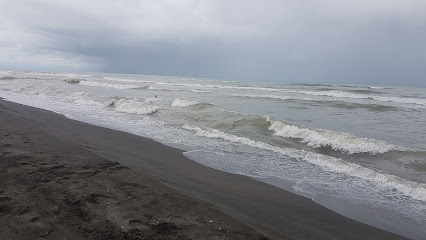
Moana beach bar
64.9 km
Discover the serene vibes of Moana Beach Bar in Ureki, where refreshing drinks meet stunning ocean views for an unforgettable beach experience.
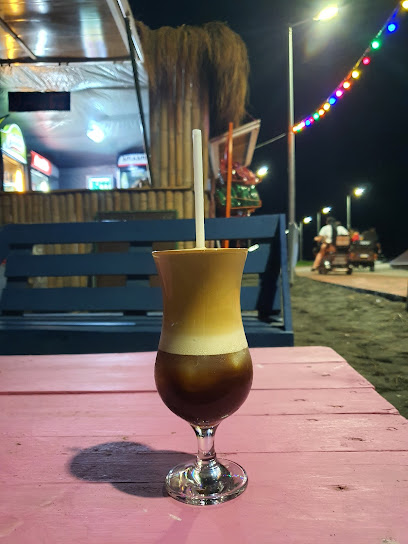
Beer Bar
65.9 km
Discover the vibrant beer culture of Nagomari at this top-rated bar, where local brews meet international favorites for a perfect evening out.
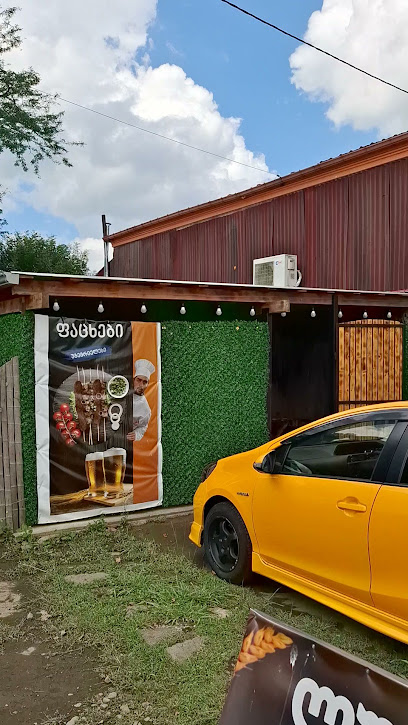
Black Sea Riviera Bar
69.8 km
Discover the perfect blend of relaxation and stunning coastal views at Black Sea Riviera Bar, a tranquil haven in Shekvetili.
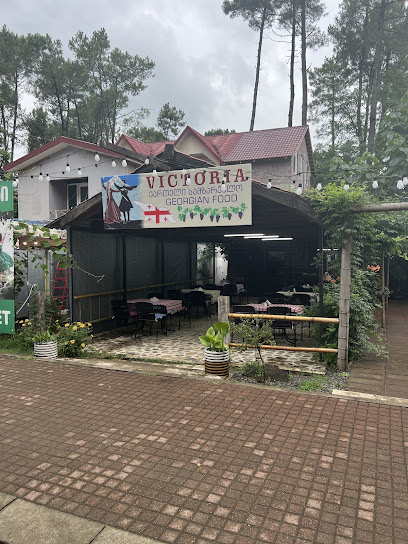
Victoria
70.0 km
Experience the best of Shekvetili at Victoria, a charming bar serving a delightful selection of local wines and refreshing beers in a welcoming atmosphere.
Nightclubs & after hour spots

Reggae bar
29.2 km
Experience the vibrant rhythms and lively atmosphere of the Reggae Bar in Anaklia, where good music and great company await every visitor.
Saba Jikhaishi
61.9 km
Immerse yourself in the vibrant nightlife at Saba Jikhaishi, where great music and a lively atmosphere await.
ბირჟა: მაგიდა/Table
73.1 km
Discover the heart of Kutaisi's nightlife at ბირჟა: მაგიდა/Table, where music, dancing, and unforgettable moments await.
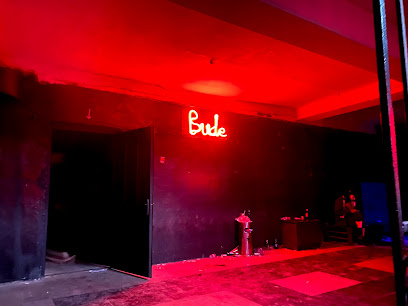
Bude
75.9 km
Experience the vibrant nightlife of Kutaisi at Bude, a lively night club with great music and delicious drinks.
Slot-club PRAGA
76.8 km
Discover the nightlife of Kutaisi at Slot-club PRAGA, a vibrant night club offering an electrifying atmosphere and diverse music for an unforgettable experience.
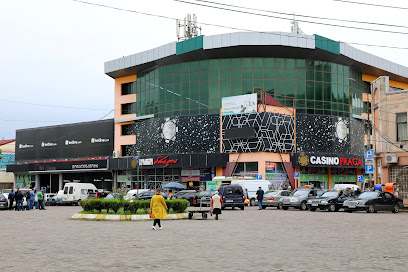
Panoramic sky Lounge
77.1 km
Experience breathtaking views and exquisite cocktails at the Panoramic Sky Lounge in Kutaisi, where relaxation meets stunning cityscapes.
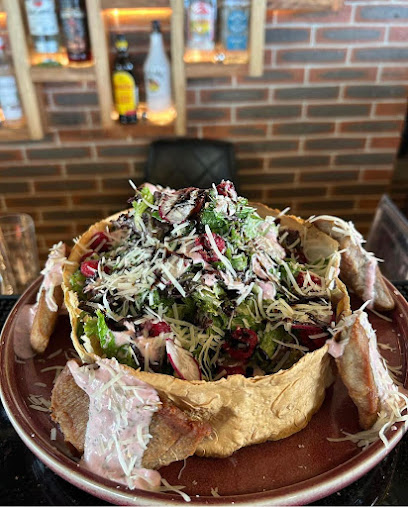
Bavaria
77.1 km
Experience the vibrant nightlife of Bavaria in Kutaisi, where exceptional drinks and lively ambiance create unforgettable memories for travelers.
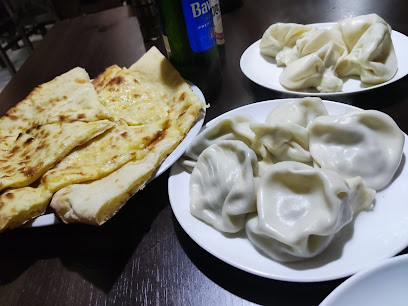
Esco Bar Kutaisi
77.3 km
Discover the vibrant nightlife at Esco Bar Kutaisi, where great drinks and a lively atmosphere await every visitor.
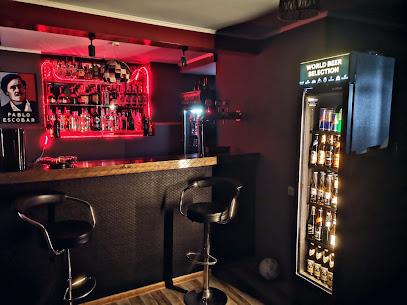
ლაშას პადვალი
77.4 km
Discover the vibrant nightlife of Kutaisi at ლაშას პადვალი, where music, dance, and culture collide for an unforgettable experience.
Ziari Bar•ზიარი ბარი
77.7 km
Experience the vibrant nightlife of Kutaisi at Ziari Bar, where great music and affordable drinks create the perfect evening atmosphere.
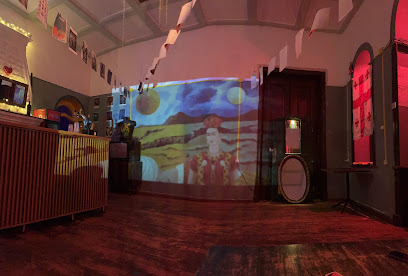
Reflector Club
77.7 km
Experience the vibrant nightlife at Reflector Club in Kutaisi, where energetic music and an electric atmosphere converge for unforgettable nights.

Terrace Imeri
78.4 km
Discover the cozy charm of Terrace Imeri in Kutaisi, a perfect lounge for relaxation and local flavors.
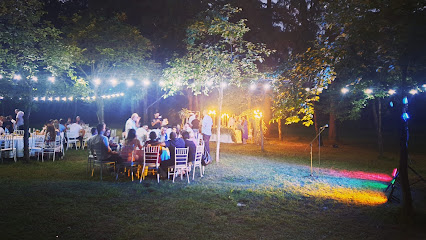
Sunseti
88.9 km
Experience the culinary delights of Sunseti in Mestia, where local flavors meet stunning mountain views for an unforgettable dining experience.
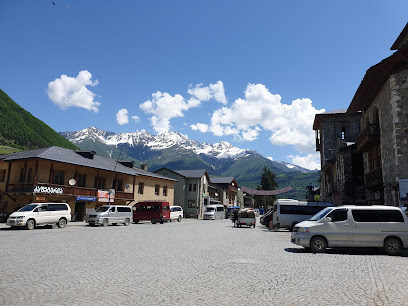
Twin Peaks
89.0 km
Experience the vibrant ambiance of Twin Peaks, a premier Georgian bar in Mestia, where local cuisine and stunning mountain views await.
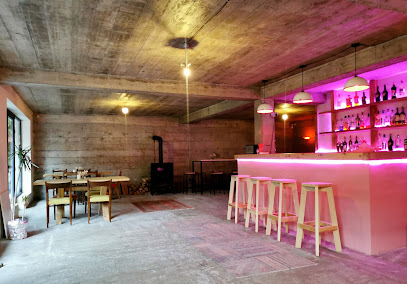
Karaoke Bar in Mestia
89.0 km
Experience the vibrant nightlife of Mestia at the Karaoke Bar, where local wines and lively singing create unforgettable memories in the heart of the Caucasus.