

Rabati Castle Travel Guide - Free Web & App
Your ultimate guide to Rabati Castle. Discover top landmarks, proposed trips, and local tips. Free on the web or via the Evendo companion app.


Rabati Castle in Georgia combines medieval fortifications, Ottoman-era architecture, gardens and museums with the historic streets of Akhaltsikhe.
A Fortress Above Akhaltsikhe
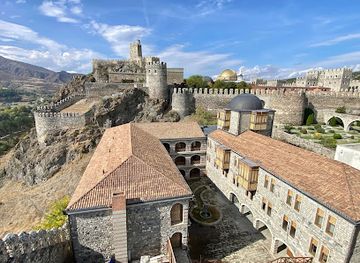
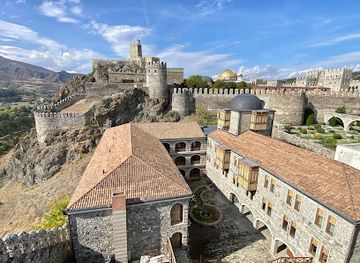
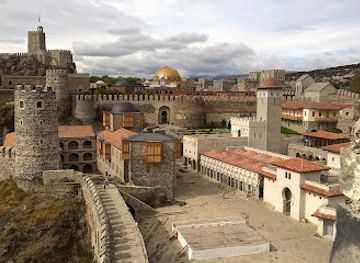
Rabati Castle rises above Akhaltsikhe in Georgia’s Samtskhe-Javakheti region, a historically important crossroads between the Georgian highlands, Anatolia and the southern Caucasus. The name Rabati derives from an Arabic term associated with a fortified settlement, and the complex is best understood not as a single medieval building but as a layered architectural precinct. Its stone walls, towers, courtyards and gardens occupy the hill above the old town, with broad views towards the surrounding valleys and mountains.Read more about Rabati Castle
Layers of Faith and Empire
Exploring the Complex and the City
When is the best time to visit Rabati Castle?
Best: May–June, September · 23–28°C| Month | High (°C) | Rainfall (mm) |
|---|---|---|
| January | 7 | 49 |
| February | 9 | 48 |
| March | 13 | 46 |
| April | 19 | 47 |
| May (best) | 23 | 55 |
| June (best) | 28 | 61 |
| July | 30 | 67 |
| August | 30 | 62 |
| September (best) | 26 | 58 |
| October | 19 | 50 |
| November | 12 | 55 |
| December | 7 | 50 |
Getting to and around Rabati Castle
How to get there
Transportation
Best attractions in Rabati Castle
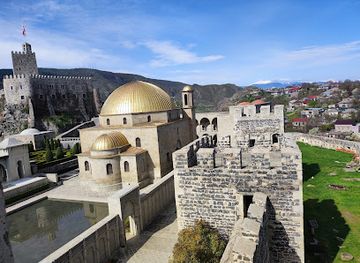
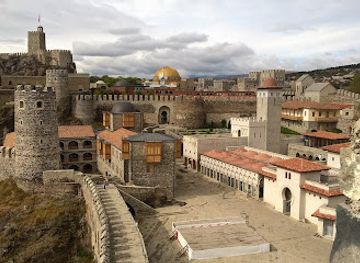
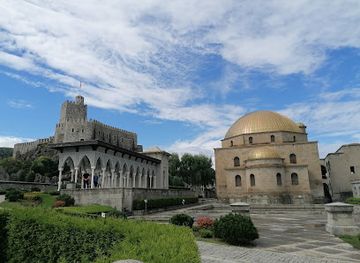
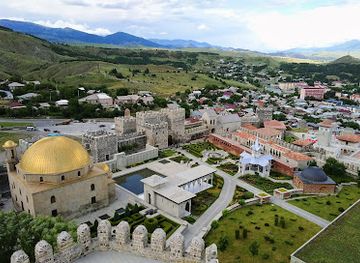
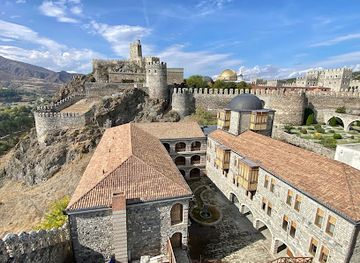
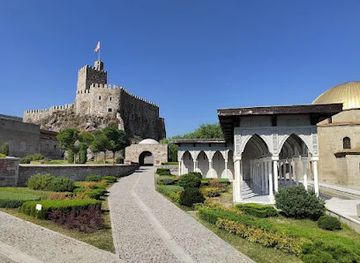
Rabati Castle’s attractions are concentrated within a compact but varied historic complex above Akhaltsikhe. The upper citadel contains defensive walls, towers, courtyards and elevated viewpoints, while the lower precinct presents a mixture of restored architectural forms and landscaped public spaces. The Haji Ahmed Pasha Mosque and its madrasa illustrate the Ottoman period, and the Church of Saint Marine represents the site’s Georgian Christian heritage. Museum displays provide historical context for the castle, the town and the Samtskhe region, although the exact exhibitions and visitor arrangements may change. Beyond the walls, the old streets of Akhaltsikhe extend the experience into a living regional town rather than a detached monument. Rabati also works as a starting point for excursions to the cave-monastery of Vardzia and the medieval Khertvisi Fortress, both outside the castle itself and best approached as wider Samtskhe-Javakheti visits.
-
Tourist attraction
Samtskhe-Javakheti History Museum
Explore 25,000+ artifacts illuminating the rich history & cultural heritage of Georgia's Samtskhe-Javakheti region, nestled in the historic Rabati Fortress.

Best landmarks in Rabati Castle
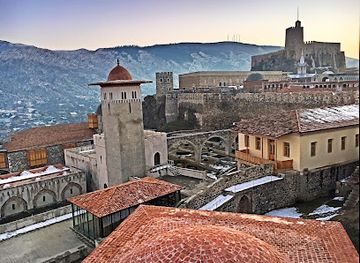
Rabati Castle itself is the defining landmark of Akhaltsikhe, occupying a fortified hill above the town and combining military, religious and civic structures from different periods. Its walls and towers express the site’s strategic role, while the Haji Ahmed Pasha Mosque and madrasa preserve the architectural imprint of Ottoman rule. The Church of Saint Marine provides an important Georgian Christian presence within the same complex, making the precinct a concentrated record of the region’s frontier history. The citadel’s elevated position also forms a visual landmark in the Akhaltsikhe valley, with views towards the surrounding Samtskhe landscape. Outside the castle, the old town and the wider regional landmarks of Khertvisi Fortress and Vardzia help place Rabati within a network of historic sites rather than treating it as an isolated monument.
-
Heritage museum
Akhaltsikhe (Rabati) Castle
Discover the historical splendor of Akhaltsikhe Castle, a remarkable heritage site showcasing Georgia's rich cultural legacy and stunning architectural beauty.
-
History museum
Samtskhe-Javakheti History Museum
Explore the captivating history of Samtskhe-Javakheti at the History Museum in Akhaltsikhe, showcasing artifacts and stories of the region's rich heritage.
-
Historical landmark
Sultan Ahmad Mosque
Discover the architectural beauty and historical significance of the Sultan Ahmad Mosque in Akhaltsikhe, a stunning landmark that enchants every visitor.
-
Castle
Lomsia Castle
Explore the stunning Lomsia Castle in Akhaltsikhe, a fascinating piece of Georgian history offering breathtaking views and rich cultural insights.
Explore Rabati Castle on the map
Plan your trip on one map. See where the top attractions, landmarks, restaurants and hotels are, and book hotels and experiences in a few clicks.
Best hotels in Rabati Castle
Best restaurants in Rabati Castle
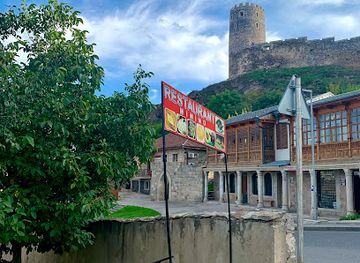
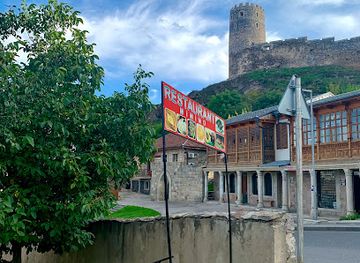
Dining is centred on Akhaltsikhe rather than spread throughout the castle grounds, with restaurants, cafés and family-run establishments serving the Georgian dishes found across the country. Visitors can expect staples such as khinkali, khachapuri, grilled meats, lobio, walnut-based dishes and seasonal vegetables, alongside regional wines and chacha where offered. Samtskhe-Javakheti’s food culture also reflects its highland climate and mixed history, with hearty cooking particularly suited to cooler weather. Rabati itself may have hospitality venues within or immediately around the complex, but opening arrangements can vary, so the town provides the more dependable choice for a full meal. Akhaltsikhe’s central area is also useful for breakfast supplies, takeaway food and simple cafés before regional excursions to Vardzia or Khertvisi, where dining options are more limited and should not be assumed at every stop.
-
Georgian
Restaurant Mimino
Discover the rich flavors of Georgia at Restaurant Mimino, where authentic cuisine meets warm hospitality in Akhaltsikhe.
-
Restaurant
Old Rabati
Explore Old Rabati: A captivating blend of history and culture in Georgia's enchanting fortress city.
-
Restaurant
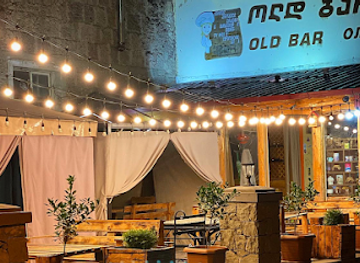
Old Bar-Restaurant Akhaltsikhe
Discover authentic Georgian flavors at Old Bar-Restaurant in Akhaltsikhe – where tradition meets taste in a cozy dining atmosphere.
-
Georgian
Natenadze Wine Restaurant
Experience authentic Georgian flavors at Natenadze Wine Restaurant in Akhaltsikhe – where tradition meets taste in every bite.
Best bars in Rabati Castle
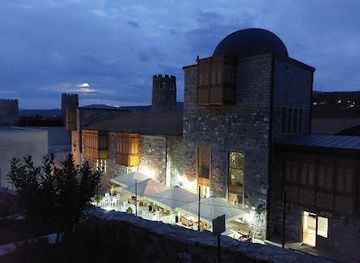
Rabati Castle is a historic attraction rather than a nightlife district, and evenings in Akhaltsikhe are generally quiet compared with Tbilisi, Batumi or Georgia’s larger resort centres. Visitors are more likely to spend the evening in a hotel restaurant, local café or traditional-style restaurant than in a dedicated nightclub. Some establishments may serve Georgian wine, beer and chacha, while informal conversation and late meals form a more characteristic part of the town’s evening atmosphere. The castle can be atmospheric after dark when illuminated, but access and lighting arrangements are subject to local operation. Anyone seeking a busy club scene should look to a larger Georgian city rather than expect extensive nightlife in Akhaltsikhe or within the Rabati complex.
-
Heritage museum
Akhaltsikhe (Rabati) Castle
Explore the stunning Akhaltsikhe Castle, a timeless heritage site in Georgia offering breathtaking views and rich history.
-
Georgian
Restaurant Mimino
Savor the authentic flavors of Georgian cuisine at Restaurant Mimino in Akhaltsikhe, where tradition meets taste in a delightful dining experience.
-
Hotel
Hotel Gino Wellness Rabati
Discover the perfect blend of luxury and history at Hotel Gino Wellness Rabati, nestled in the enchanting Rabati Fortress of Akhaltsikhe.
-
Restaurant
Old Rabati
Experience the rich flavors of Georgian cuisine at Old Rabati, nestled near the historic Rabati Castle in Akhaltsikhe.

Best shops in Rabati Castle
Shopping around Rabati Castle is modest and focused on souvenirs, local food products and everyday goods rather than a large specialist retail scene. Small shops and market-style businesses in Akhaltsikhe may offer Georgian wine, churchkhela, honey, preserves, spices, textiles, handicrafts and decorative items associated with the country’s broader craft traditions. The town is also the practical place to buy snacks, water and supplies for excursions through Samtskhe-Javakheti. Visitors should distinguish locally made products from generic souvenirs, particularly when purchasing near a major attraction. Permanent market arrangements and individual sellers can change, so the most reliable opportunities are found in Akhaltsikhe’s central commercial area and around established visitor routes rather than inside the remote countryside.
-
Heritage museum
Akhaltsikhe (Rabati) Castle
Visit Akhaltsikhe Castle, a stunning heritage museum in Georgia, showcasing rich history, diverse architecture, and breathtaking views.
-
 Hotel
HotelHotel Gino Wellness Rabati
Discover the perfect blend of luxury and history at Hotel Gino Wellness Rabati, set within the stunning Rabati Fortress.
-
Restaurant
Old Rabati
Explore the historical wonders of Old Rabati, where ancient architecture meets delightful Georgian cuisine in a captivating setting.
-
History museum
Samtskhe-Javakheti History Museum
Discover the captivating history of Samtskhe-Javakheti at its premier museum, showcasing artifacts that tell the region's unique story.
Get your free copy of our complete guide to Rabati Castle, delivered straight to you.
Everything on this page, from attractions and restaurants to essentials and local phrases, in one PDF you can read offline, print or share.
Already have an account? Sign in
Your Rabati Castle guide is ready.
We'll send it to · Not you? Sign out

Getting your guide ready…
We are putting together a fresh copy of the Rabati Castle guide. This can take up to a minute.
This can take a few moments. If your browser asks, choose Allow so the download can start. You'll find the guide in your Downloads folder.
Nothing happened? Download it again
Sorry, the guide is taking longer than usual. Please try again in a minute, or get it by email instead.
Rabati Castle essentials
Currency and Payment
Safety
Emergency Situations
Do's and Don'ts
Local Tips
From Eve
Local phrases worth knowing
You don't need to get them perfect. A few words go a long way, and locals appreciate the effort.
Basics
| English | Local | Say it |
|---|---|---|
| Hello | გამარჯობა | [gamardjoba] |
| Goodbye | ნამდვილდა | [namdvida] |
| Yes | დიახ | [diakh] |
| No | არა | [ara] |
| Please/You're welcome | გთხოვ | [gtkhov] |
| Thank you | მადლობა | [madloba] |
| Excuse me/Sorry | ბალი მიშვია | [bali mishvia] |
| How are you? | როგორ ხარ? | [rogor khar?] |
| Fine. And you? | კარგად. ხარ შენ? | [kargad. khar shen?] |
| Do you speak English? | იცი ინგლისური? | [itsi inglisuri?] |
| I don't understand | არ გაიგებ | [ar gaigeb] |
Eating & Drinking
| English | Local | Say it |
|---|---|---|
| I'd like to see the menu, please | გთხოვ მენიუს ნახო | [gtkhov menuis nakhoo] |
| I don't eat meat | მე ვერ მშირალა | [me ver mshirala] |
| Cheers! | გადაამდეგ! | [gadaamdeg] |
| I would like to pay, please | გთხოვ გადახდო | [gtkhov gadakdo] |
Emergencies
| English | Local | Say it |
|---|---|---|
| Help! | დაეხმარეთ! | [daekhmaret] |
| Go away! | წადით იქნებ! | [tsadit ikneb] |
| Call the Police! | დაუმიწე პოლიცია! | [daumitse politsia] |
| Call a doctor! | მიწერეთ ვეთერინარი! | [mitseret veterinari] |
| I'm lost | ვარ წამოვიტანილი | [var tsamovit'anili] |
| I'm ill | ვარ ავადმყოფი | [var avadmyopi] |
Shopping
| English | Local | Say it |
|---|---|---|
| I'd like to buy... | მე მინდა ყიდვა... | [me minda qidva...] |
| I'm just looking | ვინციანი ვარ | [vintsiani var] |
| How much is it? | რამდენი არის? | [ramdeni aris?] |
| That's too expensive | ეს ძალიან მაღალია | [es dzalian magalia] |
| Can you lower the price? | შეიძლება ფასი დააკავშირდო? | [sheizleba pasi daakavshirdo?] |
Time & Numbers
| English | Local | Say it |
|---|---|---|
| What time is it? | რა დროა? | [ra droa?] |
| It's one o'clock | ერთი საათია | [erti saatia] |
| Half past (10) | აღამის (ათი) ნახევრის არის | [aghamis (ati) nakhvevris aris] |
| Morning | დილი | [dili] |
| Afternoon | საღამო | [saghamo] |
| Evening | საღამო | [saghamo] |
| Yesterday | გუშინ | [gushin] |
| Today | დღეს | [dges] |
| Tomorrow | ხვალ | [khval] |
| 1 | ერთი | [erti] |
| 2 | ორი | [ori] |
| 3 | სამი | [sami] |
| 4 | ოთხი | [otkhi] |
| 5 | ხუთი | [khuti] |
| 6 | ექვსი | [ekvsi] |
| 7 | შვიდი | [shvidi] |
| 8 | რვა | [rva] |
| 9 | ცხრა | [tskhra] |
| 10 | ათი | [ati] |
Transport & Directions
| English | Local | Say it |
|---|---|---|
| Where's a/the...? | სად არია...? | [sad aria...?] |
| What's the address? | რა მისამართია? | [ra misamartiia?] |
| Can you show me (on the map)? | შეგიძლიათ მაჩვენოთ (რუკაზე)? | [shegidliat machvenot (rukaze)?] |
| When's the next (bus)? | როდის არის შემდეგი (ავტობუსი)? | [rodis aris shemdegi (avtobusi)?] |
| A ticket (to ....) | ბილეთი (სა...) | [bileti (sa...)] |
History of Rabati Castle
A Frontier Landscape Before the Castle
The wider Samtskhe region has long occupied a strategic position between the Georgian interior, Anatolia and the southern Caucasus. Its valleys provided routes for movement, trade and military campaigns, while fortified settlements developed to control communications through the terrain. Akhaltsikhe, whose name means ‘new fortress’ in Georgian, emerged as the principal centre of the area. The castle’s history therefore belongs to a broader frontier landscape in which political authority, religion and commerce repeatedly shifted rather than to an isolated defensive site.
The Jakeli Principality
Akhaltsikhe became the centre of Samtskhe under the Jakeli dynasty, whose rulers governed the principality of Samtskhe-Saatabago from the late medieval period. The fortress and its surrounding settlement formed the political heart of this regional power, which maintained a complicated relationship with the Georgian monarchy and neighbouring states. The walls, towers and elevated position reflect the military importance of the site, while the town below supported the administrative and commercial life of the principality.
Ottoman Rule and a Multicultural Town
The Ottoman Empire captured Akhaltsikhe in the sixteenth century, and the town became known in Ottoman usage as Ahıska. Ottoman rule brought new administrative structures and Islamic architectural features to the existing Georgian urban landscape. The mosque, madrasa and associated buildings within Rabati Castle belong to this later phase of the site’s development. The resulting combination of Georgian Christian and Ottoman Islamic heritage illustrates the cultural complexity of a town situated on an imperial border.
Russian Administration and Modern Change
Russian forces took Akhaltsikhe in 1828 during the Russo-Turkish War, after which the town entered the Russian imperial sphere and later the Soviet system. Political change, population movements and the changing strategic importance of the frontier altered the city’s social and architectural character. In the twenty-first century, Rabati Castle underwent extensive restoration and redevelopment, completed in the early 2010s. The project made the complex a major visitor attraction while also prompting discussion about how historic sites should balance surviving fabric, reconstruction and tourism.
Rabati Castle in Photos
Browse through our photo collection highlighting the charm and character of the destination.
Neighbouring destination travel guides
The closest destinations to Rabati Castle, if you have time for more than one.
-

-

-

-

-


Swipe for more destinations
Explore more

Explore more of Meskheti
Explore Meskheti in southern Georgia for medieval fortresses, mountain monasteries, distinctive food and wide Lesser Caucasus landscapes.
Explore Meskheti
Explore more of Georgia
Discover Georgia: A vibrant mix of ancient history, stunning landscapes, and warm hospitality at the crossroads of Europe and Asia.
Explore Georgia