

Vardzia Travel Guide - Free Web & App
Your ultimate guide to Vardzia. Discover top landmarks, proposed trips, and local tips. Free on the web or via the Evendo companion app.


Vardzia, Georgia: explore a medieval cave monastery, Queen Tamar’s legacy, dramatic valleys, nearby hot springs and the landscapes of Samtskhe-Javakheti.
A Monastery Carved into the Mountain
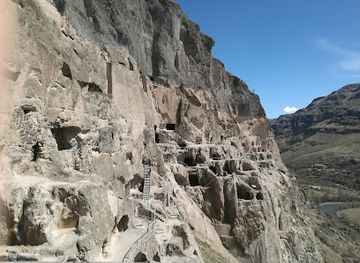
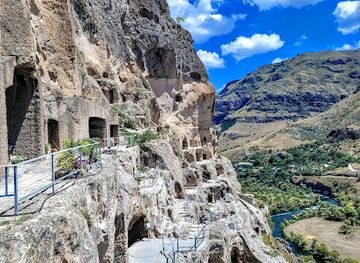
Vardzia is one of Georgia’s most remarkable historic landscapes: a medieval cave monastery cut into the steep southern face of Erusheti Mountain above the Mtkvari River in Samtskhe-Javakheti. The complex lies in a broad, rugged valley near Aspindza, around 60 kilometres south-east of Akhaltsikhe, and is reached by a winding road through highland scenery shaped by dry slopes, river terraces and distant volcanic ranges. Rather than a single building, Vardzia is a sequence of chambers, passages, terraces and churches excavated into the rock, once forming a carefully organised religious and defensive settlement.Read more about Vardzia
Queen Tamar’s Medieval Legacy
Exploring the Surrounding Valley
When is the best time to visit Vardzia?
Best: May–June, September · 23–28°C| Month | High (°C) | Rainfall (mm) |
|---|---|---|
| January | 9 | 30 |
| February | 10 | 30 |
| March | 14 | 40 |
| April | 19 | 50 |
| May (best) | 23 | 60 |
| June (best) | 28 | 50 |
| July | 30 | 40 |
| August | 29 | 40 |
| September (best) | 25 | 40 |
| October | 19 | 50 |
| November | 13 | 40 |
| December | 9 | 30 |
Getting to and around Vardzia
How to get there
Transportation
Best attractions in Vardzia
Vardzia itself is the defining attraction: a broad complex of caves, tunnels, chapels, storage rooms and living spaces cut into Erusheti Mountain above the Mtkvari River. The Church of the Dormition contains some of the site’s most important medieval paintings, including royal portraits associated with Queen Tamar and King George III. From the terraces and paths, visitors can look across the dry, folded valley and understand why the monastery’s position mattered both spiritually and strategically. Nearby, Khertvisi Fortress stands above the meeting of the Mtkvari and Paravani valleys and is one of the region’s major historic sights, while the village of Aspindza is known for its mineral springs. Akhaltsikhe, the principal gateway, adds the restored Rabati Castle complex and useful museums, restaurants and services, although these lie outside Vardzia itself. The wider journey also passes through quiet agricultural settlements and open highland scenery rather than a densely developed tourist corridor.
-
Tourist attraction
Şeytan Castle
Explore the historic Şeytan Castle in Ardahan, Turkey, a breathtaking fortress with stunning views and rich cultural heritage.
-
Nature preserve
Sulfur Bath
Unwind in natural hot springs near Vardzia. Experience authentic Georgian bathing culture in Mirashkhani's simple sulfur bath.
-
Tourist attraction
Kumurdo Cathedral
Discover Kumurdo Cathedral: A 10th-century Georgian architectural marvel with rich history and stunning Javakheti Plateau views.
-
Tourist attraction
Gondola to Mt. Kokhta
Experience breathtaking views of the Caucasus Mountains with a scenic gondola ride to the summit of Mt. Kokhta in Bakuriani, Georgia.


Best landmarks in Vardzia
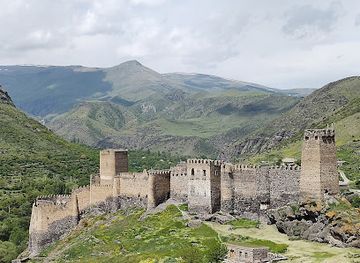
The principal landmark is the Vardzia cave monastery, whose cliffside façade, Church of the Dormition and surviving frescoes embody the religious and royal culture of medieval Georgia. Its significance is heightened by the 1283 earthquake, which stripped away much of the outer rock and revealed chambers once concealed within the mountain. The Mtkvari River is the natural landmark that gives the site its setting, running through a narrow valley beneath the excavated cliff. Khertvisi Fortress, positioned on a rocky elevation near the junction of the Mtkvari and Paravani valleys, represents the strategic importance of this southern corridor and is a major nearby monument rather than part of Vardzia itself. The surrounding Erusheti slopes, dry ravines and open highland views complete a landscape in which geology, medieval engineering, religious history and frontier defence remain closely connected.
-
City park
Borjomi Central Park
Experience the enchanting beauty of Borjomi Central Park, a national treasure in Georgia, perfect for outdoor adventures and relaxation in nature's embrace.
-
Fortress
Khertvisi Fortress
Explore the ancient Khertvisi Fortress, a stunning historical site in Georgia with breathtaking views and rich cultural heritage.
-
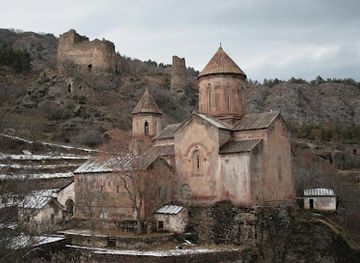
Monastery
Sapara Monastery
Explore Sapara Monastery in Georgia: A serene escape with rich history, stunning architecture, and breathtaking natural beauty.
-
 Hotel
HotelVardzia Resort
Discover the enchanting Vardzia Resort, where modern luxury meets ancient history in the heart of Georgia's stunning landscapes.
Explore Vardzia on the map
Plan your trip on one map. See where the top attractions, landmarks, restaurants and hotels are, and book hotels and experiences in a few clicks.
Best hotels in Vardzia
Best restaurants in Vardzia
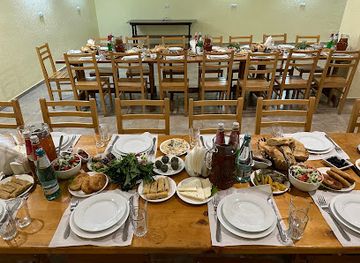
Dining around Vardzia is modest and largely rural, with options concentrated near the monument, in nearby villages and in Aspindza or Akhaltsikhe rather than spread through the cave complex. Visitors can expect Georgian home-style cooking such as khinkali, khachapuri, lobio, grilled meats, salads with walnuts and seasonal vegetable dishes, alongside bread, local dairy produce and regional wine where available. Samtskhe-Javakheti has a distinctive culinary identity shaped by highland agriculture and its long cultural connections with southern Georgia; dishes may include local variations of Georgian staples and savoury pastries. Guesthouses often provide advance-booked meals, which can be particularly useful in the rural Vardzia valley. Akhaltsikhe offers the broadest choice of cafés and restaurants, while travellers should not assume that every small settlement or site-side establishment accepts cards or serves food throughout the day.
-
Restaurant
Cafe Tourist
Discover delightful flavors at Cafe Tourist in Borjomi - your cozy haven for authentic Georgian cuisine and warm hospitality.
-
Georgian
Restaurant Chiko
Experience authentic Georgian cuisine at Restaurant Chiko in Aspindza—where tradition meets flavor in every dish.
-
Restaurant
Tori
Experience the essence of Georgian culture at Tori in Akhaldaba – where every meal tells a story through authentic flavors.
-
Restaurant
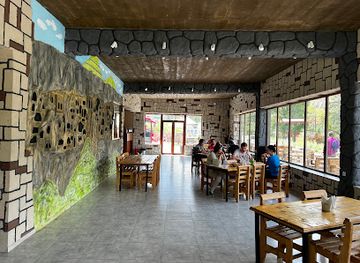
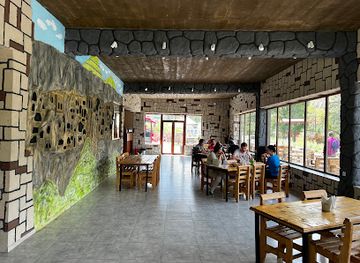
ვარძია მასპინძელი - VARDZIA MASPINDZELI
Experience authentic Georgian cuisine at Vardzia Maspindzeli amidst breathtaking landscapes and rich cultural heritage.
Best bars in Vardzia
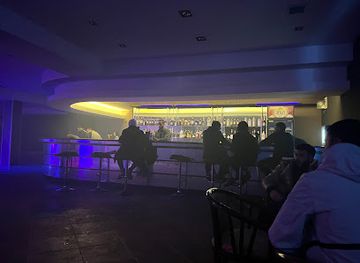
Vardzia is a quiet rural destination with no established clubbing district or substantial late-night entertainment scene. Evenings are generally centred on guesthouses, family-run accommodation and small restaurants where visitors may enjoy Georgian wine, conversation and home cooking. Aspindza provides a local settlement atmosphere, while Akhaltsikhe has the region’s broader selection of cafés, restaurants and informal bars, although its nightlife remains relatively restrained compared with Georgia’s larger cities. Cultural evenings, celebrations and music may occur locally, but they are seasonal or community-based rather than a dependable programme for visitors. Anyone staying in the Vardzia valley should arrange food and transport before late hours, since rural services are limited and the surrounding roads are not a setting for casual nighttime exploration.
-
Hotel
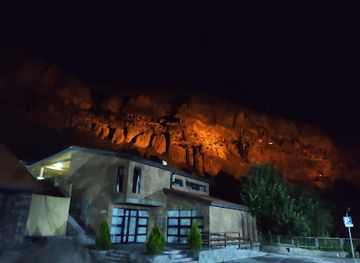
Vardzia Resort
Experience the serene beauty and rich history at Vardzia Resort, a perfect getaway in the heart of Georgia.
-
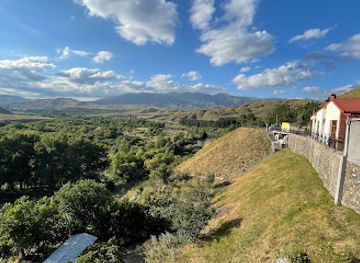
Scenic spot
Vardzia Cavetown Viewpoint
Experience the breathtaking views from Vardzia Cavetown Viewpoint, where nature and history intertwine in stunning harmony.
-
Restaurant
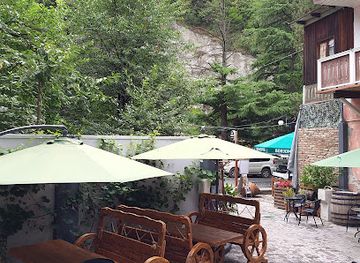
Dimitri’s Wine Cellar and Restaurant
Experience the exquisite flavors of Borjomi at Dimitri’s Wine Cellar and Restaurant, where fine dining meets exceptional wines.
-
Restaurant
ვარძია მასპინძელი - VARDZIA MASPINDZELI
Savor authentic Georgian cuisine at Vardzia Maspindzeli, where culinary delights meet breathtaking views of the historic Vardzia cave monastery.
Best nightclubs in Vardzia
Vardzia is a quiet rural destination with no established clubbing district or substantial late-night entertainment scene. Evenings are generally centred on guesthouses, family-run accommodation and small restaurants where visitors may enjoy Georgian wine, conversation and home cooking. Aspindza provides a local settlement atmosphere, while Akhaltsikhe has the region’s broader selection of cafés, restaurants and informal bars, although its nightlife remains relatively restrained compared with Georgia’s larger cities. Cultural evenings, celebrations and music may occur locally, but they are seasonal or community-based rather than a dependable programme for visitors. Anyone staying in the Vardzia valley should arrange food and transport before late hours, since rural services are limited and the surrounding roads are not a setting for casual nighttime exploration.
-
Night club
Club Tbilisi
Discover the heartbeat of Bakuriani's nightlife at Club Tbilisi, where unforgettable parties and vibrant energy await every night.
Best shops in Vardzia
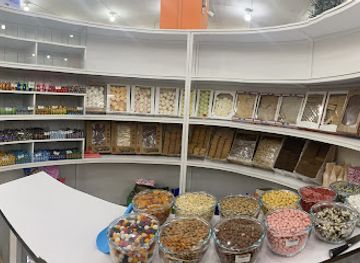
Shopping at Vardzia is limited and chiefly practical, with small-scale souvenirs and locally produced goods available around the visitor area or through nearby settlements when businesses are operating. The most meaningful purchases are regional rather than monument-specific: Georgian wine, honey, preserves, cheese, dried fruit and other farm products may be found through local producers or guesthouses, while Akhaltsikhe offers the widest choice of shops and everyday supplies. Travellers may also encounter handmade textiles, ceramics, woodwork or religious souvenirs in the broader Samtskhe-Javakheti region, but availability varies and should not be assumed to represent a permanent craft market. Buying directly from small producers can support rural households, provided products are clearly labelled and transport requirements are considered. It is sensible to purchase essentials, cash and picnic supplies in Akhaltsikhe before travelling into the quieter Vardzia valley.
-
Hotel
Vardzia Resort
Discover the serene beauty of Vardzia Resort, a perfect getaway in Georgia's picturesque landscapes, blending comfort with cultural exploration.
-
Scenic spot
Vardzia Cavetown Viewpoint
Experience the awe-inspiring views and rich history at Vardzia Cavetown Viewpoint, Georgia's breathtaking scenic spot.
-
Supermarket
ვანი
Discover the local flavors and vibrant culture at Vani, the must-visit supermarket in Akhalkalaki, Georgia.
-
Family-friendly
Restaurant vardzia
Explore the heart of Georgian cuisine at Restaurant Vardzia, a family-friendly gem in Gogasheni, offering authentic dishes and a welcoming atmosphere.
Get your free copy of our complete guide to Vardzia, delivered straight to you.
Everything on this page, from attractions and restaurants to essentials and local phrases, in one PDF you can read offline, print or share.
Already have an account? Sign in
Your Vardzia guide is ready.
We'll send it to · Not you? Sign out

Getting your guide ready…
We are putting together a fresh copy of the Vardzia guide. This can take up to a minute.
This can take a few moments. If your browser asks, choose Allow so the download can start. You'll find the guide in your Downloads folder.
Nothing happened? Download it again
Sorry, the guide is taking longer than usual. Please try again in a minute, or get it by email instead.
Vardzia essentials
Currency and Payment
Safety
Emergency Situations
Do's and Don'ts
Local Tips
From Eve
Local phrases worth knowing
You don't need to get them perfect. A few words go a long way, and locals appreciate the effort.
Basics
| English | Local | Say it |
|---|---|---|
| Hello | გამარჯობა | [gamardjoba] |
| Goodbye | ნახვამდის | [nakhvamdis] |
| Yes | დიახ | [diakh] |
| No | არა | [ara] |
| Please/You're welcome | გთხოვთ | [gtkhot] |
| Thank you | მადლობა | [madloba] |
| Excuse me/Sorry | ბალი | [bali] |
| How are you? | როგორ ხარ? | [rogor khar?] |
| Fine. And you? | კარგად. შენ? | [kargad. shen?] |
| Do you speak English? | იცით ინგლისური? | [itsit inglisuri?] |
| I don't understand | არ გესმით | [ar gesmit] |
Eating & Drinking
| English | Local | Say it |
|---|---|---|
| I'd like to see the menu, please | გთხოვთ მენიუს ნახოთ | [gtkhot menuis nakhot] |
| I don't eat meat | მე ხორცი არ მინდა | [me khortsi ar minda] |
| Cheers! | გაუსალმებით! | [gausalmebit!] |
| I would like to pay, please | გთხოვთ გადახდოთ | [gtkhot gadakdot] |
Emergencies
| English | Local | Say it |
|---|---|---|
| Help! | დაეხმარეთ! | [daekhmaret!] |
| Go away! | წადით გასვლა! | [tsadit gasvla!] |
| Call the Police! | შეაძლეთ პოლიცია! | [sheadlet politsia!] |
| Call a doctor! | შეაძლეთ რაინები! | [sheadlet rainebi!] |
| I'm lost | დავკავშირდი | [davkavshirdi] |
| I'm ill | ვარ ავიდანი | [var avidani] |
Shopping
| English | Local | Say it |
|---|---|---|
| I'd like to buy... | მე მინდა ყიდვა... | [me minda qidva...] |
| I'm just looking | მხოლოდ მიყვარხარ | [mkholod miqvarxar] |
| How much is it? | რამდენი კოშკია? | [ramdeni koshkia?] |
| That's too expensive | ეს ძალიან მაღალია | [es dzalian magalia] |
| Can you lower the price? | შეიძინეთ ფასი? | [sheizinet fasi?] |
Time & Numbers
| English | Local | Say it |
|---|---|---|
| What time is it? | რა დროა? | [ra droa?] |
| It's one o'clock | ერთი საათია | [erti saatia] |
| Half past (10) | ათის ორმაგი | [atiss ormagi] |
| Morning | დილი | [dili] |
| Afternoon | საღამო | [saghamo] |
| Evening | საღამო | [saghamo] |
| Yesterday | გუშინ | [gushin] |
| Today | დღეს | [dg'es] |
| Tomorrow | ხვალ | [khval] |
| 1 | ერთი | [erti] |
| 2 | ორი | [ori] |
| 3 | სამი | [sami] |
| 4 | ოთხი | [otkhi] |
| 5 | ხუთი | [khuti] |
| 6 | ექვსი | [ekvsi] |
| 7 | შვიდი | [shvidi] |
| 8 | რვა | [rva] |
| 9 | ცხრა | [tskhra] |
| 10 | ათი | [ati] |
Transport & Directions
| English | Local | Say it |
|---|---|---|
| Where's a/the...? | სადაა...? | [sad'a...?] |
| What's the address? | რა მისამართია? | [ra mismartia?] |
| Can you show me (on the map)? | შეაძლეთ მაჩვენეთ (რუკაზე) | [sheadlet machvenet (ruqaze)] |
| When's the next (bus)? | როდის არის შემდეგი (ავტობუსი)? | [rod'is aris shemdegi (avtobusi)?] |
| A ticket (to ....) | ბილეთი (სადაცაა....) | [bileti (sadatsa...)] |
History of Vardzia
The Mountain and River Landscape
Vardzia occupies a naturally formidable position on the left bank of the Mtkvari River, where the valley cuts through the uplands of southern Georgia. The caves were excavated into a volcanic rock face rather than formed solely by natural erosion, allowing builders to create interconnected rooms within the mountain. This geological setting helped determine the settlement’s defensive character and its visual impact, while the river valley supplied a route through a region that connected the Georgian interior with the southern frontier.
A Royal Foundation
The principal development of Vardzia belongs to the reigns of King George III and his daughter Queen Tamar in the late twelfth century. It formed part of the Georgian monarchy’s programme of religious and political consolidation, and its position near the southern frontier gave the monastery strategic as well as spiritual importance. The Church of the Dormition, the complex’s central sacred building, was decorated with wall paintings connected to the royal patrons. Georgian tradition also associates the name Vardzia with Tamar’s childhood, although the details of that story belong to the area’s later cultural memory.
The Medieval Cave Settlement
At its medieval height, Vardzia was far larger than the surviving exposed complex. Chambers included religious spaces, living quarters, storage rooms and passages, with water supplied through an internal system of conduits and reservoirs. The arrangement combined monastic life with the practical requirements of a settlement able to withstand danger on Georgia’s southern frontier. The surviving frescoes and carved interiors provide evidence of the artistic and ecclesiastical importance of the foundation, while the rooms cut into the cliff demonstrate how architecture was adapted to the mountain itself.
Earthquake and Erosion of the Outer Face
A major earthquake in 1283 removed much of Vardzia’s outer rock face. The disaster exposed chambers that had previously been hidden behind a continuous cliff and transformed the appearance of the monastery from a concealed fortress-like settlement into the open series of caves visible today. The earthquake did not erase the complex, but it altered its defensive advantages and made many interior spaces more vulnerable to weather and later disturbance. Vardzia’s present form is therefore both a medieval creation and the result of a powerful natural event.
Later Rule and Modern Heritage
Vardzia’s fortunes declined as political power shifted and southern Georgia experienced conflict involving neighbouring empires. Monastic activity continued over subsequent centuries, but the complex no longer held the same strategic and institutional role as it had under the medieval Georgian monarchy. In the twentieth century, Vardzia became increasingly recognised as a major monument of Georgian history and architecture. Conservation today focuses on protecting the churches, paintings, pathways and exposed rock interiors from weathering and the pressures of visitation.
Vardzia in Photos
Browse through our photo collection highlighting the charm and character of the destination.
Cities in Vardzia
The towns and cities of Vardzia, and the easiest places to base yourself.

Swipe for more cities
Neighbouring destination travel guides
The closest destinations to Vardzia, if you have time for more than one.
-

-

-

-

-


Swipe for more destinations
Explore more

Explore more of Samtskhe-Javakheti
Explore Samtskhe-Javakheti for Vardzia, Rabati Castle, Borjomi's forests, volcanic lakes and Georgia's layered southern heritage.
Explore Samtskhe-Javakheti
Explore more of Georgia
Discover Georgia: A vibrant mix of ancient history, stunning landscapes, and warm hospitality at the crossroads of Europe and Asia.
Explore Georgia