

Svaneti, Georgia Travel Guide
Discover Svaneti in Georgia: An enchanting region of ancient towers, majestic mountains, and timeless traditions waiting to be explored by adventurous travelers.
Svaneti, nestled in the northwestern part of Georgia, is a region that seems to have leapt straight out of a fairy tale. Surrounded by the towering Caucasus Mountains, the landscape is a stunning mix of lush valleys, snow-capped peaks, and ancient stone towers. This remote area is a treasure trove for those who love nature, history, and adventure. The villages of Svaneti are a living museum, with their distinctive Svan towers standing as a testament to the region's rich history and culture. These towers, some of which date back to the 9th century, were originally built for defense and now offer a unique glimpse into the past. Mestia, the main town, is a great starting point for exploring these architectural marvels, as well as the local museums that house precious artifacts and traditional Svanetian treasures. For nature enthusiasts, Svaneti is a paradise. The region's hiking trails wind through deep gorges, alpine meadows, and past glacial lakes. The most famous trek is to the remote village of Ushguli, one of the highest continuously inhabited settlements in Europe and a UNESCO World Heritage site. The journey to Ushguli offers breathtaking views and an opportunity to experience the timeless way of life of the Svan people, who are known for their warm hospitality and unique customs. Whether you’re a history buff, an adventure seeker, or simply looking to escape into nature, Svaneti offers an unforgettable experience. Its blend of unspoiled beauty and cultural richness makes it a must-visit destination for any traveler to Georgia.

Know before you go
Hi, I'm Eve. Here are a few practical things to know before exploring Svaneti.
- Pack layers of clothing. The weather can change quickly in the mountains.
- Hire a local guide for trekking. They can provide valuable insights and ensure you don't get lost.
- Try the local Svanetian salt, a unique blend of herbs and spices used in many regional dishes.
- Visit in late spring or early autumn for the best weather and fewer tourists.
- Cash is king in Svaneti. Make sure to bring enough, as ATMs are scarce.
- Respect local customs and traditions. Always ask for permission before photographing people or their homes.
Top City Travel Guides in Svaneti
The cities of Svaneti, and the easiest places to base yourself.

Destinations in Svaneti
Resorts, valleys and scenic spots worth a trip of their own.

Explore Svaneti: Things to Do, Places to Eat, Hotels & More
Handpicked recommendations for top attractions, local dining, accommodations, and more

Top Attractions & Sightseeing in Svaneti
Top-rated picks
Best Attractions
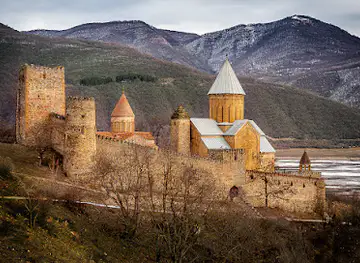
Ananuri Fortress Complex
Explore the medieval Ananuri Fortress, a stunning historical landmark on the Aragvi River, showcasing Georgia's rich heritage and breathtaking landscapes.

Okatse Canyon Visitor Centre
Experience Georgia's natural beauty at Okatse Canyon: walk the skywalk, explore lush forests, and witness breathtaking views.

Zugdidi Botanical Garden
Discover a world of botanical beauty and history at Zugdidi Botanical Garden, a serene oasis in the heart of Samegrelo, Georgia.

Dadiani Palace Museum
Explore the opulent world of Georgian royalty at the Dadiani Palace Museum in Zugdidi, showcasing art, history, and a Napoleon Bonaparte death mask.

Best landmarks in Svaneti
Top-rated picks
Best Landmarks

Ananuri Fortress Complex
Discover the stunning Ananuri Fortress Complex, a historical gem in Georgia, offering breathtaking views and rich cultural heritage.

Okatse Canyon Visitor Centre
Experience the breathtaking beauty and adventure at Okatse Canyon Visitor Centre, a must-visit destination in Georgia's stunning landscapes.

Gelati Monastery
Explore the enchanting Gelati Monastery, a UNESCO World Heritage site showcasing Georgian medieval architecture and rich spiritual heritage amidst stunning landscapes.

Martvili Canyon
Explore Martvili Canyon, a stunning national park in Georgia filled with lush landscapes, waterfalls, and outdoor adventures for all nature enthusiasts.

Best restaurants in Svaneti
Top-rated picks
Best Restaurants

Okatse Canyon Visitor Centre
Explore Okatse Canyon Visitor Centre: A Gateway to Georgia's Stunning Natural Beauty with Trails, Activities & Local Insights.

ROOMS Kazbegi
Experience breathtaking views and modern luxury at Rooms Kazbegi - your gateway to adventure in Georgia's stunning landscapes.

Gelati Monastery
Experience the serenity and historical significance of Gelati Monastery, a UNESCO World Heritage site nestled in Georgia's picturesque landscape.

Cafe Laila
Experience authentic Georgian cuisine amidst breathtaking mountain views at Cafe Laila in Mestia.

Best bars in Svaneti
Top-rated picks
Best Bars

Cafe Laila
Discover the essence of Georgian cuisine at Cafe Laila in Mestia, where tradition meets warm hospitality and stunning mountain views.

Vichnashi
Discover Vichnashi in Mestia: A culinary experience that showcases the heart of Georgian cuisine, offering traditional dishes and local wines.

Lushnu Qor Restaurant Beer Garden
Experience the best of Georgian cuisine in a stunning outdoor setting at Lushnu Qor Restaurant Beer Garden in Mestia.

Sunseti
Discover the flavors of Georgia at Sunseti in Mestia, where incredible food meets stunning mountain views.

Best nightclubs in Svaneti
Top-rated picks
Best Nightclubs

Night Life
Discover Tbilisi's vibrant nightlife with thrilling clubs and unforgettable entertainment experiences.

Night Office
Unleash your night spirit at Night Office, Tbilisi's premier night club, where vibrant music and endless fun await you.

Safe Night Club
Discover the heart of Tbilisi's nightlife at Safe Night Club, where electrifying music and vibrant energy come together for an unforgettable experience.

Mtkvarze
Dive into the electrifying nightlife at Mtkvarze, Tbilisi's vibrant night club featuring diverse music and a lively atmosphere.

Best shops in Svaneti
Top-rated picks
Best Shops

Martvili Canyon
Explore Martvili Canyon: A breathtaking national park in Georgia with stunning landscapes, crystal-clear waters, and unforgettable adventures.

Svaneti Museum of History and Ethnography
Explore the Svaneti Museum of History and Ethnography and uncover the unique heritage of the Svan people in Mestia, Georgia.

ERTI KAVA Mestia specialty coffee
Discover the essence of Mestia with specialty coffee and delightful desserts at ERTI KAVA, where local culture meets quality brews.

Martvili Monastery
Explore the serene beauty and rich history of Martvili Monastery, a hidden gem in the heart of Georgia's lush landscapes.

Explore Svaneti on the Map
A handpicked selection of must-see spots in Svaneti, mapped for you.
Svaneti Essentials
-
Svaneti is located in the northwestern part of Georgia, nestled in the Caucasus Mountains. The nearest international airport is in Kutaisi, approximately 200 kilometers away. From Kutaisi, you can take a bus or hire a private taxi to Mestia, the main town in Svaneti. The journey by road takes about 4 to 5 hours. Alternatively, you can fly from Tbilisi to Mestia, with flights operated by local airlines, which significantly reduces travel time.
-
Within Svaneti, transportation options include local minibuses (marshrutkas), taxis, and rental cars. Marshrutkas are the most budget-friendly option and connect Mestia with other villages in the region. Taxis offer more flexibility but can be more expensive. Renting a car is an excellent option for those who want to explore remote areas at their own pace. Keep in mind that some roads can be challenging due to mountainous terrain.
-
The official currency in Georgia is the Georgian Lari (GEL). Credit cards are accepted in some hotels, restaurants, and shops in Mestia, but cash is still preferred, especially in smaller villages and local markets. ATMs are available in Mestia, but it's advisable to withdraw sufficient cash before traveling deeper into the region. Currency exchange services are also available in major towns.
-
Svaneti is generally a safe destination for tourists. However, it is always prudent to exercise standard safety precautions. Avoid walking alone at night in unfamiliar areas and keep an eye on your belongings in crowded places. There are no specific high-crime areas targeting tourists, but it is best to stay vigilant and aware of your surroundings. Follow local advice regarding weather conditions and mountain safety.
-
In case of emergency, dial 112 for immediate assistance. Mestia has a local police station and medical facilities, including a hospital and several pharmacies. It is recommended to have travel insurance that covers medical emergencies, especially if you plan to engage in trekking or other outdoor activities. For minor health issues, you can find over-the-counter medications at local pharmacies.
-
Fashion: Do dress modestly, especially when visiting religious sites. Avoid wearing revealing clothing. Religion: Do respect local customs and traditions. Always cover your head when entering churches and monasteries. Public Transport: Do be respectful and give up your seat to elderly passengers. Don't eat or drink on public transport. Greetings: Do greet people with a handshake. A slight bow of the head is also a sign of respect. Eating & Drinking: Do try local delicacies and accept food offerings graciously. Don't refuse hospitality, as it is considered impolite.
-
To experience Svaneti like a local, visit the local markets where you can buy fresh produce and traditional Svanetian goods. Engage with locals, as they are often friendly and willing to share stories about the region's history and culture. Don't miss visiting the Svan towers, which are iconic symbols of the area, and the Svaneti Museum of History and Ethnography in Mestia. For a unique experience, take a hike to the Chalaadi Glacier or explore the beautiful Ushguli village, a UNESCO World Heritage Site.
When is the best time to visit Svaneti?
Useful Local Phrases for Svaneti
You don't need to speak the language perfectly. Even learning a few simple words can make conversations warmer—and locals usually appreciate the effort.
— Eve

Here are the phrases I use most often in Svaneti. Try a few—you'll be surprised how far they go! 😊
❤️
-
- Helloგამარჯობა
[gamardjoba] - Goodbyeნახვამდის
[nakhvamdis] - Yesკი
[ki] - Noარა
[ara] - Please/You're welcomeგთხოვთ
[gthovt] - Thank youმადლობა
[madloba] - Excuse me/Sorryბოდიშით
[bodishit] - How are you?როგორ ხართ?
[rogor khart] - Fine. And you?კარგად. და თქვენ?
[kargad. da tkven] - Do you speak English?ინგლისური გაქვთ?
[inglisuri gakhvt] - I don't understandარ მესმის
[ar mesmis]
- Helloგამარჯობა
-
- I'd like to see the menu, pleaseმინდა მენიუ, გთხოვთ
[minda meniu, gthovt] - I don't eat meatმე ხორცი არ მიყვარს
[me khortsi ar miqvars] - Cheers!გამარჯობა!
[gamardjoba!] - I would like to pay, pleaseმინდა გადავიხადო, გთხოვთ
[minda gadavikhado, gthovt]
- I'd like to see the menu, pleaseმინდა მენიუ, გთხოვთ
-
- Help!მიშველეთ!
[mishvelet!] - Go away!გადი!
[gadi!] - Call the Police!გამოიძახეთ პოლიცია!
[gamoidzakhit politsia!] - Call a doctor!გამოიძახეთ ექიმი!
[gamoidzakhit eqimi!] - I'm lostმეც დავკარგე
[mets davk'arge] - I'm illმესმის ავად ვარ
[mesmis avad var]
- Help!მიშველეთ!
-
- I'd like to buy...მინდა ვიყიდო...
[minda viqido...] - I'm just lookingმხოლოდ ვუყურებ
[mkholod vuqreb] - How much is it?რამდენი ღირს?
[ramdeni ghirs?] - That's too expensiveეს ძალიან ძვირია
[es dzalian dzviria] - Can you lower the price?შეგიძლიათ ფასის შემცირება?
[shegidzliat phasis shemtserba?]
- I'd like to buy...მინდა ვიყიდო...
-
- What time is it?რამდენი საათია?
[ramdeni saatia?] - It's one o'clockერთი საათია
[erti saatia] - Half past (10)ნახევარი (10)
[nakhvari (10)] - Morningდილა
[dila] - Afternoonსაღამო
[sagamo] - Eveningსაღამო
[sagamo] - Yesterdayგუშინ
[gushin] - Todayდღეს
[dghes] - Tomorrowხვალ
[khval] - 1ერთი
[erti] - 2ორი
[ori] - 3სამი
[sami] - 4ოთხი
[otkhi] - 5ხუთი
[khuti] - 6ექვსი
[ekvsi] - 7შვიდი
[shvidi] - 8რვა
[rva] - 9ცხრა
[tskhra] - 10ათი
[ati]
- What time is it?რამდენი საათია?
-
- Where's a/the...?სად არის ...?
[sad aris ...?] - What's the address?რა არის მისამართი?
[ra aris misamarti?] - Can you show me (on the map)?შეგიძლიათ მაჩვენოთ (ქარათზე)?
[shegidzliat machvenot (karatze)?] - When's the next (bus)?როდის არის შემდეგი (ავტობუსი)?
[rodis aris shemdegii (avtobusi)?] - A ticket (to ....)ბილეთი (კენ ....)
[bileti (ken ....)]
- Where's a/the...?სად არის ...?
History of Svaneti
-
Svaneti, nestled in the highlands of the Caucasus Mountains, has been inhabited since ancient times. Archaeological evidence suggests that the region was settled as early as 2000 BCE. The Svans, an ethnic subgroup of Georgians, developed a distinct culture characterized by their unique language, traditions, and way of life, isolated by the rugged terrain.
-
During the medieval period, Svaneti became renowned for its defensive stone towers, known as 'koshki.' These towers, which date back to the 9th-12th centuries, were built to protect families and communities from invaders and natural disasters. They remain a symbol of Svaneti's resilience and architectural ingenuity.
-
Christianity was introduced to Svaneti in the 4th century, and the region is home to some of Georgia's oldest churches and religious artifacts. The Church of St. George in Nakipari and the Church of the Archangel in Ipari are just two examples of the region's rich ecclesiastical architecture, adorned with frescoes and intricate carvings.
-
Svaneti played a significant role during the Golden Age of the Georgian Kingdom, particularly in the 12th and 13th centuries under the reign of Queen Tamar. The region served as a stronghold for the Georgian nobility and a sanctuary for cultural and religious relics during times of turmoil.
-
Throughout history, the Svans have fiercely defended their autonomy against various foreign invaders, including the Mongols, Persians, and Ottoman Turks. Their resistance is a testament to their indomitable spirit and desire to preserve their unique cultural identity.
-
Under Soviet rule, Svaneti experienced significant changes, including infrastructure development and the introduction of collectivization. Despite these transformations, the Svans managed to retain much of their traditional lifestyle. Today, Svaneti is a UNESCO World Heritage site, celebrated for its cultural and natural heritage.
Neighbouring Regions of Svaneti
The closest regions to Svaneti, if you have time for more than one.


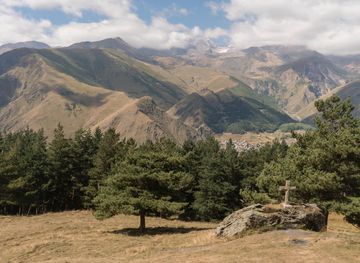


Your all‑in‑one travel companion app
Explore expert travel guides, compare and book tours, experiences, hotels, and more—all from the palm of your hand. Download now for seamless trip planning wherever your wanderlust takes you.


Explore More of Georgia

Looking beyond Svaneti? Discover Georgia for broader travel guides, local hot-spots, and regional highlights.
Explore GeorgiaSvaneti in Photos
Browse through our photo collection highlighting the charm and character of the destination.


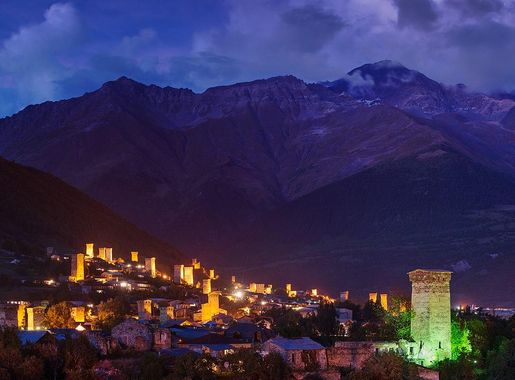


Svaneti: The Enchanted Land of Towers and Mountains
Svaneti, nestled in the northwestern part of Georgia, is a region that seems to have leapt straight out of a fairy tale. Surrounded by the towering Caucasus Mountains, the landscape is a stunning mix of lush valleys, snow-capped peaks, and ancient stone towers. This remote area is a treasure trove for those who love nature, history, and adventure. The villages of Svaneti are a living museum, with their distinctive Svan towers standing as a testament to the region's rich history and culture. These towers, some of which date back to the 9th century, were originally built for defense and now offer a unique glimpse into the past. Mestia, the main town, is a great starting point for exploring these architectural marvels, as well as the local museums that house precious artifacts and traditional Svanetian treasures. For nature enthusiasts, Svaneti is a paradise. The region's hiking trails wind through deep gorges, alpine meadows, and past glacial lakes. The most famous trek is to the remote village of Ushguli, one of the highest continuously inhabited settlements in Europe and a UNESCO World Heritage site. The journey to Ushguli offers breathtaking views and an opportunity to experience the timeless way of life of the Svan people, who are known for their warm hospitality and unique customs. Whether you’re a history buff, an adventure seeker, or simply looking to escape into nature, Svaneti offers an unforgettable experience. Its blend of unspoiled beauty and cultural richness makes it a must-visit destination for any traveler to Georgia.