

Avlabari (Tbilisi) Travel Guide - Free
Explore Avlabari in Tbilisi with Evendo's free guide. Find the best shops, historic streets, restaurants, and gems on web or mobile.


Avlabari, Tbilisi reveals Metekhi Church, Sameba Cathedral, old courtyards, Georgian food and sweeping riverside views across Georgia’s capital.
Across the Mtkvari from Old Tbilisi
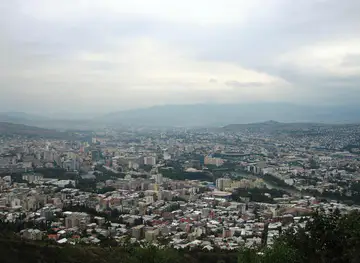
Avlabari occupies the steep left bank of the Mtkvari River, facing the historic centre across the water and rising towards the hills beyond Queen Ketevan Avenue. Its streets combine ordinary residential life with some of Tbilisi’s most recognisable landmarks: the Metekhi Church and plateau above the river, the vast Holy Trinity Cathedral, and the layered rooftops and courtyards that reveal the capital’s long Georgian, Armenian and Persian-influenced past.Read more about Avlabari
A Quarter Shaped by Faith and Migration
Views, Squares and Everyday Life
Best attractions in Avlabari
Avlabari’s main attractions are concentrated around its elevated viewpoints and religious sites. Metekhi Church stands dramatically above the Mtkvari on Metekhi plateau, offering a compact encounter with medieval Tbilisi and broad views towards the old centre. Farther uphill, the Holy Trinity Cathedral, or Sameba, occupies an extensive hilltop complex whose scale and open setting contrast with the dense riverside lanes. The walk between these sites passes through residential streets and gives a more everyday impression of the neighbourhood than the polished riverfront. At the western edge, the route towards Metekhi Bridge, Rike Park and the Peace Bridge creates an easy connection with central Tbilisi, although those parks and structures lie across the river. Small courtyards, local bakeries and changing views over the Mtkvari provide quieter points of interest between the major landmarks.
-
Tourist attraction
Air Balloon Tbilisi
Experience Tbilisi from above: a breathtaking hot air balloon ride offering panoramic views of the city's iconic landmarks.
5 min walk · 0.4 km from neighbourhood centre

Best landmarks in Avlabari
Metekhi Church is Avlabari’s defining historic landmark, occupying a rocky promontory above the Mtkvari and preserving the area’s connection with medieval Tbilisi. Its position beside the statue of King Vakhtang Gorgasali makes the plateau a powerful visual and historical marker of the capital. The Holy Trinity Cathedral, known as Sameba, is the neighbourhood’s most prominent modern religious structure; built between 1995 and 2004, it became a major symbol of post-Soviet Georgian religious and national renewal. The cathedral’s hilltop grounds are spacious and visible from many parts of the city. Avlabari’s identity is also recorded in its older churches, courtyard houses and irregular lanes, including surviving Armenian religious traces that reflect the neighbourhood’s historic multicultural population. Metekhi Bridge and the river edge help define its relationship with the old centre across the water.
-
Monument
Statue of King Vakhtang Gorgasali
Discover the Statue of King Vakhtang Gorgasali in Tbilisi, a stunning monument celebrating Georgia's rich history and offering breathtaking views of the city.
5 min walk · 0.4 km from neighbourhood centre
-
Subway station
Avlabari
Discover Avlabari, Tbilisi's enchanting neighborhood offering stunning views, rich history, and vibrant local culture in the heart of Georgia.
1 min walk · 0.1 km from neighbourhood centre
-
Historical landmark
Special Illustration
Explore the captivating Special Illustration in Tbilisi, a historical landmark showcasing the artistic heritage of Georgia in an enchanting setting.
4 min walk · 0.3 km from neighbourhood centre


Explore Avlabari on the map
A handpicked selection of must-see spots in Avlabari, mapped for you.
Best hotels in Avlabari
Best restaurants in Avlabari
Eating in Avlabari is centred on Georgian home-style cooking, bakeries, cafés and straightforward restaurants serving dishes such as khinkali, khachapuri, lobio and grilled meats. The area’s history as a multicultural left-bank quarter also gives its food culture a broader Caucasian context, with Armenian influences visible in the wider traditions of bread, preserves and courtyard dining, although individual menus vary. Queen Ketevan Avenue and the streets around Avlabari Metro Station are the most practical places to look for everyday meals and refreshments, while the routes towards Metekhi and the old centre offer more visitor-oriented choices. Dining tends to be less concentrated and atmospheric than in parts of Old Tbilisi, so restaurants may appear among apartment blocks and small businesses rather than along a single restaurant street. Georgian wine is widely available, but visitors should check menus and service charges before ordering.
-
Georgian
Khinkali House
Experience authentic Georgian flavors at Khinkali House, famous for its mouthwatering dumplings and warm hospitality in Tbilisi.
2 min walk · 0.2 km from neighbourhood centre
-
Restaurant
Old metekhi
Discover authentic Georgian cuisine at Old Metekhi while enjoying breathtaking views of Tbilisi's historic skyline.
4 min walk · 0.3 km from neighbourhood centre
-
Restaurant
Elita Shawarma
Discover authentic Georgian flavors at Elita Shawarma in Tbilisi's vibrant Avlabari Square – a must-visit for every food lover.
2 min walk · 0.1 km from neighbourhood centre
-
Restaurant
Old Town
Discover Old Town Tbilisi: A Historic Gem with Culinary Delights and Stunning Architecture.
5 min walk · 0.4 km from neighbourhood centre


Best bars in Avlabari
Avlabari is not one of Tbilisi’s principal late-night club districts. Evenings are generally quieter and more residential, with restaurants, cafés and informal drinking places providing the main nightlife rather than large dedicated venues. The streets near Queen Ketevan Avenue and the river crossings are the most convenient for an evening meal or a drink, while the old-city side of the Mtkvari has a broader concentration of bars and music venues. Visitors should distinguish these nearby Old Tbilisi options from Avlabari itself. After dark, the illuminated Metekhi slopes, river views and Sameba complex create a scenic walking setting, but some uphill residential lanes become quiet and uneven. Those seeking live music, cocktail bars or club nights will usually find a wider choice by crossing towards the central districts rather than expecting Avlabari to function as a nightlife quarter.
-
Bar
Old Generation
Experience the heart of Georgian culture at Old Generation, where fine wines, traditional drinks, and a vibrant atmosphere await in Tbilisi.
2 min walk · 0.2 km from neighbourhood centre
-
Wine bar
Rewine
Experience the finest Georgian wines at Rewine, a charming wine bar in Tbilisi with stunning views and a cozy atmosphere.
4 min walk · 0.3 km from neighbourhood centre


Avlabari essentials
Getting There
Getting Around
Safety
Emergency Situations
Do's and Don'ts
Local Tips

From Eve
Local phrases worth knowing
You don't need to get them perfect. A few words go a long way, and locals appreciate the effort.
Basics
| English | Local | Say it |
|---|---|---|
| Hello | გამარჯობა | [gamardjoba] |
| Goodbye | ნახვამდი | [nakhvamdi] |
| Yes | დიახ | [diakh] |
| No | არა | [ara] |
| Please/You're welcome | გთხოვთ | [gtkhovt] |
| Thank you | მადლობა | [madloba] |
| Excuse me/Sorry | ბალია | [baliya] |
| How are you? | როგორ ხარ? | [rogor khar?] |
| Fine. And you? | კარგად. შენ? | [kargad. shen?] |
| Do you speak English? | იცი ინგლისურს? | [itsi inglisurs?] |
| I don't understand | არ ვიცი | [ar vitsi] |
Eating & Drinking
| English | Local | Say it |
|---|---|---|
| I'd like to see the menu, please | გთხოვ მენიუს ნახოთ, გთხოვთ | [gtkhov menuis nakhot, gthovt] |
| I don't eat meat | არ ვჭამ ხორის | [ar vcham khoris] |
| Cheers! | გაგრილება! | [gagrileba] |
| I would like to pay, please | გთხოვ გადახდოთ, გთხოვთ | [gtkhov gadakdot, gthovt] |
Emergencies
| English | Local | Say it |
|---|---|---|
| Help! | დახმარება! | [dakhmareba] |
| Go away! | წვდომა! | [tsvdoma] |
| Call the Police! | დაუჯავშნეთ პოლიცია! | [daudjavsnet politsia] |
| Call a doctor! | დაუჯავშნეთ ექიმი! | [daudjavsnet ekimi] |
| I'm lost | დავაკარგებული ვარ | [davakaragebuli var] |
| I'm ill | მე ვავადმყოფი ვარ | [me vavadmopfi var] |
Shopping
| English | Local | Say it |
|---|---|---|
| I'd like to buy... | გთხოვ ყიდვა... | [gtkhov qidva] |
| I'm just looking | შემექმნება | [shemekhmneba] |
| How much is it? | რამდენია? | [ramdenia?] |
| That's too expensive | ეს ძალიან ღირსადგენია | [es dzalian girsadgenia] |
| Can you lower the price? | შეგიძლია ფასი დაბალოთ? | [shegidlia fasi dabalot?] |
Time & Numbers
| English | Local | Say it |
|---|---|---|
| What time is it? | რა დროა? | [ra droa?] |
| It's one o'clock | ერთი საათია | [erti saatia] |
| Half past (10) | ათის ნახუჯი | [atis nakhuzhi] |
| Morning | დილი | [dili] |
| Afternoon | საღამო | [sagamo] |
| Evening | საღამო | [sagamo] |
| Yesterday | გუშინ | [gushin] |
| Today | დღეს | [dges] |
| Tomorrow | ხვალ | [khval] |
| 1 | ერთი | [erti] |
| 2 | ორი | [ori] |
| 3 | სამი | [sami] |
| 4 | ოთხი | [otkhi] |
| 5 | ხუთი | [khuti] |
| 6 | ექვსი | [ekvsi] |
| 7 | შვიდი | [shvidi] |
| 8 | რვა | [rva] |
| 9 | ცხრა | [tskhra] |
| 10 | ათი | [ati] |
Transport & Directions
| English | Local | Say it |
|---|---|---|
| Where's a/the...? | სადაა... | [sad'aa] |
| What's the address? | რა მისამართია? | [ra mismartia?] |
| Can you show me (on the map)? | შეგიჩნდეთ ჩემს გზაზე? | [shegidnet chems g'azze?] |
| When's the next (bus)? | როდის მესამე (ავტობუსი)? | [rodiss mesame (avtobusi)?] |
| A ticket (to ....) | ბილეთი (მიმდინარე ...) | [bileti (mimdinarie ...)] |
History of Avlabari
An Early Settlement on the Left Bank
Avlabari developed on the eastern or left bank of the Mtkvari opposite the older core of Tbilisi. Its position beside the river and on routes approaching the city made it a natural area for settlement, cultivation and movement between the capital and the eastern Georgian hinterland. The name is commonly connected with the Armenian form Havlabar, although explanations of its precise origin vary. Rather than being a detached suburb, it became part of the urban fabric that grew around Tbilisi’s walled centre and the strategic Metekhi heights.
Metekhi and the Medieval Capital
The Metekhi plateau became one of the defining sites of medieval Tbilisi. The Church of the Assumption of the Virgin Mary, generally known as Metekhi Church, stands above the river on a rocky promontory associated with the royal city and with the memory of King Vakhtang Gorgasali, traditionally regarded as the founder of Tbilisi. The existing church dates largely from the thirteenth century, after earlier structures on the site had been damaged and rebuilt. Its elevated position helped give Avlabari a lasting symbolic relationship with the capital across the river.
A Multicultural Nineteenth-Century Quarter
During the nineteenth century, as Tbilisi expanded under the Russian Empire, Avlabari became a densely settled urban quarter with a substantial Armenian presence alongside Georgian and other communities. Churches, schools, workshops, small businesses and courtyard housing shaped local life, while the river crossings and roads connected the neighbourhood with markets and administrative areas on the opposite bank. The surviving religious buildings and irregular residential lanes reflect this period of expansion, when Avlabari was both a working neighbourhood and an important part of Tbilisi’s multicultural urban landscape.
Soviet Change and the Modern Skyline
The Soviet period brought new apartment construction, altered traffic routes and the gradual loss or transformation of some older courtyard buildings. Avlabari remained a largely residential district, while the metro station opened in 1967 and strengthened its connection with other parts of Tbilisi. Since independence, the neighbourhood has acquired a new visual landmark in the Holy Trinity Cathedral, or Sameba, built between 1995 and 2004 on Elia Hill. Riverside redevelopment around Rike and the Peace Bridge has increased visitor footfall nearby, although Avlabari itself retains a more mixed and everyday character.
Avlabari in Photos
Browse through our photo collection highlighting the charm and character of the destination.
Neighbourhoods near Avlabari
The closest neighbourhoods to Avlabari, if you have time for more than one stop.
-

-
-


Swipe for more neighbourhoods
Explore more

Explore more of Tbilisi
Tbilisi combines sulphur baths, Old Town streets, Georgian cuisine, qvevri wine and layered Caucasian history beneath a dramatic hillside skyline.
Explore Tbilisi