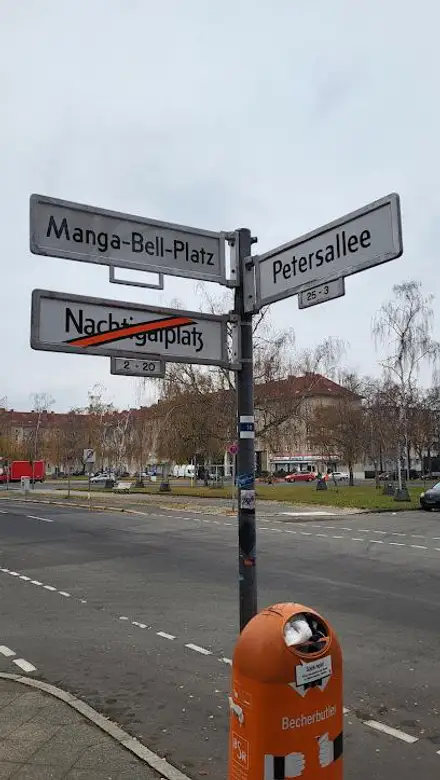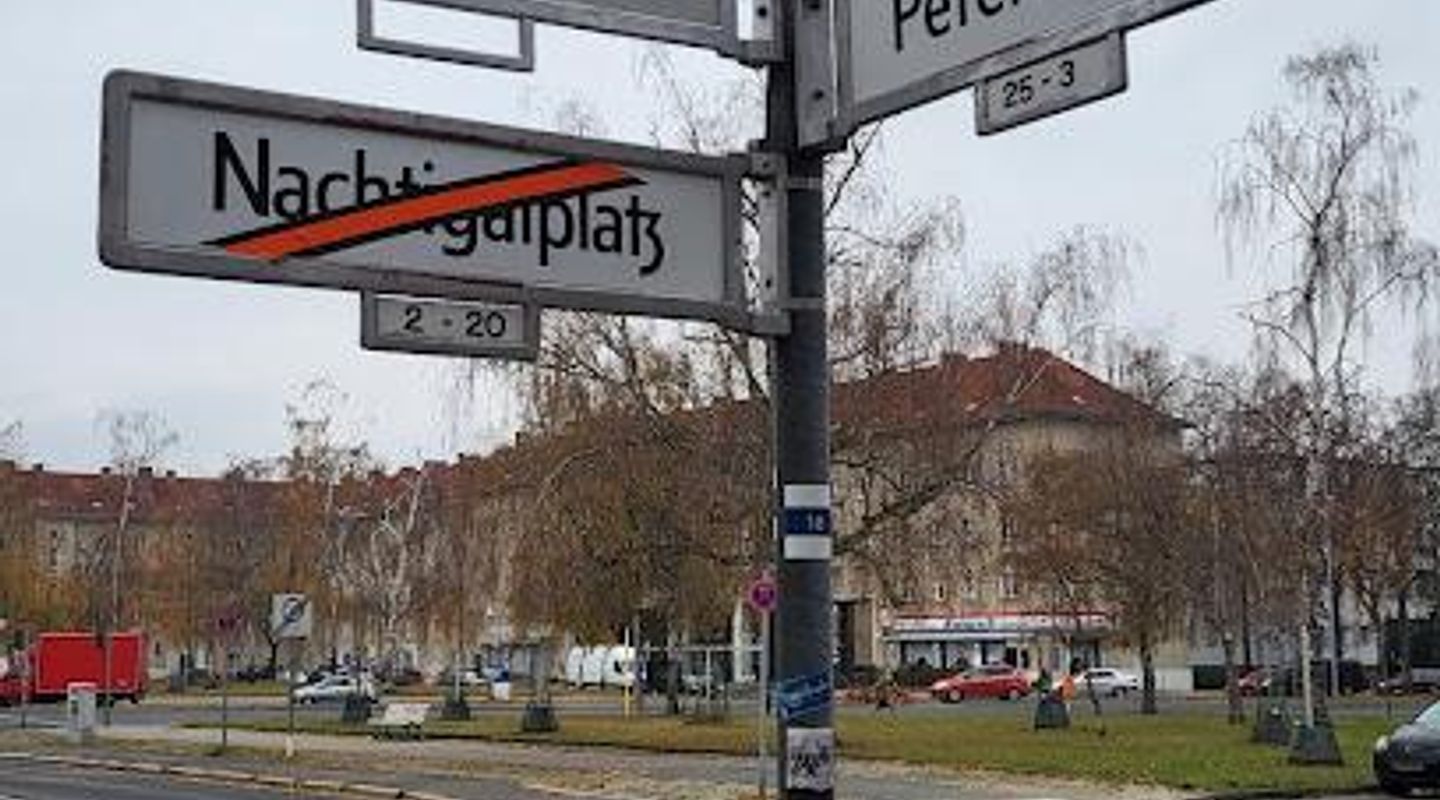
Manga-Bell-Platz, Berlin Travel Guide
Discover Manga-Bell-Platz in Berlin's Mitte: A vibrant square steeped in history, culture, and community spirit, honoring Cameroonian resistance against colonialism.
Manga-Bell-Platz, located in Berlin's vibrant Mitte borough, is more than just a public square; it's a place of historical significance and community gathering. Surrounded by a blend of modern and historical architecture, the square provides an inviting atmosphere for locals and tourists alike. Formerly known as Nachtigalplatz, it was renamed in 2022 to honor Rudolf and Emily Duala Manga Bell, Cameroonian resistance fighters against German colonialism. The square serves as a focal point for community events, art installations, and street performances, reflecting the diverse talents and cultural richness of Berlin. With numerous cafes and eateries lining its edges, Manga-Bell-Platz offers a perfect spot to relax, soak in the lively atmosphere, and explore the surrounding boutique shops and galleries. Whether you're interested in history, culture, or simply a pleasant urban experience, Manga-Bell-Platz is a worthwhile destination.
A brief summary to Manga-Bell-Platz
- Berlin, Mitte, 13351, DE

Know before you go
Hi, I'm Eve. Here are a few practical things to know before exploring Manga-Bell-Platz.
- Explore the surrounding Afrikanisches Viertel for authentic African cuisine and cultural experiences.
- Visit on a weekend to experience local markets and community events.
- Take a guided tour of the African Quarter to learn more about its history and significance.
Do you manage this location?
Take control to get all the benefits, like improved information, better appearance, and stronger visibility across AI-powered discovery. Learn more about listing your business on Evendo
Activate your presenceOther nearby places you may find interesting
The closest places of the same kind, if this one is not quite what you had in mind.
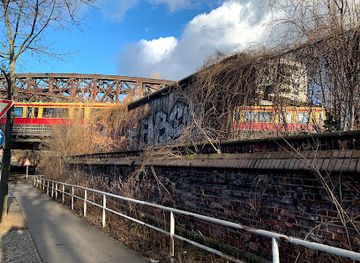
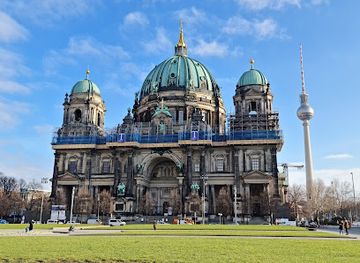
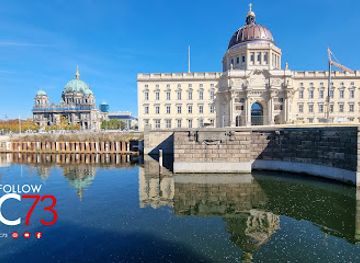
Explore Manga-Bell-Platz on the Map
A handpicked selection of must-see spots near Manga-Bell-Platz, mapped for you.
Getting There
-
Public Transport
From the U Afrikanische Straße U-Bahn station (U6 line), Manga-Bell-Platz is a short walk. Exit the station and follow Afrikanische Straße in the direction of the square. The square will be on your right. A single ride ticket for the Berlin public transport system (AB zone) costs €3.50.
-
Bus
Several bus lines stop near Manga-Bell-Platz, including the 221. Check the BVG website or app for the most up-to-date schedules and routes. From the bus stop 'Manga-Bell-Platz', the square is directly accessible. A single ride ticket for the Berlin public transport system (AB zone) costs €3.50.
-
Taxi/Ride-Share
A taxi or ride-share from central Berlin (e.g., Alexanderplatz) to Manga-Bell-Platz will typically cost between €15 and €25, depending on traffic and the specific service used.
-
Driving
Driving to Manga-Bell-Platz is possible, but parking in the area can be challenging. Parking zone 78 applies to the African Quarter, with parking costing €1 per hour on weekdays and Saturdays. Parking is free between 8 PM and 9 AM during the week and from Saturday 6 PM to Monday 9 AM. Consider using a parking app to find available spaces. Alternatively, consider parking at a parking garage such as Prager Passage, where hourly rates start from €1.60 and daily maximums reach €20.
Discover more about Manga-Bell-Platz













Your all‑in‑one travel companion app
Explore expert travel guides, compare and book tours, experiences, hotels, and more—all from the palm of your hand. Download now for seamless trip planning wherever your wanderlust takes you.


Explore More of Berlin
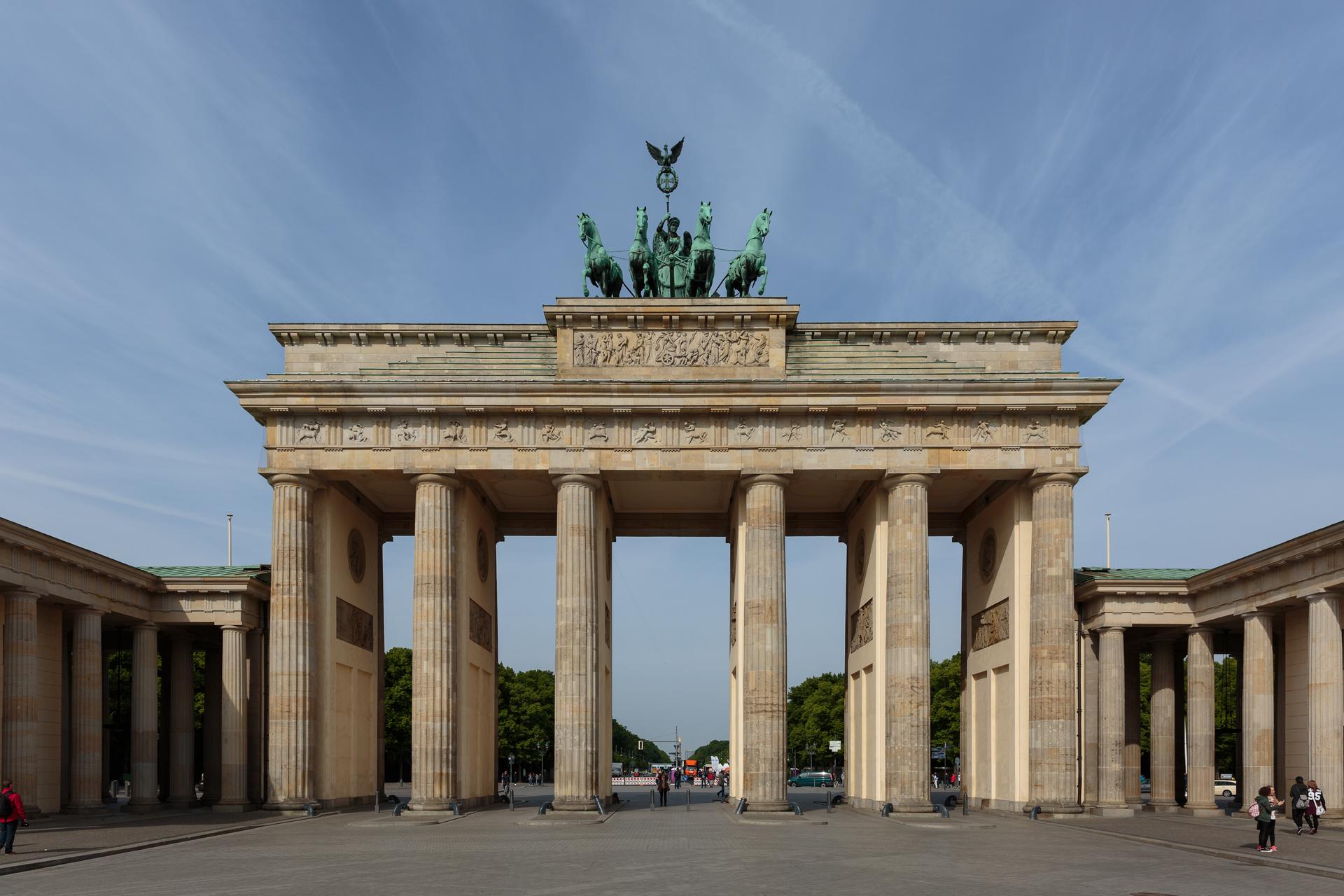
Looking beyond Manga-Bell-Platz? Discover Berlin for broader travel guides, local hot-spots, and regional highlights.
Explore Berlin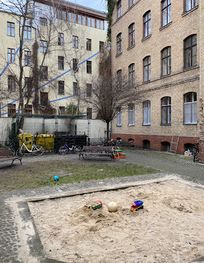
Discover a preserved segment of the Berlin Wall on Lehrter Strasse, offering a poignant glimpse into Berlin's divided past and a space for quiet reflection in the heart of Mitte.
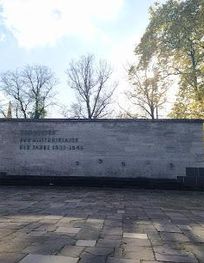
Reflect on the past at the Plötzensee Memorial, a poignant site commemorating the victims of Nazi injustice and resistance in a former execution site.